Breakfast & Brunch
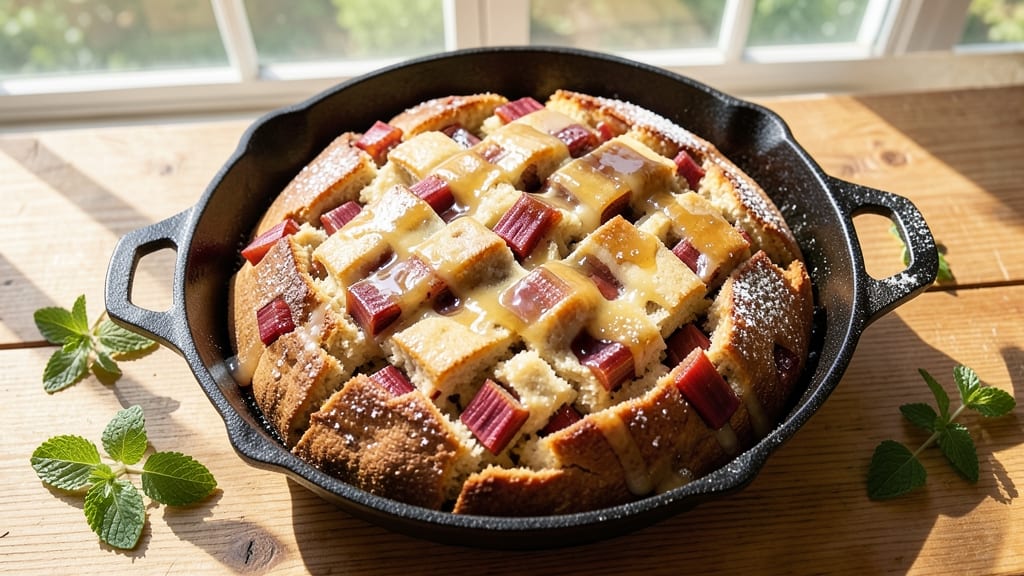
This Amish rhubarb bread recipe delivers the perfect balance of tangy rhubarb swirls and buttery, flaky layers that make it a brunch centerpiece. The secret lies in using ripe rhubarb—its natural tartness cuts through the richness of the dough, creating a harmony that feels both rustic and refined.
I developed this version after years of testing traditional Amish baking techniques, ensuring the crust achieves that signature golden-brown finish while keeping the interior tender and moist.
The beauty of this recipe is its simplicity—just five key ingredients and a single mixing bowl, yet it delivers restaurant-quality results. The dough comes together quickly, and the rhubarb filling requires no cooking, making it ideal for busy mornings.
What sets this apart is the two-stage proofing process, a technique I learned from Amish bakers that ensures even rising and those coveted air pockets that make every slice irresistible.
By the time it emerges from the oven, you'll have a loaf with a crisp, caramelized crust and a soft, pillowy interior threaded with bursts of rhubarb.
The aroma alone will fill your kitchen with warmth, while the first bite delivers that perfect contrast of buttery dough and bright, tangy fruit. This bread pairs beautifully with butter, jam, or even a cup of coffee—making it the ultimate brunch companion.
Whether you're serving it at a family gathering or treating yourself to a weekend breakfast, this recipe captures the essence of Amish baking tradition with a modern twist.
The rhubarb adds a seasonal touch, while the buttery layers ensure it's universally loved. Let's get started on creating your own loaf of this classic comfort food.
Ingredients for amish rhubarb bread
Five simple ingredients transform into golden, buttery layers with rhubarb swirls that taste like a brunch dream.
| Ingredient | Amount | Notes |
|---|---|---|
| All-Purpose Flour 🌾 | 4 cups | Sifted for light texture |
| Granulated Sugar 🍚 | ½ cup | White sugar preferred |
| Active Dry Yeast 🍞 | 2 ¼ tsp | Single-use packet works |
| Unsalted Butter 🧈 | ½ cup | Cold, cubed for dough |
| Milk 🥛 | ½ cup | Room temperature |
| Salt 🧂 | 1 tsp | Kosher or sea salt |
| Fresh Rhubarb 🍓 | 1 ½ cups | Chopped, ripe and tart |
| Light Brown Sugar 🍚 | ¼ cup | Packed for filling |
| Ground Cinnamon 🌿 | 1 ½ tsp | Freshly ground preferred |
| Large Egg 🥚 | 1 whole | Room temperature |
| Vanilla Extract 💧 | 1 tsp | Pure vanilla preferred |
The rhubarb is non-negotiable—look for vibrant pink stalks at the grocery store (the deeper the color, the more tart). Local farmers markets often have the freshest, most flavorful rhubarb in season. If you can't find it, frozen rhubarb works in a pinch, but thaw and drain it well. For the yeast, check the expiration date—old yeast won't activate properly. I always keep a small jar in my pantry for baking days. The butter should be cold when you mix it—cut it into cubes and let it sit out for 10 minutes if it's straight from the fridge.
No rhubarb? Swap in chopped apples or pears for a milder flavor, but the tartness is key here. Running out of brown sugar? White sugar works in a bind, but the filling won't be quite as moist. The vanilla extract can be omitted if you're short, but trust me—it makes the dough smell like heaven. For the flour, King Arthur or Gold Medal brands give the best rise. If you're gluten-sensitive, substitute a 1:1 gluten-free flour blend, but expect a denser texture. The cinnamon should be freshly ground if possible—pre-ground loses flavor fast.
This dough needs time to shine—let it rise for at least 2 hours (or overnight in the fridge). The rhubarb filling stays fresh for 3 days in the fridge if wrapped tightly. For extra crispiness, brush the crust with melted butter before baking. Slices keep well for 3 days at room temperature, but reheat them in the oven for that fresh-baked magic. I always make a double batch—freezes beautifully for up to 3 months.
Why You'll Love This Recipe
- No Yeast Struggles: I’ve made enough dough disasters to know this recipe’s a lifesaver—just toss in the yeast with warm milk and sugar, let it sit for 10 minutes, and it’s ready. No waiting hours for proofing or guessing if it’s active; that rhubarb purée does half the work by keeping things sweetly balanced.
- Sweet-Tart Magic: The rhubarb isn’t just an afterthought here—it’s the star. That tangy purée cuts through the buttery richness, while the caramelized sugar crust turns every slice into a little dessert. Honestly, I’ve caught myself sneaking extra pieces when no one’s looking.
- Breakfast to Brunch: This bread is my go-to for lazy mornings (toasted with jam) or when unexpected company drops by (sliced warm with butter). The milk and butter keep it tender enough for breakfast but sturdy enough to hold up at brunch—no crumbly mess, just pure satisfaction.
- Leftovers That Last: A loaf disappears fast, but the best part? It reheats like a dream. Pop slices in the toaster or microwave, and they’re fresh again—no sad, dry bread here. Plus, the ingredients are pantry staples, so it’s an easy way to use up flour or rhubarb before it goes bad.
Step-by-step instructions for Amish rhubarb bread
This recipe delivers a tender crumb and perfect rhubarb swirls every time—just follow these simple steps!
Activate the Yeast and Prepare the Dough
In a small bowl, combine the 0.5 cup room temperature milk, 0.5 cup granulated sugar, and 2.25 teaspoons active dry yeast. Let it sit for 5-10 minutes until frothy—this means your yeast is alive and ready to work. If it doesn't bubble, your yeast might be old, and you'll need to start over.
In a large mixing bowl, whisk together the 4 cups all-purpose flour and 1 teaspoon salt. Make a well in the center and pour in the yeast mixture along with the 1 whole large egg and 1 teaspoon vanilla extract. Mix with a wooden spoon until a shaggy dough forms. Then, add the 0.5 cup cold cubed unsalted butter and knead by hand for 5-7 minutes until smooth and elastic.
Prepare the Rhubarb Filling
While the dough rests, chop the 1.5 cups fresh rhubarb into small, even pieces—about ¼-inch chunks. In a small bowl, mix the chopped rhubarb with 0.25 cup packed light brown sugar and 1.5 teaspoons ground cinnamon. Let it sit for 10 minutes while the flavors meld together. This step ensures the filling stays juicy and flavorful when baked.
I like to press down gently on the rhubarb mixture—this releases any excess liquid, which prevents a soggy bread. If the filling looks too wet, sprinkle in 1 teaspoon extra flour to absorb it. The filling should hold its shape when packed into a small ball.
Shape and Swirl the Dough
Roll out the dough on a lightly floured surface into an 8x12-inch rectangle, about ¼-inch thick. Spread the rhubarb mixture evenly over the dough, leaving a ½-inch border around the edges. Starting from the long side, tightly roll the dough into a log, pinching the seam to seal. This creates those beautiful swirls when sliced!
Place the sealed log seam-side down in a 9x5-inch loaf pan that's been lightly greased. Cover with a clean kitchen towel and let it rise in a warm place for 1-1.5 hours, or until it's puffed about 1.5 inches above the pan. The dough should spring back slowly when gently pressed—this is your cue it's ready for the oven.
Bake to Golden Perfection
Preheat your oven to 350°F. Brush the top of the risen dough with a little milk for a golden finish. Bake for 50-55 minutes until the bread sounds hollow when tapped on the bottom and the internal temperature reaches 190°F. The edges should be deep golden brown, and the rhubarb filling should be bubbling slightly through the slits.
If the top browns too quickly, tent the bread with aluminum foil after 30 minutes to prevent over-browning. The rhubarb should be tender but not mushy—this means your bread is perfectly baked. Let it cool in the pan for 10 minutes before transferring to a wire rack to cool completely.
Slice and Serve Warm
Once fully cooled, slice the bread into ½-inch thick slices to reveal those beautiful rhubarb swirls. The crust should be crisp, the crumb tender, and the rhubarb filling just sweet enough to balance the tangy fruit. Serve warm with a pat of butter or a drizzle of honey for the ultimate Amish-style treat!
This bread keeps well for 3-4 days wrapped in plastic at room temperature, or you can freeze slices for up to 3 months. The flavors only get better as it sits, making it perfect for breakfast or dessert any day of the week!
Pro Tips For Making Amish Rhubarb Bread
- Warm the Milk First: Pour the milk into a small saucepan and heat it just until it steams—no boiling. This activates the yeast faster than cold milk ever will, and your dough will rise twice as quickly. I used to skip this step and wonder why my bread took forever to proof.
- Measure Butter Cold: Scoop unsalted butter straight from the fridge and cut it into chunks—don’t soften it. Cold butter creates flaky layers in the bread, and the texture stays tender longer. If it melts into the dough, you’ll end up with a dense loaf instead of that signature Amish crumb.
- Skip Overproofing: The dough is ready when it’s puffed but still springs back slowly when poked—about 1 to 1.5 hours at room temp. Overproofing turns your bread gummy, and no amount of baking fixes that. Set a timer if you’re distracted; I learned this after throwing out three overproofed batches.
- Brush with Milk: Before baking, lightly brush the top of the shaped loaf with warmed milk. It gives the crust a golden sheen and keeps the bread moist for days. Sounds simple, but it’s the difference between store-bought dryness and that homemade richness.
Perfect pairings for amish rhubarb bread
Butter Pairings
Nothing complements Amish rhubarb bread like a generous slab of cultured butter—I reach for Plugrá European-style butter for its rich, slightly tangy flavor that mirrors the rhubarb's acidity.
Softened butter melts beautifully into each slice, creating a velvety texture. For extra decadence, try brown butter—its nutty depth enhances the caramelized crust. 🧈
Jam Combinations
Balance the rhubarb's tartness with strawberry-rhubarb jam—its sweet-tart profile echoes the bread's filling. I love Welch's Freezer Jam for its bright flavor and no added sugar. For a modern twist, pair with blackberry jam or peach preserves to contrast the pink rhubarb swirls.
A thin layer on warm bread creates a perfect breakfast sandwich.
Coffee Pairings
A medium-roast coffee with chocolate notes (like Peet's Major Dickason's Blend) enhances the bread's buttery richness. The bitterness cuts through the sweetness, while the chocolate undertones complement the cinnamon in the filling. For a lighter option, chamomile tea with honey adds a soothing contrast to the tart rhubarb.
Seasonal Fruit
Serve slices with fresh berries—blueberries or raspberries—to create a vibrant, colorful plate. The juicy berries add freshness that balances the bread's density. In winter, sliced apples with a sprinkle of cinnamon provide a warm, comforting pairing. The fruit's natural juices prevent the bread from drying out.
Cheese Boards
Create an Amish-inspired cheese board with sharp cheddar, brie, and goat cheese—each cheese offers a different texture and flavor that pairs beautifully. The creamy brie melts into the bread's crust, while the tangy goat cheese echoes the rhubarb's acidity.
Add walnuts and honey drizzle for a balanced, satisfying spread. 🧀
Beverage Pairings
A sparkling apple cider (like Martinelli's) adds a festive touch to brunch, while its slight tartness complements the rhubarb. For a non-alcoholic option, ginger beer with a squeeze of lemon enhances the bread's warmth.
If you prefer wine, a dry Riesling with its crisp acidity and hints of peach balances the dish perfectly.
Nutrition facts
Frequently asked questions
Can I substitute rhubarb with another fruit?
Yes, but the flavor will change. For a similar tart-sweet balance, try diced apples or pears with an extra ½ teaspoon cinnamon. If you prefer milder fruit, blueberries or raspberries work too, but reduce sugar in the filling by 1 tablespoon since they're naturally sweeter.
Why does my dough smell like yeast but not rise?
This usually means your yeast is dead or the environment was too cold. First, check if your yeast packet expired—fresh yeast is critical. Next, ensure your milk and water are warm (105-110°F), not hot. If the dough smells fine but isn't rising, try adding 1 extra teaspoon yeast and letting it rest in a warm oven with the light on for 10 minutes.
How do I know when the bread is fully baked?
Look for three signs: deep golden-brown crust, a hollow sound when tapped on the bottom, and an internal temperature of 190°F. The rhubarb should be tender but not mushy—cut a slice to check. If the top browns too fast, tent with foil after 30 minutes to prevent over-browning while keeping the center moist.
Can I make this bread without a loaf pan?
Shape the dough into a free-form loaf on a baking sheet lined with parchment paper. For extra rustic flavor, bake it on a preheated stone or cast-iron skillet at 375°F for 25-30 minutes, then reduce heat to 350°F to finish baking. Brush with milk for shine, and let it cool completely before slicing to maintain structure.
What’s the best way to store leftovers?
Wrap cooled slices tightly in plastic wrap or aluminum foil to keep them fresh for 3-4 days at room temperature. For longer storage, freeze slices on a tray first, then transfer to a freezer bag for up to 3 months. To reheat, warm in a 350°F oven for 5-7 minutes or microwave for 10-15 seconds—just until the crust softens slightly.