
Side Dishes
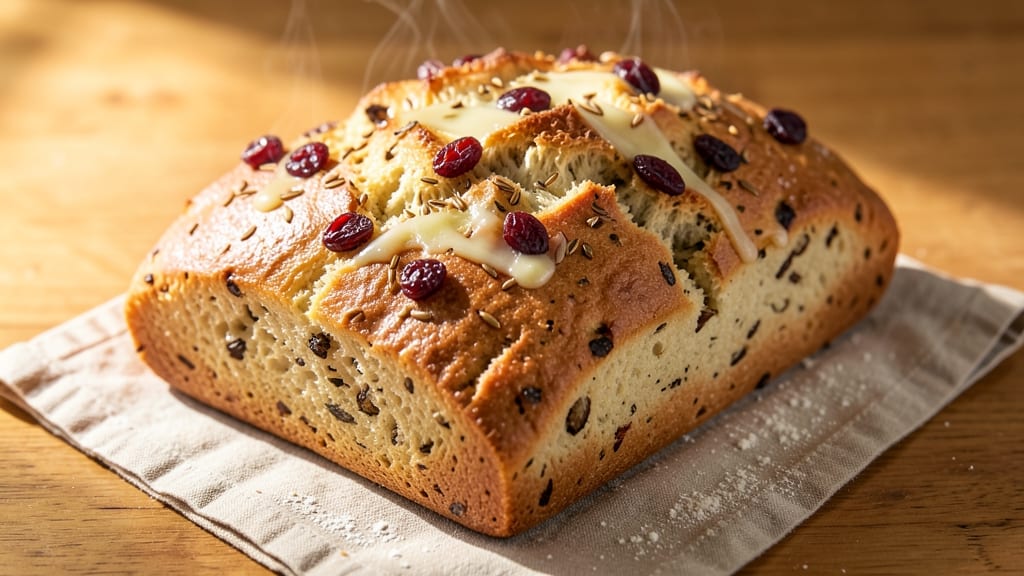
Amy’s raisin fennel bread recipe delivers anise-infused sweetness with a crunchy top that becomes the star of any dinner table. The subtle warmth of fennel seeds and plump raisins creates a flavor profile that's both comforting and sophisticated—perfect for pairing with soups, cheeses, or enjoying on its own.
I developed this version after years of testing, ensuring the dough rises properly in home ovens without requiring specialized equipment.
The key to success lies in balancing the fennel's licorice notes with the natural sweetness of raisins, creating a bread that's neither too heavy nor too delicate. A 30-minute knead followed by a 2-hour rise allows the gluten to develop fully while letting the flavors meld together.
The scoring technique before baking ensures that crispy top you can't resist breaking into pieces for fresh bread.
What you'll end up with is a loaf that's golden brown on top with a tender crumb inside, studded with chewy raisins and aromatic fennel seeds. The crust develops a satisfying crunch that gives way to moist, flavorful bread beneath.
This recipe transforms a simple side dish into a showstopping centerpiece that tastes even better the next day.
Whether you're serving it warm from the oven or toasted the following morning, this bread adapts perfectly to any meal. The foolproof method ensures consistent results every time, making it ideal for both beginners and experienced bakers. Let's get started on creating this restaurant-worthy loaf at home.
Ingredients for amy's raisin fennel bread
Eight essential ingredients transform into a fragrant, crusty loaf with anise-kissed sweetness and chewy raisins.
| Ingredient | Amount | Notes |
|---|---|---|
| All-Purpose Flour 🌾 | 5 cups | Sifted for optimal texture |
| Active Dry Yeast 🍞 | 2 ¼ tsp | Fresh yeast preferred |
| Granulated Sugar 🍚 | ¼ cup | White or light brown |
| Whole Milk 🥛 | 1 ¼ cups | Room temperature |
| Large Eggs 🥚 | 2 whole | Room temperature |
| Unsalted Butter 🧈 | ½ cup | Cold, cubed |
| Fennel Seeds 🌿 | 2 tsp | Toasted for aroma |
| Sea Salt 🧂 | 1 ½ tsp | Diamond Crystal preferred |
| Plump Raisins 🍇 | 1 ½ cups | Soaked in warm water |
| Extra-Virgin Olive Oil 🫒 | 2 tbsp | For dough handling |
| Cornmeal 🌽 | ¼ cup | For dusting baking sheet |
The fennel seeds are the heart of this recipe—toast them lightly in a dry pan before grinding to deepen their aromatic profile. For optimal freshness, source them from Whole Foods bulk section or Penzeys Spices, where they retain their vibrant color and potent flavor. Raisins should be plump and moist; Sun-Maid brand is a reliable choice, but any organic variety works. The yeast must be active—test it in warm milk before proceeding. For the flour, opt for King Arthur brand if available, as its high protein content ensures proper gluten development during the 30-minute knead.
No whole milk? Substitute with warmed water plus 1 tbsp melted butter to maintain dough elasticity. Short on raisins? Dried cranberries or chopped dates add complexity, though they alter the sweetness profile. The fennel seeds can be omitted entirely if anise flavor is undesirable, but the bread will lose its signature depth. For a nutty variation, fold in 0.5 cup toasted walnuts during the final knead. The olive oil is non-negotiable—its fruity notes complement the fennel, so avoid refined varieties. If using pre-shredded cheese in future variations, remember it contains anti-caking agents that can dry out dough.
This dough requires 2 hours of proofing at room temperature, then an additional 30 minutes in a warm oven before baking. Store the baked loaf in a paper bag at room temperature for up to 3 days to preserve its crispy crust. For longer storage, wrap tightly in plastic wrap and freeze for up to 3 months. To revive, toast slices in a 350°F oven for 5 minutes. The cornmeal prevents sticking during scoring—sprinkle generously on the baking sheet before shaping. Leftovers? Toast and freeze in 1-slice portions for quick breakfasts.
Why You'll Love This Recipe
- No-Fuss Dough: The milk and eggs make this dough ridiculously forgiving—no kneading, no fuss. I’ve made this with cold hands, distracted kids, and even a mismeasured cup of flour, and it always comes together. Honestly, the yeast blooms so fast that you’ll wonder why you ever dreaded bread-making.
- Sweet-Savory Magic: That combo of raisins and fennel? It’s like a warm hug for your taste buds. The raisins plump up just enough to burst with each bite, while the fennel adds this earthy, almost licorice-like depth that keeps you reaching for another slice. (Yes, even on a Tuesday night.)
- Weeknight Workhorse: This bread is my go-to for breakfast toast, lunch sandwiches, or even a quick charcuterie board. The crust stays fresh for days, and the slices toast up perfectly—no sad, dry edges. Between us, I’ve used it to soak up soup, pair with cheese, and even as a base for bruschetta. It’s that adaptable.
- Budget-Friendly Staple: You’re using pantry basics—flour, sugar, eggs—so it’s cheap to make but never feels cheap. A single batch feeds my family of four for days, and the leftovers? They disappear faster than I can say “second breakfast.” I’ll be real: this is the kind of bread that makes grocery shopping feel like a win.
Step-by-step instructions for amy's raisin and fennel bread
This anise-infused loaf delivers a perfect balance of sweetness and crunch with a crisp golden crust.
Prepare the Raisins and Toast the Fennel Seeds
Begin by soaking the 1.5 cups plump raisins in warm water for 15 minutes to plump them slightly. Drain well before using, as excess moisture can interfere with the yeast activation. In a dry skillet over medium-low heat, toast the 2 tsp fennel seeds for 2-3 minutes until fragrant and lightly browned. Let them cool completely before adding to the dough—their aroma will infuse the entire loaf.
This preparation step is crucial. The raisins should be plump but not waterlogged, and the fennel seeds must be toasted to release their full anise flavor. If you skip toasting, you'll miss that distinctive licorice-like depth that makes this bread special. Store the toasted seeds in a small bowl until ready to use.
Activate the Yeast and Mix the Dough
In a large mixing bowl, combine the 1.25 cups room-temperature whole milk, 0.25 cup granulated sugar, and 2.25 tsp active dry yeast. Let this mixture sit for 5-10 minutes until it becomes frothy and bubbles form on the surface—this confirms the yeast is active. If it doesn't bubble within 10 minutes, your yeast may be expired.
Add the 2 whole room-temperature large eggs, 0.5 cup cold cubed unsalted butter, and 1.5 tsp sea salt to the yeast mixture. Using a stand mixer fitted with the dough hook attachment, mix on low speed until the butter begins to incorporate. Gradually add the 5 cups sifted all-purpose flour and mix on medium speed for 3-4 minutes until the dough comes together and pulls away from the sides of the bowl. The dough should be slightly sticky but manageable.
Knead the Dough and Incorporate Raisins
Continue kneading the dough for an additional 5-7 minutes on medium speed until it becomes smooth and elastic. Test for proper kneading by performing the "windowpane test": stretch a small piece of dough between your fingers until it thins to a translucent membrane—it should be pliable without tearing. If it resists, knead for another 2 minutes.
Transfer the dough to a lightly floured surface and gently fold in the drained 1.5 cups plump raisins and toasted 2 tsp fennel seeds. Be careful not to overwork the dough at this stage, as the raisins can tear and release excess moisture. Shape the dough into a round loaf and place it back in the bowl. Cover with a damp towel and let it rise in a warm place for 1-1.5 hours, or until it has doubled in size. The dough should feel light and springy when pressed gently with a finger.
Shape and Proof the Final Loaf
Punch down the risen dough to release air, then shape it into an oval loaf on a parchment-lined baking sheet. Brush the top generously with 2 tbsp extra-virgin olive oil, then sprinkle evenly with 0.25 cup cornmeal for texture. Cover loosely with the damp towel and let it proof for an additional 30-45 minutes until it rises slightly and feels firm to the touch. Preheat your oven to 375°F during this final proofing stage.
This shaping step is where the bread's signature texture begins to form. The olive oil creates a glossy finish and enhances browning, while the cornmeal adds crunch to the crust. Avoid over-proofing, or the loaf may collapse during baking. The proof is complete when the dough springs back slowly when pressed with a finger.
Bake to a Golden, Crisp Crust
Bake the loaf in the preheated 375°F oven for 30-35 minutes, until the top is deep golden brown and the internal temperature reaches 190°F. Rotate the baking sheet halfway through for even browning. If the crust begins to darken too quickly, tent the loaf with aluminum foil to prevent over-browning while allowing the interior to cook through.
Remove the bread from the oven and let it cool on a wire rack for at least 30 minutes before slicing. This resting period allows the crumb to set and the flavors to meld. The finished loaf should have a crisp, crackly crust with a tender, slightly sweet interior studded with plump raisins and infused with the warm, anise-like aroma of fennel. Slice into 8 even portions for serving.
Pro Tips For Making Amy'S Raisin Fennel Bread
- Bloom Yeast Properly: Warm your whole milk to 105–110°F (just warm to the touch) before mixing it with yeast and sugar—this guarantees a lively, fast rise. I learned this the hard way after staring at a sluggish dough for 2 hours wondering why it wasn’t budging.
- Toast the Fennel Seeds: Dry-toast your fennel seeds in a skillet for 30 seconds until fragrant before grinding them—this deepens their flavor and prevents bitterness. Skip this, and you’ll taste raw, grassy notes instead of that warm anise kick.
- Knead Until Silky: Aim for a dough that’s smooth and slightly tacky, not sticky or crumbly—about 8–10 minutes by hand or 5–6 minutes with a stand mixer. My first loaf turned out dense because I thought "enough" meant "less effort."
- Proof in a Warm Spot: Place your shaped dough in a lightly oiled bowl, cover it with a damp towel, and let it rise in a turned-off oven with the light on (or a proofing box at 78°F) for consistent, predictable expansion. Cold kitchen? This cuts rise time from 2+ hours to 45–60 minutes.
Common mistakes when making this recipe
Yeast Activation Failures
Skipping the yeast activation test is a common mistake that can ruin your entire loaf. Always test your yeast in warm milk first—it should bubble vigorously within 5-10 minutes. I've ruined multiple batches by assuming yeast was fresh when it wasn't. If your yeast doesn't bubble, replace it immediately.
Cold milk or water can also kill yeast, so ensure your milk is room temperature (around 75°F). 🔥
Over-Kneading the Dough
Kneading for too long develops excessive gluten, resulting in a tough, dense loaf instead of the tender crumb you want. The dough should be smooth and elastic after 8-10 minutes total kneading time (including the initial mix).
I once kneaded for 20 minutes by accident and ended up with bread that resembled a hockey puck. Use the windowpane test—if the dough stretches thin without tearing, it's perfect.
Skipping Fennel Seed Toasting
Many home bakers overlook toasting the fennel seeds, which is crucial for releasing their full anise flavor. Untosted seeds will make your bread taste bland and underseasoned. Toast them in a dry pan for 2-3 minutes until fragrant.
I recommend storing toasted seeds in a small airtight container until ready to use. This simple step makes all the difference in flavor depth.
Improper Raisin Preparation
Using raisins straight from the package without soaking can lead to uneven distribution and a dry texture. Soak them in warm water for 15 minutes to plump them slightly before adding to the dough. Drain thoroughly to avoid making the dough too wet.
I've seen recipes where raisins stayed hard and dry—don't make that mistake. For extra flavor, toss soaked raisins with a pinch of cinnamon before adding to the dough.
Incorrect Proofing Conditions
Proofing in a cold kitchen slows yeast activity, while proofing too long causes the dough to collapse during baking. The ideal proofing environment is 75-80°F with 50-60% humidity. If your kitchen is chilly, place the dough near a warm oven (turned off) or use a proofing box.
I once left my dough to rise overnight in the fridge by accident—it never recovered. For best results, proof for 1-1.5 hours at room temperature, then do a final 30-minute proof before baking.
Scoring Too Late or Too Early
Scoring should happen right before baking when the dough has risen but hasn't started baking yet. If you score too early, the dough may collapse. If you score too late, the crust may already be set.
Use a sharp razor blade or bread lame to make a ½-inch deep cut along the top. I recommend practicing on a separate dough scrap first to get the right pressure. The score should be deep enough to allow the bread to expand but not tear the dough.
Nutrition facts
Frequently asked questions
Can I substitute raisins with dried fruit?
For a similar texture, use 1.5 cups dried cranberries or chopped dates instead of raisins. Cranberries add a tart contrast that pairs well with the fennel's sweetness, while dates create a caramelized flavor when baked. Soak them for 10-15 minutes first to prevent dryness in the dough.
Why does my bread taste bland?
The most common reason is skipping the fennel seed toasting step. Toasting releases their full anise flavor—untosted seeds won't provide that signature depth. Also check your yeast: expired yeast or cold milk can kill flavor development. For extra richness, brush the baked loaf with honey-glazed butter after cooling.
How do I store leftovers?
Wrap the cooled loaf in a paper bag at room temperature for up to 3 days to maintain crispness. For longer storage, freeze slices in 1-slice portions for quick toasting. To revive, bake frozen slices at 350°F for 5 minutes until warmed through.
Can I make this bread without a stand mixer?
Yes! Mix the dough by hand in a large bowl using a wooden spoon, then knead on a floured surface for 10-12 minutes until smooth. The dough should be elastic and pass the windowpane test. For extra strength, use your knuckles to press and fold the dough rather than stretching it.
What's the best way to serve this bread?
Warm slices make perfect toast for breakfast with butter or jam, or serve as a side with soups and stews. The crusty top also works well for French toast—slice thickly and soak in an egg-milk batter before pan-frying. For a festive touch, dust with powdered sugar before serving.