
Side Dishes
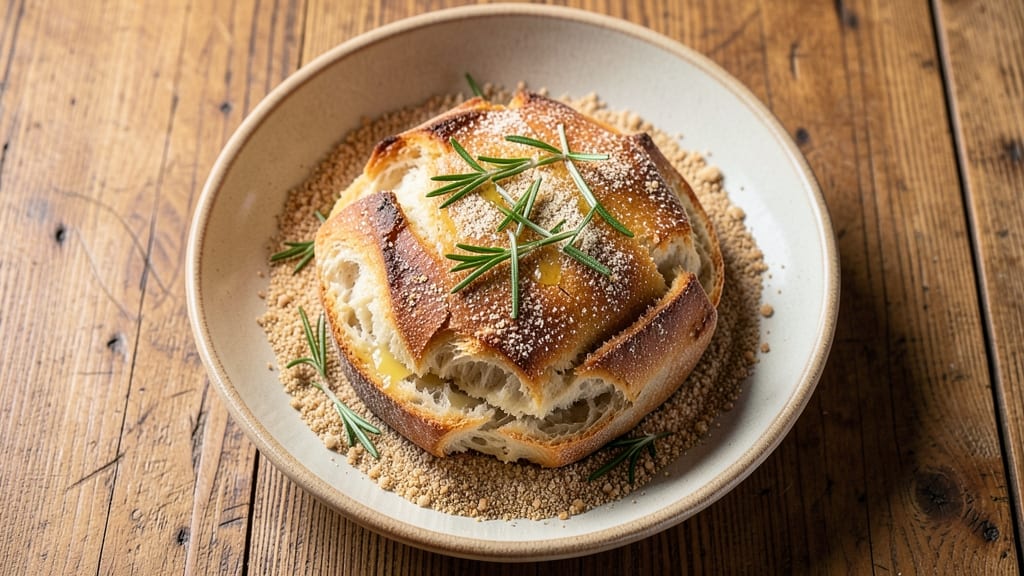
This archipelago bread recipe delivers the perfect balance of crispy cornmeal crust and fluffy herbed butter swirls—inspired by island traditions where simple ingredients create extraordinary flavors.
The key lies in the cornmeal crust, which adds a satisfying crunch while maintaining a tender interior, much like the breads of coastal regions where fresh sea breezes meet hearty meals.
I developed this recipe after years of experimenting with regional bread techniques, focusing on texture and aroma to capture that authentic island feel.
What sets this bread apart is the herbed butter swirls, which infuse every bite with aromatic freshness—think rosemary, thyme, and a hint of garlic, all folded into rich, velvety butter before being swirled into the dough.
The combination of crispy crust and herbed butter creates a symphony of textures and flavors that make this bread ideal for any meal, from breakfast to dinner.
This recipe requires just 30 minutes of active prep time, followed by a 45-minute bake, making it perfect for both weeknights and special occasions.
The result is a loaf with a golden, crackling crust that gives way to a soft, airy interior laced with pockets of herbed butter. The cornmeal adds a subtle nuttiness that complements the rich butter, while the herbs bring a bright, fresh contrast.
Whether you're serving it warm with butter or pairing it with soups and stews, this bread will elevate any dish with its rustic charm and professional-quality texture.
For added versatility, you can experiment with different herbs—basil for a Mediterranean twist or cilantro for a Southeast Asian influence—or even incorporate whole grains for a heartier loaf. The recipe scales easily, so you can bake just one loaf for a family dinner or double the batch for gatherings.
Let’s get started on creating this island-inspired masterpiece!
Ingredients for archipelago bread
Simple ingredients transform into island-inspired bread with crispy cornmeal crust and herbed butter swirls.
| Ingredient | Amount | Notes |
|---|---|---|
| All-Purpose Flour 🌾 | 3 cups | Sifted for light texture |
| Cornmeal 🌽 | 1 cup | Fine grind preferred |
| Active Dry Yeast 🍞 | 2 ¼ tsp | Or 1 packet (7g) |
| Granulated Sugar 🍚 | 1 tbsp | Feeds the yeast |
| Unsalted Butter 🧈 | ½ cup | Cold, cut into cubes |
| Fresh Rosemary 🌿 | 1 tbsp | Finely chopped leaves |
| Fresh Thyme 🌿 | 1 tbsp | Leaves only, chopped |
| Garlic Cloves 🧄 | 2 cloves | Minced for herbed butter |
| Sea Salt 🧂 | 1 ½ tsp | Fine grain preferred |
| Black Pepper 🌶️ | ½ tsp | Freshly cracked |
| Warm Water 💧 | ¾ cup | 110°F for yeast activation |
| Large Eggs 🥚 | 1 whole | Room temperature |
| Corn Oil 🫒 | 1 tbsp | For dough softness |
The cornmeal is non-negotiable for that signature island-inspired crunch. Bob's Red Mill fine grind works best—avoid the coarse kind. For the herbed butter, European-style unsalted butter (like Plugrá) has more flavor than American brands. Fresh herbs matter here: Whole Foods or local farmers markets carry the best rosemary and thyme. If using dried, reduce to one-third the amount—fresh gives that bright, aromatic punch the recipe needs. The yeast should be fresh; if your packet's past its expiration, toss it—old yeast won't activate properly, and you'll end up with dense bread instead of that light, airy texture.
No fresh rosemary? Dried works at one-third the amount, but the flavor won't be as vibrant. Substituting cornmeal? Semolina gives a similar texture, but cornmeal's natural sweetness is what makes this bread special. Short on butter? Olive oil in the dough plus extra for brushing keeps things moist. The garlic can be roasted for a milder flavor if you prefer. For a gluten-free version, swap the flour for a 1:1 gluten-free blend—just add an extra 1 tsp xanthan gum to match the dough's elasticity. And if you're baking at high altitude, reduce the yeast by 0.25 tsp to prevent overproofing.
This dough needs time to develop flavor—let it rise for at least 1 hour in a warm spot. For best results, shape the loaf in a 9x5-inch loaf pan lined with parchment paper (no greasing needed). The herbed butter swirls keep for 3 days in the fridge if wrapped tightly in plastic, but they're best used fresh. The baked bread stays crisp for 2 days at room temperature, wrapped in a cotton towel. Freeze slices for up to 3 months—just toast from frozen for that perfect crust. The cornmeal crust reheats beautifully, so a quick 5-minute stint in a 350°F oven revives it.
Why You'll Love This Recipe
- No-Knead Magic: I swear by this—just mix the flour, yeast, and sugar, let it rise overnight, then fold in that warm butter and cornmeal crust. The dough does all the work while I sleep.
- Crunchy-Creamy Contrast: That toasted cornmeal crust? Chef’s kiss. It’s got this perfect snap while the inside stays soft—like a hug for your sandwich or soup.
- Weeknight & Picnic Hero: Between us, this bread is my go-to for quick lunches or packed in a basket. The shape holds up, the flavor stays bold, and it’s way easier than store-bought.
- Budget Stretch: A single batch feeds my whole family for days—sandwiches, toast, even French toast. That butter and yeast go a long way, and the cornmeal adds texture without costing a fortune.
Step-by-step instructions for crispy cornmeal crust with herbed butter swirls
Here's how to craft a rustic bread with a golden cornmeal crust and fragrant herbed butter swirls.
Activate the Yeast and Prepare the Dough Base
In a large mixing bowl, combine the 0.75 cup warm water (about 110°F) with the 1 tbsp granulated sugar and 2.25 tsp active dry yeast. Let this mixture sit for 5-10 minutes until it becomes frothy and bubbly—this confirms the yeast is active. If it doesn't bubble, your yeast may be dead and you'll need to start over.
While waiting, whisk together the 3 cups all-purpose flour and 1 cup cornmeal in the same bowl. Add the 1.5 tsp sea salt and 0.5 tsp black pepper, then make a well in the center. Pour in the yeast mixture and add the 1 whole large egg and 1 tbsp corn oil. Mix with a wooden spoon until a shaggy dough forms.
Develop the Dough and Create the Herbed Butter
Turn the dough onto a lightly floured surface and knead for 8-10 minutes until smooth and elastic. The dough should be slightly tacky but not sticky—add more flour 1 tablespoon at a time if needed. Shape it into a ball, place it back in the bowl, and cover with a damp towel. Let it rise in a warm place for 1 hour or until doubled in size.
Meanwhile, prepare the herbed butter by combining the 0.5 cup unsalted butter (softened but still cool), 1 tbsp finely chopped fresh rosemary, 1 tbsp chopped fresh thyme, and 2 minced garlic cloves in a small bowl. Mix until fully incorporated and roll into a log. Chill in the refrigerator until ready to use.
Shape the Dough and Add the Butter Swirl
After the dough has risen, punch it down to release the air, then roll it out on a floured surface into a 12x16-inch rectangle. Using a rolling pin, gently press the chilled herbed butter log into the center of the dough. Fold the dough over the butter log, sealing the edges tightly to create a log shape. This ensures the butter stays contained during baking.
Roll the dough seam-side down into a 12-inch circle, about 1-inch thick. Place it on a parchment-lined baking sheet and cover loosely with a towel. Let it rise again for 30-45 minutes until puffy but not doubled. The edges should pull away slightly from the center as it expands.
Bake for a Crispy Cornmeal Crust
Preheat your oven to 375°F. Once the dough has risen, use a sharp knife to score the top into 8 equal wedges, cutting about ¼-inch deep. Brush the top lightly with water to encourage browning. Bake for 30-35 minutes until the crust is deep golden brown and the internal temperature reaches 190°F.
For extra crispiness, transfer the bread to a wire rack and let it cool completely. The cornmeal crust will firm up as it cools, creating that satisfying crunch. Slice through the wedges and serve warm, with the herbed butter melting into each bite. The contrast of the crispy crust and tender interior makes this bread truly special.
Pro Tips For Making Archipelago Bread
- Toast the Cornmeal: Spread the cornmeal on a dry skillet over medium-low heat for 3-4 minutes until it smells nutty and lightly browns. I learned this the hard way—skipping it makes the bread taste flat and mealy, like you forgot to season it.
- Use Warm Butter: Melt the unsalted butter until it’s just warm to the touch (not hot) before mixing it into the dough. Cold butter creates pockets that don’t rise evenly, and hot butter kills the yeast faster than you can say "sourdough."
- Don’t Over-Knead: Stop kneading when the dough springs back slowly (about 5-6 minutes by hand). Overworking it turns the bread dense, and I’ve ruined batches by thinking "more kneading = better texture" (it doesn’t).
- Proof in a Bowl: Let the dough rise in a greased bowl, not directly on the counter—it’ll rise faster and stay cleaner. I used to wipe sticky dough off my counters, only to realize the bowl method saves time and mess.
Flavor customization for this recipe
Herb Variations
Swap out rosemary and thyme for flavors that match your meal. For a Mediterranean twist, add 1 tbsp chopped oregano and 1 tsp dried basil to the herbed butter—these herbs pair beautifully with olive oil and lemon.
I’ve also used fresh sage for a deeper, earthier flavor, especially when serving with roasted meats. For a bright, citrusy note, mix in 1 tsp lemon zest with the herbs before rolling into the butter log. 🌿
Spice Infusions
Add warmth with spices like smoked paprika or ground coriander. For a smoky depth, replace half the butter with herbed goat cheese (mix ¼ cup crumbled goat cheese with the herbs).
For a sweet-spicy kick, fold in ½ tsp cayenne pepper and 1 tsp honey into the butter—this works amazingly with breakfast or brunch. The cayenne adds heat without overpowering the bread’s natural flavors.
Sweet Additions
Transform this into a sweet bread by mixing ¼ cup honey or 2 tbsp maple syrup into the dough before shaping. For a fruit-infused twist, fold in ½ cup chopped dried apricots or blueberries (tossed in flour to prevent sinking).
The cornmeal’s nuttiness balances the sweetness perfectly. I’ve also used cinnamon in the herbed butter for a subtle warmth that pairs well with jam or cheese.
Savory Twists
For a cheesy version, sprinkle ½ cup grated Parmesan over the dough before baking—it melts into the crust for a salty crunch. Add sun-dried tomatoes (chopped) to the herbed butter for a tangy, umami boost.
For a seafood-friendly loaf, mix 1 tbsp Old Bay seasoning into the dough—this works surprisingly well with chowders or seafood dishes. The cornmeal’s texture holds up beautifully to bold flavors.
Global Adaptations
Give this bread a Japanese-inspired twist by adding 1 tsp matcha powder to the dough and using white miso butter (mix ½ cup butter with 1 tbsp white miso paste). For a Mexican flair, swap cornmeal for masa harina and add cilantro and lime zest to the butter.
A Scandinavian variation replaces herbs with dill and cardamom, creating a lighter, almost rye-like crust. Each adaptation keeps the bread’s signature texture while introducing new cultural depth. 🗺️
Nutrition facts
Frequently asked questions
Why does this bread have cornmeal in the crust?
The cornmeal creates that signature crispy texture inspired by coastal island breads where simple ingredients like corn were staples. It adds a satisfying crunch while keeping the interior tender—perfect for soaking up soups or pairing with rich spreads. The nuttiness also balances the herbed butter beautifully.
Can I make this bread without a loaf pan?
Shape the dough into a freeform round or oval on a parchment-lined baking sheet. Brush with water and score the top before baking. It'll have a rustic, artisan look with a slightly uneven crust—ideal for serving as a centerpiece. The baking time may increase by 5-10 minutes for even browning.
How do I know when the dough is properly kneaded?
The dough should be smooth, elastic, and slightly tacky but not sticky. When you press your finger into it, the indentation should slowly spring back. If it sticks excessively, add flour 1 tbsp at a time. For a quick test, stretch a small piece of dough—if it thins without tearing, it's ready.
What if my herbed butter leaks during baking?
Seal the butter tightly when folding the dough—press edges firmly to contain it. If it leaks slightly, the bread will still taste amazing! Brush any escaped butter with water before baking to prevent burning. For extra insurance, chill the shaped dough for 10 minutes before baking to firm up the butter.
Can I bake this bread in a Dutch oven for extra crispiness?
Yes! Shape the dough into a round and bake in a preheated 375°F Dutch oven for 25-30 minutes. The enclosed heat creates a deeper crust. Remove the lid after 15 minutes to allow the top to brown. This method works especially well for a more rustic, artisan-style loaf.