
Main Courses
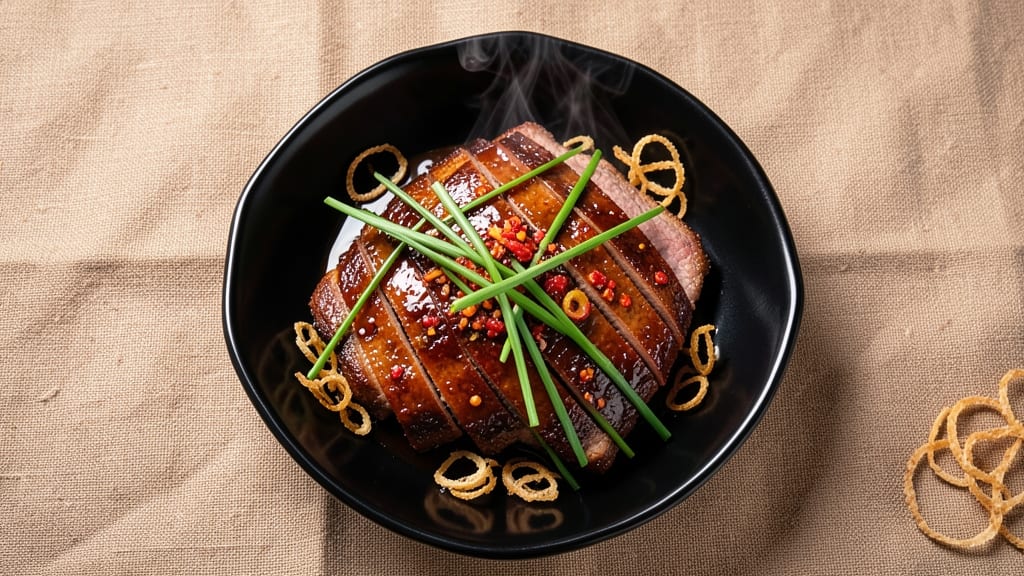
This Asian beef brisket recipe delivers restaurant-quality depth with a smoky-sweet glaze that caramelizes the edges into irresistible crispness. After years of perfecting the balance between tender meat and complex flavors, I’ve developed a method that transforms tough brisket into melt-in-your-mouth perfection—no shortcuts, just precise technique.
The key lies in a marinade infused with soy, ginger, and five-spice powder, followed by a slow cook that develops rich, layered flavors.
The process begins with a 24-hour marinade that tenderizes the meat while infusing it with aromatic depth. Whether you choose to braise, grill, or slow-cook, the result is the same: brisket that falls apart at the touch of a fork.
The smoky-sweet glaze, made with a blend of hoisin, brown sugar, and chili paste, caramelizes beautifully during the final cooking stage, creating a glossy, sticky finish that clings to every bite.
What you’ll end up with is a dish that’s visually stunning and deeply satisfying—golden edges with tender, juicy meat beneath, all coated in a glaze that’s both sweet and savory.
This recipe is designed to impress, whether you’re serving it at a dinner party or simply treating yourself to a weeknight indulgence. The sides—steamed jasmine rice and quick-pickled vegetables—complement the brisket perfectly, rounding out the meal.
For those looking to elevate their cooking game, this method is foolproof yet adaptable—you can adjust the cooking time based on your preferred texture or even experiment with different glazes.
The secret to success lies in patience and attention to detail, ensuring every element comes together harmoniously. Let’s get started on creating a dish that’s sure to become a family favorite.
Ingredients for asian beef brisket
Sixteen ingredients, one transformative dish—where smoky-sweet meets melt-in-your-mouth perfection.
| Ingredient | Amount | Notes |
|---|---|---|
| Beef Brisket 🥩 | 4 lb | Flat cut, 1-inch thick slices |
| Soy Sauce 🍶 | ½ cup | High-quality, low-sodium preferred |
| Brown Sugar 🍚 | ½ cup | Light or dark, packed |
| Hoisin Sauce 🍶 | ¼ cup | For authentic depth |
| Red Chili Paste 🌶️ | 2 tbsp | Adjust for heat preference |
| Fresh Ginger 🧄 | 3 tbsp | Grated, aromatic |
| Five-Spice Powder 🌶️ | 1 tbsp | Authentic Chinese blend |
| Garlic Cloves 🧄 | 6 cloves | Minced, fresh preferred |
| Sesame Oil 🫒 | 1 tbsp | Toasted, for aroma |
| Honey 🍯 | 2 tbsp | Wildflower preferred |
| Rice Vinegar 🍶 | 1 tbsp | For brightness |
| Diamond Crystal Kosher Salt 🧂 | 1 ½ tsp | For seasoning |
| Fresh Cilantro 🌿 | ¼ cup | Chopped, for garnish |
| Green Onions 🧅 | 4 whole | Sliced, for garnish |
The brisket is non-negotiable here—flat cut, 1-inch thick slices ensure even cooking and maximum tenderness. Costco or Whole Foods carry the best quality, but your local butcher can trim it perfectly if you ask. Look for good marbling and vibrant color; anything grayish means it's past its prime. I always buy extra because this recipe tastes even better the next day. The soy sauce? Kikkoman or Pearl River Bridge are my go-tos—they’ve got that perfect balance of salt and umami that’s essential for the marinade. Don’t skimp on the ginger either; freshly grated (not powdered) adds a punch that dried just can’t match.
No hoisin sauce? Substitute 1 tbsp extra soy sauce plus 1 tsp brown sugar—it’s not identical, but it’ll get you close. Short on five-spice powder? Mix 1/4 tsp each of cinnamon, cloves, fennel, star anise, and black pepper. The chili paste can be swapped for sriracha or sambal oelek, but taste first—some brands are way hotter. The garlic and ginger can be pulsed in a food processor for speed, but I swear by the hand-grated version. The sesame oil is just for aroma here—add it last so it doesn’t cook off. And if you’re missing the rice vinegar, apple cider vinegar works, though it’ll have a slightly different tang.
Marinated brisket keeps 3-4 days in the fridge, sealed in a zip-top bag. The cooked brisket? 4-5 days in the fridge or 3 months frozen. I like to slice it thin against the grain and portion it into airtight containers for easy lunches. The glaze can be made ahead and reheated gently—it thickens as it cools, so just add a splash of water if it’s too stiff. Garnishes like cilantro and green onions stay fresh for 5 days wrapped in damp paper towels, but honestly, I usually toss them in right before serving so they’re at their peak.
Why You'll Love This Recipe
- One-Pot Magic: I swear by this recipe when I’m too tired to wash another dish. The brisket simmers right in the sauce—no extra pans, no fuss—just rich, sticky goodness that practically falls apart on its own.
- Sweet-Heat Balance: That combo of brown sugar and red chili paste? It’s the kind of flavor you’ll reach for again. The soy and hoisin caramelize into a glossy glaze that’s dangerously addictive, especially when the brisket gets tender enough to shred.
- Meal Prep MVP: Between us, this is my go-to for busy weeks. Cook a big batch on Sunday, and you’ve got flavorful leftovers for sandwiches, rice bowls, or even stuffed into buns—no sad lunches here.
- Budget Stretch: Brisket’s affordable, and the sauce stretches it into multiple meals. Honestly, I’ve fed a crowd for under $15 per person with this, and no one ever guesses it’s the cheaper cut. (My secret weapon.)
Step-by-step instructions for Asian beef brisket with caramelized edges
This method transforms tough brisket into melt-in-your-mouth perfection with a glossy, sweet-spicy glaze.
Prepare the Brisket and Glaze Base
Begin by slicing the 4 lb beef brisket into 1-inch thick slices against the grain for maximum tenderness. Pat each slice dry with paper towels—this ensures the glaze sticks properly and creates a beautiful caramelized crust. In a small bowl, whisk together the 0.5 cup soy sauce, 0.5 cup brown sugar, 0.25 cup hoisin sauce, 2 tbsp red chili paste, 3 tbsp fresh ginger, 1 tbsp five-spice powder, and 1.5 tsp diamond crystal kosher salt until fully combined. The mixture should be thick and syrupy, with a deep reddish-brown hue.
Here's the thing—don't rush the prep. The ginger and garlic need to be finely minced for even distribution, and the sugar must dissolve completely to prevent grainy spots on the brisket. Taste the glaze mixture now; it should balance sweet, salty, and umami flavors with a subtle heat. If it's too sweet, add a splash of 1 tbsp rice vinegar to brighten it up.
Marinate and Sear the Brisket
Place the sliced brisket in a shallow dish and pour the glaze mixture evenly over the top, ensuring each piece is fully coated. Let it marinate for at least 30 minutes (up to 2 hours for deeper flavor penetration). While it marinates, heat a large skillet over medium-high heat and add 1 tbsp sesame oil. Once shimmering, add the brisket slices in a single layer, leaving space between each piece.
Sear undisturbed for 2-3 minutes per side until deep golden brown with caramelized edges. You'll know it's ready when the glaze begins to bubble and the meat develops a rich, aromatic crust. Avoid overcrowding the pan—this prevents proper browning. If the glaze burns before the meat is fully cooked, reduce the heat slightly and continue searing. Transfer the seared brisket to a plate and tent loosely with foil to keep warm.
Simmer in the Glaze Until Tender
Return the skillet to the heat and add 2 tbsp honey and 1 tbsp rice vinegar to the pan, scraping up any browned bits from the bottom. Pour in enough water to just cover the bottom of the pan (about ½ cup) and bring to a gentle simmer. Return the brisket to the skillet, spooning the glaze mixture over the top. Cover and reduce heat to low, allowing the brisket to steam and simmer for 1 hour to 1 hour 15 minutes. You're aiming for fork-tender meat with a glossy, sticky glaze.
Check for doneness by piercing the thickest slice with a fork—it should slide in easily with minimal resistance. If the glaze reduces too quickly and becomes too thick, add 1-2 tablespoons of water at a time to maintain a syrupy consistency. The aroma at this stage should be intoxicating: sweet, smoky, and slightly spicy with underlying notes of five-spice warmth.
Finish with Fresh Herbs and Garnish
Once the brisket is perfectly tender, transfer it to a serving platter and let it rest for 5 minutes. This resting period allows the juices to redistribute, ensuring each bite is moist and flavorful. While it rests, finely chop the 0.25 cup fresh cilantro and slice the 4 whole green onions into ¼-inch rounds. Spoon any remaining glaze from the skillet over the brisket, then sprinkle with the chopped cilantro and green onions.
Serve immediately for the best texture and flavor contrast—the crisp freshness of the herbs cuts through the rich, caramelized glaze. Each slice should be fork-tender with a glossy sheen, offering layers of sweet, savory, and spicy notes in every bite. Pair with steamed jasmine rice to soak up every last bit of that luscious glaze.
Pro Tips For Making Asian Beef Brisket
- Trim the Fat First: Slice off that thick fat cap before cooking—it’s not just for flavor, it’s for even browning. I used to leave it on, and half my brisket would steam instead of caramelize in the soy and brown sugar mix.
- Balance the Sweet Heat: Start with half the red chili paste, then adjust to taste—brisket absorbs heat differently than quick stir-fries. I learned this after serving a plate that made my guests’ eyes water.
- Braise Low and Slow: After searing, drop the heat to 275°F (135°C) and cover with foil—this keeps the brisket tender without drying it out. My first attempt at high heat left me with chewy, sad meat.
- Deglaze with Soy Early: Scrape up those browned bits with a splash of soy sauce right after searing—it builds deeper flavor than waiting. I skipped this once and regretted the dull taste.
Creative variations of this asian beef brisket
Japanese Teriyaki Twist
Swap the hoisin for ¼ cup teriyaki sauce (like Kikkoman Teriyaki) and add 1 tbsp mirin to the marinade for a glossier finish. Use 1 tbsp grated daikon radish instead of ginger, and finish with a drizzle of yuzu kosho for a citrusy kick.
Cook the brisket slices in a cast-iron skillet> over medium heat> for 3-4 minutes per side to get that classic teriyaki sheen. 🍶
Korean BBQ Fusion
Infuse the marinade with 2 tbsp gochujang and 1 tbsp sesame paste, then add 1 tbsp toasted sesame seeds to the glaze. Slice the brisket thinly against the grain and grill over indirect heat for 45-60 minutes until caramelized.
Serve with kimchi and steamed rice> for a bold, fermented contrast. The gochujang adds a deep, spicy-sweet complexity that’s irresistible. 🌶️
Thai-Inspired Glaze
Replace the hoisin with ¼ cup fish sauce and add 1 tbsp palm sugar and 1 tbsp lemongrass paste to the marinade. For the glaze, mix 2 tbsp red curry paste with 1 tbsp coconut milk> and brush it on during the final 5 minutes> of cooking.
Finish with thinly sliced Thai basil> and a squeeze of lime. The result is a tangy, aromatic twist with a bright finish. 🌿
Vietnamese Caramelized Version
Use 2 tbsp fish sauce> and 1 tbsp sugar> in the marinade, then add 1 tbsp nuoc mam chua> (Vietnamese fermented fish sauce) to the glaze. Cook the brisket in a clay pot> over low heat> for 2 hours> to develop deep, caramelized flavors.
Garnish with bean sprouts> and mint leaves> for a fresh, crunchy contrast. This version is lighter but packed with umami richness. 💫
Spicy Sichuan Style
Add 1 tbsp Sichuan peppercorns> (toasted and ground) and 1 tbsp doubanjiang> (fermented chili bean paste) to the marinade. For the glaze, mix 2 tbsp black vinegar> and 1 tbsp chili oil> and brush it on during the last 10 minutes> of cooking.
The result is a numbing, spicy kick with a deep, smoky flavor. Serve with steamed buns> for a comforting, handheld meal. 🔥
Nutrition facts
Frequently asked questions
Can I use a different cut of beef instead of brisket?
For this recipe, brisket is ideal because of its fat content and texture, but you can substitute with chuck roast or flank steak (cut thinly against the grain). Chuck roast works well as it has similar fat marbling, while flank steak cooks faster but requires shorter marinating (2-4 hours instead of 24). Avoid lean cuts like sirloin—they won’t hold up to the long cooking time.
How do I adjust the spice level for picky eaters?
Reduce the red chili paste to 1 tbsp or omit it entirely, replacing with ½ tsp extra five-spice powder for warmth without heat. For a milder kick, use sweet chili sauce (like Huy Fong) instead of hoisin—it’s less spicy but still adds depth. Always taste the glaze before applying to the meat.
What’s the best way to reheat leftover brisket?
Slice the brisket thinly and reheat in a skillet over low heat with 1 tbsp water or broth for 3-5 minutes to prevent drying. For crispy edges, broil for 2-3 minutes at the end. Avoid microwaving—it turns the meat rubbery. Store leftovers in an airtight container for up to 5 days.
Can I make this in a slow cooker?
Yes! After searing, transfer the brisket to a slow cooker with the glaze and ½ cup water. Cook on low for 6-8 hours or high for 3-4 hours, adding water as needed to keep the glaze from thickening too much. The slow cooker method is perfect for hands-off prep, though the edges won’t be as caramelized.
Why did my brisket turn out dry?
Overcooking is the most common cause—brisket is done when it’s fork-tender, not dry. Check doneness early (after 1 hour) and tent with foil to retain moisture. Also, ensure you’re slicing against the grain and using a meat thermometer (target 195°F internal temp). If the glaze burns too fast, reduce heat to medium-low.