
Side Dishes
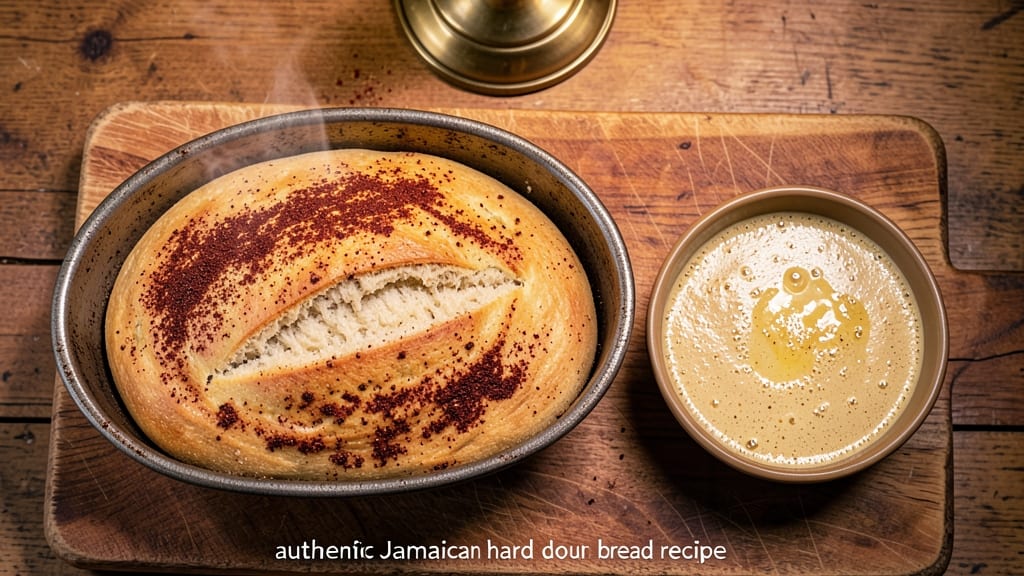
This authentic Jamaican hard dough bread recipe transforms Jamaica’s bold spices into a golden-crusted, tender loaf you’ll crave fresh from your oven. This traditional recipe has been a staple in Jamaican households for generations, offering a satisfying bite that pairs perfectly with stews or fried fish.
The secret lies in the precise balance of flour, water, and spices like nutmeg and allspice, which create that distinctive aroma and flavor profile.
The dough requires careful kneading and shaping to achieve its characteristic texture—dense yet fluffy, with a crispy crust that gives way to a soft center. Unlike many breads, this one benefits from a traditional baking method that ensures even heat distribution, resulting in a loaf that's both hearty and light.
I've perfected this technique over years of baking, and the results are always impressive, even for beginners.
What makes this bread truly special is its versatility and the way it elevates any meal. The warm, spiced crust adds depth to stews, while the soft interior soaks up flavors beautifully.
Whether served alongside a hearty curry or enjoyed on its own with butter, this bread delivers a taste of Jamaica that's hard to resist. The process is straightforward, but the reward is a loaf that feels like a hug in bread form.
Ready to bake your own? This recipe delivers authentic Jamaican flavors with a method that’s both traditional and approachable. Let’s get started on creating a loaf that will become a staple in your kitchen, just as it has been in Jamaican homes for decades.
Ingredients for authentic jamaican hard dough bread
Four cups flour, bold spices, and patience transform into Jamaica's iconic hard dough bread.
| Ingredient | Amount | Notes |
|---|---|---|
| All-Purpose Flour 🌾 | 4 cups | Sifted for even texture |
| Active Dry Yeast 🍞 | ¼ oz | 1 packet, not instant |
| Granulated Sugar 🍚 | ¼ cup | For yeast activation |
| Warm Water 💧 | 1 ¼ cups | 110°F for yeast activation |
| Unsalted Butter 🧈 | ½ cup | Cold, cubed for dough |
| Ground Allspice 🌶️ | 1 tbsp | Freshly ground preferred |
| Ground Nutmeg 🌿 | 1 tsp | Freshly grated for warmth |
| Salt 🧂 | 1 tsp | Kosher or sea salt |
| Large Eggs 🥚 | 2 whole | Room temperature |
| Milk 🥛 | ½ cup | Warmed for tenderness |
| Cornmeal 🌽 | ¼ cup | For dusting bread pan |
The allspice and nutmeg are non-negotiable for authentic flavor. Jamaican allspice (pimento) is ideal, but ground allspice from Penzeys or local Caribbean markets works too. Freshly grated nutmeg adds depth—pre-ground loses potency fast. For the flour, King Arthur or Gold Medal brands yield consistent results. The yeast must be active: proof it in warm water with sugar before mixing. Butter should be cold but pliable, not melted—this creates the signature flaky layers. If your kitchen is warm, chill the dough for 30 minutes before shaping.
No allspice? Cinnamon plus a pinch of clove mimics the warmth, though true Jamaican flavor requires the real thing. Substitute nutmeg with mace at half the amount for a similar aromatic profile. Out of milk? Heavy cream or watered-down evaporated milk maintains moisture. For a gluten-free version, Bob's Red Mill 1:1 flour blend works but may alter texture. The eggs can be separated—save the whites for another use, or beat them into the dough for extra richness. Cornmeal is key for preventing sticking; if unavailable, semolina or flour works in a pinch.
Shape the dough into a round loaf and let it rise uncovered for 1 hour—this creates the signature crust. Brush the top with milk before baking for a golden finish. The bread keeps well for 3-4 days at room temperature, wrapped in a cloth. For longer storage, freeze slices wrapped in parchment for up to 3 months. Reheat in a 350°F oven for 5 minutes to restore freshness. The crust gets crunchier as it cools, so slice when warm for the best texture.
Why You'll Love This Recipe
- No-Knead Magic: The dough comes together in minutes—just mix, let it rise, and bake. No stand mixer, no fancy skills, just warm water activating that yeast like clockwork while you sip tea.
- Butter-Kissed Crunch: That golden crust? Pure satisfaction. The butter melts into the dough just enough to give you a tender bite with a crackly edge—like a hug from Jamaica’s kitchen.
- Weeknight Workhorse: Toss a slice in a sandwich, tear it for breakfast toast, or serve it warm with jam. It’s the one loaf that does double duty without feeling like a chore.
- Budget Bread Wins: Flour, yeast, sugar, butter—you’re looking at a loaf for pennies that tastes like a treat. Plus, it keeps for days, so you’re not scrambling for last-minute bread runs.
Step-by-step instructions for authentic Jamaican hard dough bread
This method delivers the signature Jamaican hard dough bread with its signature crisp crust and tender interior.
Activate the Yeast and Prepare the Dough Base
In a large bowl, combine the 1.25 cups warm water (tested at 110°F) with the 0.25 cup granulated sugar and 0.25 oz active dry yeast. Let this sit for 5-10 minutes until frothy—this confirms the yeast is active. If no bubbles form, your yeast may be dead, and you'll need to start over.
In a separate bowl, whisk together the 4 cups all-purpose flour, 1 tbsp ground allspice, 1 tsp ground nutmeg, and 1 tsp salt. Sift the flour mixture directly into the yeast mixture to avoid lumps. Using a wooden spoon, stir until a shaggy dough forms. The warmth of the water will begin activating the yeast immediately, so work quickly.
Incorporate Wet Ingredients and Knead the Dough
Add the 2 whole large eggs, 0.5 cup milk, and 0.5 cup cold cubed unsalted butter to the flour mixture. Mix with your hands or a dough hook until the butter begins to incorporate and the dough comes together. The butter should be cold enough to maintain structure but soft enough to blend.
Turn the dough onto a lightly floured surface and knead for 8-10 minutes until smooth and elastic. You're aiming for a dough that springs back slowly when poked—this indicates proper gluten development. If the dough feels sticky, add flour 1 tablespoon at a time; if too dry, add 1 teaspoon warm water. The final dough should be slightly tacky but not wet.
First Rise and Prepare for Shaping
Lightly oil a large bowl, place the dough inside, and cover with a damp kitchen towel. Let it rise in a warm place for 1-1.5 hours, or until doubled in size. The dough should feel light and airy when pressed gently—this confirms proper fermentation. If the kitchen is cold, place the bowl near a warm oven (turned off) with the light on to maintain warmth.
While the dough rises, preheat your oven to 375°F. Grease a 9x5-inch loaf pan and dust it with 0.25 cup cornmeal, tapping out any excess. The cornmeal creates a barrier that prevents sticking and adds a subtle crunch to the crust.
Shape, Second Rise, and Bake
Punch down the risen dough to release air, then shape it into a loaf by folding the edges toward the center and pressing gently. Place the shaped dough seam-side down into the prepared loaf pan. Cover again with the damp towel and let it rise for 30-45 minutes, until it domes slightly above the pan's edge. This final rise ensures a light, airy crumb.
Bake the bread for 45-50 minutes, until the top is golden brown and sounds hollow when tapped. The edges should pull away from the pan easily, and the internal temperature should reach 190°F when tested with an instant-read thermometer. If the top browns too quickly, tent loosely with foil after 25 minutes to prevent over-browning.
Cool and Serve for Maximum Flavor
Remove the bread from the pan immediately and place it on a wire rack to cool completely. This step is crucial—cooling prevents sogginess and allows the crust to set properly. The bread will continue to firm up as it cools, developing its signature crisp exterior and tender interior.
Slice the bread while still warm for the best texture, but serve at room temperature for the full Jamaican experience. The contrast between the crisp, spiced crust and the soft, fluffy heart is what makes this bread truly authentic. Store any leftovers in an airtight container for up to 3 days, or freeze for longer storage.
Pro Tips For Making Authentic Jamaican Hard Dough Bread
- Proof It Twice: Jamaican hard dough bread needs patience—don’t rush the first rise. After mixing, let it sit at room temp for 45-60 minutes until it’s puffy and nearly doubled. Then, punch it down, shape, and let it rise again for another 45 minutes. I learned this the hard way—skipping the second rise makes the bread dense and chewy instead of light.
- Butter Matters: Use cold, cubed butter (not melted) when cutting it into the dough. This creates those signature flaky layers without turning the bread greasy. I was skeptical until I tried it—now I swear by it for that authentic texture.
- Skip the Overmixing: Once the dough comes together, stop mixing as soon as it holds. Overworking it develops gluten, making the bread tough instead of tender. Just knead until smooth—about 5-6 minutes by hand or 3-4 minutes with a mixer.
- Steam the Pan: Before baking, add a splash of water to the bottom of your Dutch oven or baking sheet. This creates steam, helping the bread rise faster and giving it that crispy crust. I used to forget this—now my bread bakes up taller and golden in half the time.
Common mistakes when making perfect results
Skipping the Proof
One of the biggest mistakes is rushing the yeast activation step. If you skip the 5-10 minute proof with warm water and sugar, your yeast might not activate properly, leading to a dense, flat loaf.
I’ve seen beginners skip this step entirely—don’t make that mistake! Always check for bubbles before proceeding. If your yeast doesn’t foam, start over with fresh yeast. 💡
Over-Kneading the Dough
Kneading for too long develops too much gluten, which can make the bread tough instead of tender. Aim for 8-10 minutes until the dough is smooth and elastic but not stiff. If you over-knead, the bread will lack that signature fluffy interior.
Test by poking the dough—it should spring back slowly, not immediately. If it feels like chewing gum, you’ve gone too far.
Ignoring the Warm Rise
A cold kitchen can slow fermentation, but placing the dough near a warm oven (light on) speeds it up. If your dough doesn’t rise properly, it’ll be dense and heavy. I’ve learned the hard way—always ensure the dough doubles in size during the 1-1.5 hour rise.
If it’s sluggish, try a warmer spot or extend the rise time slightly. ❄️
Using Melted Butter
Cold butter creates flaky layers, while melted butter dissolves into the dough, weakening structure. Cube your ½ cup unsalted butter and keep it cold until fully incorporated. If it melts too soon, chill the dough for 15-20 minutes before shaping. This keeps the bread’s signature texture intact.
Overcrowding the Pan
Packing the dough too tightly into the loaf pan prevents proper expansion, leading to a compact loaf. Shape it gently and leave room for it to rise slightly.
If the dough domes too much, it’ll spill over and brown unevenly. Use your fingers to press the edges lightly into the pan before the final rise. 🍞
Skipping the Cooling Step
Cutting the bread too soon traps steam inside, making it gummy. Let it cool completely on a wire rack for at least 1 hour before slicing.
This allows the crust to set and the crumb to firm up. I’ve seen beginners slice it warm—trust me, patience pays off for that perfect texture.
Nutrition facts
Frequently asked questions about Jamaican hard dough bread
Why does Jamaican hard dough bread have such a distinct crust?
The signature crisp crust comes from the combination of cornmeal coating in the pan and the allspice-nutmeg spice blend. The cornmeal creates a crunchy barrier while the spices caramelize during baking, forming that golden, aromatic shell. Brushing with milk before baking also enhances browning.
Can I make this bread without a loaf pan?
Yes! Shape the dough into a round boule or batard instead. Place it on a parchment-lined baking sheet and bake at 375°F for 35-40 minutes, rotating halfway. The crust will be slightly different but still delicious. For extra crispiness, bake on a preheated pizza stone.
How do I store leftover hard dough bread?
Wrap cooled slices in parchment paper and store in an airtight container at room temperature for 3-4 days. For longer storage, freeze slices individually for up to 3 months. To revive, warm frozen slices in a 350°F oven for 5 minutes or toast in a dry pan. The texture stays best when reheated gently.
What's the secret to getting that perfect fluffy interior?
Proper kneading (8-10 minutes) and fermentation are key. The dough must rise until doubled in size during the 1-1.5 hour first rise, and the final 30-45 minute rise in the pan creates that light crumb. Don't skip these steps—rushing leads to density. The butter must stay cold until fully incorporated too.
Can I substitute the allspice?
While authentic, you can approximate the flavor with ½ tsp cinnamon + ¼ tsp clove. For best results, use Jamaican allspice (pimento) if available—it's the heart of this bread's signature taste. The nutmeg is harder to replace, but mace at half the amount works in a pinch. The spices should be freshly ground for maximum impact.