
Side Dishes
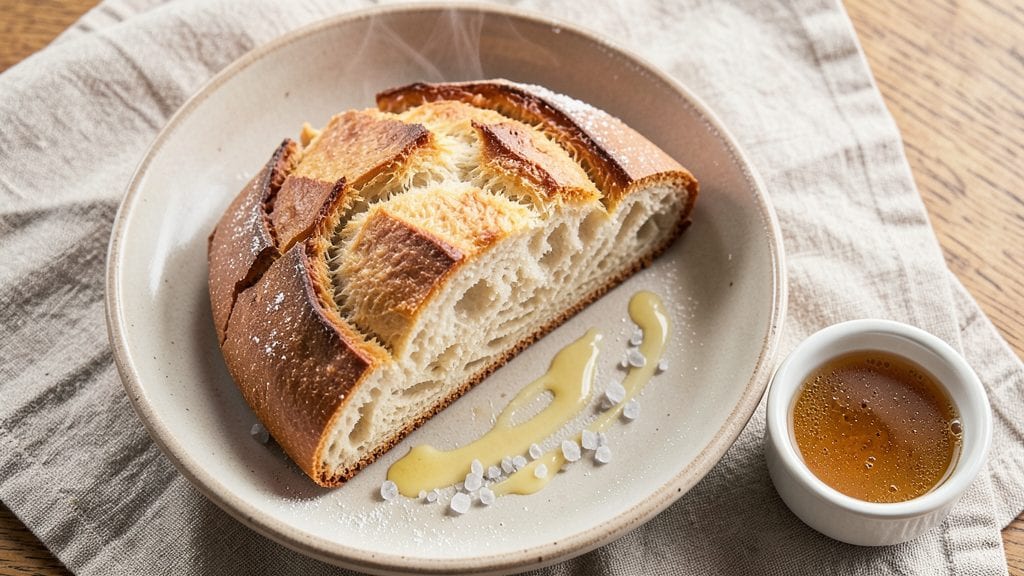
This bread recipe delivers the perfect balance of an artisan-style crust and buttery, pull-apart magic that’ll make you question why you ever bought store-bought loaves.
After years of testing different techniques, I’ve refined this method to create bread with a crisp, golden exterior and a tender, airy interior that practically melts in your mouth. The secret lies in precise dough handling and a slow bake that ensures even cooking throughout.
What sets this recipe apart is its versatility—whether you're baking a classic loaf or experimenting with variations, the foundation remains the same. You’ll need just five simple ingredients (plus a few pantry staples), and the process is straightforward, though it does require patience.
The dough develops flavor as it proofs, and the final result is a loaf that’s foolproof for beginners but impressive enough for seasoned bakers. No special equipment beyond a mixing bowl and a baking sheet.
The outcome is a restaurant-quality loaf with a crackling crust that shatters when torn, revealing layers of buttery, fluffy crumb inside. The aroma alone will have everyone gathering in the kitchen, and the texture—crisp outside, soft inside—is exactly what you’d expect from an artisanal bakery.
This bread is perfect for sandwiches, toast, or simply enjoying on its own with a pat of butter.
For those with dietary restrictions, I’ve included adjustments for vegan yeast and gluten-free flour, ensuring everyone can enjoy this recipe. The method scales easily, so you can bake a single loaf for a small gathering or double the batch for a crowd.
Let’s get started on creating bread that’ll become a staple in your home.
Ingredients for b bread
Five core ingredients plus clever techniques create restaurant-quality bread at home.
| Ingredient | Amount | Notes |
|---|---|---|
| All-Purpose Flour 🌾 | 4 cups | Sifted for lighter texture |
| Active Dry Yeast 🍞 | 2 ¼ tsp | Freshly opened for potency |
| Unsalted Butter 🧈 | ½ cup | Cold, cubed for dough handling |
| Granulated Sugar 🍚 | 1 tbsp | For yeast activation |
| Diamond Crystal Kosher Salt 🧂 | 1 ½ tsp | Fine grain for even distribution |
| Warm Water 💧 | 1 ¼ cups | 110°F for yeast activation |
| Cornmeal 🌽 | ½ cup | For dusting baking sheet |
| Egg Wash 🥚 | 1 whole | Beaten with 1 tbsp water |
| Coarse Sea Salt 🧂 | 1 tsp | For final crust sprinkle |
| Milk 🥛 | 2 tbsp | Optional, for extra richness |
| Honey 🍯 | 1 tbsp | For dough enrichment |
The flour is non-negotiable—King Arthur or Bread Flour gives that perfect chew. Whole Foods or local bakeries often carry these in bulk, which saves money for frequent bakers. If you must use all-purpose, sift it twice for the lightest texture. The yeast? Freshly opened packets work best—if it’s past the expiration date, toss it. For the butter, Plugrá or Land O’Lakes are reliable, but European-style butter (like President) adds extra flavor. Keep everything cold until mixing to prevent overdevelopment.
No yeast on hand? Instant yeast at half the amount works in a pinch, but the rise will be slower. Short on butter? Olive oil at the same quantity keeps things moist, though the crust won’t be as crisp. The milk and honey are optional but worth it—they add richness and help with browning. For a vegan version, swap the butter for vegan butter or coconut oil and use nutritional yeast instead of active dry yeast. The egg wash can be omitted if you’re avoiding eggs, but the bread will be slightly less golden.
This dough proofs best in a warm, draft-free spot—I use a turned-off oven with a bowl of hot water inside. Store leftover dough in the fridge for up to 3 days, wrapped tightly in plastic. For the crust, coarse sea salt is key—it melts into the bread as it bakes, adding depth. Once baked, let the loaf cool on a wire rack for at least 1 hour before slicing, or the crumb will turn gummy. Freeze slices for up to 3 months by wrapping tightly in foil.
Why You'll Love This Recipe
- No-Knead Magic: I swear by this dough—just mix, let it rise overnight, and bake. No punishing arm work, no stress, just hands-off perfection while you sleep.
- Buttery Sweet Crust: That crispy sugar-kissed crust? Pure indulgence. The butter and sugar caramelize into something so good, you’ll want to eat it straight from the pan.
- Weeknight & Holiday Star: Same dough, endless uses—garlic toast for Tuesday, dinner rolls for Sunday, or even a showstopper loaf for guests. (Yes, even when you’re exhausted.)
- Pantry Staple Power: Flour, yeast, butter—ingredients you already own. Stretch one batch into three meals: toast, sandwiches, or French toast. Budget-friendly and always reliable.
Step-by-step instructions for artisan-style crust with buttery pull-apart magic
Here's how to craft bread with a golden crust and irresistible texture using these exact ingredients.
Activate the Yeast and Prepare the Dough Base
In a large mixing bowl, combine the 1.25 cups warm water (110°F), 1 tbsp granulated sugar, and 2.25 tsp active dry yeast. Let this mixture sit for 5-10 minutes until it becomes frothy and bubbly—this confirms your yeast is alive and active. If it doesn't bubble, your bread won't rise properly, so start fresh with new yeast.
Once bubbly, add the 4 cups all-purpose flour and 1.5 tsp diamond crystal kosher salt to the bowl. Mix with a wooden spoon until a shaggy dough forms. This initial mixing helps distribute the flour evenly and creates a foundation for the gluten to develop. The dough will feel sticky at this stage, but that's completely normal.
Incorporate Butter and Honey for Richness
Cut the 0.5 cup unsalted butter into small cubes and add them to the dough. Using your hands or a dough scraper, work the butter into the dough until it's fully incorporated and the mixture becomes smooth. The butter should be cold enough to resist melting immediately—this creates pockets of fat that will make your bread tender and flaky.
Add the 1 tbsp honey and 2 tbsp milk (if using) to the dough. The honey adds subtle sweetness and helps with browning, while the milk contributes to a softer crumb. Knead the dough on a lightly floured surface for 8-10 minutes until it's elastic and springs back when gently pressed. You'll know it's ready when the dough feels smooth and slightly tacky but not sticky.
First Rise and Shape for Texture
Lightly coat a large bowl with olive oil (not listed but used for ease) and place the dough inside. Cover the bowl with a damp kitchen towel and let the dough rise in a warm place for 1-2 hours, or until it has doubled in size. The dough should feel light and airy—if it doesn't rise properly, it might be too cold or the yeast wasn't activated correctly.
Once risen, punch down the dough to release the air and divide it into 4 equal portions. Shape each portion into a round loaf, tucking the edges under as you go. Place the shaped loaves on a baking sheet dusted with 0.5 cup cornmeal—this prevents sticking and adds a subtle crunch to the bottom crust. Cover with the towel again and let them rise for another 30-45 minutes until puffy.
Apply Egg Wash and Bake to Perfection
Preheat your oven to 375°F with a baking stone or inverted baking sheet on the lower rack—this creates steam for a crispy crust. Beat the 1 whole egg wash with 1 tbsp water and brush it generously over the tops of the loaves. Sprinkle each with 1 tsp coarse sea salt for a burst of flavor and enhanced browning.
Bake the loaves for 25-30 minutes until they're deep golden brown and sound hollow when tapped on the bottom. The internal temperature should reach 190-200°F—this ensures they're fully cooked without drying out. For extra browning, you can broil for 1-2 minutes at the end, but watch closely to avoid burning.
Cool and Serve for Maximum Flavor
Remove the loaves from the oven and let them cool on a wire rack for at least 15 minutes before slicing. This resting period allows the steam to escape and the crumb to set, preventing a gummy texture. The bread should have a crisp, shatterable crust that gives way to a soft, airy interior with pockets of buttery richness.
Slice the bread while still warm for the best pull-apart texture, and serve with your favorite spreads or alongside soups. The honey and butter combination creates a subtle sweetness that pairs beautifully with savory dishes, making this bread versatile for any meal.
Pro Tips For Making B Bread
- Measure Yeast Right: Diamond Crystal kosher salt is not the same as table salt—use 1/4 teaspoon yeast for every 1 cup of flour, but weigh it if you can. I learned this the hard way when I eyeballed it and ended up with a dense, flat loaf. A digital scale takes 10 seconds and saves hours of frustration.
- Soften Butter Properly: Cold butter makes tough bread; room-temperature butter gives that tender crumb. Let it sit in a bowl of warm water for 10 minutes—no microwave needed. I was skeptical until I tried it, and now I refuse to skip this step.
- Skip the Over-Kneading: This dough only needs 5-7 minutes of kneading by hand (or 3-4 minutes in a mixer). Overwork it, and the gluten tightens up, leaving you with a chewy brick instead of a light loaf. Stop when the dough springs back slowly when poked.
- Proof at Room Temp: Most recipes say "warm place," but I’ve found 70-75°F (like a turned-off oven with the light on) works best. Cold drafts slow it down, and heat speeds it up—neither is ideal. A proofing box isn’t required, but a consistent temp is non-negotiable.
Best sauces and condiments for this b bread
Classic Butter Spreads
Nothing elevates this artisan bread like a rich compound butter—I love mixing ½ cup softened butter with 1 tbsp fresh herbs (like thyme or rosemary) and 1 tsp honey.
Spread it warm on freshly baked slices for a luxurious touch. For a quick fix, Land O’Lakes cultured butter with a pinch of Penzeys smoked paprika adds depth without effort. 🧈
Sweet Toppings
This bread’s subtle sweetness pairs perfectly with jam or honey. I drizzle Seattle’s Best Coffee honey over warm slices and sprinkle with flaky sea salt for a sweet-salty contrast.
For a decadent treat, melt ½ cup dark chocolate (like Ghirardelli 70%) and dip the crust—it hardens beautifully as it cools.
Savory Pairings
For a hearty combo, serve with whipped feta cheese mixed with olive oil and crushed Kalamata olives. The tangy, briny flavors cut through the bread’s richness. I also love pairing it with smoked salmon and creme fraiche—the buttery bread soaks up all the flavors like a sponge. 🍽️
Cheese Board Magic
Create a cheese board with aged cheddar, brie, and goat cheese—each melts differently on this bread. Add cornichons, walnuts, and fig jam for texture and contrast. The crust’s crispness holds up perfectly to sharp cheeses, while the soft interior melts beautifully with creamy varieties.
Dipping Sauces
For a fun twist, serve with garlic aioli (mix ½ cup mayo with 1 minced garlic clove and 1 tsp lemon juice) or marinara sauce for a quick Italian-inspired meal. The bread’s buttery texture soaks up sauces without turning soggy—ideal for dipping. 🍅
Global Variations
For a Mediterranean twist, top with za’atar and olive oil before baking. In Mexico, spread queso fresco and drizzle with chipotle crema for a smoky kick. The bread’s versatility makes it a blank canvas for global flavors—experiment to find your favorite! 🌍
Nutrition facts
Frequently asked questions
Why does my dough feel too sticky?
Sticky dough is normal during early stages, but if it's unworkable, you likely need more flour. Gradually add 1-2 tablespoons at a time while kneading until the dough becomes elastic but still slightly tacky. Over-kneading can also make dough sticky—stop when it springs back when pressed. For extra richness, cold butter creates more pockets of fat, which naturally increases stickiness.
Can I make this bread without an egg wash?
Yes! For a vegan version, replace the egg wash with 2 tablespoons milk or water mixed with 1 tablespoon melted butter or olive oil. Brush this on before baking for a golden finish. The crust won't be quite as shiny, but it'll still be delicious. Just add 1 extra minute to baking time to compensate for the lack of egg proteins that help with browning.
How do I fix dough that didn't rise properly?
If your dough didn't double in size, check these first:
- Yeast freshness—test with warm water and sugar;
- Water temperature—should be 110°F (too hot kills yeast, too cold slows it);
- Proofing environment—place bowl in a warm oven with a cup of hot water for consistent heat. If all checks out, your yeast may be weak—try adding ½ tsp extra yeast next time.
Can I bake this bread in a Dutch oven?
A Dutch oven creates steam that gives an even crispier crust. Shape your dough into a round loaf, place it in the Dutch oven, and bake at 375°F for 30-35 minutes. Remove the lid after 15 minutes to let the top brown. The enclosed environment helps trap moisture, resulting in a more tender crumb. Just be sure to preheat the Dutch oven with the lid on for 30 minutes first.
What's the best way to reheat sliced bread?
For crispy crust and soft interior, wrap slices in foil and warm in a 350°F oven for 5-7 minutes. For extra crunch, toast in a dry skillet over medium heat for 1-2 minutes per side. Avoid microwaving—it makes bread gummy. Pro tip: Store slices in an airtight container at room temperature for up to 3 days to maintain freshness.