
Desserts
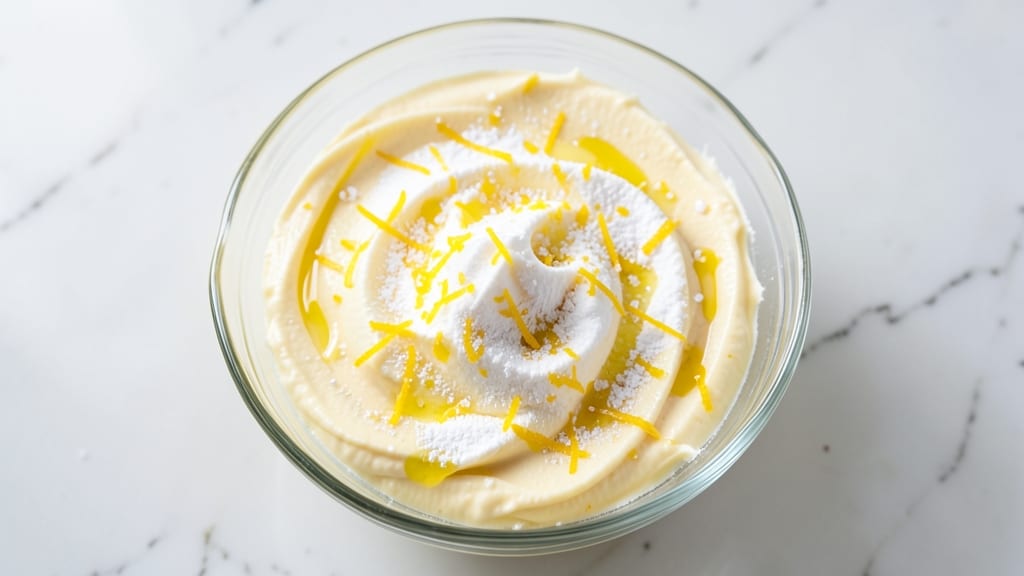
Betty Crocker's lemon frosting recipe delivers that signature zesty brightness that transforms ordinary desserts into showstoppers. The secret lies in balancing buttery richness with tangy lemon—just enough powdered sugar to create a smooth, pipeable consistency without overpowering the citrus flavor.
I’ve refined this recipe over years of baking, ensuring it’s foolproof for both beginners and seasoned bakers.
What makes this frosting truly special is the technique: beating the butter and powdered sugar to light, fluffy perfection before folding in the lemon juice and zest. This method prevents graininess and ensures every swirl or dollop stays smooth and velvety.
The ratio of lemon juice to zest is critical—too much zest can make it bitter, while too little juice dulls the brightness.
Once you’ve achieved that cloud-like texture, this frosting becomes a game-changer for cakes, cupcakes, or even cookies. It holds its shape when piped, melts beautifully on warm desserts, and adds a professional finish that rivals store-bought versions.
The best part? It keeps well in the fridge for up to a week, ready to elevate your next dessert.
For extra flair, consider adding a touch of vanilla extract or a pinch of salt to deepen the flavor profile. Whether you’re frosting a birthday cake or decorating a batch of cupcakes, this recipe delivers restaurant-quality results with minimal effort. Let’s get started!
Ingredients for betty crocker lemon frosting
Seven essential ingredients transform into velvety lemon frosting that rivals Betty Crocker's signature taste.
| Ingredient | Amount | Notes |
|---|---|---|
| Unsalted Butter 🧈 | 1 cup | Cold, cubed for easier incorporation |
| Powdered Sugar 🍚 | 3 cups | Sifted for smooth texture |
| Fresh Lemon Juice 🍋 | ½ cup | Strained for seed-free clarity |
| Lemon Zest 🍋 | 1 tbsp | Finely grated, vibrant yellow |
| Pure Vanilla Extract 🌿 | 1 tsp | High-quality, Madagascar bourbon |
| Fine Sea Salt 🧂 | ¼ tsp | Diamond Crystal preferred |
| Heavy Whipping Cream 🥛 | ¼ cup | Cold, full-fat for stability |
The butter is non-negotiable—European-style unsalted like Plugrá or President yields the most flavorful, stable base. Cold cubes beat faster and incorporate more smoothly than melted butter. For powdered sugar, Domino brand is the gold standard in professional kitchens, sifting eliminates clumps that create graininess. The lemon juice must be freshly squeezed—Meyer lemons add subtle sweetness, but standard Eureka lemons deliver classic tartness. Zest should be finely grated with a microplane for maximum aroma without bitterness. Store-bought lemon juice lacks the brightness and often contains preservatives that alter texture.
No vanilla extract? Almond extract at half the amount offers a similar floral depth, though vanilla's warmth remains irreplaceable. Substituting heavy cream with Greek yogurt at equal volume reduces richness but improves stability for piping. For a tangier profile, increase lemon juice by 1 teaspoon at a time, tasting as you go—citrus balance is subjective. Powdered sugar shortages? Confectioners' sugar from a bulk bin works identically. The salt is subtle but essential—Diamond Crystal's larger crystals dissolve more evenly than table salt, preventing graininess. Always measure by weight for precision, but volume works in a pinch.
This frosting maintains peak texture for 5-7 days when refrigerated in an airtight container with parchment between layers. For longer storage, freeze portions for up to 3 months—thaw at room temperature before whipping. To prevent weeping, avoid overmixing after adding lemon components. For professional results, chill the bowl and beaters for 15 minutes before use, ensuring maximum volume. The frosting's cloud-like consistency makes it ideal for piping onto cooled cakes, where it melts beautifully at room temperature.
Why You'll Love This Recipe
- No Mixer Needed: I swear by this recipe when my mixer’s out of commission—just a fork and a bowl. The butter and powdered sugar come together in minutes, and the lemon zest cuts through the sweetness without any extra work.
- Zesty Magic: That fresh lemon juice and zest? It’s the secret weapon. The frosting isn’t just sweet—it’s bright, tangy, and just sweet enough to make you want to slather it on everything.
- Cupcake Party Ready: Between us, this frosting is my go-to for birthdays, showers, or just because. The vanilla rounds out the lemon perfectly, so it works on vanilla or yellow cake without fighting for flavor.
- Lasts All Week: Honestly, I’ve had this frosting sit in the fridge for days—no one complains. The butter keeps it creamy, and the powdered sugar means it doesn’t dry out. Plus, it’s cheap to make, so I don’t feel guilty using it liberally.
Step-by-step instructions for Betty Crocker lemon frosting
Follow this method for a perfectly balanced lemon frosting with vibrant citrus notes and smooth, pipeable consistency.
Whip the Cold Butter to Cream
Place the 1 cup unsalted butter (cubed and cold) into the bowl of a stand mixer fitted with the paddle attachment. Beat on medium speed for 2-3 minutes until the butter becomes light and fluffy with a pale yellow color. This process incorporates air, which creates the light texture essential for a professional finish.
I like to check the butter every 30 seconds during this step—it should nearly double in volume and leave clean streaks when the paddle pulls through. If the butter feels warm or begins to melt, chill the bowl in the freezer for 5 minutes before continuing. Cold butter is non-negotiable for achieving that signature smooth consistency.
Gradually Add Powdered Sugar and Lemon Juice
With the mixer running on low speed, gradually add the 3 cups powdered sugar in a slow, steady stream. This prevents clumping and ensures even distribution. Once fully incorporated, add the 0.5 cup fresh lemon juice (strained) and the 1 tbsp lemon zest simultaneously, mixing on medium speed for 1-2 minutes until completely combined.
The mixture should transform into a thick, glossy paste with a bright yellow hue. If the frosting appears too stiff at this stage, don't panic—it will soften as we incorporate the remaining ingredients. Here's the thing: powdered sugar absorbs moisture differently than granulated sugar, so we need to proceed carefully to avoid a grainy texture.
Incorporate Vanilla, Salt, and Heavy Cream
Add the 1 tsp pure vanilla extract, 0.25 tsp fine sea salt, and 0.25 cup heavy whipping cream (cold) to the mixer. Beat on medium-high speed for 2-3 minutes until the frosting becomes light, airy, and reaches a smooth, spreadable consistency. You'll notice the texture soften noticeably as the cream emulsifies with the butter.
This is where the salt plays its crucial role—not just for flavor, but to balance the sweetness and enhance the lemon's brightness. The frosting should coat the back of a spoon smoothly without being runny. If it's too thick, add 1-2 teaspoons of lemon juice at a time until it reaches your desired consistency. For piping, aim for a texture that holds its shape when piped but still spreads easily with a knife.
Adjust Consistency and Flavor
Taste the frosting and adjust the balance of sweetness and acidity if needed. If it tastes too sweet, add 1-2 teaspoons more lemon juice and mix well. For extra brightness, you can add an additional 0.5 tsp lemon zest, but be cautious—too much can make the frosting bitter. The frosting should be tangy enough to complement cakes but not overpower them.
For a silky finish, strain the frosting through a fine-mesh sieve to remove any lumps. Transfer to a clean bowl and cover with plastic wrap, pressing the wrap directly onto the surface to prevent a skin from forming. This frosting keeps well in the refrigerator for up to 5 days, though it's best used within 2-3 days for optimal texture and flavor.
Use Immediately or Store Properly
For immediate use, pipe or spread the frosting onto your cakes or cupcakes while still at room temperature. If the frosting has thickened in the refrigerator, let it sit at room temperature for 10-15 minutes before using. The key is to work with it when it's soft enough to pipe smoothly but not so warm that it melts.
If you're not using it immediately, store the frosting in an airtight container in the refrigerator. When ready to use, give it a quick stir and let it soften slightly before piping. This lemon frosting pairs beautifully with vanilla cakes, pound cakes, or even as a glaze for lemon bars. The bright, zesty flavor will elevate any dessert to restaurant-quality status.
Pro Tips For Making Betty Crocker Lemon Frosting
- SOFTEN BUTTER FIRST: Take your butter out of the fridge at least 30 minutes before mixing—room temp butter blends smoother and avoids grainy lumps in the frosting. I learned this the hard way after scraping clumps out of my piping bag mid-decorating (yes, even for simple cupcakes).
- ZEST FRESH DAILY: Lemon zest loses potency fast, so grate it right before mixing—no substitutions. Store-bought bottles of zest taste dull, and you’ll end up adding extra juice to compensate. My grandmother swore by this, and she was right: the bright, peppery kick makes all the difference.
- WEIGH THE SUGAR: Powdered sugar packs differently—use a kitchen scale for accuracy. Eyeballing it leads to either a dry, crumbly frosting or one that’s too sticky to pipe. Trust me, the 2:1 ratio (butter to sugar) is non-negotiable for that perfect consistency.
- JUICE IN STAGES: Add lemon juice gradually, 1 teaspoon at a time, until the frosting reaches your desired tang. Dumping it all in at once can curdle the butter, especially in warm kitchens. Start with the minimum (usually 1 tablespoon) and adjust—your taste buds will thank you.
Wine and beer pairings for this betty crocker lemon frosting
Citrus-Forward Whites
Lemon frosting's bright acidity pairs beautifully with crisp, mineral-driven white wines. A Sauvignon Blanc from New Zealand—like Kim Crawford or Oyster Bay—is my go-to choice. The wine's zesty citrus and herbal notes mirror the frosting's lemon essence, creating a harmonious balance.
Serve slightly chilled (45-50°F) to enhance the wine's refreshing qualities and complement the dessert's tang. 🍷
Sparkling Pairings
For a festive touch, pair this frosting with a dry sparkling wine or Prosecco. The effervescence cleanses the palate between bites, while the wine's acidity enhances the lemon's brightness. I recommend La Marca Prosecco or Freixenet Cordon Negro Cava—both offer crisp, citrus-forward profiles that elevate the dessert experience.
The bubbles also make this pairing feel celebratory, perfect for birthdays or holiday gatherings.
Light Beers
If you prefer beer, opt for a wheat beer or pilsner with subtle citrus notes. Blue Moon Belgian White or Heineken work wonderfully—their light body and slight lemony undertones won’t overpower the frosting.
For a craft option, try a Belgian witbier like Hoegaarden, which has a coriander and orange peel flavor that pairs surprisingly well with the lemon frosting. Serve the beer ice-cold to contrast the dessert’s warmth.
Non-Alcoholic Options
For a refreshing non-alcoholic pairing, try a sparkling lemonade infused with fresh mint. Mix 2 cups sparkling water, ½ cup fresh lemon juice, 2 tbsp honey or agave, and a handful of mint leaves.
Chill thoroughly before serving—it’s like drinking the frosting’s flavors in liquid form! Alternatively, a ginger beer with a splash of lime adds a spicy kick that cuts through the frosting’s sweetness. 🍋
Coffee Pairings
If you’re serving this frosting with coffee, go for a light roast like a Colombian or Kenyan to avoid bitterness that could clash with the lemon.
A small espresso or cortado (equal parts espresso and steamed milk) works beautifully—the creamy milk balances the frosting’s tang, while the coffee’s acidity enhances the citrus notes. For a dessert pairing, try a mocha with a dollop of the frosting on top—it’s a decadent twist on classic flavors.
Nutrition facts
Frequently asked questions
Can I substitute powdered sugar with granulated sugar?
No, powdered sugar is essential for this recipe because its fine texture creates a smooth, spreadable frosting. Granulated sugar would make it grainy and difficult to pipe. If you're out of powdered sugar, you can make your own by blending granulated sugar in a food processor or blender until it reaches a fine consistency.
How do I fix frosting that's too thick or too thin?
If your frosting is too thick, add 1 teaspoon of lemon juice at a time and mix until smooth. For frosting that's too thin, chill the bowl for 10 minutes or add 1 tablespoon of powdered sugar and mix again. The key is to adjust gradually to avoid overcorrecting the texture.
Can I make this frosting ahead of time?
Yes, you can prepare this frosting up to 5 days in advance and store it in an airtight container in the refrigerator. When ready to use, let it sit at room temperature for 10-15 minutes to soften before piping. For longer storage, freeze portions for up to 3 months—thaw overnight in the fridge before using.
What's the best way to pipe this frosting?
Use a piping bag fitted with a large star tip (like Wilton 1M or 2D) for swirls or a round tip (like Wilton 16) for rosettes. Chill the piping bag for 10 minutes before use to help it hold its shape. Work quickly to prevent the frosting from melting in warm environments.
Can I add food coloring to this frosting?
Yes, but use gel food coloring (like Wilton or Americolor) to avoid altering the texture. Add just a drop or two at a time while mixing, as liquid food coloring can make the frosting too thin. Start with ½ teaspoon and adjust as needed for vibrant colors without compromising the consistency.