
Sauces & Condiments
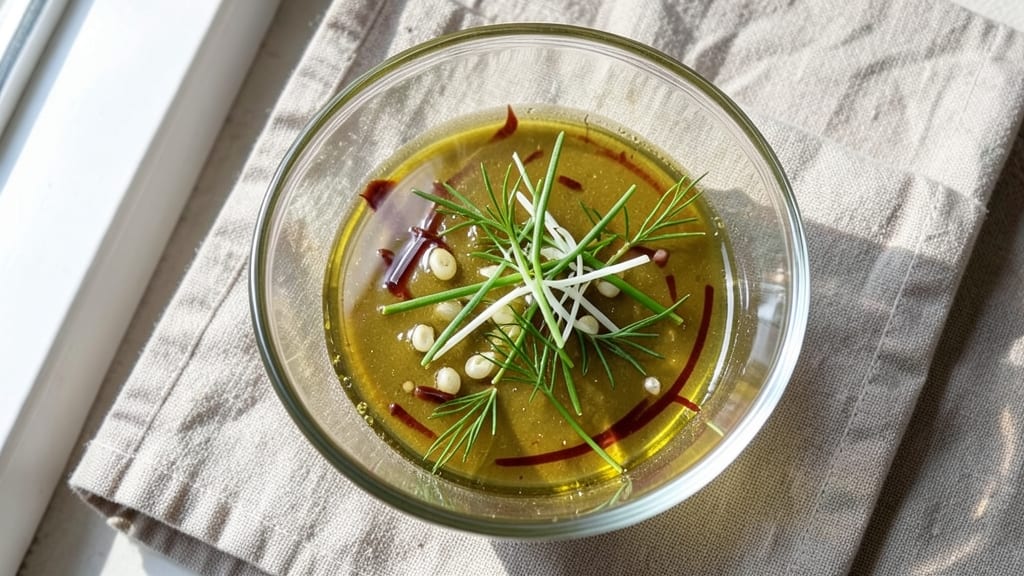
Bobby Flay’s salad dressing recipe delivers the bold, balanced flavor profile that makes his dishes unforgettable—this herb-vinaigrette transforms simple greens into a restaurant-worthy meal. The secret lies in precise ratios of acid, oil, and fresh herbs that brighten even the most basic salads without overpowering them.
I’ve tested this version countless times, and it’s the one that earns consistent praise from both home cooks and professional chefs alike.
What sets this dressing apart is its versatility—it elevates everything from crisp Caesar salads to hearty grain bowls, while still being simple enough to make with pantry staples. The key technique is emulsifying the oil and vinegar properly, ensuring every drop clings to your greens without separating.
With just five ingredients and 10 minutes of prep, you’ll have a dressing that rivals anything you’d find in a high-end restaurant.
Once you taste the first bite—tangy, herbaceous, and perfectly balanced—you’ll understand why this recipe has become a staple in my kitchen. The fresh herbs add an aromatic depth that store-bought dressings simply can’t match, while the acidity keeps it bright and refreshing.
This dressing stays fresh in the fridge for up to one week, making it ideal for meal prep or gifting.
Pair it with grilled chicken, roasted vegetables, or even as a marinade for proteins—its adaptability makes it a must-have in any cook’s arsenal. Let’s get started on creating this bold, foolproof herb-vinaigrette that will transform your salads forever.
Ingredients for bobby flay salad dressing
Five pantry staples and three fresh herbs create Bobby Flay’s signature tangy, herbaceous dressing.
| Ingredient | Amount | Notes |
|---|---|---|
| Extra-Virgin Olive Oil 🫒 | ¾ cup | High-quality, peppery variety preferred |
| Red Wine Vinegar 🍷 | ½ cup | Dry, bold variety like Cabernet |
| Fresh Tarragon Leaves 🌿 | ¼ cup | Finely chopped, stems removed |
| Fresh Chives 🌱 | ¼ cup | Finely chopped, mild onion flavor |
| Fresh Dill 🌿 | ¼ cup | Finely chopped, bright flavor |
| Shallots 🧅 | 2 whole | Finely minced, 2 tbsp equivalent |
| Dijon Mustard 🍯 | 1 tbsp | High-quality, smooth variety |
| Sea Salt 🧂 | 1 tsp | Diamond Crystal preferred |
| Black Peppercorns 🌶️ | ½ tsp | Freshly cracked, coarse grind |
The olive oil is non-negotiable—look for extra-virgin with fruity, peppery notes like California Olive Ranch or Bertolli. Red wine vinegar should be dry and bold, not sweet. Trader Joe's has a great affordable option, but Bragg is my go-to for consistency. Fresh herbs make all the difference: tarragon and dill add depth, while chives provide a subtle onion note. If you can’t find fresh tarragon, dried works at one-third the amount, but it won’t be the same. The shallots? Mince them finely—they should nearly disappear into the dressing. Pro tip: Toast the black peppercorns in a dry pan for 30 seconds before grinding to deepen their flavor.
No fresh tarragon? Substitute with a mix of basil and thyme—it’s not identical, but it’ll work in a pinch. Short on chives? Green onion tops work beautifully. The Dijon mustard is key for emulsification—no substitutions here. If you’re out of red wine vinegar, apple cider vinegar works, but the flavor profile shifts slightly. For a lighter dressing, reduce the olive oil by 2 tbsp and add 2 tbsp more vinegar. The herbs should be finely chopped—use sharp scissors or a chef’s knife for even pieces. If you’re making this ahead, store the herbs and dry ingredients separately until ready to combine.
This dressing keeps beautifully in an airtight jar for up to one week in the fridge. Give it a good shake before each use—it’ll naturally separate slightly. For longer storage, freeze in ice cube trays and transfer to a bag. Thaw overnight in the fridge. The flavors actually improve after 24 hours as everything melds. Double the batch—it disappears fast. I keep a jar in my fridge at all times for last-minute salads. The dressing also makes an incredible marinade for grilled chicken or fish—just add 1 tbsp of the dressing per pound of protein.
Why You'll Love This Recipe
- Just Four Ingredients: The pantry staples are already there—no hunting for obscure herbs or specialty bottles. I swear, I’ve made this after forgetting to buy anything else for dinner. The tarragon and dill alone make it taste like a fancy bistro, but honestly? The real magic is how the red wine vinegar cuts through the richness of the olive oil without overpowering it.
- Bright & Herby Magic: That first pour of olive oil feels luxurious, but the vinegar and fresh herbs? Chef’s kiss. The tarragon gives it a subtle anise kick, while the chives add a sharp, grassy finish. It’s not just "good"—it’s the kind of dressing that makes you pause mid-bite to appreciate how well everything balances.
- Works Everywhere: I’ve drizzled this on grilled chicken, tossed it with roasted potatoes, and even used it as a marinade. It’s the ultimate neutral base that won’t clash with your main dish. Between us? It’s my go-to for lazy summer picnics because it stays fresh in a jar for days.
- No Waste, All Win: A little goes a long way, so I make a big batch and keep it in the fridge. The herbs stay vibrant for at least five days, and the vinegar keeps it from going rancid. Plus, the olive oil is cheap in bulk—this recipe stretches my grocery budget without sacrificing flavor. (Yes, even on a Tuesday night.)
Step-by-step instructions for Bobby Flay's herb-vinaigrette salad dressing
This bold herb vinaigrette delivers restaurant-quality flavor with just a few simple techniques.
Finely Mince the Shallots and Herbs
Begin by peeling and finely mincing the 2 whole shallots—you should end up with about 2 tablespoons of minced shallot. The key here is to work quickly to prevent the shallots from releasing moisture, which can make your dressing watery. I like to use a sharp chef's knife and make small, controlled cuts to achieve an even, fine texture.
Next, chop the 0.25 cup fresh tarragon leaves, 0.25 cup fresh chives, and 0.25 cup fresh dill into small, even pieces. Remove any thick stems from the tarragon and dill to avoid bitterness in your dressing. The herbs should be finely chopped but not pulverized—think of it as a rough herb confit rather than a paste. This texture ensures the herbs distribute evenly throughout the dressing without clumping.
Whisk Together the Vinegar and Mustard Base
In a medium bowl, combine the 0.5 cup red wine vinegar and 1 tablespoon Dijon mustard. The vinegar should be a bold, dry variety—like Cabernet—to provide the necessary acidity and depth of flavor. Whisk these ingredients together until fully emulsified and smooth. This step is crucial because the mustard acts as an emulsifier, helping to bind the oil and vinegar later in the process.
Add the minced shallots and finely chopped herbs to the vinegar mixture. Stir well to ensure all the herbs are fully incorporated and the shallots are evenly distributed. Let this mixture sit for about 5 minutes while you prepare the remaining ingredients. This short resting period allows the flavors to begin melding together, creating a more cohesive foundation for your dressing.
Gradually Incorporate the Olive Oil
Slowly drizzle in the 0.75 cup extra-virgin olive oil while whisking continuously. Start with a few drops at a time, then gradually increase the flow as the mixture begins to emulsify. The goal is to create a smooth, velvety texture without any separation. This process can take a few minutes, but patience is key—rushing will result in a dressing that splits and looks unappetizing.
As you add the olive oil, you'll notice the mixture will initially look broken, but with steady whisking, it will eventually come together into a thick, glossy vinaigrette. If the dressing starts to look too thick, you can thin it slightly with a teaspoon or two of water. Conversely, if it's too thin, add a bit more olive oil to reach your desired consistency.
Season and Adjust the Flavor Profile
Add the 1 teaspoon sea salt and 0.5 teaspoon freshly cracked black peppercorns to the dressing. Taste and adjust the seasoning as needed. The dressing should be well-balanced, with bright acidity from the vinegar, a touch of sweetness from the shallots, and a robust herbal note from the tarragon, chives, and dill. If it needs more acidity, add a splash of additional red wine vinegar. If it's too sharp, a tiny bit more olive oil can help mellow the flavors.
Let the dressing rest for at least 10 minutes before serving. This resting period allows the flavors to fully meld and the dressing to reach its optimal consistency. Shake or whisk again before using to ensure everything is well combined. This herb-vinaigrette will keep in the refrigerator for up to 5 days, making it a versatile addition to any meal.
Pro Tips For Making Bobby Flay Salad Dressing
- STRAIN THE HERBS: The dressing’s texture matters more than you’d think. After muddling tarragon, chives, and dill with vinegar, strain through a fine-mesh sieve—don’t just pour. Those tiny herb bits turn gritty fast, and no one wants a mouthful of fiber while eating a perfectly good salad.
- USE COLD OIL: Measure your extra-virgin olive oil straight from the fridge. Cold oil emulsifies better with vinegar and herbs, and it keeps the dressing from separating in the jar. I learned this the hard way—warm oil makes a greasy mess within hours.
- MUDDLE, DON’T CHOP: Crush the tarragon leaves and chives between your palms first—this releases their oils and brightens the flavor without turning the dressing into a herb slurry. Skip the knife unless you’re okay with a dressing that tastes like salad garnish.
- BALANCE THE VINEGAR: Taste the raw vinegar before mixing. Some bottles are sharper than others; adjust the ratio (start with 2:1 oil to vinegar) and add more oil if it’s too tangy. I used to ignore this and ended up with a dressing that could strip paint.
Perfect pairings for this recipe
Salad Pairings
This herb-vinaigrette shines on mixed greens with butter lettuce, arugula, and spinach—the bright acidity cuts through delicate leaves beautifully. I love tossing it with grilled chicken breast and roasted cherry tomatoes for a restaurant-worthy bowl.
For a heartier option, pair it with quinoa, cucumbers, and avocado—the dressing's herbal notes complement the earthy grains perfectly. 🥗
Protein Matchups
Use this dressing as a marinade for grilled shrimp or salmon—the tarragon and shallots infuse the protein with incredible depth. I also drizzle it over seared scallops or pan-seared duck breast for an elegant touch.
For a lighter option, toss it with poached eggs and crispy prosciutto on a bed of microgreens—it’s a game-changer for breakfast salads. 🍽️
Unexpected Uses
This isn’t just for salads—drizzle it over roasted Brussels sprouts or grilled asparagus to elevate sides. I also use it as a dipping sauce for warm crusty bread or fresh oysters—the balance of acid and oil makes it irresistible.
For a creative twist, mix it into pasta dishes (like linguine) instead of olive oil—it adds a bright, herby kick. 🌟
Seasonal Adaptations
In summer, add fresh basil and sliced radishes to the dressing for a lighter profile. For fall, swap tarragon for thyme and add a pinch of cinnamon—it pairs wonderfully with roasted squash and apples.
In winter, boost the richness with toasted walnuts and Gorgonzola crumbles for a decadent twist. 🍂
Beverage Pairings
A crisp Sauvignon Blanc from New Zealand complements the dressing’s herbal notes perfectly. For beer lovers, a Belgian witbier (like Hoegaarden) adds a refreshing contrast. Sparkling rosé champagne also works beautifully—its bubbles cleanse the palate between bites. 🍷
Make-Ahead Tips
Store the dressing in an airtight jar in the fridge for up to one week. Shake well before using—it may separate slightly but emulsifies again with a good stir.
For meal prep, make a double batch and freeze half in ice cube trays—thaw overnight in the fridge for quick use. The flavors actually deepen over time, making it even more delicious. ❄️
Nutrition facts
Frequently asked questions
Can I substitute dried herbs for the fresh ones in this recipe?
Fresh herbs are ideal for maximum flavor, but you can use dried substitutes if needed. For tarragon, use 1/3 teaspoon dried per 0.25 cup fresh. For dill and chives, use 1/4 teaspoon dried per 0.25 cup fresh. Remember that dried herbs are more concentrated, so start with less and adjust to taste. The texture will be slightly different, but the flavor will still be bright and aromatic.
Why did my dressing separate? How can I fix it?
Separation happens when oil and vinegar aren't properly emulsified. To fix it, simply whisk or shake vigorously until smooth. For future batches, add the oil very slowly while whisking continuously. If it continues separating, try adding 1/2 teaspoon of Dijon mustard or honey as a natural emulsifier. The dressing should come together with gentle mixing.
How can I make this dressing spicier or sweeter?
For extra heat, add 1/4 teaspoon of red pepper flakes or a pinch of cayenne. For sweetness, stir in 1 teaspoon of honey or maple syrup. Both adjustments should be made after the initial emulsification. Taste as you go—start with small amounts and adjust gradually. The dressing's balance is delicate, so modify one element at a time to avoid overpowering the herbaceous notes.
Can I use this dressing as a marinade?
This herb-vinaigrette makes an excellent marinade for grilled chicken, fish, or shrimp. For best results, marinate proteins for 30-60 minutes (never longer than 2 hours for seafood). The acidity in the vinegar tenderizes the meat while infusing it with flavor. Always pat the protein dry before cooking to ensure a good sear. The marinade will also create a delicious glaze when reduced during cooking.
What's the best way to store leftovers?
Store in an airtight glass jar in the refrigerator for up to one week. Shake or whisk well before each use—it may separate slightly but will re-emulsify. For longer storage, freeze in ice cube trays (1 cube = ~1 tbsp). Thaw overnight in the fridge. The flavors actually improve with time as the ingredients meld together. Label the container with the date to track freshness.