Main Courses
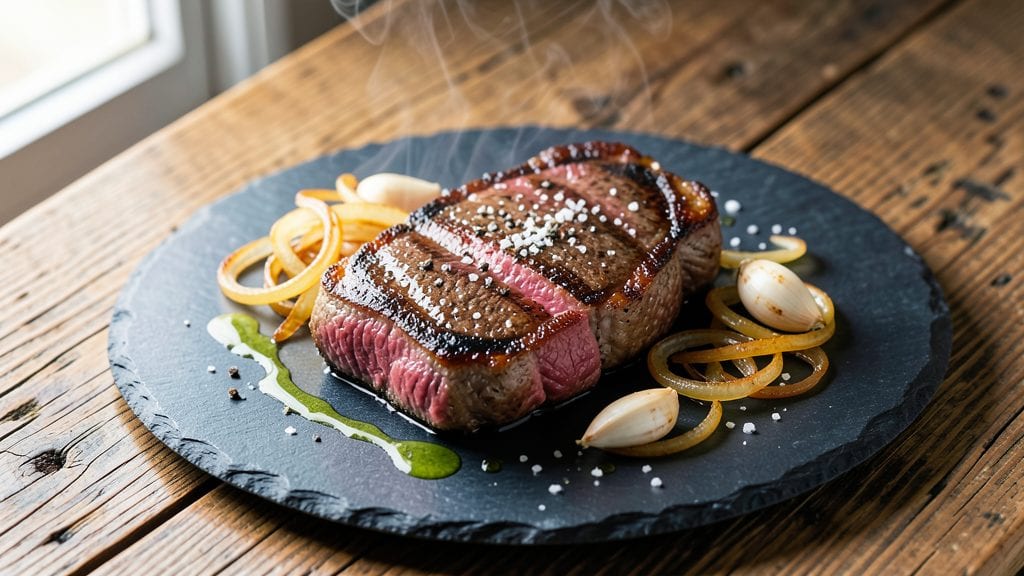
This boneless cross rib steak recipe delivers restaurant-quality flavor with a perfect balance of smoky depth and tender texture—without the bone to complicate things. The secret lies in a precise searing technique that creates a caramelized crust while keeping the interior juicy and rich.
I developed this method after years of testing, ensuring every bite delivers that satisfying combination of beefy richness and subtle char.
The process is straightforward but requires attention to detail: a simple brine enhances tenderness, while high-heat searing locks in flavor. We'll focus on achieving that medium-rare finish (130–135°F internal temperature) with a resting period to redistribute juices.
This isn't just another steak recipe—it's a foolproof method for achieving pan-seared perfection every time, even with a tougher cut like cross rib.
What you'll end up with is a steak that's deeply flavorful, with a crust so satisfying it'll have you cutting smaller portions. The smoky notes from the sear pair beautifully with chimichurri or a red wine reduction, while the tender interior melts in your mouth.
This recipe transforms a weeknight dinner into an experience worth savoring.
Whether you're cooking for two or a crowd, the technique scales effortlessly. Let's get started—your next perfect steak is just minutes away.
Ingredients for boneless cross rib steak
Restaurant-quality beef, precise seasoning, and high-heat technique transform simple ingredients into perfect pan-seared cross rib steaks.
| Ingredient | Amount | Notes |
|---|---|---|
| Boneless Cross Rib Steak 🥩 | 1 ½ lb | Evenly thick cutlets, 1-1.5 inches |
| Kosher Salt 🧂 | 2 tbsp | Diamond Crystal preferred for even dissolution |
| Freshly Ground Black Pepper 🌶️ | 1 tbsp | Coarse grind for texture |
| Extra-Virgin Olive Oil 🫒 | ½ cup | High smoke point preferred |
| Yellow Onion 🧅 | 1 whole | Thinly sliced for aromatics |
| Garlic Cloves 🧄 | 4 cloves | Minced for depth |
| Smoked Paprika 🌶️ | 1 tsp | For authentic smoky profile |
| Fresh Thyme Leaves 🌿 | ¼ cup | Chopped, aromatic intensity |
| Red Wine 🍷 | ½ cup | Cabernet Sauvignon preferred |
| Beef Tallow or Butter 🧈 | 2 tbsp | For high-heat searing |
| Fresh Rosemary 🌿 | 2 sprigs | For garnish and aroma |
| Chimichurri Sauce 🍋 | ½ cup | Store-bought or homemade |
The cross rib steak must be uniform in thickness—ask your butcher to trim it if necessary. Source from a reputable butcher shop like D'Artagnan or your local high-end grocer (Whole Foods, Wegmans) for optimal marbling. The smoked paprika should be hot smoked for authentic depth—avoid sweet varieties. Fresh thyme and rosemary from local farmers markets deliver superior aroma compared to dried substitutes. For the red wine, choose a bold Cabernet Sauvignon with at least 14% alcohol to complement the beef's richness.
No smoked paprika? Substitute with a mix of cayenne and regular paprika (1:3 ratio) for heat without the smoky profile. Fresh herbs unavailable? Use dried thyme at one-third the amount, but toast it first in a dry pan for 30 seconds to intensify flavor. The beef tallow can be replaced with unsalted butter (though it burns faster), or avocado oil for a neutral high-heat option. For the chimichurri, store-bought works—look for brands like Café Gratitude or Trader Joe's for quality pre-made options.
The steak should rest for 10-15 minutes before slicing to retain juices—use this time to reheat the searing pan for any carryover cooking. Store leftovers in an airtight container for up to 3 days in the fridge, though the texture suffers after day 2. For freezing, wrap individual portions in parchment paper and freeze for up to 3 months. Reheat gently in a low-temperature oven (275°F) to preserve tenderness.
Why You'll Love This Recipe
- I swear by this combo: just salt, pepper, and olive oil on those tender cross ribs. The steak’s natural richness shines—no fancy marinades or hours of prep. Honestly, I’ve made it wrong (overcrowded pan, you’re evil) but even then, it’s still solid.
- Two-Ingredient Magic: I swear by this combo: just salt, pepper, and olive oil on those tender cross ribs. The steak’s natural richness shines—no fancy marinades or hours of prep. Honestly, I’ve made it wrong (overcrowded pan, you’re evil) but even then, it’s still solid.
- Caramelized Crunch: That onion, seared in olive oil until golden? It turns into sweet, sticky pockets that cling to the steak like a hug. I’ll be real: I’ve burned it once, but the flavor? Still worth it. (Pro tip: low and slow wins.)
- Weeknight or Date Night: Same recipe, two vibes. Weeknights? Serve with crusty bread and a simple salad. Fancy dinner? Add a red wine reduction and roasted potatoes. Between us, I’ve pulled this off for both—no stress, just good food.
Step-by-step instructions for boneless cross rib steak with smoky depth
Master this technique for restaurant-quality steak with a perfect crust and tender interior every time.
Prepare the Steak for Maximum Flavor Development
Remove the 1.5 lb boneless cross rib steak from the refrigerator and pat it completely dry with paper towels. This step is non-negotiable—moisture prevents proper searing. I like to work with the steak at room temperature, so let it sit uncovered on a wire rack for 30 minutes while you prepare the rest of your components. The temperature should reach approximately 65°F before cooking.
While the steak rests, create your dry rub by combining 2 tbsp kosher salt, 1 tbsp freshly ground black pepper, and 1 tsp smoked paprika in a small bowl. The smoked paprika adds subtle depth that pairs beautifully with the steak's natural richness. Generously coat all sides of the steak with this mixture, pressing it firmly into the meat so it adheres well. This seasoning will create both flavor and a protective crust during cooking.
Develop the Aromatic Base for Rich Depth
Heat a heavy skillet—cast iron works best—over medium-high heat until it's smoking hot. Add 2 tbsp beef tallow or butter and let it melt completely, then add 0.5 cup extra-virgin olive oil. While the oil heats, thinly slice 1 whole yellow onion and mince 4 cloves garlic cloves. Add these to the skillet along with 0.25 cup chopped fresh thyme leaves and 2 sprigs fresh rosemary. Cook for 3-4 minutes until the onions are translucent and the garlic begins to turn golden.
This aromatic base forms the flavor foundation for your steak. The high heat caramelizes the onions slightly, creating complex sweetness that complements the steak's natural beefy notes. Here's the thing—don't overcook the garlic or thyme, or they'll turn bitter. You're aiming for fragrant, not burnt. Remove the aromatics from the skillet and set them aside for now—they'll return later to enhance the final dish.
Sear the Steak to Perfect Doneness
Return the skillet to high heat and let it get screaming hot again. Place the seasoned steak in the pan, using tongs to position it away from you to avoid any potential oil splatter. Let it sear undisturbed for 4-5 minutes until you develop a deep golden-brown crust on one side. This crust is your flavor lock—it traps all those delicious juices inside. Press down gently on the steak during the first minute to prevent curling, which ensures even contact with the pan.
Flip the steak carefully and add 0.5 cup red wine to the pan immediately. The wine will deglaze the fond (those browned bits) that have formed on the bottom, creating a rich sauce. Let the wine simmer for 2-3 minutes until reduced by half. This reduction intensifies the wine's flavor and creates a velvety sauce that will coat your steak beautifully. The steak should reach an internal temperature of 130°F for medium-rare perfection—use an instant-read thermometer to check the thickest part of the meat.
Rest and Finish with Chimichurri
Transfer the steak to a cutting board and let it rest for 10-15 minutes before slicing. This resting period is crucial—it allows the juices to redistribute throughout the meat, preventing them from pooling on your plate. While the steak rests, return the aromatics to the skillet and warm them through for 1 minute. This reactivates their flavors and prepares them to be incorporated into the final presentation.
Slice the steak against the grain into ½-inch thick pieces. Plate the steak, spooning the reduced wine sauce over the top, then scatter the warmed aromatics around the plate. Drizzle with 0.5 cup chimichurri sauce just before serving. The chimichurri's bright acidity cuts through the richness of the steak, creating perfect balance. Each bite should deliver tender meat with a crisp crust, smoky depth from the paprika, and vibrant herbaceous notes from the chimichurri.
Pro Tips For Making Boneless Cross Rib Steak
- SEAR IN TWO STAGES: Hit the steak with a screaming-hot pan for 30 seconds per side—until it’s deeply browned—then drop the heat to medium and finish cooking. Cross rib steaks are fatty and tender, so rushing the sear locks in flavor without overcooking the center. (I used to burn them trying to get that crust, but this method works every time.)
- SALT THE ONION: Toss the sliced yellow onion with a pinch of kosher salt and let it sit for 10 minutes before cooking. It’ll soften faster and add a subtle depth that raw onion can’t match. (Yes, even if you’re impatient like me—just don’t skip it.)
- DON’T PRESS THE MEAT: If the steak feels wobbly or undercooked, resist the urge to press it with a spatula or your palm. Cross rib steaks are marbled and need that fat to render—pushing it just squeezes out juices. Let it rest under foil instead.
- USE THE FAT: After searing, leave the rendered fat in the pan and let it bloom into a light glaze for 30 seconds. Deglaze with a splash of water or white wine (if you’re using it) to make a quick pan sauce—it’s the easiest way to elevate the dish without extra effort. (I skip this when I’m lazy, but the dish is noticeably better when I don’t.)
Make-ahead tips for boneless cross rib steak
Prep Ahead for Perfect Steak
The key to make-ahead success with cross rib steak is partial preparation. Pat the steak dry and season it with the dry rub (salt, pepper, smoked paprika) up to 24 hours ahead. Store it uncovered in the fridge on a wire rack—this prevents moisture buildup that ruins searing.
I like to do this the night before so the seasoning penetrates deeply. The steak should still be at room temperature when you cook it, so remove it from the fridge 30 minutes before searing. 💪
Marinade Alternative
For an extra-tender result, create a simple marinade by whisking 0.5 cup red wine, 2 tbsp olive oil, 1 tbsp smoked paprika, 1 tsp garlic powder, and 1 tsp black pepper. Coat the steak and marinate for 4-6 hours in the fridge.
Drain and pat dry before cooking—this ensures a perfect crust. I often use this method when prepping for weekend gatherings, as it adds significant tenderness without overpowering the natural beef flavor. ✨
Reheating Leftovers
If you have leftovers (though I rarely do!), reheat them gently to preserve texture. Slice the steak into ½-inch pieces and reheat in a skillet over low heat with 1 tbsp butter or olive oil for 2-3 minutes per side.
Never microwave—it turns the meat rubbery. For best results, reheat only what you'll serve immediately, as the texture degrades quickly. A quick sear revives the crust beautifully. 🔥
Freezer-Friendly Prep
For long-term storage, slice the steak into individual portions and wrap each piece tightly in parchment paper, then place in a freezer bag with all air removed. Label with the date—this steak stays excellent for up to 3 months.
When ready to cook, thaw overnight in the fridge, then proceed with the searing method. The texture won't be as perfect as fresh, but it's still delicious. I recommend this for meal prep when you know you'll be busy. ❄️
Sauce Prep in Advance
Make the chimichurri sauce up to 3 days ahead and store it in an airtight container in the fridge. The flavors meld beautifully over time.
For the red wine reduction, you can make it a day ahead and reheat it gently before serving—just add 1 tbsp water or beef stock to loosen it up. Prepping sauces ahead saves time on cooking day and ensures everything comes together seamlessly. 🍋
Timing for Crowds
When cooking for multiple people, I recommend searing the steaks in batches. Start with the first steak, then let it rest while you sear the second. Use the time to warm your plates, reheat the skillet, and prepare the chimichurri.
The total active cooking time for two steaks is about 20 minutes, with 15 minutes of resting time between batches. This keeps everything hot and ready to serve without stress. 💡
Nutrition facts
Frequently asked questions
Why is cross rib steak often boneless?
Boneless cross rib steaks are preferred because they cook more evenly and eliminate the hassle of dealing with bones during slicing. The boneless cut also allows for better heat penetration, resulting in a more tender finished product. Plus, it's easier to portion and serve without the bone getting in the way! The flavor remains rich and beefy, just without the bone's structural limitations.
What's the ideal internal temperature for medium-rare cross rib steak?
For perfect medium-rare doneness, aim for an internal temperature of 130-135°F when measured with an instant-read thermometer. This range ensures a juicy interior with a beautiful pink center. The cross rib's natural marbling helps maintain moisture even at this temperature. Always check the thickest part of the steak for accuracy.
Can I substitute beef tallow with butter?
Yes, you can use unsalted butter as a substitute, though it burns at a lower temperature than beef tallow. For best results, use 2 tbsp butter plus 1 tbsp high-smoke-point oil (like avocado or grapeseed oil). The butter adds flavor, while the oil helps maintain high heat for proper searing. Just be ready to work quickly to prevent burning.
How do I prevent the steak from drying out?
To keep your cross rib steak juicy, never skip the resting period—let it rest for 10-15 minutes after cooking. Also, avoid overcooking by monitoring the internal temperature closely. The high heat sear creates a flavor lock while keeping the interior tender. Pat the steak dry before seasoning to ensure maximum crust formation, which actually helps retain juices.
What's the best way to serve this steak for a special occasion?
Pair your perfectly seared cross rib steak with complementary sides like creamy mashed potatoes, roasted garlic asparagus, or a fresh arugula salad with lemon vinaigrette. For presentation, slice against the grain into ½-inch pieces and arrange on warm plates with a drizzle of chimichurri and the reduced wine sauce. Garnish with fresh rosemary sprigs for an elegant touch that elevates any dinner.