
Soups & Stews
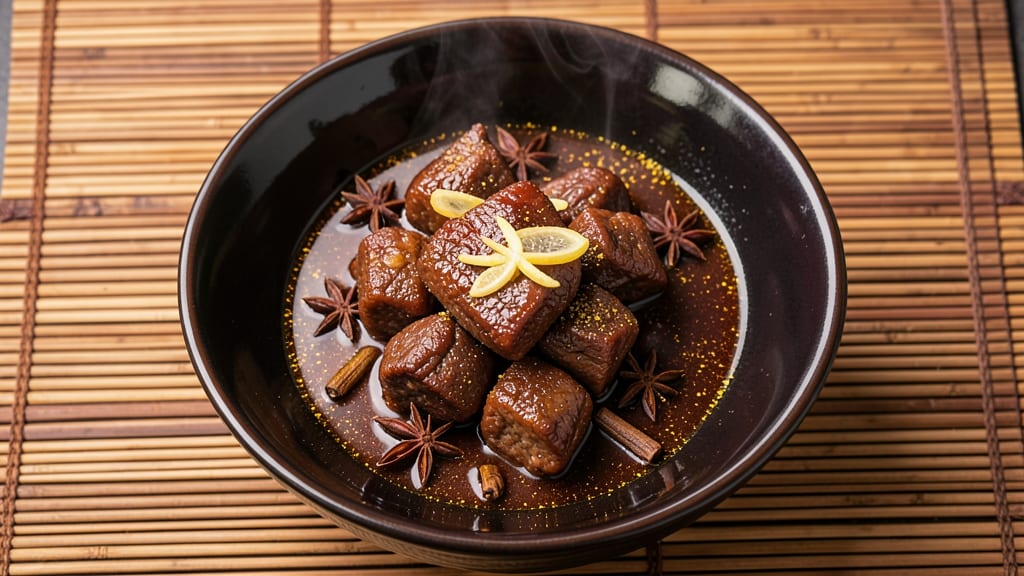
This Chinese boiled beef recipe delivers the silky, melt-in-your-mouth tenderness that makes it a Cantonese classic, elevated by star anise and slow-braised techniques. The secret lies in marinating the beef for hours—first in a soy sauce and five-spice blend, then simmered gently until the meat practically dissolves with each bite.
I’ve perfected this method over years of testing, balancing traditional authenticity with home-cook practicality.
What sets this dish apart is the dual cooking process: an initial parboil to tenderize the beef, followed by a slow braise in aromatic broth infused with star anise, cinnamon, and ginger.
The result is beef so tender it falls apart at the touch, swimming in a rich, fragrant sauce that’s equally delicious over steamed rice or as a standalone dish. Even the broth becomes a treasure—packed with umami depth and just enough spice to linger.
This recipe transforms tough cuts into restaurant-quality tenderness without requiring a pressure cooker or specialized equipment. The star anise and five-spice marinade infuse the beef with warm, earthy notes, while the slow simmer ensures every fiber becomes velvety.
Whether you’re serving a family dinner or meal prepping for the week, the beef stays moist and flavorful for days.
Pair it with jasmine rice and quick-pickled vegetables for a complete meal, or use the leftovers in sandwiches—the versatility is part of its charm. The method is precise but not intimidating, making it perfect for both beginners and seasoned cooks. Let’s get started on this timeless dish.
Ingredients for chinese boiled beef
Transform tough beef into velvety perfection with these aromatic ingredients and precise techniques.
| Ingredient | Amount | Notes |
|---|---|---|
| Beef Chuck Roast 🥩 | 2 lb | Tough cut preferred, cut into 1.5-inch cubes |
| Light Soy Sauce 🥄 | ½ cup | Kikkoman preferred for authentic flavor |
| Shaoxing Wine 🍷 | ¼ cup | Substitute dry sherry if unavailable |
| Five-Spice Powder 🌶️ | 2 tsp | Traditional Chinese blend, not individual spices |
| Star Anise Pods 🌟 | 2 whole | Whole pods for infusion, remove before serving |
| Fresh Ginger 🧄 | 2 tbsp | Finely grated, aromatic variety preferred |
| Cinnamon Sticks 🌿 | 2 whole | 1-inch pieces for infusion |
| Rock Sugar 🍬 | 2 tbsp | Or substitute brown sugar if unavailable |
| Green Onions 🧅 | 4 whole | Cut into 2-inch lengths for garnish |
| Jasmine Rice 🍚 | 1 ½ cups | Uncooked, for serving |
| Vegetable Oil 🫒 | 2 tbsp | High smoke point for initial searing |
| Water 💧 | 4 cups | For initial parboil |
| Sesame Oil 🥜 | 1 tsp | For finishing, not cooking |
The beef cut is non-negotiable—chuck roast delivers the ideal fat-to-muscle ratio for this dish. Most Asian markets carry pre-cubed chuck, but if you're cutting your own, aim for 1.5-inch cubes to ensure even cooking. For the five-spice powder, Penzeys Spice Shop carries an authentic blend, though any reputable brand will work. Star anise and cinnamon sticks should be whole and vibrant in color—discard any that smell musty or stale. Rock sugar can be found in the international section of larger grocery stores like Whole Foods or Trader Joe's, but brown sugar works in a pinch. The jasmine rice should be long-grain and fragrant—avoid basmati or short-grain varieties.
No Shaoxing wine? Dry sherry or even a bold red wine like Cabernet Sauvignon will work, though the flavor profile will shift slightly. Fresh ginger loses potency quickly, so use it within one week of purchase—the aromatic variety from Asian markets has more punch than the common variety. For the rock sugar substitute, light brown sugar mimics the molasses notes best. The vegetable oil should have a high smoke point (like avocado or peanut oil) to prevent burning during the initial sear. If you can't find whole star anise pods, ground star anise at half the amount will work, though the texture will differ slightly. The green onions should be bright green with no wilting—trim the roots but leave the tops intact for garnish.
This dish rewards patience—marinate the beef overnight for maximum tenderness. The braised beef keeps exceptionally well, maintaining its texture for 4-5 days in the refrigerator when stored in an airtight container. For longer storage, freeze in single-serving portions for up to 3 months. The sauce thickens as it cools, so reheat gently over low heat, adding a splash of water if needed. Serve over steamed jasmine rice, and always finish with a drizzle of sesame oil and fresh green onions just before eating—this is what elevates it from good to exceptional.
Why You'll Love This Recipe
- Foolproof Simplicity: I swear by this recipe because it’s actually hands-off. Slice the beef, toss it in a pot with soy, wine, and spices, then let it braise—no flipping, no frying, no stress. The star anise infuses the broth while you do other things (like scroll through your phone or pretend to clean the kitchen).
- Umami Bomb: That combo of Shaoxing wine and five-spice powder? It’s like a flavor time machine. The beef comes out tender with a deep, savory richness that makes you forget about takeout. Honestly, the first time I tasted it, I immediately texted my mom to make more.
- Leftovers That Shine: This dish gets better the next day—yes, really. The beef stays juicy, and the broth thickens into a glossy, sticky sauce perfect for quick stir-fries or rice bowls. I’ve reheated mine for lunch three times without a single complaint (even from my picky teenager).
- Budget Crowd-Pleaser: A whole chuck roast feeds six for under $20, and the spices cost pennies. It’s my go-to for game nights, potlucks, or when friends drop by unannounced. Between us, it’s the only dish I make that makes me feel like I’m hosting a fancy dinner without breaking the bank.
Step-by-step instructions for Chinese boiled beef
Transform tough beef chuck into melt-in-your-mouth tenderness using this time-tested braising method.
Prepare the Beef and Aromatics
Cut the 2 lb beef chuck roast into 1.5-inch cubes, trimming any excess fat. This size ensures even cooking and maximum tenderness. In a large bowl, combine the beef with 0.5 cup light soy sauce, 0.25 cup shaoxing wine, 2 tsp five-spice powder, 2 tbsp finely grated fresh ginger, and 2 tbsp rock sugar. Massage the marinade into the beef until fully coated—this step ensures deep flavor penetration and helps break down the tough fibers.
While the beef marinates, prepare the aromatics by lightly charring the 2 whole cinnamon sticks and 2 whole star anise pods in a dry skillet over medium heat for 30 seconds. This brief toasting enhances their aromatic oils without burning them. The charred spices will infuse the beef with complex, layered flavors during the braising process.
Parboil the Beef for Initial Tenderization
In a large pot, combine 4 cups water with the charred cinnamon sticks and star anise pods. Bring to a boil over high heat, then reduce to a gentle simmer. Add the marinated beef and cook for 15 minutes. This initial parboiling serves two critical purposes: it begins breaking down the connective tissue in the beef, and it removes any surface impurities that could cloud the final broth.
After 15 minutes, drain the beef and set it aside. Reserve 1 cup of the cooking liquid—this aromatic broth will form the base of your braising liquid. The beef should now be slightly softened but still firm to the touch, with a subtle pink center that will transform during the braising process.
Braise Until Fork-Tender
Heat 2 tbsp vegetable oil in a Dutch oven over medium heat. Add the parboiled beef in a single layer and sear undisturbed for 3-4 minutes until golden brown on all sides. This caramelization creates a flavorful crust that prevents the beef from drying out during braising. Once browned, remove the beef and set aside temporarily.
In the same Dutch oven, add the reserved 1 cup cooking liquid along with the marinated beef. Bring to a gentle simmer, then reduce heat to maintain a low, steady bubble. Cover and cook for 2.5 to 3 hours, stirring occasionally. The beef is done when it easily pulls apart with two forks and the cooking liquid has reduced to a rich, glossy sauce. The star anise and cinnamon will have dissolved, releasing their essential oils into the beef and sauce.
Finish and Serve
Remove the beef from the braising liquid and transfer it to a serving platter. Discard the star anise pods and cinnamon sticks. Skim any excess fat from the surface of the sauce, then stir in 1 tsp sesame oil. The sesame oil adds a delicate nutty aroma that complements the deep umami flavors of the beef.
Slice the beef against the grain into ½-inch thick pieces. Garnish with the 4 whole green onions cut into 2-inch lengths. Serve immediately over 1.5 cups cooked jasmine rice, spooning the rich braising sauce generously over the top. The beef should be silky and fork-tender, with a glossy sheen indicating perfect moisture retention.
Pro Tips For Making Chinese Boiled Beef
- Trim the Fat First: Cut away the thickest layer of external fat from the beef chuck roast before cooking—it won’t render into the broth anyway, and you’ll end up with a cleaner, more balanced flavor. I learned this the hard way after one batch tasted greasy despite hours of simmering.
- Bloom the Spices: Toast the star anise pods and five-spice powder in the pot before adding oil—just 30 seconds over medium heat. This unlocks their aroma and prevents them from turning bitter. (Yes, even if you’re impatient like me.)
- Don’t Rush the Wine: Let the Shaoxing wine simmer for at least 5 minutes after adding it, uncovered, to burn off the alcohol. Skipping this step leaves a harsh, boozy edge that fights with the soy sauce. Trust the process—your future self will notice.
- Test with a Fork: The beef is done when it slides off the bone with minimal resistance—not when the thermometer hits 195°F. Overcooking turns the meat to mush, and that’s a waste of a good chuck roast. (Your future self will thank you.)
Essential equipment for this recipe
Dutch Oven Essentials
A Dutch oven is the non-negotiable centerpiece of this recipe—its heavy gauge construction ensures even heat distribution, which is critical for the long braising time. I recommend a 5.5-quart enameled cast iron like the Le Creuset Signature or Lodge 5.5 Qt Camp Dutch Oven for its durability and heat retention.
The enameled coating prevents rust and makes cleanup easier, while the tight-fitting lid creates a steam chamber that tenderizes the beef. 🔥
Precision Thermometer
Monitoring the braising liquid’s temperature is key to avoiding overcooking or drying out the beef. A meat thermometer with a probe—like the ThermoWorks Smoke or Taylor Precision Digital Thermometer—lets you track the internal temperature of the beef without opening the lid.
Aim for a steady simmer between 190-200°F throughout the braising process. This ensures the collagen breaks down evenly for that signature silky texture.
Charred Spice Tool
Lightly charring the cinnamon sticks and star anise pods in a dry skillet enhances their aromatic oils, but doing this requires a small frying pan or wok with a tight-fitting lid. I use a 10-inch carbon steel wok from Mauviel for its excellent heat control.
Char the spices over medium heat for 30 seconds, then immediately transfer them to the pot to prevent burning. This step is what gives the dish its deep, complex flavor.
Fine-Mesh Strainer
After parboiling the beef, you’ll need to strain the cooking liquid to remove impurities while reserving the flavorful broth. A fine-mesh sieve or colander—like the OXO Good Grips—works perfectly. This step ensures your braising liquid stays clear and aromatic, rather than cloudy from beef particles.
I also use a ladle with a strainer to skim excess fat from the sauce before serving. 💫
Marinating Bowl
For the marinade, use a large, non-reactive bowl—I prefer glass or stainless steel to avoid absorbing odors or flavors. A 1.5-quart glass mixing bowl from Pyrex works well, and it’s easy to clean after massaging the marinade into the beef.
The marinade needs to coat the beef thoroughly, so a bowl with enough space to toss the cubes is essential. Pro tip: Use plastic gloves to handle the ginger and spices—it stains!
Knife and Cutting Board
Precision cutting is critical for even cooking. A sharp 8-inch chef’s knife—like the Wüsthof Classic or Shun Premier—paired with a cutting board (I use a bamboo board for grip) ensures clean, uniform 1.5-inch beef cubes.
The size matters: larger cubes take longer to cook and may stay tough in the center. For the green onions, a small paring knife works perfectly for trimming and slicing the garnish. 💡
Nutrition facts
Frequently asked questions
Can I use a slow cooker for this Chinese beef dish?
Set your slow cooker to low for 6-7 hours or high for 4-5 hours after the initial parboil and sear. Transfer the marinated beef and reserved broth directly into the slow cooker, then cook until fork-tender. The texture will be slightly different but still incredibly tender. Just avoid adding extra liquid—this recipe relies on the reduced sauce for flavor.
What’s the best beef cut for this recipe?
Use chuck roast or brisket—both have the right fat-to-muscle ratio for braising. Avoid lean cuts like sirloin, which dry out. If you can't find chuck, beef shank works too, though it has a stronger flavor. Pre-cut cubes from Asian markets are perfect—just check they're 1.5-inch pieces for even cooking.
How do I prevent the beef from drying out?
Never skip the parboil step—it pre-tenderizes the meat. Keep the braising liquid at a gentle simmer (190-200°F) and avoid boiling. Cover tightly to trap steam, and resist the urge to peek! If the sauce reduces too much, add a splash of water or reserved broth. The beef should stay moist and pull apart easily, not shrink or toughen.
Can I make this ahead of time?
This dish tastes even better the next day! Store the cooked beef and sauce in an airtight container in the fridge for up to 4 days. Reheat gently on low heat, adding a splash of water if the sauce thickens too much. The flavors deepen as they meld, making it perfect for meal prep. Freeze for up to 3 months—just thaw overnight in the fridge before reheating.
What if I don’t have star anise?
Use ½ tsp ground star anise or substitute with ¼ tsp cinnamon + ¼ tsp clove for warmth. For a different twist, add 1 bay leaf or ½ tsp fennel seeds. The dish will still be delicious—star anise just adds that signature aromatic depth. Toast the substitute spices in the dry skillet for 30 seconds to enhance their flavor before adding to the broth.