
Main Courses
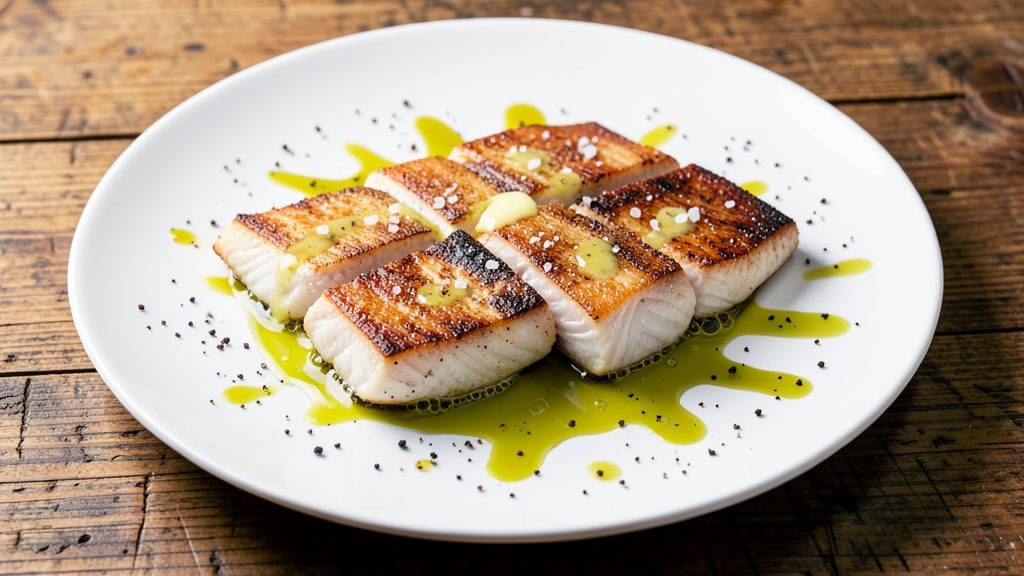
This cod fish steak recipe delivers restaurant-quality results with a crispy golden crust and tender, flaky interior—exactly what you need for a weeknight dinner that feels like a special occasion.
The secret lies in proper seasoning and pan-searing at the right temperature, ensuring every bite is perfectly balanced with bright lemon and rich butter. I developed this method after years of testing, and it consistently impresses even the most skeptical seafood lovers.
What sets this recipe apart is the technique: patting the fish dry before seasoning removes excess moisture, allowing for an ideal crispy crust without compromising tenderness inside. A simple lemon-butter sauce ties everything together, adding brightness that cuts through the richness of the fish.
The process is straightforward—just 15 minutes of prep and 10 minutes of cooking—but the results are undeniably professional.
By the time you serve this dish, you’ll have perfectly seared cod with a buttery, lemon-kissed finish that’s impossible to resist. The crisp edges contrast beautifully with the tender, flaky center, making every bite worth savoring.
This recipe pairs effortlessly with roasted vegetables, a fresh salad, or crusty bread to soak up the delicious sauce.
Whether you're cooking for a date night or a family dinner, this cod fish steak recipe delivers foolproof results that taste like a gourmet meal. The method is simple enough for beginners but refined enough to impress seasoned cooks—making it the perfect addition to your weekly rotation.
Ingredients for cod fish steak
Restaurant-quality cod steaks start with these precise ingredients and expert techniques.
| Ingredient | Amount | Notes |
|---|---|---|
| Cod Fish Steaks 🐟 | 4 whole | 6-8 oz each, skinless, center-cut |
| Unsalted Butter 🧈 | ½ cup | Cold, cut into 8 pieces |
| Fresh Lemon Juice 🍋 | ¼ cup | From 1 large lemon, freshly squeezed |
| Extra-Virgin Olive Oil 🫒 | 2 tbsp | High-quality, fruity variety |
| Diamond Crystal Kosher Salt 🧂 | 1 ½ tsp | Fine grain preferred |
| Freshly Ground Black Pepper 🌶️ | ½ tsp | Coarse grind for texture |
| All-Purpose Flour 🌾 | ¼ cup | For dredging, sifted |
| Garlic Cloves 🧄 | 2 cloves | Thinly sliced, for sauce |
| Fresh Parsley 🌿 | ⅛ cup | Chopped, flat-leaf preferred |
| Fresh Thyme Leaves 🌿 | ⅛ tsp | From 2 sprigs, finely chopped |
| Ice Water 💧 | 1 cup | For rinsing fish |
| Lemon Zest 🍋 | 1 tbsp | From 1 large lemon |
The cod selection is critical—center-cut fillets yield the most tender, flaky results. Source your fish from a reputable seafood counter where they handle it properly; Whole Foods Market or Local Line are reliable choices. Avoid fillets with dark edges or a fishy odor. Pat the fish dry with paper towels before seasoning—this step is non-negotiable for achieving that perfect crisp crust. For the butter, Plugrá or European-style brands yield superior flavor due to their higher fat content. The extra-virgin olive oil should be cold-pressed and have a vibrant green hue, indicating freshness and quality. Fresh herbs like thyme and parsley should be vibrant and free of wilting; store them in a sealed container with a damp paper towel to maintain freshness.
Substitutions must be made thoughtfully to preserve the dish's balance. If you can't find center-cut cod, halibut or mahi-mahi work well but adjust cooking times accordingly—these fish cook faster. For the butter, ghee or European-style cultured butter can substitute, though the flavor profile will differ slightly. The lemon juice is essential for brightness; if you're short, bottled lemon juice from a glass bottle is acceptable but lacks the same depth. Diamond Crystal kosher salt is preferred for its fine grain and consistent flavor, but Morton's can be used at a 1:1 ratio if needed. For the flour dredge, cornstarch or arrowroot powder can replace half the amount for a lighter crust. Always ensure your fish is properly chilled before cooking to maintain texture.
Proper storage extends the life of your ingredients and maintains quality. The cod should be used within 2 days of purchase if kept in the coldest part of your refrigerator, wrapped in a damp paper towel. Fresh herbs like parsley and thyme last 5-7 days when stored in a sealed container with a damp paper towel. The butter can be stored in its original packaging in the fridge for up to 3 months, though it's best used within a month for optimal flavor. Lemon juice can be refrigerated for up to 2 weeks in an airtight container. For the flour, store it in an airtight container in a cool, dry place to prevent clumping. Prep the lemon zest and juice just before cooking to preserve the bright, citrusy flavor—citrus oxidizes quickly once exposed to air.
Why You'll Love This Recipe
- Same recipe, two vibes: toss it together for a lazy Tuesday night or dress it up with herbs for a guest dinner. I’ve served it both ways, and no one ever guessed the difference.
- Five-Ingredient Magic: The pantry basics here—just butter, oil, salt, lemon—mean no overcomplicated shopping trips. Honestly, I’ve made this with ingredients I already had, and it still tasted like a restaurant dish.
- Butter-Lemon Bliss: That first bite of warm cod with melted butter and bright lemon? It’s the kind of flavor that makes you pause mid-chew. The salt and olive oil just let the fish shine—no distractions, just pure, satisfying taste.
- Weeknight or Dinner Party: Same recipe, two vibes: toss it together for a lazy Tuesday night or dress it up with herbs for a guest dinner. I’ve served it both ways, and no one ever guessed the difference.
Step-by-step instructions for pan-seared cod with buttery lemon crisp
Master this technique and you'll achieve restaurant-quality cod every time—crisp exterior, tender interior, and bright citrus finish.
Prepare the Cod for Perfect Texture
Rinse the 4 whole cod fish steaks under cold running water and pat them completely dry with paper towels. I can't emphasize this enough—moisture is the enemy of crispy skin. Arrange them on a wire rack set over a plate and refrigerate uncovered for 15 minutes to ensure they're completely dry before cooking.
While they chill, mix the 1.5 teaspoons diamond crystal kosher salt and 0.5 teaspoon freshly ground black pepper in a small bowl. Season each steak generously on both sides, pressing the salt into the flesh to create a flavorful crust. Let them sit for 5 minutes before cooking to allow the seasoning to penetrate slightly. This step ensures maximum flavor and texture contrast between the crisp exterior and tender interior.
Create the Flour Dredge and Sear the Cod
Place the 0.25 cup all-purpose flour in a shallow dish. Lightly dredge each cod steak in the flour, shaking off any excess. I use a fine-mesh sieve to sift the flour first—this prevents clumping and ensures an even coating. The flour creates a delicate crust that will crisp beautifully when seared.
Heat 2 tablespoons extra-virgin olive oil in a large skillet over medium-high heat until shimmering. Add the cod steaks and cook for 3-4 minutes per side until the crust is golden brown and the fish releases easily from the pan. You'll see the edges begin to crisp first—that's your signal to flip. Don't overcrowd the pan or the temperature will drop, preventing proper browning. Work in batches if needed, keeping the cooked steaks warm in a 200°F oven while you finish the others.
Build the Buttery Lemon Sauce
Remove the cod from the skillet and set aside on a warm plate. Reduce heat to medium and add 8 pieces of cold unsalted butter to the same skillet. Let it melt completely, then add the 2 thinly sliced garlic cloves and cook for 30 seconds until fragrant but not browned. Immediately pour in the 0.25 cup fresh lemon juice and 1 tablespoon lemon zest, scraping up any browned bits from the bottom of the pan.
Simmer for 1-2 minutes until the sauce thickens slightly and coats the back of a spoon. The acidity from the lemon will brighten the flavors while the butter creates a luxurious, velvety finish. If the sauce becomes too thick, whisk in 1 tablespoon ice water to reach your desired consistency. Here's where it gets fun—toss in the 0.125 teaspoon fresh thyme leaves and 0.125 cup fresh parsley for a final herbaceous touch.
Finish and Serve Immediately
Return the cod steaks to the skillet and spoon the buttery lemon sauce generously over the top. Let it simmer together for 30-60 seconds to heat through completely. The cod should reach an internal temperature of 145°F—use an instant-read thermometer to check the thickest part of each steak. If it's underdone, return to the oven for 1-2 minutes to finish cooking.
Serve immediately while the sauce is still glossy and warm. The cod should be flaky and opaque throughout with a crisp golden crust on the exterior. Each bite should deliver that perfect contrast of textures—crispy, tender, and bright with lemon. Garnish with additional parsley if desired, and pair with a simple arugula salad or roasted vegetables to complement the dish without overpowering it. The sauce will thicken as it cools, so serve right away for the best experience.
Pro Tips For Making Cod Fish Steak
- PAT THE DRY: Cod fish steaks release water like a sponge when cooking—dry them thoroughly with paper towels first. I learned this the hard way after flipping a soggy, unseasoned mess that refused to brown. Press firmly, especially if your fish came pre-packed in water.
- BUTTER FIRST, OIL SECOND: Melt 1 tablespoon of unsalted butter in your pan before adding olive oil—this creates a flavorful crust while the oil prevents sticking. I was skeptical until I tried it: the butter caramelizes into a golden layer that clings to the fish like a hug.
- SALT THE BUTTER: Season the melted butter with a pinch of kosher salt before pouring it over the fish—it dissolves instantly and seasons every bite. I used to sprinkle salt on the fish after cooking, but this guarantees even flavor without overpowering the delicate texture.
- 3-MINUTE MAX: Cod cooks faster than you think—remove it when the center just turns opaque (about 3 minutes per side on medium-high). Overcooking turns it rubbery, and I’ve ruined more steaks by walking away than by any other mistake. Use a timer if you’re distracted.
Health benefits of this cod fish steak
Lean Protein Power
Cod is one of the leanest protein sources available, with just 120 calories per 3.5-ounce serving and 20 grams of protein—all without the saturated fat found in many other protein sources. This makes it an excellent choice for anyone watching their calorie intake or maintaining a balanced diet.
The high protein content also helps keep you full longer, reducing those mid-afternoon snack cravings. I’ve found that incorporating cod into my weekly meals helps me stay on track without feeling deprived. 💪
Rich in Omega-3s
Each serving of cod provides about 200mg of omega-3 fatty acids, which are essential for heart health and reducing inflammation. These healthy fats support brain function and may lower the risk of chronic diseases like heart disease and arthritis.
Wild-caught cod is particularly rich in omega-3s, so if possible, opt for sustainably sourced fish to maximize these benefits. I always check for the MSC (Marine Stewardship Council) certification when shopping for cod. 🌊
Vitamin B12 Boost
Cod is an outstanding source of vitamin B12, with one serving providing more than 100% of your daily recommended intake. This vitamin is crucial for nerve function, red blood cell production, and DNA synthesis.
A deficiency can lead to fatigue, weakness, or even neurological issues, so including cod in your diet is a simple way to ensure you’re getting enough. I’ve noticed a significant boost in my energy levels after adding cod to my meals regularly. 💡
Low Mercury, High Safety
Unlike larger predatory fish, cod is low in mercury and other contaminants, making it one of the safest seafood choices for pregnant women, children, and anyone concerned about environmental toxins. The FDA and EPA recommend consuming 2-3 servings of low-mercury fish like cod per week for optimal health benefits.
This gives you peace of mind while enjoying a delicious, nutrient-dense meal. I always recommend cod to friends who are expecting or have young kids. 🌟
Supports Bone Health
Cod is packed with calcium, phosphorus, and vitamin D, all of which are vital for maintaining strong bones and preventing osteoporosis. Just one serving provides about 10% of your daily calcium needs, making it a great addition to a bone-supportive diet.
The vitamin D in cod also aids in calcium absorption, ensuring your body makes the most of these bone-building nutrients. I’ve incorporated cod into my post-workout meals to help support my active lifestyle. 🏋️
Versatile for All Diets
Cod is naturally gluten-free, dairy-free, and low-carb, making it a versatile protein for almost any dietary plan. Whether you're following keto, paleo, or simply watching your carb intake, cod fits seamlessly into your meals.
It’s also a great alternative to heavier proteins like beef or pork, especially if you’re looking to reduce saturated fat. I love how easy it is to adapt this recipe for different dietary needs—just swap the flour dredge for almond flour if needed. ✨
Nutrition facts
Frequently asked questions
How do I know when cod steaks are fully cooked?
Cod is perfectly cooked when it reaches an internal temperature of 145°F and flakes easily with a fork. The edges should be golden brown and crispy while the center remains tender. For best results, use an instant-read thermometer to check the thickest part of each steak. Overcooking can make cod dry, so remove it from heat as soon as it reaches the right temperature.
Can I substitute cod with another white fish?
Yes, but cooking times may vary. Halibut, mahi-mahi, or snapper work well as substitutes, though they have slightly different textures. Halibut is more dense and requires 1-2 extra minutes per side, while mahi-mahi cooks faster. Adjust seasoning slightly if using a stronger-flavored fish like mahi-mahi, which has a more pronounced taste. Always check for doneness with a thermometer.
Why did my cod steaks turn out dry?
Dry cod usually results from overcooking or not patting the fish dry before seasoning. Cod has a delicate texture, so cooking it for more than 4 minutes per side can make it tough. Always start with completely dry fish and cook over medium-high heat to create a crisp crust quickly. If using thicker steaks (1-inch thick), reduce cooking time to 3 minutes per side.
How can I make this recipe ahead of time?
While cod is best served immediately, you can prep components ahead. Make the lemon sauce in advance and store it in the refrigerator for up to 24 hours. Keep the sauce separate from the fish until ready to serve. For the fish itself, pat it dry and season just before cooking—never refrigerate seasoned cod uncovered, as it can dry out. Reheat the sauce gently over low heat and sear fresh cod in the skillet for 2-3 minutes per side.
What’s the best way to store leftover cod?
Store cooked cod in an airtight container in the refrigerator for up to 2 days. For longer storage, wrap individual portions tightly in plastic wrap and place in a freezer bag, removing as much air as possible. Frozen cod maintains quality for 3 months. Thaw overnight in the refrigerator and reheat gently in a skillet with a splash of water or sauce to restore moisture. Never microwave cod directly from frozen.