
Main Courses
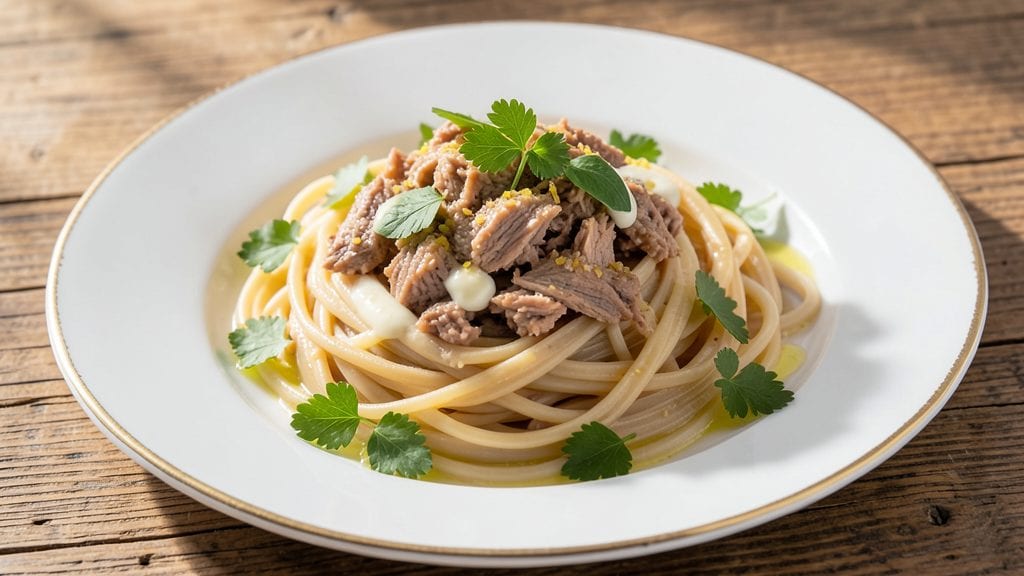
This cooked canned tuna recipe turns simple ingredients into a restaurant-worthy pasta dish, and this zesty lemon butter version proves it. The secret lies in balancing the tuna's natural richness with bright citrus and herby butter—no fancy ingredients, just bold flavors that come together in under 20 minutes.
I developed this recipe during a particularly busy week when I needed a protein-packed meal that didn't require fresh fish or complicated techniques.
The foundation of this dish is a simple yet effective method: flaking the tuna by hand (not stirring, which makes it rubbery) and combining it with melted butter, lemon zest, and fresh herbs. The pasta absorbs the zesty, aromatic sauce beautifully, creating a dish that's light yet satisfying.
This approach works perfectly for pescatarian diets while delivering the kind of bold flavor that converts even seafood skeptics.
What you'll end up with is a plate of al dente pasta coated in a velvety lemon butter sauce, studded with tender tuna flakes and fresh herbs. The bright lemon cuts through the richness of the tuna and butter, while the herbs add freshness that keeps each bite interesting.
It's the kind of meal that feels indulgent yet remains balanced and nutritious—a perfect weeknight dinner that doesn't sacrifice flavor for speed.
This recipe scales beautifully for leftovers or entertaining, and the technique works with any pasta shape. The key is timing—cook the pasta just before adding the tuna mixture to keep it warm and the sauce from breaking. Here's everything you need to make it happen!
Ingredients for cooked canned tuna
Simple pantry staples transform into restaurant-quality pasta in minutes—no fresh fish required.
| Ingredient | Amount | Notes |
|---|---|---|
| Canned Tuna in Water 🐟 | 2 cans | High-quality brand, drained well |
| Unsalted Butter 🧈 | ½ cup | Cold, cubed for melting |
| Lemon Zest 🍋 | 2 tbsp | From 1 large organic lemon |
| Lemon Juice 🍋 | ¼ cup | Freshly squeezed |
| Fresh Flat-Leaf Parsley 🌿 | ¼ cup | Chopped, stems removed |
| Fresh Basil Leaves 🌿 | ¼ cup | Chopped, for brightness |
| Garlic Cloves 🧄 | 2 cloves | Minced, for depth |
| Extra-Virgin Olive Oil 🫒 | 2 tbsp | For finishing |
| Dried Oregano 🍃 | ½ tsp | For Mediterranean touch |
| Salt 🧂 | 1 tsp | Kosher or sea salt |
| Black Pepper 🌶️ | ½ tsp | Freshly cracked |
| Spaghetti or Linguine 🍝 | 12 oz | Al dente preferred |
The tuna quality matters most here. Store-brand cans work fine, but Wild Planet or Starkist deliver better texture. Drain thoroughly—excess water dilutes the sauce. For extra richness, opt for tuna in olive oil instead of water, but reduce the olive oil in the recipe by 2 tbsp. The butter should be cold and cubed when melting to create a velvety sauce. Fresh herbs elevate this dish—Whole Foods or local markets often carry the brightest parsley and basil. If using dried herbs, reduce to one-third the amount of fresh.
No parsley? Fresh cilantro or chives work in a pinch, though the flavor will differ slightly. Short on lemon? Lime juice adds a tangy twist, but the zest is irreplaceable for that bright pop. The garlic can be pre-minced from a jar, but fresh minced always tastes better. For a vegan version, substitute butter with olive oil and use vegan Parmesan if desired. The pasta shape is flexible—linguine or fettuccine both work well, but avoid thick shapes like rigatoni, which can overwhelm the sauce.
This dish reheats beautifully—store leftovers in an airtight container for up to 3 days. The sauce thickens when cold, so add a splash of pasta water when reheating. For meal prep, cook the pasta and sauce separately, then combine before serving to maintain texture. The lemon butter sauce freezes well for up to 1 month—just thaw and toss with fresh pasta. Always taste before serving; the acidity of the lemon can vary, so adjust salt accordingly.
Why You'll Love This Recipe
- Pantry-to-Table Magic: I swear by this recipe when I forget to meal prep. Open a can, melt butter, squeeze lemon—boom, dinner’s ready. No shopping lists, no last-minute grocery runs, just pure convenience.
- Bright & Buttery Bliss: That lemon zest and butter combo? It transforms canned tuna from basic to ridiculously good. The parsley adds freshness that cuts through the richness, making every bite feel like a little taste of the Mediterranean.
- Lunchbox Hero: Between us, this is my go-to for packed lunches. It keeps for days in the fridge, stays firm in a thermos, and my kids actually eat it—no complaints about "boring school lunches." Just portion, pack, and go.
- Budget Bright Spot: I make this when groceries feel tight. Canned tuna is cheap, butter stretches, and lemon and parsley add luxury without cost. Honestly, it’s my secret weapon for feeding the family well without breaking the bank.
Step-by-step instructions for zesty lemon butter pasta with canned tuna
Here's how to transform simple pantry staples into a vibrant, restaurant-worthy dish in record time.
Cook the Pasta to Al Dente Perfection
Bring a large pot of water to a rolling boil and add the 12 oz spaghetti or linguine. Stir immediately to prevent sticking. Cook until 1 minute before the package instructions specify for al dente (the pasta should have a slight bite when bitten). Reserve 1 cup of pasta water before draining—this starchy liquid is essential for emulsifying the sauce later.
I always taste-test a piece of pasta at this stage. It should be tender but still offer resistance—this ensures it won't turn mushy when combined with the sauce. Drain the pasta directly into the colander, then return it to the pot and toss with 2 tbsp extra-virgin olive oil to prevent sticking while you prepare the remaining components.
Prepare the Lemon Butter Sauce Base
In a separate large skillet, melt the ½ cup unsalted butter over medium heat until it foams but doesn't brown. Add the 2 minced garlic cloves and sauté for 30 seconds until fragrant—this prevents the garlic from burning while infusing the butter with its aromatic qualities. Immediately remove the skillet from heat and stir in the 2 tbsp lemon zest and ½ tsp dried oregano. Let the mixture sit for 1 minute to allow the flavors to meld.
Here's where the magic happens: add the ½ cup unsalted butter (the remaining amount) and ¼ cup lemon juice to the warm skillet. Stir constantly for 2-3 minutes until the butter melts completely and the sauce begins to emulsify. The sauce should thicken slightly and develop a glossy sheen—this indicates proper emulsification. If it looks too thin, reduce heat to low and continue stirring until it reaches your desired consistency.
Combine Tuna and Fresh Herbs
Drain the 2 cans canned tuna in water thoroughly using a paper towel to remove excess moisture—this prevents the sauce from becoming watery. Gently fold the tuna into the lemon butter sauce, breaking up any large chunks with a wooden spoon. Add the ¼ cup chopped fresh flat-leaf parsley and ¼ cup chopped fresh basil leaves, stirring until evenly distributed throughout the sauce.
Season aggressively with 1 tsp salt and ½ tsp black pepper, then taste and adjust if needed. The sauce should be bright, tangy, and well-seasoned. If it's too thick, whisk in 1-2 tablespoons of reserved pasta water until it reaches a pourable consistency. This step ensures the sauce clings beautifully to each strand of pasta.
Assemble and Finish the Dish
Transfer the cooked pasta to the skillet with the tuna sauce and toss vigorously for 2-3 minutes over medium heat. The residual heat from the pasta will help the sauce coat each strand evenly. If the sauce begins to thicken too much, add more reserved pasta water 1 tablespoon at a time until it reaches your desired consistency.
For the final touch, drizzle the remaining 2 tbsp extra-virgin olive oil over the top and toss once more. The oil will add richness and help distribute the sauce evenly. Divide the pasta among four plates and garnish with additional chopped parsley and basil leaves for a pop of color and freshness. Serve immediately while the pasta is hot and the flavors are at their peak.
Pro Tips For Making Cooked Canned Tuna
- Drain and Pat Dry: Skip the rinse—canned tuna in water already has enough moisture. Instead, drain it thoroughly and press the fish between paper towels to remove excess liquid. This keeps your butter from turning into a greasy mess when you cook it, and the texture stays firm, not soggy.
- Use Medium Heat: Cranking the heat too high will turn your tuna into rubber. Keep it at medium-low and let the butter melt gently while stirring constantly. The tuna will warm through evenly without drying out—trust me, I’ve seen it go wrong when someone gets impatient.
- Zest Before Juicing: Grate the lemon zest first, then juice it. The zest adds bright aroma without overpowering, while the juice balances acidity. If you juice first, you’ll end up with a bitter, watery mess—save the zest for last, and your dish will taste fresher.
- Finish with Fresh Parsley: Toss in the parsley at the very end, right when the tuna is done. Stirring it in too early wilts the leaves and dulls the flavor. A handful of chopped parsley adds a pop of color and freshness—don’t skip this last step, even if you’re in a hurry.
Troubleshooting great cooked canned tuna
Tuna Too Dry?
If your canned tuna ends up dry or crumbly, it’s usually because you drained it too aggressively or didn’t handle it gently. Always drain tuna in a colander over a bowl to catch any escaping liquid, then pat it dry with a paper towel.
For extra moisture, stir in 1-2 tablespoons of pasta water when combining with the sauce. I’ve also found that tuna in olive oil (instead of water) stays more tender—just reduce the olive oil in the recipe by 2 tablespoons to balance flavors. 💡
Sauce Separating?
The lemon butter sauce can split if you add cold ingredients too quickly or don’t stir constantly. To fix separation, whisk in 1 tablespoon of reserved pasta water and return the skillet to low heat while stirring vigorously.
For prevention, melt the butter slowly over medium-low heat and keep the lemon juice and zest warm before adding. I also recommend using European-style butter (like Plugrá)—it has a higher fat content that emulsifies better. 🧈
Pasta Too Mushy?
Overcooked pasta is the biggest culprit here. Always cook pasta 1 minute less than package instructions and test for al dente by biting a strand. If it’s already too soft, toss it with the sauce immediately and finish cooking in the skillet over medium heat for just 1-2 minutes.
For extra insurance, use bronze-die pasta (like De Cecco or Barilla)—it holds up better to sauces. 🍝
Flavor Too Mild?
If your dish lacks brightness, the lemon might not be fresh enough. Always zest and juice organic lemons—their intensity makes a difference. For extra punch, add ½ teaspoon of red pepper flakes or a pinch of smoked paprika to the sauce.
I also recommend finishing with a squeeze of fresh lemon juice just before serving. For a deeper flavor, infuse the butter with 1 minced garlic clove and ½ teaspoon of lemon zest while melting it. 🍋
Tuna Too Fishy?
High-quality tuna brands like Wild Planet or Starkist have milder flavors, but if yours tastes too strong, balance it with more acidity. Add 1 extra tablespoon of lemon juice or a splash of white wine to the sauce.
Fresh herbs like dill or tarragon also help neutralize fishiness. For a neutral base, try tuna in spring water—it’s less processed than regular water-packed tuna. 🐟
Leftovers Too Thick?
When reheating, the sauce often thickens because the starches settle. Thin it with 2-3 tablespoons of warm water or pasta water while stirring over low heat. For extra richness, stir in 1 tablespoon of butter or a drizzle of olive oil.
I always reheat leftovers in a skillet rather than the microwave—it keeps the texture smoother. ❄️
Nutrition facts
Frequently asked questions
Can I use tuna in oil instead of water for this recipe?
Tuna in olive oil adds richness that pairs beautifully with the lemon butter sauce. Just reduce the olive oil in the recipe by 2 tablespoons to balance flavors. The oil-packed version also stays moister and less prone to drying out during cooking.
How do I prevent the tuna from getting rubbery?
Never stir the tuna after draining—gently flake it with a fork to maintain texture. Also, avoid overcooking the pasta (always test for al dente) and add the tuna to the warm sauce, not boiling water. For extra tenderness, use high-quality brands like Wild Planet or Starkist.
What are good alternatives if I don't have fresh herbs?
Dried herbs work in a pinch, but use only one-third the amount of fresh. For parsley, try dried parsley or marjoram. For basil, dried basil or oregano will add earthy notes. If you're out of both, a pinch of smoked paprika adds depth without fresh herbs.
Can I make this dish ahead of time?
Yes, but cook the pasta and sauce separately to maintain texture. Store components in an airtight container for up to 3 days. Reheat the sauce separately, then toss with fresh pasta. For leftovers, add a splash of pasta water to loosen the sauce.
What's the best way to serve this with sides?
This dish pairs perfectly with a simple mixed green salad with lemon vinaigrette or roasted asparagus with garlic. For a heartier meal, add crusty sourdough bread to soak up the sauce. The bright acidity of the pasta balances rich sides beautifully.