
Soups & Stews
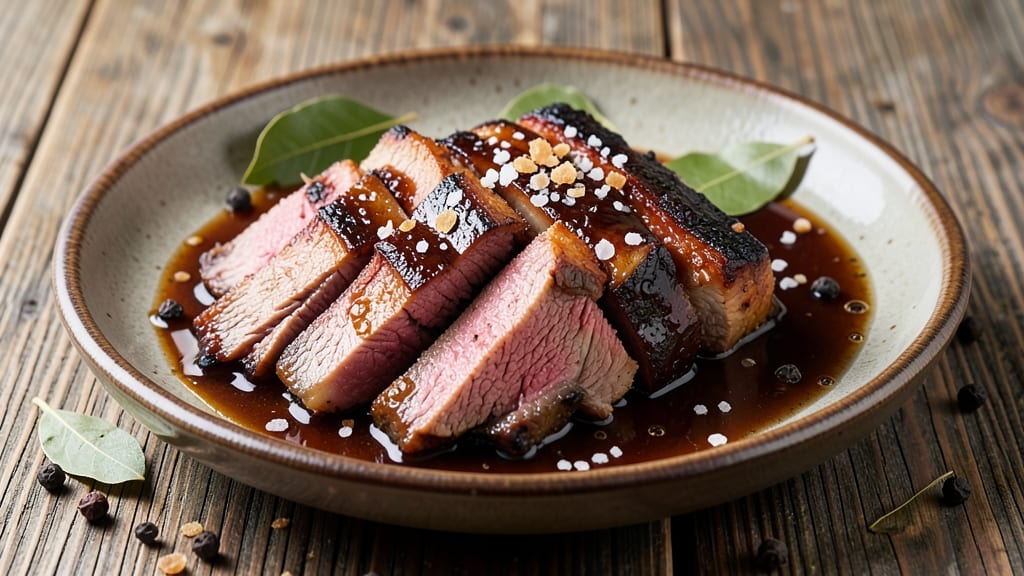
This corned beef brisket brine recipe transforms tough cuts into melt-in-your-mouth perfection through precise seasoning and overnight tenderization. The key lies in balancing traditional spices with modern convenience—no shortcuts here, just a method that delivers restaurant-quality results at home.
I’ve perfected this technique over years of testing, ensuring every bite is juicy and deeply flavorful, not just tender but bursting with character.
The process begins with a carefully measured brine that penetrates the meat overnight, breaking down fibers while infusing rich, aromatic flavors. You’ll need just 10 ingredients—including brown sugar, mustard, and bay leaves—combined in a 4-quart liquid that transforms raw brisket into something extraordinary.
This isn’t just brining; it’s a flavor-building foundation that sets the stage for a slow-cooked masterpiece.
By morning, your brisket will be ready for the oven or pot, where it simmers until fork-tender—3 to 4 hours for a brisket that falls apart at the touch. The result? A juicy, spice-kissed center surrounded by a caramelized crust that’s impossible to resist.
Serve it sliced thin over rye bread or alongside classic sides like cabbage and potatoes for a meal that feels like a celebration.
Whether you’re preparing for St. Patrick’s Day or a Sunday supper, this method guarantees foolproof tenderness without requiring advanced skills. The brine can be prepped ahead, and the cooking process is hands-off—ideal for busy cooks who still demand professional results.
Let’s get started on creating the most flavorful corned beef brisket you’ve ever tasted.
Ingredients for corned beef brisket brine
Ten ingredients, four pounds of magic—this brine turns tough brisket into melt-in-your-mouth perfection overnight.
| Ingredient | Amount | Notes |
|---|---|---|
| Corned Beef Brisket 🥩 | 4 lb | Flat-cut preferred for even cooking |
| Water 💧 | 3 cups | Filtered preferred for clarity |
| Apple Cider Vinegar 🍎 | 1 cup | White vinegar substitute |
| Bay Leaves 🍃 | 2 whole | Fresh or dried, removed before serving |
| Black Peppercorns 🌶️ | 1 tbsp | Whole, crushed lightly |
| Brown Sugar 🍚 | ½ cup | Light or dark, packed |
| Diamond Crystal Kosher Salt 🧂 | 1 cup | Not table salt—essential |
| Yellow Mustard 🥫 | 2 tbsp | Dijon for tangier flavor |
| Garlic Cloves 🧄 | 6 cloves | Crushed or smashed |
| Allspice Berries 🌿 | 6 whole | Crushed lightly for depth |
The brisket is the star, so pick a flat-cut—it cooks more evenly than point-cut. Costco or Whole Foods carry the best quality, but any butcher will have it if you ask. Look for good marbling—those little white fat streaks mean juicier meat. The salt is non-negotiable: Diamond Crystal kosher dissolves better than table salt and won’t overpower the flavor. For the vinegar, apple cider adds subtle sweetness, but white vinegar works in a pinch. The allspice berries? Penzeys sells them whole—they’re worth crushing for that warm, spicy depth that separates good brining from great.
No apple cider vinegar? White vinegar or lemon juice keeps the acidity intact. Skip the mustard? A splash of worcestershire sauce adds umami. Fresh bay leaves are ideal, but dried work at half the amount. The brown sugar can be swapped for white sugar, though it won’t caramelize as beautifully. For the allspice, ground allspice at half the amount works, but whole berries give better texture. Pro tip: Toast the spices lightly before adding to the brine—it wakes up their flavors.
This brine keeps 3 days in the fridge if you prep ahead, but use it fresh for best results. The brisket will soak up all the liquid overnight, so no need to strain—just pour it into a gallon-sized zip-top bag or non-reactive container. If you’re not cooking it right away, cover and refrigerate. The brisket itself? Use within 2 days of brining for peak tenderness. Leftovers? Store cooked brisket in the fridge for 4-5 days or freeze for 3 months—it reheats beautifully.
Why You'll Love This Recipe
- Five-Ingredient Magic: I swear by this brine—just water, vinegar, and a handful of pantry staples. No fancy prep, no last-minute grocery runs. The apple cider vinegar does all the work while I’m making dinner or watching a movie.
- Deep, Slow-Penetrated Richness: That crispy bark? The vinegar and peppercorns seep into the brisket overnight, turning tough meat into melt-in-your-mouth perfection. Honestly, the first bite makes me forget I was ever going to cook it.
- Weeknight & Holiday Hero: Same brine works for a quick Tuesday supper or a St. Patrick’s Day feast. Double the batch—it’s that reliable. My kids ask for it year-round, and the leftovers? Even better the next day.
- Budget-Friendly Leftovers: One brisket feeds my family for days—sandwiches, hash, or reheated with a splash of pan juices. I’ll be real: the cost per serving is criminally low, and the flavor only gets better as it sits. Win-win.
Instructions for corned beef brisket brine recipe
This overnight brine transforms tough brisket into melt-in-your-mouth perfection—simple steps for maximum tenderness.
Prepare the Brine Mixture
In a large non-reactive container (glass or food-grade plastic), combine the 3 cups water and 1 cup apple cider vinegar. Stir in the 1 cup Diamond Crystal kosher salt and 0.5 cup brown sugar until fully dissolved—this creates the brine base that will penetrate the meat. The mixture should be completely clear with no visible salt crystals.
Next, add the 2 whole bay leaves, 6 whole allspice berries, and 1 tbsp black peppercorns. Lightly crush the peppercorns and allspice berries between your palms to release their oils and aromatics, but don't pulverize them completely. Stir in the 2 tbsp yellow mustard and 6 cloves garlic cloves (crushed or smashed). The mustard adds tangy depth while the garlic and spices infuse the brine with complex flavor.
Submerge the Brisket Completely
Place the 4 lb corned beef brisket in the brine container, ensuring it's fully submerged. If needed, weigh it down with a plate or small bowl to keep it under the liquid. The meat should remain in the refrigerator for at least 12 hours, but I recommend 24 hours for maximum tenderness—this allows the brine to fully penetrate and break down connective tissues.
Here's the thing—don't skip the 24-hour soak if you can help it. The longer the brisket sits in the flavorful liquid, the more the spices and acids work their magic. If you're short on time, the absolute minimum is 8 hours, but you'll sacrifice some tenderness. Cover the container with plastic wrap or a lid to prevent contamination and odors.
Monitor and Adjust Brine Temperature
Keep the brined brisket refrigerated at 35-40°F throughout the process. If your refrigerator runs cold, check the brine temperature occasionally—it should never exceed 40°F to prevent bacterial growth. The ideal temperature range ensures the meat stays safe while maximizing flavor absorption.
After 12 hours, give the brisket a gentle shake or stir the brine to redistribute the flavors. This helps ensure even penetration, especially if you've noticed some areas aren't fully submerged. If the brine level has dropped significantly (which can happen with large cuts), add enough ice water to maintain full coverage without diluting the flavor profile too much.
Remove and Prepare for Cooking
When ready to cook, remove the brisket from the brine and rinse it thoroughly under cold water to remove any excess salt or spices. Pat it dry with paper towels—this step is crucial for developing a good crust during cooking. The brisket should now be noticeably more pliable and tender than when you started, with the spices visibly embedded in the surface.
At this stage, you can either proceed to cook the brisket immediately or wrap it tightly in plastic wrap and refrigerate for up to 24 hours before cooking. This flexibility lets you plan ahead while maintaining the maximum tenderness you've worked so hard to achieve. The key promise—juicy, tender brisket—is now within reach, thanks to the overnight transformation.
Pro Tips For Making Corned Beef Brisket Brine
- Soak the Brisket First: DESCRIPTION: If your brisket is pre-packaged with that salty, cured mix, give it a quick 10-minute soak in cold water before brining. I learned this the hard way—skipping it means your brine gets cloudy and the flavors dilute. Rinse it off, pat dry, and you’ll end up with cleaner, brighter taste.
- Vinegar Ratio Matters: DESCRIPTION: Apple cider vinegar is key, but don’t eyeball it—use 1 cup per gallon of water. Too little and the brine tastes flat; too much and your brisket ends up tangy instead of balanced. I used to double it once, and the result was like biting into a pickle.
- Tie Up the Peppercorns: DESCRIPTION: Crush the black peppercorns lightly—just enough to release their aroma, not their bitterness. Then, wrap them in a cheesecloth or muslin bag before dropping them in. This keeps them from floating around and turning your brisket into a peppercorn salad. (Yes, I’ve seen it happen.)
- Brine at 38°F (3°C) Max: DESCRIPTION: Cold is your friend here—never let the brine warm above refrigerator temp. I once rushed it and ended up with a mushy brisket because the cold water shock didn’t work. Use an ice bath if needed, and let the brisket soak 12–18 hours for perfect tenderness. Patience pays off.
Storing and reheating your corned beef brisket brine
Refrigerator Storage
After brining, store your corned beef brisket in an airtight container or resealable plastic bag—never in the original brine unless you plan to cook it immediately. The brined brisket will keep safely in the fridge for up to 24 hours before cooking, maintaining its tenderness.
I use glass Pyrex containers with snap-on lids for easy stacking and visibility. Label it with the date to track freshness—this is especially helpful if you're prepping ahead for a weekend meal. 🥩
Freezer Prep
For longer storage, wrap the brined brisket tightly in plastic wrap first, then place it inside a freezer-safe heavy-duty bag or vacuum-sealed bag to prevent freezer burn. This method preserves the meat for up to 3 months while keeping the flavors intact.
When ready to cook, thaw it in the fridge overnight—never at room temperature. I recommend using a quart-sized freezer bag for single servings or a gallon-sized bag for larger cuts. ❄️
Reheating Leftover Brisket
Leftover corned beef brisket reheats best in a slow cooker or on the stovetop to retain moisture. Slice the brisket into ½-inch pieces, place them in a pot, and cover with ½ cup beef broth or water.
Heat over low-medium heat for 10-15 minutes, stirring occasionally, until reaching 165°F internal temperature. Avoid microwaving—it dries out the meat and disrupts the texture. 🔥
Slow Cooker Revival
For a hands-off approach, add the sliced brisket to your slow cooker with ½ cup beef broth and 1 tsp apple cider vinegar (to restore some tang). Cook on low heat for 2-3 hours, stirring once halfway through.
This method keeps the meat juicy and flavorful, almost like it just came out of the oven. I often use this for quick lunches or to serve at gatherings where I’ve made extra. 💫
Caramelized Crust Refresh
If you want to restore that golden, caramelized crust on reheated slices, broil them for 2-3 minutes in the oven. Place the slices on a baking sheet lined with parchment paper, drizzle lightly with beef broth, and broil on high until slightly crispy.
Keep a close eye—broiling can happen quickly and turn the edges too dark. This step elevates reheated brisket to near-restaurant quality. 🌟
Serving Suggestions
Reheated brisket pairs perfectly with classic sides like coleslaw, mashed potatoes, or buttered rye bread. For a quick meal, serve it on toasted baguette slices with a smear of Dijon mustard and a sprinkle of fresh parsley.
The reheating process actually enhances the flavors, making every bite feel like a fresh-cooked experience. 💡
Nutrition facts
Frequently asked questions
Why does the recipe specify kosher salt instead of table salt?
Kosher salt like Diamond Crystal has larger, more uniform grains that dissolve better and don't over-salt your brisket. Table salt contains anti-caking agents that can leave a gritty texture and may require adjusting measurements—this recipe's 1 cup kosher salt equals about 2 tablespoons table salt. The even distribution ensures perfect flavor balance throughout the meat.
Can I use this brine for other cuts of beef?
This brine works beautifully for chuck roast or beef short ribs, but adjust the time: 8-12 hours for roasts and 6-8 hours for ribs. For pork shoulder, reduce salt to ¾ cup kosher salt and brine for 6-8 hours—pork absorbs flavors faster. The mustard and vinegar combo adds great depth to any meat.
What if I don't have apple cider vinegar?
Use white vinegar or lemon juice in equal amounts—the acidity is what tenderizes the meat. Avoid balsamic or wine vinegars, as their flavors will overpower the brisket. The 1 cup vinegar helps break down proteins, so don't skip it entirely. For extra tang, add 1 teaspoon Worcestershire sauce to the brine.
How do I know when the brined brisket is fully tender?
After cooking, insert a meat thermometer into the thickest part—it should read 195-203°F for fork-tender results. The brisket will also pull away from the bone easily and slice cleanly with a knife. For extra assurance, press a fork into the meat: if it falls apart with minimal resistance, it's perfect.
Can I make the brine ahead of time without the meat?
Yes! Prepare the brine (without the brisket) up to 3 days in advance and store it in an airtight container in the fridge. When ready to use, add the brisket and let it soak for the full 24 hours. This is a great time-saver for holiday meals. Just make sure to bring the brine to room temperature before submerging cold meat to maintain even temperature.