
Soups & Stews
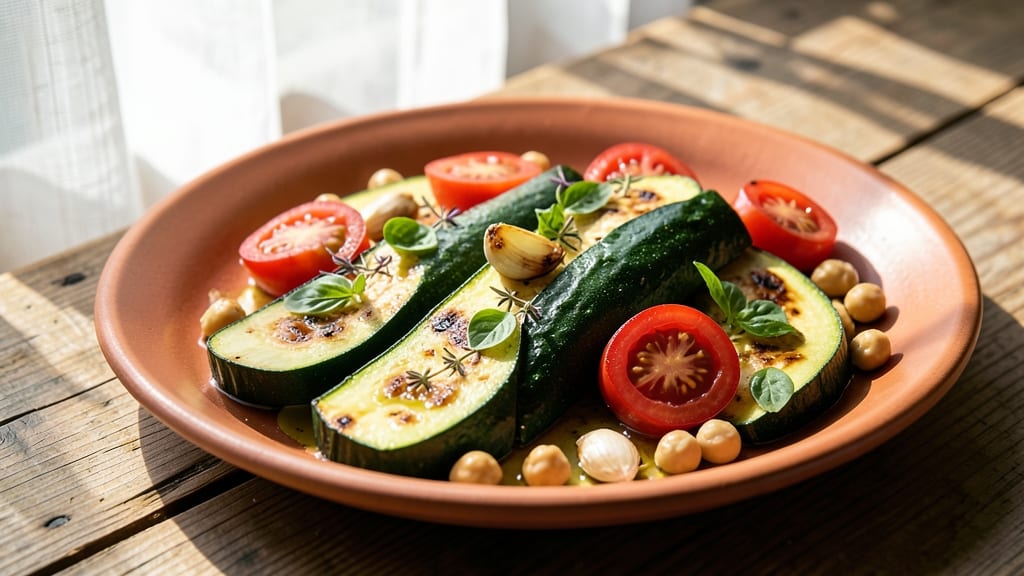
A zesty courgette and tomato recipe transforms summer's freshest ingredients into a hearty Mediterranean stew that tastes like a sun-drenched vacation in every bite. The secret lies in slow-roasting the vegetables until caramelized, then simmering them with aromatic herbs and a touch of acidity to balance the sweetness.
I developed this dish after years of testing summer vegetable combinations, and it never fails to impress—whether served as a main course or paired with crusty bread.
What makes this recipe special is its versatility and depth of flavor. The courgettes (zucchini) and tomatoes are the stars, but they're elevated by garlic, fresh herbs like basil and oregano, and a splash of white wine that adds brightness.
I also include chickpeas for protein, making it a satisfying vegetarian meal that holds together beautifully. The dish builds flavor as it simmers, creating a rich, velvety sauce that coats every ingredient.
By the time you serve this stew, you'll have a dish that's naturally vibrant and full of Mediterranean character—golden caramelized vegetables, tender chickpeas, and a fragrant herb crunch that lingers on the palate.
The texture is a perfect balance: slightly crisp edges from the roasting, tender vegetables, and a sauce that's thick enough to cling to every spoonful. It's the kind of meal that feels both rustic and refined, perfect for warm evenings or potluck gatherings.
Pair it with a simple green salad and crusty bread to soak up the delicious sauce. The leftovers reheat beautifully, making this an ideal meal prep option for busy weeks. Let's bring the Mediterranean to your table with this foolproof recipe.
Ingredients for courgette tomato
Mediterranean staples and summer's freshest produce create this vibrant courgette tomato stew.
| Ingredient | Amount | Notes |
|---|---|---|
| Medium Courgettes (Zucchini) 🥒 | 2 medium | Trimmed, sliced lengthwise |
| Ripe Tomatoes 🍅 | 4 medium | Roma or vine-ripened, quartered |
| Chickpeas 🥜 | 1 ½ cups | Canned, drained and rinsed |
| Garlic Cloves 🧄 | 4 cloves | Minced, fresh preferred |
| Fresh Basil Leaves 🌿 | ½ cup | Chopped, packed loosely |
| Fresh Oregano Leaves 🌿 | ¼ cup | Chopped, or 1 tbsp dried |
| Extra-Virgin Olive Oil 🫒 | ½ cup | For roasting and finishing |
| Dry White Wine 🍷 | ½ cup | Sauvignon Blanc preferred |
| Vegetable Broth 💧 | 1 cup | Low-sodium preferred |
| Lemon Juice 🍋 | 2 tbsp | Freshly squeezed |
| Salt 🧂 | 1 ½ tsp | Diamond Crystal kosher |
| Black Pepper 🌶️ | ½ tsp | Freshly cracked |
| Crusty Bread 🍞 | 1 loaf | For serving, optional |
The tomatoes and courgettes are the stars—pick vibrant red tomatoes and firm, medium-sized courgettes for the best texture. Heirloom varieties or Roma tomatoes add depth, but vine-ripened grocery store tomatoes work too. Courgettes should be bright green with no soft spots. I always grab mine from the local farmers market when they're in season, but the grocery store produce section has solid options if you're short on time. For the herbs, fresh basil and oregano make all the difference—Trader Joe's has great pre-washed bundles that save prep time. If you're using dried herbs, measure sparingly—they're more concentrated.
No white wine? Substitute extra vegetable broth—just add an extra splash of lemon juice to keep the brightness. Short on chickpeas? White beans or cannellini beans work beautifully. The olive oil matters here—use something with fruity notes (like California Early Harvest) rather than the mild supermarket stuff. For the bread, any crusty loaf does the trick—sourdough or ciabatta are ideal, but a simple baguette works too. If you can't find fresh oregano, dried marjoram is a decent swap, though it's not identical. The key is balancing sweetness and acidity, so adjust the lemon juice to taste at the end.
This stew tastes even better the next day as flavors meld. Store leftovers in an airtight container in the fridge for up to 5 days. For meal prep, portion into containers with a small amount of broth—it reheats beautifully. The bread? Toast it fresh when serving to keep it crisp. Freezes well for 3 months if you want to make a big batch for later. I always double the recipe and freeze half—summer veggies disappear too fast otherwise.
Why You'll Love This Recipe
- 20-Minute Roast: I swear by this when I’m staring at the clock at 7:15 PM. Toss sliced courgettes, halved tomatoes, and chickpeas with olive oil, garlic, and salt—then pop them in the oven. No chopping boards, no mess, just hands-off perfection while you pour a glass of wine.
- Garlic-Basil Magic: The moment those roasted tomatoes burst and the basil hits your tongue? That’s when you know you’ve won. The garlic caramelizes just enough to make every bite feel like a little Italian vacation, and the basil ties it all together without overpowering.
- Lunch or Dinner: Between us, this dish is my lazy Sunday lunch and my weeknight dinner. Serve it warm with crusty bread or let it cool for a no-fuss salad that still packs flavor. Even my picky husband asks for seconds—rare, but true.
- Budget-Friendly Feast: Chickpeas and courgettes stretch this into a full meal without breaking the bank. I’ve made it for four people for under £5, and it still feels special enough for guests. Plus, leftovers? They taste even better the next day.
Step-by-step instructions for Mediterranean courgette and tomato stew
This vibrant stew builds layer upon layer of Mediterranean flavor—start with roasted vegetables, then deepen with wine and herbs.
Roast Vegetables Until Caramelized
Preheat your oven to 425°F and line a rimmed baking sheet with parchment paper. Arrange the sliced courgettes and quartered tomatoes in a single layer, leaving space between each piece. Drizzle evenly with 3 tablespoons of the extra-virgin olive oil and sprinkle with ½ teaspoon of the salt and ¼ teaspoon of the black pepper.
Roast for 20-25 minutes, stirring once halfway, until the edges are deeply golden and the tomatoes begin to blister. This high-heat roasting develops intense sweetness and caramelized depth that forms the stew's foundation. The courgettes should soften slightly but still hold their shape—over-roasting turns them mushy. Here's the thing—don't crowd the pan or the vegetables will steam instead of roast.
Sauté Aromatics and Deglaze with Wine
While the vegetables roast, heat 2 tablespoons of the extra-virgin olive oil in a large Dutch oven over medium-high heat. Add the minced garlic cloves and sauté for 30 seconds until fragrant—this prevents the garlic from burning, which would make the entire dish bitter.
Pour in the dry white wine and scrape vigorously with a wooden spoon to deglaze the pot, collecting all the browned bits from the bottom. Let the wine reduce by half, about 2-3 minutes, until it becomes syrupy and glossy. This step builds the stew's rich, wine-infused base that will carry all the other flavors.
Combine Roasted Vegetables with Chickpeas and Broth
Transfer the roasted courgettes and tomatoes to the Dutch oven with the wine reduction. Stir in the drained chickpeas, remaining 0.5 cup of extra-virgin olive oil, and the vegetable broth. Bring to a gentle simmer over medium heat, then reduce heat to low and let it cook uncovered for 15 minutes, stirring occasionally.
You'll notice the stew thicken slightly as the vegetables release their juices. The courgettes should be tender but still hold their shape, and the tomatoes should break down into a luscious, slightly chunky sauce. This gentle simmering allows all the flavors to meld without breaking down the vegetables into mush. Real talk—if the stew looks too thin at this point, you can reduce it further by simmering uncovered for another 5 minutes.
Finish with Herbs and Brighten with Lemon
Remove the stew from heat and stir in the chopped fresh basil leaves and oregano leaves. Let the mixture steep for 5 minutes, allowing the herbs to infuse their vibrant flavors into the stew. This is where the dish truly comes alive with that signature Mediterranean herb crunch.
Return the stew to low heat and stir in the lemon juice. Taste and adjust seasoning with the remaining 1 teaspoon of salt and ¼ teaspoon of black pepper if needed. The lemon juice brightens the dish, cutting through the richness of the olive oil and balancing the earthy flavors of the roasted vegetables. Serve immediately with warm crusty bread to soak up every last bit of that flavorful broth.
Pro Tips For Making Courgette Tomato
- Slice Courgettes Thin: I learned this the hard way—thick slices turn mushy while thick tomatoes stay firm. Aim for ¼-inch slices for both; they’ll soften evenly without falling apart. (Yes, even if you’re impatient like me, resist the urge to rush this.)
- Roast Tomatoes First: Toss halved tomatoes with oil, salt, and pepper, then roast at 200°C (400°F) for 10 minutes before adding anything else. This concentrates their flavor and cuts down on cooking time later—no sad, watery tomatoes here.
- Salt Chickpeas Early: Drain and rinse canned chickpeas, then toss them with ½ teaspoon salt right away. Letting them sit for 5 minutes draws out excess moisture, so they absorb flavors better instead of turning into a stew.
- Add Basil Late: Fresh basil wilts fast—wait until the very end to stir in whole leaves or tear them by hand. If you’re worried about wilting, add a splash of cold water at the finish and let it sit for 2 minutes before serving. (Your future self will thank you.)
Common mistakes when making perfect results
Overcrowding the Pan
When roasting the courgettes and tomatoes, resist the urge to pile them too closely together. I’ve seen beginners crowd the baking sheet, which causes the vegetables to steam instead of roast—resulting in soggy, flavorless courgettes and watery tomatoes.
Arrange them in a single layer with space between each piece for proper airflow. If your baking sheet is small, roast in batches. 🌡️
Skipping the Wine Reduction
The wine reduction is where the magic happens—it builds depth and complexity in the stew. If you rush this step or skip it entirely, your dish will taste flat. Always let the wine reduce by half before adding the vegetables.
I use a Sauvignon Blanc for its crisp acidity, but any dry white wine works. Never substitute broth here—you’ll lose that essential brightness.
Underseasoning the Stew
Many home cooks hold back on salt and pepper, thinking they’ll ruin the dish. Trust me, this stew needs bold seasoning to shine. Taste as you go—especially after adding the lemon juice—and adjust with the remaining 1 teaspoon salt and ¼ teaspoon black pepper.
The herbs and wine already add complexity, but the base needs that proper saltiness to balance everything. I often add an extra pinch of salt at the end, even if it seems like enough.
Using Dull Olive Oil
Not all olive oil is created equal. If you grab the cheapest supermarket bottle labeled "olive oil," you’re missing out on the fruity, aromatic notes that elevate this dish. Invest in a high-quality extra-virgin olive oil with noticeable flavor—brands like California Early Harvest or Colavita make a difference.
The oil carries the herbaceous flavors and adds richness, so don’t skimp here. 🫒
Overcooking the Herbs
Fresh herbs like basil and oregano should infuse the stew, not wilt into oblivion. Once you stir them in, remove the stew from heat immediately and let them steep for just 5 minutes. If you simmer them too long, they’ll turn bitter and muddy the dish.
I also recommend adding them at the very end—this preserves their bright, fresh flavor. Pro tip: Reserve a few leaves to garnish each serving for that restaurant-quality touch.
Ignoring the Resting Time
After simmering, let the stew rest for at least 10 minutes before serving. This allows the flavors to meld and the sauce to thicken slightly. I’ve seen people serve it immediately, and the result is a thinner, less cohesive dish.
The resting time also lets the courgettes reabsorb some of their juices, keeping them tender rather than mushy. Patience here makes all the difference. ✨
Nutrition facts
Frequently asked questions
Can I substitute regular tomatoes for Roma tomatoes in this recipe?
While Roma tomatoes have fewer seeds and more flesh, vine-ripened grocery store tomatoes work beautifully. Just remove the cores and chop them into ½-inch pieces for even cooking. The skin will soften during roasting, so no need to peel them. For extra flavor, choose tomatoes that are fully red and slightly soft to the touch.
How do I adjust this recipe for meal prep?
Double the recipe and store in airtight containers for up to 5 days in the fridge. For best texture, reheat gently on low heat with a splash of water or broth. The stew actually tastes better the next day as flavors meld! Freeze portions for up to 3 months—just thaw overnight in the fridge before reheating.
What's the best way to serve this courgette tomato dish?
Pair it with warm crusty bread or crusty rolls to soak up the delicious sauce. For a complete meal, add a simple green salad with lemon vinaigrette and a sprinkle of feta cheese. The bright acidity of the salad cuts through the richness of the stew beautifully. Garnish each serving with fresh basil leaves for that restaurant-quality touch.
Can I make this recipe without wine?
Yes! Substitute the ½ cup white wine with an extra ½ cup vegetable broth plus 1 extra tablespoon lemon juice to maintain brightness. The acidity from the lemon will still balance the flavors, though the wine adds depth that's hard to replicate. For a non-alcoholic alternative, try sparkling apple cider reduced by half.
Why do my courgettes turn mushy when roasted?
Overcrowding the baking sheet causes steaming instead of roasting. Arrange courgettes in a single layer with space between each piece for proper airflow. Also, check for doneness at 20 minutes—they should be tender but still hold their shape. If using very large courgettes, slice them thinner (¼-inch thick) for even cooking.