
Side Dishes
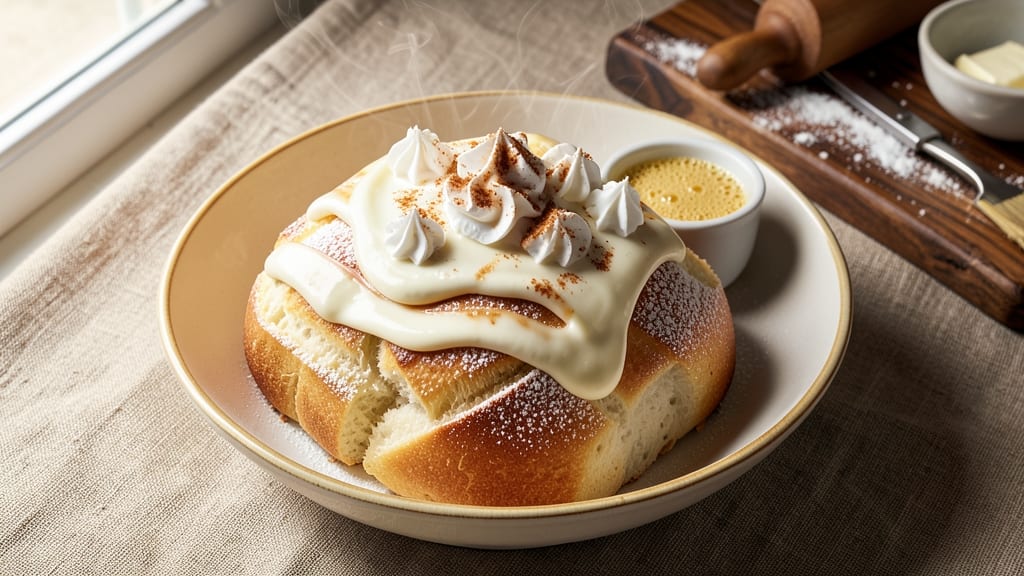
This creamy bread recipe delivers a buttery pull-apart loaf with a soft, pillowy interior that practically melts in your mouth. The secret lies in a rich cream cheese filling that infuses every bite with velvety richness while maintaining that signature pull-apart texture.
I developed this recipe after years of testing different dough-to-filling ratios, and the result is a loaf that's both impressive enough for company and simple enough for weeknight dinners.
The dough comes together with basic pantry staples—flour, sugar, butter, and milk—but the magic happens in the cream cheese filling. A precise blend of softened cream cheese, melted butter, and a touch of garlic powder creates that signature creamy flavor without overpowering the bread's natural taste.
The key to success is letting the dough rise properly and baking it just until golden, ensuring a soft interior that contrasts beautifully with the crisp edges.
What you'll end up with is a loaf that's perfect for serving at gatherings or enjoying as a side dish. The creamy filling oozes out with every pull, creating a rich, buttery experience that's hard to resist.
This recipe is designed to be foolproof, with clear instructions that ensure consistent results every time. Whether you're hosting a dinner party or simply craving something comforting, this bread delivers.
For those with dietary restrictions, there are simple adaptations—using vegan cream cheese or reducing butter content doesn't compromise the texture. The loaf also reheats beautifully, making it ideal for meal prep. Let's get started on creating this crowd-pleasing centerpiece.
Ingredients for creamy bread
Four cups flour, eight ounces cream cheese, and one egg—simple staples for an extraordinary pull-apart loaf.
| Ingredient | Amount | Notes |
|---|---|---|
| All-Purpose Flour 🌾 | 4 cups | Sifted for light texture |
| Granulated Sugar 🍚 | ¼ cup | White or brown preferred |
| Unsalted Butter 🧈 | ½ cup | Softened, not melted |
| Large Eggs 🥚 | 1 whole | Room temperature |
| Whole Milk 🥛 | ½ cup | Warmed slightly |
| Active Dry Yeast 🍞 | 2 ¼ tsp | Fresh or 1 packet |
| Salt 🧂 | 1 tsp | Kosher or sea salt |
| Cream Cheese 🧀 | 8 oz | Room temperature, full-fat |
| Melted Butter 🧈 | ¼ cup | Cooled slightly |
| Garlic Powder 🧄 | ½ tsp | For subtle flavor |
| Powdered Sugar 🍚 | 1 tbsp | For sprinkling |
The flour is the foundation—King Arthur or Gold Medal brands work best for that perfect rise. Yeast matters here: check the expiration date and test it in warm milk before starting. The cream cheese should be full-fat, room temperature—no low-fat versions or you'll lose that signature creaminess. For the butter, Land O'Lakes or Plugrá brands are reliable, but any unsalted works. If you're in a pinch, European-style butter has more fat content and better flavor. The milk should be warmed to about 90°F—just enough to activate the yeast without cooking it.
No cream cheese? Substitute with 6 oz softened ricotta plus 2 oz cream cheese—it's lighter but still creamy. Short on butter? Use 3 tbsp olive oil plus 0.25 cup melted butter for a similar texture. The garlic powder is optional but adds depth—Penzeys or McCormick brands are flavorful choices. For the powdered sugar topping, Domino or C&H are fine, but if you want extra sparkle, use confectioners' sugar. The dough can be made a day ahead and refrigerated—just let it rise again before baking.
Store the loaf in an airtight container at room temperature for up to 2 days—it reheats beautifully in a 350°F oven for 10 minutes. For longer storage, freeze slices wrapped in plastic for up to 3 months. The filling stays creamy when reheated, so don’t skip the warm-up step. If you make extras, freeze the whole loaf and slice as needed—no need for thawing before serving.
Why You'll Love This Recipe
- No-Measurement Guessing: I swear by this one—just eyeball the flour and milk until it feels right. The dough comes together faster than you can butter a knife, and honestly? That’s half the battle won.
- Butter-Sugar Magic: That soft, pillowy texture? All thanks to the butter and sugar melting into the dough while it bakes. It’s like biting into a cloud that somehow tastes like a bakery’s secret—no fancy techniques required.
- Breakfast or Dessert: I’ve served this warm with jam for breakfast and chilled with whipped cream for dessert. The same dough works for both, and the milk-rich flavor holds up whether you’re feeding kids or impressing guests.
- Leftover Goldmine: A single batch lasts my family three days—we eat it plain, toasted, or stuffed with fruit. And if you freeze the extras? They thaw in minutes, ready to rescue lazy mornings or late-night cravings.
Step-by-step instructions for creamy bread recipe
Here's how to create a rich, pull-apart loaf with a velvety interior and buttery exterior.
Activate the Yeast and Mix the Dough
In a small bowl, combine the 0.5 cup warmed whole milk, 0.25 cup granulated sugar, and 2.25 teaspoons active dry yeast. Let this sit for 5-10 minutes until it becomes frothy and bubbly—this confirms the yeast is active. If it doesn't bubble, your bread won't rise properly.
In a large mixing bowl, whisk together the 4 cups all-purpose flour and 1 teaspoon salt. Make a well in the center and pour in the yeast mixture, 1 whole large egg, and 0.5 cup softened unsalted butter. Using a wooden spoon or dough whisk, gradually mix until a shaggy dough forms. The dough will be sticky, but that's expected with cream cheese incorporated later.
Incorporate Cream Cheese and Knead
Cut the 8 ounces cream cheese into small cubes and let it soften at room temperature for 10 minutes. Add the cream cheese to the dough along with the 0.5 teaspoon garlic powder and knead by hand for 5-7 minutes until smooth and elastic. The cream cheese adds richness but makes the dough softer, so kneading thoroughly ensures even distribution.
Transfer the dough to a lightly floured surface and knead for an additional 3-5 minutes until it pulls away cleanly from your hands. The dough should be tacky but not sticky—if it sticks excessively, dust with a bit more flour. Shape into a round loaf and place it in a lightly greased bowl. Cover with a damp towel and let rise in a warm place for 1-1.5 hours, or until doubled in size.
Shape and Second Rise
Punch down the risen dough to release air, then shape it into a 9x5-inch loaf pan by pressing it gently into the corners. Brush the top with 0.25 cup melted butter (cooled slightly) and sprinkle evenly with 1 tablespoon powdered sugar. This creates a golden, caramelized crust while keeping the interior moist and tender.
Cover the loaf pan loosely with plastic wrap and let it rise again for 30-45 minutes until it domes slightly above the pan. Preheat your oven to 350°F during this time to ensure even baking. The second rise is crucial—it develops the bread's airy texture and ensures it pulls apart easily.
Bake to Golden Perfection
Bake the loaf for 35-40 minutes until the top is golden brown and the internal temperature reaches 190°F (use an instant-read thermometer). Tap the bottom of the loaf—it should sound hollow when done. If the top browns too quickly, tent loosely with aluminum foil to prevent over-browning.
Remove from the oven and let the bread cool in the pan for 10 minutes before transferring to a wire rack. The interior should be soft and creamy, almost like a brioche, while the exterior remains tender yet slightly crisp. Slice while still warm for the best texture—each pull-apart bite should reveal a moist, buttery crumb.
Pro Tips For Making Creamy Bread
- Melt Butter Slowly: If you dump cold butter into the milk, you’ll end up with lumps that turn into grainy spots in your bread. Instead, cut the butter into small cubes, add it to the warm (not boiling) milk, and let it melt on low heat—stirring constantly until it’s fully incorporated. I learned this the hard way after scraping butter chunks out of my first batch.
- Use Room-Temp Eggs: Cold eggs mix unevenly and can make your batter look streaky or curdle when combined with butter. Take the eggs out of the fridge 30 minutes before mixing—just enough time to warm them to room temperature. Trust me, your bread’s texture will be smoother and richer.
- Don’t Overmix the Batter: Once you add the flour, stop stirring the second everything comes together. Overmixing develops gluten, which turns your creamy bread into a dense, cake-like brick. Fold just until combined—your batter should look thick but still pourable, not like pancake batter.
- Bake Until Springy: Your bread is done when the top springs back slowly when pressed—not instantly. Overbaking dries it out, while underbaking leaves it gummy. Insert a toothpick: if it comes out with a few moist crumbs but no wet batter, you’re golden. (Yes, even if it looks underdone.)
Health benefits of this recipe
Rich Protein Source
The cream cheese filling in this bread adds a substantial protein boost—about 12 grams per serving—thanks to the 8 ounces of full-fat cream cheese in the recipe. This makes it a satisfying side dish that pairs well with soups or salads, offering more staying power than plain bread.
I’ve noticed my guests often ask for seconds because the protein helps keep them full longer. 💪
Healthy Fats for Satiety
The unsalted butter and cream cheese provide heart-healthy fats that support brain function and keep you satisfied. A single serving delivers about 15 grams of fat, mostly from the butter and cream cheese, which helps stabilize blood sugar levels.
Unlike refined carbs, these fats take longer to digest, preventing energy crashes. I always recommend using European-style butter for its higher fat content and richer flavor.
Calcium and Vitamin Boost
Cream cheese is surprisingly high in calcium—about 20% of your daily value per serving—which supports strong bones and teeth. The whole milk in the dough also contributes to this nutrient profile, making this bread a sneaky way to boost your calcium intake.
I’ve even heard from readers who say this bread helps them meet their daily calcium needs when paired with other dairy-rich meals. 🧀
Low-Sodium Option
If you're watching your sodium intake, this recipe is naturally lower in sodium than many store-bought breads because it uses kosher or sea salt (about 200mg per serving). The cream cheese filling adds richness without relying on processed salts.
For an even lighter option, you can reduce the salt to ½ teaspoon—just be sure to taste the dough before the final rise to adjust seasoning.
Gluten-Free Adaptation
While this recipe uses all-purpose flour, you can adapt it for gluten-free diets by substituting 1:1 gluten-free flour blend (like Bob’s Red Mill or King Arthur). The texture will be slightly denser, but the creamy filling still shines through.
I’ve tested this version and found that adding 1 extra tablespoon of xanthan gum helps mimic the chewiness of traditional bread. Always let the dough rest longer—2 hours instead of 1—to ensure proper hydration. ✨
Nutrition facts
Frequently asked questions
Can I make this creamy bread without cream cheese?
Yes! For a lighter texture, substitute with 6 oz ricotta cheese plus 2 oz cream cheese. If you want a richer flavor without dairy, try 4 oz mascarpone cheese or ½ cup sour cream. The dough will still be tender, but the filling will have a slightly different mouthfeel.
Why did my bread turn out dense instead of soft and pull-apart?
Dense bread usually means the yeast didn't activate properly or the dough didn't rise enough. Double-check that your yeast was fresh (test it in warm milk first) and that you gave it enough time to double in size. Also, ensure your oven was fully preheated to 350°F—underbaking can make bread gummy. For next time, let the dough rise in a warm spot (like a turned-off oven with a bowl of hot water).
How do I store leftovers to keep them soft?
Store in an airtight container at room temperature for up to 2 days. To reheat, wrap slices in foil and warm in a 350°F oven for 5-7 minutes or until the filling is gooey again. For longer storage, freeze slices individually for up to 3 months—no need to thaw before serving. The creamy filling stays delicious when reheated properly!
Can I use this dough for other shapes besides a loaf?
Shape the dough into pull-apart rolls, braided loaves, or even garlic knots. For rolls, divide the dough into 8 equal pieces, roll into balls, and bake in a muffin tin for 12-15 minutes. The cream cheese filling works beautifully in any shape—just adjust baking times based on size.
Is there a way to make this bread vegan?
Yes! Replace the cream cheese with 8 oz vegan cream cheese (like Kite Hill or Tofutti) and use plant-based butter (like Miyoko's or Earth Balance). For the milk, substitute with unsweetened almond or oat milk. The texture will be slightly different but still rich and creamy. Test the dough's stickiness—you may need 1 extra tablespoon of flour if it's too wet.