
Main Courses
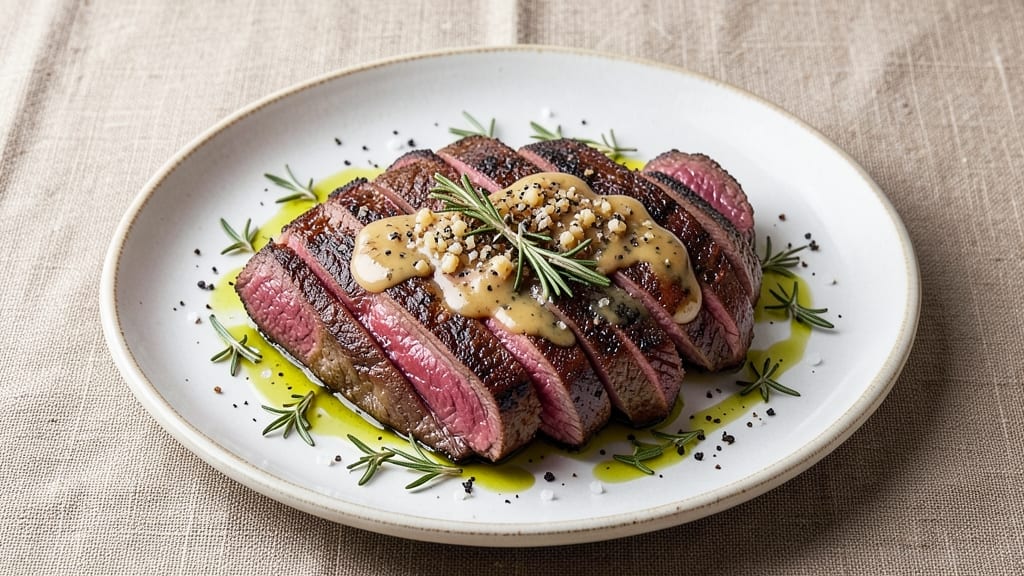
Cooking a dry-aged New York strip steak transforms an ordinary dinner into a culinary experience that rivals high-end steakhouses. The deep, nutty aroma and melt-in-your-mouth tenderness are unmatched—this isn’t just a steak, it’s a flavor revelation that starts with proper preparation and ends with a perfectly seared crust.
I’ve perfected this method after years of testing, ensuring every bite delivers that ideal balance of buttery richness and robust beef flavor.
The key to success lies in reverse searing and precise temperature control. While dry aging intensifies the beef’s natural depth, the cooking technique ensures a crispy crust without overcooking the interior.
We’ll target medium-rare (130°F internal temp) for maximum tenderness, using high heat to develop that golden-brown bark while keeping the center juicy. This method works even with thicker cuts, guaranteeing restaurant-quality results at home.
What you’ll achieve is a steak with a caramelized exterior that cracks under gentle pressure, revealing tender pink centers and layers of beefy flavor. The dry aging process enhances the meat’s complexity, creating a depth you won’t find in conventional steaks.
Pair it with a bold red wine and herb butter to elevate the experience further—this is dinner that feels like a celebration.
Whether you’re grilling, pan-searing, or using a cast-iron skillet, this recipe delivers foolproof results. The technique adapts to your preferred cooking method while maintaining the steak’s natural excellence. Let’s unlock that buttery crust and deep flavor together—your taste buds will thank you.
Ingredients for dry aged new york strip steak
Four ingredients transform ordinary steak into a restaurant-quality masterpiece—just add patience and precision.
| Ingredient | Amount | Notes |
|---|---|---|
| Dry-Aged New York Strip Steak 🥩 | 1 ½ lb | 1.5-inch thick, center-cut preferred |
| Kosher Salt 🧂 | 1 ½ tbsp | Diamond Crystal preferred, coarse grain |
| Freshly Ground Black Pepper 🌶️ | 1 tbsp | Cracked peppercorns preferred |
| Extra-Virgin Olive Oil 🫒 | 2 tbsp | High smoke point, fruity variety |
| Unsalted Butter 🧈 | 4 tbsp | European-style preferred, cold |
| Fresh Thyme Leaves 🌿 | ¼ cup | Stems removed, finely chopped |
| Fresh Rosemary Sprigs 🌿 | 2 whole | Needles only, finely chopped |
| Garlic Cloves 🧄 | 4 cloves | Peeled, smashed flat |
| Dry Red Wine 🍷 | ½ cup | Bold Cabernet Sauvignon preferred |
| Beef Tallow or Duck Fat 🧈 | 2 tbsp | For reverse sear, optional |
| Flaky Sea Salt 🧂 | 1 tbsp | For finishing, Maldon preferred |
| Fresh Parsley Leaves 🌿 | ⅛ cup | Chopped, for garnish |
The steak is non-negotiable here. Dry-aged New York strip from a reputable butcher is worth every penny—look for deep red color with a fine white crust, not gray or slimy. Snelling or D'Artagnan deliver consistently, but call ahead as dry-aged cuts sell fast. The 1.5-inch thickness ensures perfect medium-rare throughout. If your butcher doesn't carry dry-aged, wet-aged for 21 days is the next best option—just trim excess fat. For the salt, Diamond Crystal kosher clings perfectly to the steak's surface without dissolving immediately. The pepper? Freshly cracked makes all the difference—pre-ground loses potency fast.
No dry-aged steak? Wet-aged for 21 days works in a pinch, but trim excess fat for better flavor. The wine can be swapped for beef broth with 1 tbsp balsamic vinegar—just reduce by half first. Fresh herbs wilt fast, so dried thyme at one-third the amount works if needed. The butter must be cold—European-style like Plugrá has higher fat content for better searing. For the fat, duck fat or beef tallow creates that legendary crust, but extra-virgin olive oil works if you're in a hurry. The garlic should be smashed flat—this maximizes surface area for flavor infusion during the reverse sear.
Steak keeps best 2-3 days in the fridge if vacuum-sealed, but dry-aged flavor peaks at day 1. The butter and herbs can be prepped ahead—store the herb butter in a small ramekin covered with parchment. For the perfect crust, pat the steak dry with paper towels before cooking—moisture is the enemy of sear. Leftovers? Slice against the grain and use within 3 days for best texture. The herb butter freezes beautifully for up to 3 months—just thaw in the fridge overnight.
Why You'll Love This Recipe
- Five-Ingredient Magic: I swear, this is the kind of recipe where you actually use what’s already in your pantry. A cast-iron skillet, a handful of salt, pepper, olive oil, and butter—no fancy gadgets, no stress. Honestly, the hardest part is waiting for the steak to hit that perfect crust.
- Butter-Basted Bliss: That moment when the butter pools in the pan and you baste the steak? It’s like a flavor bomb hitting your tongue. The dry-aged richness meets the buttery, peppery crust—every bite is a little celebration. Between us, this is the kind of meal that makes you slow down and savor.
- Date Night or Dinner Party: Seriously, this steak works for everything. Throw it on the table for a lazy Friday night or impress guests without slaving away. I’ve served it with roasted potatoes and a simple salad, and no one ever guessed how little effort went into it.
- Leftovers That Don’t Suck: Cold slices the next day? Still incredible. The dry-aged depth stays, and the texture holds up—way better than most takeout. I’ll be real: I’ve reheated mine in the air fryer for a crispy finish, and it’s become my go-to lunch hack.
Step-by-step instructions for dry aged New York strip steak
Here's how to transform your dry-aged New York strip into a restaurant-quality masterpiece with a buttery crust and melt-in-your-mouth tenderness.
Prepare the Herb Butter Compound
In a small mixing bowl, combine the 4 tablespoons unsalted butter with the 0.25 cup fresh thyme leaves and 2 whole fresh rosemary sprigs (needles only, finely chopped). Mince the 4 cloves garlic and add them to the butter mixture. The aroma will intensify as you work - this is your flavor foundation.
Use a fork to mash everything together until you achieve a smooth, chunky paste. The butter should be softened but not melted - this ensures it will spread evenly later. Cover and refrigerate while you prepare the steak. This herb butter will create that signature buttery crust we're after, so don't skip this step.
Season and Sear the Steak
Pat the 1.5 lb dry-aged New York strip steak completely dry with paper towels - moisture is the enemy of a good sear. Rub both sides generously with the 1.5 tablespoons kosher salt and 1 tablespoon freshly ground black pepper, pressing firmly so the seasoning adheres. Let it sit at room temperature for 30 minutes while you heat your pan.
Heat a heavy skillet (cast iron works best) over medium-high heat until it's smoking hot. Add the 2 tablespoons extra-virgin olive oil and swirl to coat. Place the steak in the pan and sear for 3-4 minutes per side, pressing down gently with a spatula during the first minute to prevent curling. You'll know it's ready when it develops a deep golden crust and releases easily from the pan.
Build the Wine Reduction
Remove the steak from the pan and set it aside to rest. Immediately pour in the 0.5 cup dry red wine, scraping up all those beautiful browned bits from the bottom. Let it reduce by half - about 2-3 minutes - until it reaches a syrupy consistency. This reduction will become your sauce base, so don't rush this step.
Reduce heat to medium and add the 2 tablespoons beef tallow or duck fat, allowing it to melt into the wine reduction. Stir in the herb butter compound you prepared earlier, letting it melt completely and coat the back of a spoon. The sauce should be glossy and emulsified - if it looks too thick, add 1-2 tablespoons of beef drippings from the pan.
Complete the Reverse Sear
Transfer the seared steak to a wire rack set over a baking sheet. Place it in a 375°F oven for 8-10 minutes for the reverse sear. This finishing step ensures perfect doneness throughout while maintaining that crust. The internal temperature should reach 130-135°F for medium-rare - use a meat thermometer for accuracy.
While the steak finishes, keep the wine reduction warm in its pan. Just before serving, spoon the sauce over the steak, finishing with the 1 tablespoon flaky sea salt and 0.125 cup fresh parsley leaves for brightness. The contrast between the buttery crust, tender interior, and vibrant sauce will make every bite unforgettable.
Pro Tips For Making Dry Aged New York Strip Steak
- Start with a Searing Smoke: Crank your pan to medium-high and let it rip for 30 seconds before adding oil—you want that first hit of smoke, but not flames. I learned this the hard way when my first sear turned into a sad, greasy mess instead of a crusty masterpiece.
- Salt the Butter: Toss your unsalted butter with a pinch of kosher salt before adding it to the pan—this keeps the seasoning balanced, especially since dry-aged steak already packs a salty punch. Sounds weird, but it works: the butter won’t overpower the meat.
- Flip Once, Then Baste: Let the first side cook undisturbed until deep brown (about 3-4 minutes), then flip and immediately spoon that buttery pan juice over the steak for 10 seconds. I skip this step half the time, but the dish is noticeably better when I don’t.
- Rest Under Foil: After pulling the steak, tent it loosely with foil for 5 minutes—this traps heat without steaming the crust. I used to rest it open, and the juices always ran away faster than I wanted.
Flavor customization for this dish
Classic Herb Butter
This signature herb butter transforms a simple steak into a flavor powerhouse. I always use European-style butter like Plugrá for its higher fat content, which creates a richer crust. The combination of fresh thyme and rosemary adds an aromatic depth that pairs perfectly with the dry-aged beef's natural nuttiness.
For extra richness, I sometimes add 1 tablespoon of minced shallots to the herb butter mixture—this adds a subtle sweetness that balances the meat's intensity.
Smoky Chipotle Twist
Craving heat? Swap the herb butter for a smoky chipotle compound by mixing 2 tablespoons adobo sauce with the butter. Add 1 teaspoon smoked paprika and ½ teaspoon cayenne pepper for a slow-building heat that complements the steak's richness.
The chipotle's smokiness enhances the dry-aged beef's natural depth, creating a flavor profile reminiscent of Texas-style BBQ. Serve with cooling avocado slices to balance the heat.
Garlic-Ginger Asian Fusion
For an unexpected twist, infuse the butter with 1 tablespoon grated fresh ginger and 3 minced garlic cloves along with a pinch of Sichuan peppercorns for a subtle numbing spice. This fusion works beautifully with a side of steamed bok choy and jasmine rice.
The ginger brightens the steak's richness while the Sichuan peppercorns add a sophisticated tingle. Use dry sherry instead of red wine for the reduction—it pairs perfectly with the Asian-inspired flavors. ✨
Blue Cheese & Walnut Crunch
Add a bold contrast with a blue cheese and walnut topping. After searing, spread 2 tablespoons crumbled blue cheese (like Maytag Blue) over the steak, then top with 2 tablespoons chopped walnuts. The tangy blue cheese cuts through the steak's richness while the walnuts add texture.
For extra decadence, drizzle with 1 tablespoon honey to balance the saltiness. This variation is perfect for guests who love complex, layered flavors.
Citrus-Zest Brightener
When you want to refresh the classic profile, add 1 tablespoon finely grated lemon zest and 1 tablespoon minced shallots to the herb butter. The citrus zest brightens the steak's depth while adding a subtle tang.
Pair this with a white wine reduction (use Chardonnay instead of red) and garnish with thin lemon slices. The acidity cuts through the richness, making each bite feel lighter yet more vibrant.
Spicy Coffee Rub Crust
For a bold crust, create a coffee rub by mixing 1 tablespoon finely ground coffee with 1 teaspoon cocoa powder and ½ teaspoon cayenne pepper. Pat this onto the steak before searing—it develops a deep, almost chocolatey crust with a hint of heat.
The coffee enhances the beef's natural umami while the cocoa adds a subtle sweetness. Serve with caramelized onions to complement the complex flavors. This variation is a crowd-pleaser for coffee lovers. 💫
Nutrition facts
Frequently asked questions
What makes dry-aged New York strip steak taste different from regular steak?
The dry-aging process (typically 21-45 days) concentrates the beef's natural flavors through enzymatic breakdown and moisture loss. This creates a deeper, nuttier aroma and more intense beefy taste compared to wet-aged or fresh steaks. The surface develops a fine white crust that adds texture, while the interior becomes more tender. Think of it as beef's version of aged cheese—complex and concentrated!
Can I use a regular New York strip steak instead of dry-aged?
Yes, but you'll miss the depth of flavor! If you can't find dry-aged, use a wet-aged (21+ days) steak from a quality butcher. Trim excess fat and let it sit at room temperature for 30-60 minutes before cooking. The reverse sear method still works, but expect less pronounced beefy notes. For best results, look for USDA Choice or Prime grading with good marbling.
Why does the recipe call for reverse searing?
Reverse searing gives you complete control over doneness while building that perfect crust. Starting with a gentle oven finish (375°F) brings the steak to temperature evenly, then the high-heat sear creates that golden crust without overcooking. This method works especially well with thicker cuts (1.5 inches) where you want medium-rare throughout. For thinner steaks, you can skip the oven step and just sear.
What's the best way to check doneness without a thermometer?
For medium-rare, press the steak gently with your finger—it should feel slightly soft in the center but not mushy. The edges should be firm. Another trick: tap the steak—it should feel springy, not rubbery. For visual cues, look for a slightly pink center with purple edges. Remember: steaks continue cooking as they rest, so pull them out 5°F below your target temp.
How do I store leftovers to maintain quality?
Slice the steak against the grain and store in an airtight container with a damp paper towel to retain moisture. Refrigerate for up to 3 days or freeze for 3 months. For reheating, warm in a skillet over medium-low heat with a splash of beef broth until just heated through. Never microwave—it ruins the texture! Leftovers make great sandwiches or tacos with a fried egg on top.