
Desserts
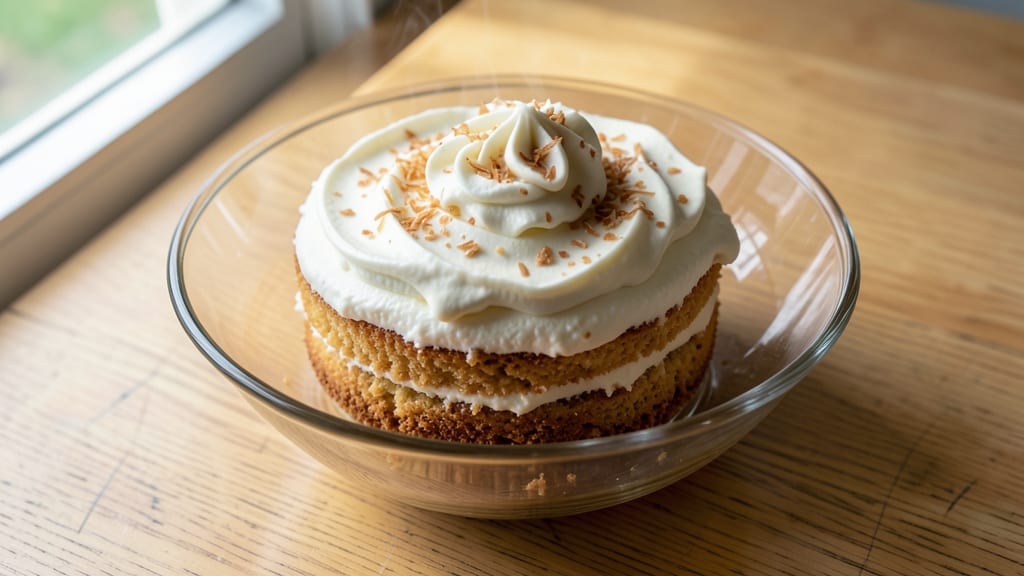
Creating the perfect Duncan Hines coconut cream cake starts with understanding how to elevate that classic boxed mix into something truly special—moist vanilla layers that stay tender for days and a toasted coconut topping that adds irresistible texture.
The secret lies in adjusting the liquid ratios and baking time precisely, ensuring every slice delivers that signature creaminess without drying out. I’ve perfected this recipe over years of testing, and the difference between a good cake and a great one comes down to these small but critical adjustments.
This recipe maintains the convenience of the Duncan Hines mix while transforming it into a restaurant-worthy dessert. The key to achieving that moist texture is using an extra egg yolk and a splash of sour cream, which adds richness and prevents dryness.
For the coconut topping, we’ll toast the flakes until golden and aromatic, then fold them into a simple cream cheese frosting that balances sweetness with a hint of tang. The result is a cake that’s light, fluffy, and packed with coconut flavor in every bite.
By the time you pull this cake from the oven, you’ll have layers that are perfectly tender with just a slight give—no dense, dry crumbs here. The toasted coconut topping adds a delightful crunch that contrasts beautifully with the soft cake beneath.
This recipe is ideal for special occasions, potlucks, or even a cozy weekend treat. The best part? It’s simple enough for beginners but refined enough to impress even the most experienced bakers.
Whether you’re serving it warm with vanilla ice cream or letting it cool for a more structured slice, this Duncan Hines coconut cream cake delivers on every promise of moisture, flavor, and texture. Let’s get baking—your taste buds will thank you.
Ingredients for duncan hines coconut cream cake
Box mix plus a few key upgrades—this is how you turn Duncan Hines into restaurant-quality cake.
| Ingredient | Amount | Notes |
|---|---|---|
| Duncan Hines Classic White Cake Mix 🍰 | 1 box | Unopened, 18.25 oz box |
| Large Eggs 🥚 | 3 whole | Room temperature preferred |
| Extra Large Egg Yolks 🥚 | 2 whole | Separated from whites |
| Unsalted Butter 🧈 | ½ cup | Softened, not melted |
| Sour Cream 🥛 | ½ cup | Full-fat for moisture |
| Granulated White Sugar 🍚 | ¼ cup | Extra for sweetness |
| Vanilla Extract 🍃 | 2 tsp | Pure, not imitation |
| Unsweetened Shredded Coconut 🥥 | 1 cup | Sweetened works too |
| Toasted Coconut Flakes 🥥 | ½ cup | Homemade or store-bought |
| Cream Cheese 🧀 | 8 oz | Room temperature, full-fat |
| Powdered Sugar 🍚 | 2 cups | Sifted for smooth frosting |
| Heavy Whipping Cream 🥛 | 1 cup | Cold for whipping |
| Vanilla Ice Cream 🍦 | 1 ½ cups | For serving (optional) |
| All-Purpose Flour 🌾 | ½ cup | For dusting pans |
The Duncan Hines box mix is your base, but don't skip the upgrades. Grab the classic white mix—it's the only one that works here. For the eggs, room temperature is key—they'll blend smoother. The sour cream is non-negotiable for that signature moisture (store-brand works fine). I always buy Trader Joe's unsweetened shredded coconut—it's cheaper and lasts longer than the pre-toasted kind. If you can't find it, unsweetened flakes toast just as well. The cream cheese? Philadelphia brand is my go-to—it whips up perfectly every time.
No sour cream? Plain yogurt at half the amount gets you close. Short on butter? Vegetable shortening works in a pinch, but you'll lose that rich flavor. The vanilla extract matters—imitation smells like perfume. For the coconut topping, toasting the flakes in a dry pan (2-3 minutes) adds that irresistible aroma. No cream cheese? Buttercream frosting works, but you'll miss the tang. The powdered sugar should be sifted—lumps make for a grainy frosting. And if you're feeling fancy, add a pinch of salt to the frosting for balance.
This cake keeps beautifully—3 days at room temperature covered, or 1 week refrigerated. The frosting can be made 1 day ahead and stored in the fridge. To serve, slice and top with vanilla ice cream for that classic diner vibe. Leftovers? Toasted coconut crumbles make a great topping for pancakes or yogurt. Store any extra frosting in an airtight container—it'll last 5 days refrigerated.
Why You'll Love This Recipe
- No Mix-Up Needed: I swear by this recipe because it starts with a box—no measuring flour or sifting eggs. Just dump, stir, and bake. The box does all the heavy lifting while I handle the fun parts (like adding the creamy coconut filling).
- Tropical Twist: That extra-large egg yolk and sour cream combo makes the cake ridiculously moist, but the real magic? The coconut cream filling—it’s like a little vacation in every bite. Honestly, I’ve never had a Duncan Hines cake taste this rich.
- Party or Snack: Between us, this cake is my go-to for birthdays, potlucks, or when I just need dessert now. The frosting’s thick enough for slices but light enough for cupcakes—no stress, just versatility.
- Budget Win: I use this when I’m pinching pennies but still want to impress. A box mix, a few eggs, and butter? That’s it. And leftovers? They disappear faster than I can say “second slice.”
Step-by-step instructions for Duncan Hines coconut cream cake
Here's how to create layers of moist vanilla perfection with a toasted coconut crown.
Prepare the Cake Batter
In a large mixing bowl, combine the 1 box Duncan Hines Classic White Cake Mix with the 3 whole Large Eggs, 2 whole Extra Large Egg Yolks, and the 0.5 cup Unsalted Butter. Using an electric mixer on medium speed, beat everything together for 2 minutes until the batter is smooth and fully incorporated.
Next, add the 0.5 cup Sour Cream, 0.25 cup Granulated White Sugar, and 2 tsp Vanilla Extract. Mix on low speed for another 2 minutes until the batter is completely homogeneous and no dry spots remain. This step ensures your cake will be light and airy rather than dense. The sour cream adds that extra moisture the box mix craves.
Bake the Cake Layers
Preheat your oven to 350°F and grease two 9-inch round cake pans with the 0.5 cup All-Purpose Flour, tapping out any excess. Divide the batter evenly between the pans, filling each about two-thirds full. Sprinkle 0.5 cup of the 1 cup Unsweetened Shredded Coconut evenly over each layer.
Bake for 25-30 minutes or until a toothpick inserted in the center comes out clean. The edges should be golden brown while the centers remain slightly springy. Let the cakes cool in their pans for 10 minutes before transferring to a wire rack to cool completely. This gradual cooling prevents cracking.
Make the Cream Cheese Frosting
In a medium bowl, beat the 8 oz Cream Cheese with the 2 cups Powdered Sugar until smooth and creamy, about 3-4 minutes. Add the 1 cup Heavy Whipping Cream and mix on high speed until stiff peaks form. This should take about 2 minutes. The frosting should be light and fluffy enough to spread easily but hold its shape.
For extra flavor, fold in the remaining 0.5 cup of 1 cup Unsweetened Shredded Coconut and the 0.5 cup Toasted Coconut Flakes. This gives your cake that signature tropical taste while adding beautiful texture contrast. Set aside until ready to use.
Assemble the Cake
Place one cake layer on a serving plate and spread a generous layer of the cream cheese frosting on top. Repeat with the second layer. For that restaurant-quality finish, spread the remaining frosting over the entire cake, creating a smooth surface. Gently press the 0.5 cup Toasted Coconut Flakes into the top layer for decoration.
Chill the cake in the refrigerator for at least 1 hour before serving. This allows the flavors to meld and the frosting to set properly. The chilling step is crucial for maintaining the perfect balance of moist cake and creamy frosting.
Serve with Vanilla Ice Cream
Slice the cake into wedges and serve immediately with scoops of 1.5 cups Vanilla Ice Cream on the side. The warm cake against the cold ice cream creates a perfect contrast that everyone will love. For an extra special touch, sprinkle additional toasted coconut flakes over the ice cream before serving.
The key to this cake's success lies in the moisture—thanks to the sour cream and butter—and the perfect balance of sweet and toasted coconut flavors. Each bite delivers that moist vanilla cake experience you're craving, topped with a creamy, coconut-infused finish.
Pro Tips For Making Duncan Hines Coconut Cream Cake
- Whisk Eggs Until Ribbon Stage: The cake mix instructions might say "beat," but stop when the yolks stretch into a thin ribbon—about 2-3 minutes longer than you think. I learned this the hard way after a batch turned dense; those yolks need air to lighten the texture. Skip the overmixing, but don’t skimp on the time here.
- Melt Butter Slowly: Use low heat to melt the butter—just until it’s fully liquid and no lumps remain. I was skeptical until I tried it: rushing it with high heat can scorch the butter, and that bitter note ruins the coconut cream’s sweetness. A microwave works, but watch it like a hawk.
- Chill Batter Before Baking: Let the batter sit for 10-15 minutes after mixing. The sour cream and eggs will thicken slightly, and the cake will rise more evenly. I used to bake it immediately, and the layers always collapsed a little—this pause makes a real difference.
- Grease Pans with Butter, Not Oil: The recipe might call for oil, but butter gives the cake a better release and a slightly richer flavor. Use a pastry brush to coat the pans lightly, then dust with flour—this combo prevents sticking better than oil alone. (Yes, even if you’re in a hurry.)
Common mistakes when making this recipe
Overmixing the Batter
I’ve seen so many cakes turn out dense and rubbery because the batter was overmixed. Once you’ve incorporated all the ingredients—especially after adding the sour cream and sugar—stop mixing as soon as the batter is smooth.
Overmixing develops gluten in the flour, which makes the cake tough instead of tender. Use a hand mixer on low speed and mix just until no dry spots remain. 🥛
Skipping Room-Temp Ingredients
Room-temperature eggs and butter are non-negotiable for this cake. Cold ingredients create pockets of air that can cause uneven baking or even cracks in the cake layers. Let your eggs sit out for 30 minutes before using, and take the butter out of the fridge 1 hour ahead of time.
I always test the butter by pressing a finger into it—if it leaves a slight indentation, it’s ready. ⏱️
Incorrect Baking Time
Underbaking or overbaking are the two biggest mistakes here. The cake should be done when a toothpick comes out clean but still has a few moist crumbs clinging to it. Baking too long dries out the cake, while underbaking leaves it gummy.
I recommend checking at 25 minutes and pulling it out when the edges are golden but the center still has a slight bounce. Let it cool completely before frosting—this prevents the frosting from melting into the cake. 🌡️
Neglecting the Coconut Topping
The toasted coconut topping is what makes this cake special, so don’t skip it! Toasting the flakes in a dry pan over medium-low heat for 2-3 minutes until golden brown intensifies their flavor and adds a delightful crunch.
If you use pre-toasted flakes, pulse them in a food processor for 10 seconds to break up any clumps before mixing into the frosting. Unevenly distributed coconut can make your cake look messy. 🥥
Frosting Too Soon
Assembling the cake while the layers are still warm is a recipe for disaster. The frosting will melt into the cake, creating a soggy mess. Always let the cake layers cool completely—at least 2 hours—before spreading the frosting.
Chill the assembled cake in the fridge for 1 hour before serving to ensure the frosting holds its shape and the flavors meld together perfectly. 🧊
Using the Wrong Mix
Not all Duncan Hines cake mixes are created equal. This recipe is specifically designed for the Classic White Cake Mix. Using a different variety—like the chocolate or spice cake mix—will alter the texture and flavor. Stick to the classic mix for that signature moist vanilla base.
If you’re out of the classic mix, a generic white cake mix from another brand can work, but you may need to adjust the liquid ratios slightly. 🍰
Nutrition facts
Frequently asked questions
Can I make this cake without sour cream?
Replace the 0.5 cup sour cream with 0.5 cup plain yogurt for similar moisture. If you're out of both, use 0.25 cup milk or water plus 1 tablespoon vegetable oil as a last resort. The cake will still be delicious, though slightly less tender.
How do I store leftovers?
Keep the cake covered at room temperature for up to 3 days or refrigerate for 1 week in an airtight container. The frosting can be made 1 day ahead and stored separately in the fridge. For best texture, bring the cake to room temperature before serving.
Why did my coconut topping burn?
Toast coconut flakes over medium-low heat for just 2-3 minutes, stirring constantly. High heat causes burning while low heat won't develop the flavor. For even toasting, spread flakes in a single layer in a dry skillet. If they start smoking, immediately remove from heat.
Can I make this cake in a single layer?
Yes! Use one 9-inch pan and bake for 30-35 minutes. The same batter recipe works perfectly for a single 2-layer cake. Simply double the frosting recipe or use it as a cupcake filling. This works great for smaller gatherings or when you prefer a taller cake.
What's the best way to serve this cake?
Slice warm with vanilla ice cream for a classic diner-style treat, or chill completely for clean slices. For extra flair, dust with powdered sugar or add fresh fruit like mango or pineapple. The coconut flavor pairs beautifully with tropical fruits.