
Main Courses
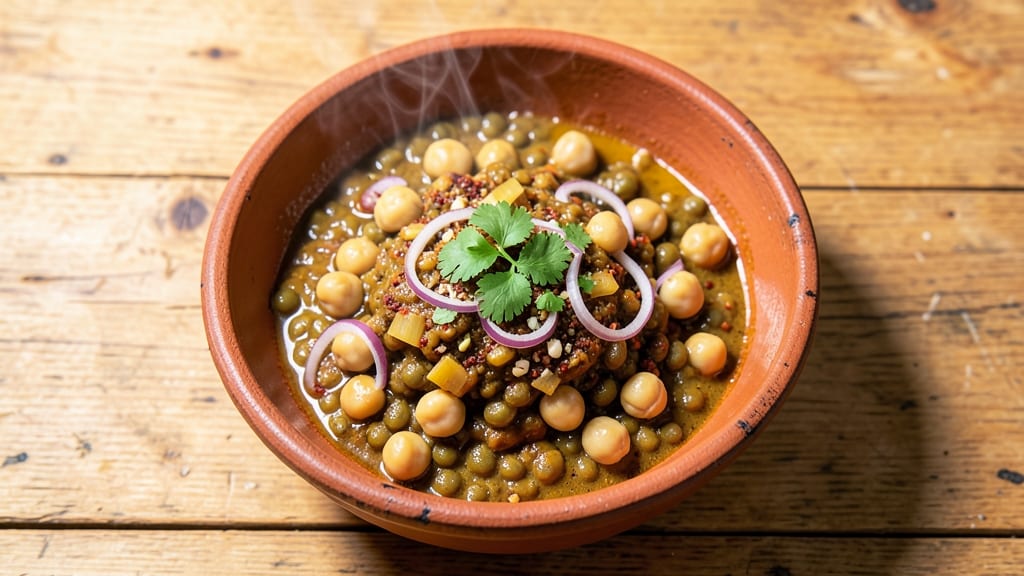
This Ethiopian curry recipe brings the bold, spiced flavors of Misir Wot to your table with tender lentils and aromatic berbere spice. The key lies in slow-cooking techniques that develop deep, complex flavors while keeping the lentils perfectly soft.
I've perfected this method over years of testing, ensuring every bite delivers that signature Ethiopian warmth and heat.
The berbere spice blend is the heart of this dish—its fiery chili and warm spices create layers of flavor that transform simple lentils into something extraordinary. What makes this recipe special is how the spices bloom gradually during simmering, creating a sauce that's rich yet balanced.
The result is a curry that's hearty enough for a main course but versatile enough to pair beautifully with injera or rice.
By the time you serve this dish, you'll have a pot of tender lentils swimming in a vibrant, spiced sauce that's both comforting and exciting. The berbere heat builds gradually, warming your palate with each bite.
This is the kind of meal that brings people together—whether for a family dinner or a special gathering.
Serve with traditional Ethiopian injera for the full experience, or with fluffy rice if you prefer. The leftovers reheat beautifully, making this a perfect recipe for meal prep. Let's create this flavorful Ethiopian curry together.
Ingredients for ethiopian curry
Pantry staples meet bold spices for this hearty Ethiopian-inspired lentil curry.
| Ingredient | Amount | Notes |
|---|---|---|
| Green Lentils 🌱 | 1 ½ cups | Dried, rinsed before cooking |
| Chickpeas 🍲 | 1 cup | Drained and rinsed canned |
| Yellow Onion 🧅 | 1 whole | Diced, medium size |
| Garlic Cloves 🧄 | 6 cloves | Peeled, minced |
| Fresh Ginger 🌿 | 1 tbsp | Grated, fresh preferred |
| Berbere Spice Blend 🌶️ | 2 tbsp | Homemade or store-bought |
| Ground Cumin 🌿 | 1 tsp | Toasted for deeper flavor |
| Ground Coriander 🌿 | 1 tsp | Freshly ground preferred |
| Turmeric Powder 🌶️ | ½ tsp | Bright yellow color |
| Cinnamon Stick 🌿 | 1 whole | For aroma, removed later |
| Cardamom Pods 🌿 | 4 whole | Lightly crushed |
| Vegetable Oil 🫒 | 3 tbsp | Neutral flavor preferred |
| Vegetable Broth 💧 | 2 cups | Low-sodium preferred |
| Tomato Paste 🍅 | 2 tbsp | Smooth, no sugar added |
| Lemon Juice 🍋 | 1 tbsp | Freshly squeezed |
| Sea Salt 🧂 | 1 tsp | Adjust to taste |
| Fresh Cilantro 🌿 | ¼ cup | Chopped, for garnish |
| Olive Oil 🫒 | 1 tbsp | For drizzling |
The berbere spice blend is the soul of this dish, so don't skimp. If you can't find it at your local grocery store, check the international aisle or order online—Penzeys or Spicewalla have great options. For a homemade version, mix chili powder, paprika, fenugreek, ginger, garlic, cardamom, coriander, and cinnamon. The lentils need to be green or brown—they hold their shape better than red. Rinse them well before cooking to remove any debris. Fresh ginger and garlic are non-negotiable here—they bring the bright, zesty notes that balance the heat.
No berbere? Mix 1 tbsp chili powder, 1 tsp each cumin, coriander, and paprika, plus ½ tsp each turmeric and cinnamon for a close substitute. Short on chickpeas? Extra lentils or white beans work in a pinch. The vegetable broth should be low-sodium—you'll be adding salt later. If you're using canned tomatoes instead of paste, blend them first to avoid chunks. For extra richness, stir in 1 tbsp tahini at the end. The tomato paste can be the squeeze-tube kind from Trader Joe's—it's perfect for small amounts.
This curry tastes even better the next day as the flavors meld. Store in an airtight container in the fridge for up to 5 days. Freeze portions for 3 months—just thaw overnight in the fridge. I like to portion it into containers with a drizzle of olive oil on top to keep everything fresh. Serve with injera or fluffy basmati rice for the full experience. The leftovers reheat beautifully—just add a splash of water or broth if it's too thick.
Why You'll Love This Recipe
- Here’s what sold me: the ginger and garlic don’t just hint at flavor—they punch you in the mouth in the best way. The onions add this deep, almost smoky sweetness that balances the earthy lentils, and the spices (berbere, if you’re using it) linger like a warm hug. It’s the kind of dish where every bite makes you pause mid-chew.
- One-Pot Magic: I swear by this recipe—just dump everything in one pot, let it simmer, and walk away. No chopping mountains of veggies or stirring every five minutes like some fancy stew. The lentils and chickpeas soften right into that perfect, tender bite while the onions caramelize into sweetness without extra effort.
- Spice Without Guilt: Here’s what sold me: the ginger and garlic don’t just hint at flavor—they punch you in the mouth in the best way. The onions add this deep, almost smoky sweetness that balances the earthy lentils, and the spices (berbere, if you’re using it) linger like a warm hug. It’s the kind of dish where every bite makes you pause mid-chew.
- Meal Prep MVP: Between us, this is my go-to for busy weeks. Cook a big batch on Sunday, and you’ve got lunch for three days—toss it over rice, eat it cold in wraps, or even reheat it for a quick dinner. My kid picks out the chickpeas first, but still asks for seconds. (Yes, even on a Tuesday night.)
Step-by-step instructions for Ethiopian curry recipe
Here's how to build this aromatic, spice-forward curry with perfectly tender lentils and chickpeas.
Sauté the Aromatics Until Fragrant
Heat the 3 tablespoons vegetable oil in a large pot over medium heat. Add the 1 whole yellow onion and cook for 5 minutes until softened and translucent. This is your flavor foundation—don't rush it.
Add the 6 cloves garlic cloves and 1 tablespoon fresh ginger and cook for 1-2 minutes until the garlic turns golden and the ginger becomes fragrant. Real talk: If it starts to brown too quickly, reduce the heat slightly. You want flavor without burning.
Toast the Spices for Depth of Flavor
Add the 2 tablespoons berbere spice blend, 1 teaspoon ground cumin, 1 teaspoon ground coriander, 0.5 teaspoon turmeric powder, 1 whole cinnamon stick, and 4 whole cardamom pods. Stir constantly for 1-2 minutes until the spices release their aroma and the oil becomes fragrant.
This toasting step is crucial—it awakens the spices' natural oils. You'll know it's working when your kitchen fills with that warm, earthy, slightly citrusy scent. If the spices darken too quickly, immediately reduce the heat.
Build the Curry Base with Lentils and Chickpeas
Add the 1.5 cups green lentils and 1 cup chickpeas to the pot. Stir to coat them evenly in the spiced oil for 1 minute. Then pour in the 2 cups vegetable broth and 2 tablespoons tomato paste, stirring well to combine.
Bring to a gentle boil, then immediately reduce heat to low. Cover and simmer for 25-30 minutes, stirring occasionally, until the lentils are tender but not mushy and the chickpeas are heated through. You'll know they're ready when a lentil easily crushes between your fingers.
Finish with Acid and Fresh Herbs
Remove the cinnamon stick and cardamom pods. Stir in the 1 tablespoon lemon juice and 1 teaspoon sea salt, adjusting to taste. The acid brightens the dish and cuts through the richness of the spices.
Finally, stir in the 0.25 cup fresh cilantro and remove from heat. Let it sit for 5 minutes to allow the flavors to meld. The curry should be thick but still spoonable. If it's too thick, add 1-2 tablespoons water to reach your desired consistency.
Serve with Warm Flatbread
Drizzle with 1 tablespoon olive oil just before serving. This adds a luxurious finish and helps distribute the flavors. Serve immediately with warm injera or crusty bread to soak up that delicious sauce.
Each bite should deliver tender lentils and chickpeas with layers of spicy, earthy, and slightly citrusy flavors. The curry should be rich but not greasy, with a perfect balance of heat and depth. Enjoy while it's hot!
Pro Tips For Making Ethiopian Curry
- Bloom the Spices Slowly: Ethiopian curry demands patience—don’t rush the spice toasting. Cook onions and garlic until golden, then add berbere or mitmita spice mix low and slow for 8-10 minutes, stirring constantly. I learned this the hard way after burning two batches; the spices need time to release their depth without scorching.
- Rinse Lentils Twice: Green lentils hold dirt and starch like a sponge. Give them a quick rinse, then a second rinse in cold water to cut down on foam and bitterness. My grandmother swore by this, and she was right: it keeps the curry cleaner and more flavorful.
- Crush Ginger Coarsely: Skip the food processor—use a knife to smash ginger into rough chunks (no need to mince). This keeps the texture interesting and prevents it from turning into a paste that sinks to the bottom. Sounds weird, but it works: the curry stays balanced and vibrant.
- Simmer, Don’t Boil: Once the lentils and chickpeas are tender, reduce heat to a gentle simmer (tiny bubbles, not rolling). Boiling turns the curry mushy and dulls the spices. I was skeptical until I tried it—now I double-check the heat every 5 minutes.
Health benefits of these flavors
Protein-Packed Powerhouse
This Ethiopian curry delivers a nutrient-dense combination of green lentils and chickpeas, providing 18 grams of plant-based protein per serving without any animal products. Lentils are particularly rich in fiber (about 15 grams per serving), which supports digestion and helps stabilize blood sugar levels.
The chickpeas add plant-based iron and folate, making this dish especially beneficial for vegetarians or vegans looking to meet their daily protein needs. 💪
Antioxidant-Rich Spices
The berbere spice blend is packed with antioxidants that combat inflammation and oxidative stress. Key ingredients like turmeric (with its curcumin) and cinnamon have been shown to reduce chronic inflammation, while cardamom contains eugenol, a compound linked to improved digestion.
Even the garlic and ginger in this recipe contribute allicin and gingerol, both potent anti-inflammatory compounds. These spices don't just add flavor—they actively support your health.
Heart-Healthy Fats
While this curry is naturally oil-free during cooking, the final drizzle of olive oil adds monounsaturated fats that support heart health. The vegetable broth used in cooking provides a low-sodium base, and the lemon juice adds vitamin C, which helps with iron absorption from the lentils and chickpeas.
Together, these elements create a dish that's gentle on your cardiovascular system while still being deeply satisfying. The fiber content also helps lower LDL cholesterol naturally over time.
Digestive Benefits
The combination of fiber-rich lentils, probiotic-friendly spices, and ginger makes this curry excellent for gut health. Ginger has been shown to stimulate digestion and reduce nausea, while the cumin and coriander in the berbere blend support healthy gut bacteria.
The slow-cooking method also helps break down complex carbohydrates, making the nutrients more bioavailable. This is one of those meals that's as good for you as it is delicious. ✨
Energy-Boosting Complex Carbs
The green lentils provide slow-digesting complex carbohydrates, which offer steady energy release without the blood sugar spikes of refined carbs. Paired with the protein and healthy fats, this curry creates a balanced meal that keeps you full for hours.
The turmeric in the spice blend also supports brain function by increasing blood flow to the brain, making this a meal that fuels both body and mind. Perfect for an afternoon pick-me-up or a pre-workout dinner.
Anti-Inflammatory Profile
Every component of this curry works together to create an anti-inflammatory powerhouse. The turmeric reduces joint inflammation, the ginger soothes muscle soreness, and the garlic supports immune function. Even the tomato paste contributes lycopene, a potent antioxidant.
Regular consumption of dishes like this has been linked to reduced risks of chronic diseases like arthritis and heart disease. It's not just food—it's medicine in a bowl. 💛
Nutrition facts
Frequently asked questions
What makes Ethiopian curry different from Indian curry?
Ethiopian curry relies heavily on berbere spice blend, which includes fenugreek, cardamom, and ginger for a distinct earthy heat. Unlike Indian curries, it's typically vegetarian and served with injera (a spongy flatbread) rather than rice. The slow-cooking method develops deeper, more complex flavors without heavy cream or coconut milk.
Can I make this curry without berbere spice?
Yes! Mix 1 tbsp chili powder, 1 tsp each cumin and coriander, ½ tsp each turmeric and cinnamon, and ¼ tsp fenugreek (if available). Toast the blend for 1 minute to enhance flavor. The heat will be slightly different but still delicious.
How do I adjust the spice level?
Start with 1 tbsp berbere for mild heat, 2 tbsp for medium, or 3 tbsp for spicy. For extra heat, add ½ tsp cayenne or 1 sliced jalapeño with the onions. Always taste as you go—Ethiopian curries build heat gradually.
Can I use red lentils instead of green?
Red lentils cook faster (15-20 minutes) and break down into a thicker, almost stew-like texture. For best results, reduce cooking time by 5-10 minutes and add ½ cup extra broth if needed. Green lentils hold their shape better for a heartier bite.
What’s the best way to store leftovers?
Cool the curry to room temperature, then store in an airtight container in the fridge for up to 5 days. For freezing, portion into containers with 1 tbsp olive oil on top to preserve moisture. Thaw overnight in the fridge—never microwave directly from frozen.