Main Courses
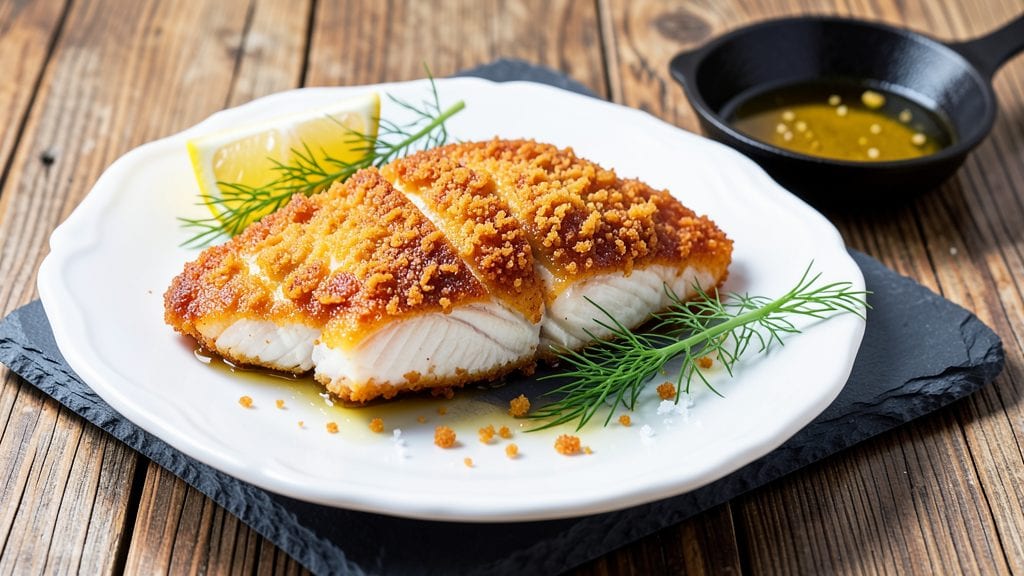
Mastering a crispy beer-battered fish fry transforms weeknight dinners into restaurant-worthy meals with minimal effort. The secret lies in the right oil temperature, a light yet sturdy batter, and quick frying—all of which deliver golden, crunchy results in just 20 minutes.
I’ve perfected this technique over years of trial and error, ensuring every bite stays crispy without absorbing excess grease.
This recipe focuses on simplicity without sacrificing flavor or texture. You’ll need just 5 key ingredients—high-quality fish fillets, cold beer for the batter, all-purpose flour, baking powder, and a neutral oil like vegetable or peanut.
The beer not only creates a light, airy batter but also adds subtle depth to the final dish. For best results, keep everything chilled until frying to maintain that signature crunch.
The outcome is a plate of golden, crispy fish with a tender interior and a batter that shatters at every bite. Serving it with classic sides like tartar sauce, lemon wedges, or a fresh coleslaw elevates the experience to new heights.
This method works equally well for cod, haddock, or even shrimp, making it versatile for any seafood lover.
Whether you’re hosting a casual gathering or craving a quick, satisfying meal, this beer-battered fish fry delivers restaurant-quality results with ease. Let’s get started on creating your perfect golden-crusted dish.
Ingredients for fish fry fish
Five simple ingredients transform chilled fish into restaurant-style golden crunch in minutes.
| Ingredient | Amount | Notes |
|---|---|---|
| Fresh White Fish Fillets 🐟 | 1 ½ lb | Cod, haddock, or tilapia preferred |
| Light Lager Beer 🍺 | 1 cup | Cold, like Corona or Bud Light |
| All-Purpose Flour 🌾 | 1 ½ cups | Sifted for light batter texture |
| Baking Powder 🍞 | 1 tbsp | Ensures crispy golden crust |
| Vegetable Oil 🫒 | 3 cups | Neutral flavor, high smoke point |
| Salt 🧂 | 1 tsp | Kosher or sea salt preferred |
| Ground Black Pepper 🌶️ | ½ tsp | Freshly ground for best flavor |
| Lemon Wedges 🍋 | 4 whole | For serving, optional garnish |
The fish quality is everything—look for fillets with firm, translucent flesh at the seafood counter. Whole Foods or local fish markets often carry the freshest options, but don't overlook the frozen section at Trader Joe's or Costco for budget-friendly cod fillets. Pat them bone-dry before dredging, or the batter won't crisp properly. For beer, stick to light lagers—Corona or Bud Light work perfectly, but avoid dark beers which can make the batter too heavy. If you're out of beer, sparkling water with a splash of lemon juice mimics the lightness.
No baking powder? Substitute 1 tsp baking soda plus 1 tbsp lemon juice for lift, though the flavor won't be identical. For oil, peanut oil or canola both work, but avoid olive oil—it burns too easily. The batter should be thick enough to coat the fish but still flow like heavy cream. If it's too thick, add 1 tbsp ice water. For extra crunch, chill the fish and batter 30 minutes before frying. And if you're feeling fancy, add 1 tsp smoked paprika to the batter for a subtle kick.
Keep everything chilled until frying—the fish, batter, and oil. The oil should register 365°F on your thermometer, and it's ready when a wooden chopstick sizzles vigorously. Fry in batches to avoid overcrowding, which drops the oil temperature. The fish is done when golden in 3-4 minutes per side. Drain on a wire rack over paper towels—never a paper towel-lined plate, or it'll steam and lose crispness. Serve immediately with lemon wedges, and store leftovers for up to 2 days in the fridge, though they won't be as crispy.
Why You'll Love This Recipe
- No Flour Waste: The batter’s light from baking powder—no heavy rolling or messy dredging. Just dip, let the excess drip off, and fry. My first batch had flour all over the counter, but now I swear by this method.
- Beer-Battered Magic: That lager soaks into the flour like a sponge, giving the crust a crispy snap while keeping the fish flaky inside. Honestly, I’d argue it’s better than deep-frying alone—more depth, less grease.
- Tailgate to Tuesday: Serve it with lemon wedges at a summer picnic or toss the leftovers in a salad the next day. Between us, I’ve eaten this cold the morning after with a side of pickles—no regrets.
- Budget Crispy Feast: A single fillet costs less than takeout, and the batter stretches for multiple pieces. I’ll be real: my grocery bill stayed sane, and my family’s happy. That’s a win.
Step-by-step instructions for crispy beer-battered fish
Here's how to create restaurant-quality beer-battered fish with a perfect golden crust every time.
Prepare the Fish and Batter Station
Pat the 1.5 lb fresh white fish fillets completely dry with paper towels. This step is critical—any moisture on the fish will prevent the batter from adhering properly and create a soggy crust instead of that coveted crunch. Place the fillets on a wire rack set over a plate to catch any excess liquid as it drains.
In a medium bowl, whisk together the 1.5 cups all-purpose flour, 1 tbsp baking powder, 1 tsp salt, and 0.5 tsp ground black pepper. The baking powder is what creates that light, airy texture in the crust, so don't skip it. I like to sift the flour first to eliminate any lumps that could create uneven spots in the batter.
Chill the Beer and Set Up Frying
Place the 1 cup light lager beer in the refrigerator while you prepare everything else. Cold beer creates a lighter batter that rises better during frying. Fill a large, deep skillet with 3 cups vegetable oil to a depth of about 2 inches. Heat the oil over medium heat until it reaches 350°F—this is your target frying temperature. Use a deep-fry thermometer to monitor the oil; it should be hot enough to maintain this temperature consistently.
While the oil heats, pour the cold beer into the flour mixture and whisk vigorously until you have a smooth, pourable batter with no visible lumps. The batter should be slightly thicker than heavy cream but still flow easily when poured. If it's too thick, add 1-2 tablespoons of cold beer to loosen it. Keep the batter covered with plastic wrap until ready to use to maintain its temperature.
Fry the Fish to Golden Perfection
Working in batches to avoid overcrowding, carefully dip each fish fillet into the batter, allowing any excess to drip off. Gently lower the coated fillets into the hot oil using a slotted spatula. Fry for 3-4 minutes per side until the batter is deep golden brown and crispy. You'll know it's ready when the crust turns a rich amber color and the fish releases easily from the spatula.
Don't walk away during this step—the oil temperature will drop slightly each time you add fish, so you may need to adjust the heat to maintain 350°F. If the oil starts smoking or the batter browns too quickly, reduce the heat slightly. Remove the fried fish to a wire rack set over paper towels to drain excess oil. Keep the fish warm in a 200°F oven while you fry the remaining batches.
Serve Immediately with Lemon
Transfer the crispy beer-battered fish to serving plates and garnish each portion with 1 of the 4 whole lemon wedges. The lemon adds a bright contrast to the rich, savory beer batter and cuts through the oiliness slightly. Serve immediately while the crust is at its crispest—this dish doesn't wait. The fish should be hot through the center with a perfectly golden, crunchy exterior that shatters with each bite.
For best results, serve with tartar sauce or a simple side salad. The beer batter pairs particularly well with crisp green vegetables or a light potato salad. Remember, the key to success lies in keeping everything cold until frying and maintaining that precise oil temperature—350°F is non-negotiable for that perfect golden crust.
Pro Tips For Making Fish Fry Fish
- PAT THE FILLETS DRY: I learned this the hard way—wet fish equals soggy batter. Grab paper towels and press hard on both sides before dredging. Even if they look dry, give them another wipe. The beer batter needs a dry surface to cling properly, or you’ll end up with a greasy mess instead of a crispy crust.
- USE COLD BEER: Chill that lager first. Room-temperature beer thins the batter too fast, and your coating will turn to paste before it hits the oil. Pour it over ice cubes for 10 minutes, or pop the bottle in the fridge while you prep. Trust me, the first time I skipped this, my fish came out greasy and dense.
- FRIED IN BATCHES: Crowding the pan drops the oil temperature fast, and your fish will steam instead of fry. Work in single layers with space between fillets—no more than two at a time. If you’re impatient like me, use a slotted spoon to move them to a rack immediately after the first side browns. Overcooking happens fast once they’re submerged.
- SHORTEN WITH CORNSTARCH: Swap 2 tablespoons of flour for cornstarch in the batter mix. It cuts down on frying time by 30 seconds per side and still gives that golden crunch. I was skeptical until I tried it—now it’s my go-to for weeknight dinners when I’m in a hurry. Just don’t skip the baking powder; that’s what makes it light.
Pro cooking tips for great fish fry fish
Oil Temp Control
Your oil temperature is the single most critical factor for perfect fried fish. Use a deep-fry thermometer to maintain a precise 350°F—any lower, and the batter won’t crisp; any higher, and it’ll burn before the fish cooks through.
I recommend the Thermoworks Smoke for accuracy. Test readiness by dropping in a wooden chopstick: vigorous sizzling means it’s ready. 🌡️
If your oil drops below 340°F, increase heat immediately. For electric stoves, use the back burner to avoid overheating. I’ve ruined countless batches by walking away—always stay nearby during frying.
Pro tip: Keep your oil in a deep, heavy skillet (like All-Clad Stainless) to prevent temperature fluctuations when adding fish.
Batter Consistency
The ideal batter should coat the back of a spoon but still flow smoothly when poured. If it’s too thick (like pancake batter), whisk in 1 tbsp cold beer at a time until it reaches pourable but not runny consistency.
Too thin? Add 1 tbsp all-purpose flour. I test consistency by dipping a clean spoon into the batter—it should slide off cleanly without dripping. 🍺
Chill your batter for 30 minutes before using. Cold ingredients create smaller air bubbles during frying, resulting in a lighter, crispier crust. Store unused batter in an airtight container in the fridge for up to 24 hours—just whisk before using.
For extra crunch, add 1 tsp cornstarch to the batter formula.
Fish Prep Secrets
Pat your fish bone-dry with paper towels—this is non-negotiable. Any moisture creates steam pockets that weaken the batter’s adhesion. I like to use two layers of paper towels and press firmly.
For thicker fillets (over 1 inch), score the flesh lightly with a knife to prevent curling during frying. 🐟
Keep your fish chilled until the last minute. Cold fish cooks more evenly and prevents the batter from absorbing too much oil. Arrange fillets on a wire rack over a plate to drain excess moisture, then dip immediately before frying.
Never skip this step—it’s the difference between soggy and perfectly crispy.
Frying Techniques
Fry in small batches—overcrowding drops oil temperature and creates greasy fish. I aim for 2-3 pieces max per batch in a 12-inch skillet. Use a slotted spatula to lower fish gently into the oil to avoid splattering. Turn fish only once—flipping too soon causes uneven cooking. 🔥
For even crispiness, fry skin-side down first (if using skin-on fillets). The skin acts as a natural barrier that prevents excessive oil absorption. If your fish browns too quickly, reduce heat to medium-low and monitor closely.
The goal is golden brown in 3-4 minutes per side—no longer, or the crust will turn rubbery.
Post-Fry Handling
Transfer fried fish to a wire rack (not paper towels) to drain excess oil. The rack allows air circulation, preserving crispness longer than a plate would. Keep fish warm in a 200°F oven while frying remaining batches—this prevents them from getting soggy while waiting. 💡
Serve immediately with lemon wedges—the acid cuts through the richness and enhances the beer flavor. For extra presentation, sprinkle with flaky sea salt or smoked paprika right before serving.
If reheating leftovers, use the oven at 400°F for 5-7 minutes to restore some crispness (though it won’t match fresh-out-of-the-oil perfection).
Nutrition facts
Frequently asked questions
What's the best fish for beer-battered frying?
Lean, firm white fish work best—cod, haddock, or tilapia are ideal choices. Their mild flavor lets the beer batter shine, and they hold up perfectly to frying. Avoid delicate fish like flounder, which can fall apart, or oily fish like salmon, which may overpower the batter's crispiness.
Can I use non-alcoholic beer for the batter?
Non-alcoholic lager works perfectly—just chill it first to maintain the same light, airy texture. For extra flavor, add 1 tsp lemon juice or 1 tsp Worcestershire sauce to the batter. The beer's carbonation is what creates the crispy bubbles, so any light lager (alcoholic or not) will work.
Why did my fried fish turn out greasy instead of crispy?
Greasy fish usually means one of three things: oil too cool (below 340°F), overcrowding the pan, or not draining properly. Always fry in small batches and use a wire rack for draining—never a paper towel-lined plate. Keep your oil at 350°F using a thermometer, and never walk away while frying.
How do I reheat leftover fried fish without losing crispiness?
For best results, reheat in a 400°F oven for 5-7 minutes on a wire rack. Avoid microwaving—it makes the crust soggy. For extra crunch, sprinkle with 1 tsp cornstarch before reheating. Even with reheating, the texture won't match fresh-out-of-the-oil perfection, so enjoy leftovers within 2 days for optimal quality.
What's the secret to extra-crispy batter?
Chill everything—fish, batter, and oil—for 30 minutes before frying. Cold ingredients create smaller air bubbles that expand during frying, resulting in a lighter, crispier crust. For bonus crunch, add 1 tsp cornstarch to the batter or use ice water instead of beer if you're avoiding alcohol.