
Main Courses
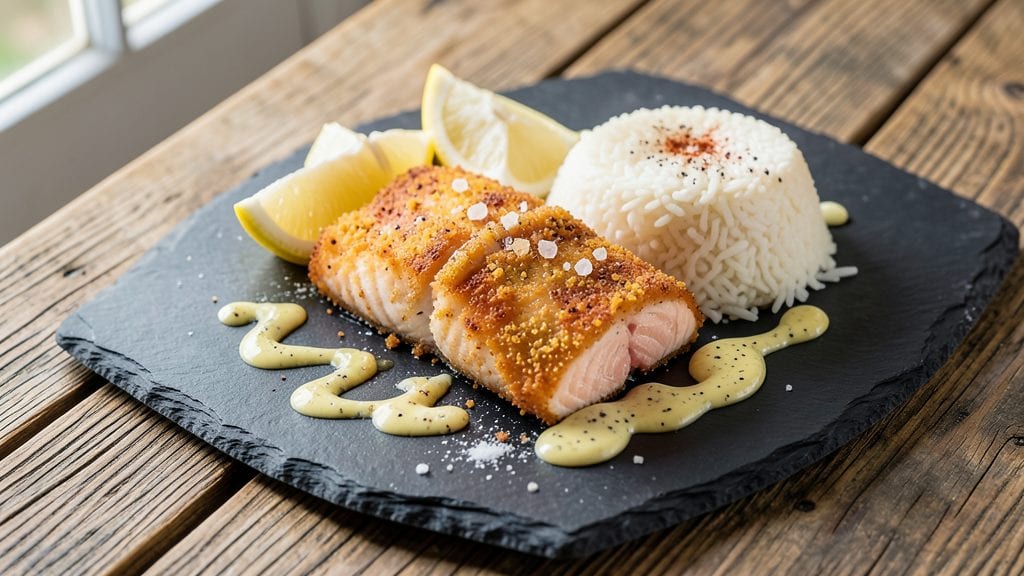
This fried salmon fish recipe delivers the perfect balance of crispy cornmeal crust and tender, flaky flesh—every bite is a revelation. The secret lies in a hot pan and precise timing, ensuring the crust stays golden and shatteringly crisp while the fish remains moist inside.
I perfected this technique after years of trial and error, and it’s now a staple in my dinner rotation for its restaurant-quality results at home.
The process is straightforward but requires attention to detail: patting the salmon dry, seasoning it lightly, and coating it evenly in a cornmeal-cayenne mix before frying. A 350°F pan is ideal—hot enough to crisp the crust without cooking the fish through too quickly.
The zesty lemon zing comes from a quick squeeze of fresh lemon after frying, cutting through the richness and adding brightness that makes this dish feel fresh and vibrant.
What you’ll end up with is a crispy, golden-brown fillet that holds its shape perfectly, with a tender, flaky interior and a spiced crust that adds depth. The lemon’s acidity enhances the natural sweetness of the salmon, creating a harmonious balance that’s both satisfying and elegant.
This dish pairs beautifully with a simple side salad or steamed vegetables, making it a well-rounded meal.
Whether you're serving it for a weeknight dinner or a special occasion, this fried salmon is sure to impress. The technique is foolproof once you get the hang of it, and the results are worth every minute of effort. Let’s get cooking!
Ingredients for fried salmon fish
Crispy crust meets flaky salmon—here's what makes this restaurant-worthy dish shine.
| Ingredient | Amount | Notes |
|---|---|---|
| Fresh Atlantic Salmon Fillets 🐟 | 1 ½ lb | Skin-on, center-cut preferred |
| Fine Yellow Cornmeal 🌽 | 1 cup | Bob's Red Mill brand recommended |
| Cayenne Pepper 🌶️ | 1 tsp | Adjust for desired heat level |
| Diamond Crystal Kosher Salt 🧂 | 1 ½ tsp | Fine grain preferred |
| Ground Black Pepper 🌶️ | ½ tsp | Freshly cracked preferred |
| All-Purpose Flour 🌾 | ¼ cup | For dredging before cornmeal |
| Unsalted Butter 🧈 | ½ cup | Cold, cubed for frying |
| Fresh Lemon Juice 🍋 | ¼ cup | From 2 medium lemons |
| Fresh Lemon Zest 🍋 | 1 tbsp | Fine zest only |
| Vegetable Oil 🫒 | ½ cup | High smoke point preferred |
| Fresh Parsley 🌿 | ¼ cup | Chopped, for garnish |
| Paper Towels 🧻 | 1 sheet | For patting salmon dry |
The salmon cut matters. Center-cut fillets with skin-on stay together better—Wild Alaskan or Atlantic both work, but avoid pre-breaded or frozen. Pat them bone-dry with paper towels before seasoning; moisture is the enemy of crispiness. For cornmeal, Bob's Red Mill is my go-to—it's fine enough to create that perfect crust without being powdery. The cayenne is key here; start with 1 teaspoon and taste before adding more. Trader Joe's sells pre-ground cayenne in small jars perfect for this recipe.
No cornmeal? Crushed cornflakes work in a pinch (pulse them in a blender), but the texture won't be quite the same. Running short on butter? Lard or shortening gives a similar crisp, though butter's flavor wins. For the lemon, Meyer lemons add sweetness, but regular lemons work fine. The flour dredge is non-negotiable—it creates a barrier so the cornmeal sticks properly. If you're frying multiple batches, keep the salmon in the fridge until ready to coat; cold fish fries better than warm. And trust me on the 350°F pan temperature—hotter ruins the inside, cooler makes the crust soggy.
Butter keeps best in the fridge for 3 months if stored in an airtight container. The cornmeal mixture stays fresh for 2 weeks in a sealed container, but I usually make it fresh each time. Fresh lemon juice lasts 3-4 days in the fridge, so zest extra lemons if you're prepping ahead. The fried salmon reheats poorly, so plan to serve it immediately. For leftovers, store in an airtight container with a paper towel on top to absorb any moisture—1 day max in the fridge, and it won't be as crispy. Garnish with parsley right before serving to keep it vibrant.
Why You'll Love This Recipe
- Crispy in Minutes: I swear, the cornmeal crust locks in so fast—just 3 minutes per side in hot oil, and you’ve got that golden crunch without frying for hours. Honestly, my weeknights thank me every time.
- Spice That Sticks: That cayenne-kosher salt mix? It’s not just seasoning—it’s a flavor bomb that clings to the salmon like a second skin. The heat lingers just enough to wake up your taste buds without overpowering.
- Weeknight to Weekend: Serve it with lemon wedges for a fancy dinner, or toss it in a lunchbox with crackers for a no-fuss office meal. (Yes, even on a Tuesday night.) The leftovers reheat beautifully—just a quick pan sear to revive that crust.
- Budget-Friendly Luxury: Fresh salmon feels indulgent, but this recipe stretches it further than you’d think. A single fillet feeds two with sides, and the cornmeal crust costs pennies compared to store-bought seasoning blends. Fancy taste, wallet-friendly math.
Step-by-step instructions for crispy cornmeal-crusted salmon
Here's how to achieve that perfect golden crust while keeping the salmon juicy inside.
Prepare the Salmon for Maximum Crispiness
Pat the 1.5 lb fresh Atlantic salmon fillets completely dry using the sheet of paper towels. You want them bone dry—this is the secret to that perfect crispy crust. I like to press down firmly with the paper towels, even getting into the crevices between the fillets. Leave them uncovered on a wire rack for 10 minutes to air dry completely. This step might seem tedious, but trust me, it makes all the difference in the final texture.
While the salmon dries, make your seasoning blend in a small bowl. Mix together the 1.5 tsp diamond crystal kosher salt, 0.5 tsp freshly cracked ground black pepper, and 1 tsp cayenne pepper. The cayenne adds just the right amount of heat to complement the rich salmon flavor. Rub this mixture evenly over both sides of the salmon fillets, pressing gently so the seasoning adheres well. Let the seasoned fillets rest for another 10 minutes at room temperature while you prepare your dredging station.
Create the Perfect Crust Layers
In a shallow dish, combine the 0.25 cup all-purpose flour with an additional 0.5 tsp diamond crystal kosher salt. This first layer creates a barrier that helps the cornmeal stick better and adds extra seasoning. In another shallow dish, place the 1 cup fine yellow cornmeal. The cornmeal is what will give your salmon that signature crispy texture, so choose a high-quality brand like Bob's Red Mill for the best results.
Working with one fillet at a time, lightly dredge the salmon in the flour mixture first, tapping off any excess. Then press the fillet into the cornmeal, coating both sides evenly. You'll notice the cornmeal clings better to the dry, seasoned surface. Place the coated fillets on a wire rack set over a baking sheet—this allows air to circulate around them, which is crucial for even crisping. Let them rest for 5 minutes while you prepare your frying setup.
Fry to Golden Perfection
In a large skillet, melt the 0.5 cup unsalted butter over medium heat until it foams but doesn't brown. Then add the 0.5 cup vegetable oil, which helps raise the smoke point and prevents the butter from burning. You want the mixture to reach 350°F—use a thermometer to check this. If you don't have one, test with a small piece of bread: it should sizzle and turn golden in about 30 seconds.
Carefully place the cornmeal-coated salmon fillets in the hot butter-oil mixture. You'll want to fry them in batches to avoid overcrowding, which would lower the temperature and make the crust soggy. Cook for 3-4 minutes per side until the crust is deep golden brown and crispy. The salmon should release easily from the cornmeal crust when you try to lift it with tongs. If it sticks, let it cook another 30 seconds—don't rush this step. The internal temperature should reach 145°F when measured with an instant-read thermometer.
Finish with Zesty Lemon Brightness
As the salmon cooks, prepare your lemon mixture in a small bowl. Combine the 0.25 cup fresh lemon juice with the 1 tbsp fresh lemon zest. The zest adds beautiful color and layers of citrus flavor that complement the rich salmon perfectly. When the salmon is done, immediately transfer it to a plate lined with more paper towels to drain any excess butter.
Drizzle the lemon mixture evenly over the hot salmon fillets. The acidity in the lemon juice helps cut through the richness of the butter and cornmeal crust, creating that perfect balance of flavors. Sprinkle the chopped 0.25 cup fresh parsley over the top for a pop of color and freshness. Serve immediately while the crust is still crispy and the salmon is hot—this dish doesn't wait!
Rest and Serve with Confidence
Let the salmon rest for 2-3 minutes before serving. This brief resting period allows the juices to redistribute throughout the fillets, ensuring each bite is moist and flavorful. The crust will remain crispy during this time, but if you're concerned about it softening, you can serve directly from the frying pan.
For an extra touch, you can serve the salmon with additional lemon wedges on the side. The contrast between the crispy cornmeal crust, the tender salmon, and the bright lemon creates a harmonious balance of textures and flavors that will impress anyone at your table. This recipe serves 4, so you'll have leftovers that reheat beautifully—just warm them in a 350°F oven for 5-7 minutes to restore the crispiness.
Pro Tips For Making Fried Salmon Fish
- Dry It Thoroughly: Pat those salmon fillets with paper towels until they’re actually dry—no wet spots, no excuses. I learned this the hard way when my first batch came out soggy instead of crispy. Cornmeal needs a dry surface to stick, so take the extra 30 seconds.
- Start Hot, Finish Gentle: Sear the salmon in oil over medium-high heat for 30 seconds per side before lowering to medium. After burning three batches, I finally figured out that high heat locks in moisture while the crust forms—then you can cook it through without overcooking.
- Salt the Cornmeal: Mix a teaspoon of kosher salt into the cornmeal before dredging. This isn’t just about flavor—it keeps the crust from falling off when you flip. My grandmother swore by this, and she was right: the salt acts like glue.
- Wait 5 Minutes: Let the fried salmon rest on a wire rack (not paper towels) for 5 minutes after cooking. I know, I know—you’re impatient like me—but skipping this means the crust stays intact and the inside stays juicy. Trust the process.
Wine and beer pairings for this fried salmon fish
White Wine Pairings
For this crispy cornmeal-crusted salmon, I always reach for a dry Riesling from Germany or Austria—its bright acidity and subtle honeyed notes cut through the richness of the butter and cornmeal while complementing the salmon’s natural sweetness.
A 2022 Dr. Loosen Blue Slate Riesling from the Mosel region is my go-to; its crisp finish and citrus undertones make every bite feel refreshing. 🍷
Crisp Lager Balance
A German Pilsner like Warsteiner or Bitburger works beautifully with fried salmon, especially if you want to keep things light and refreshing. The crisp, clean malt profile and subtle hop bitterness prevent the dish from feeling too heavy.
I often serve this pairing with a simple cucumber-dill salad to enhance the freshness.
Citrusy Sauvignon Blanc
If you prefer white wine with more zing, a New Zealand Sauvignon Blanc—such as Cloudy Bay—brings vibrant citrus and herbal notes that mirror the lemon finish in the recipe. The wine’s grassy undertones also pair wonderfully with the cornmeal crust’s earthy texture, creating a harmonious balance.
Beer Pairing: Belgian Witbier
For beer lovers, a Belgian witbier like Hoegaarden or Stella Artois adds a delightful contrast. The coriander and orange peel notes in these beers complement the lemon zest and cayenne in the salmon, while the effervescence cleanses the palate between bites. Serve slightly chilled for the best experience. 🍺
Bold Red Option
If you prefer red wine, a light Pinot Noir from Oregon—such as Domaine Serene—works surprisingly well. Its bright acidity and red fruit notes won’t overpower the salmon’s delicate flavor, while the earthy undertones enhance the cornmeal crust. Decant it for 15-20 minutes to soften its tannins.
Non-Alcoholic Refreshers
For a non-alcoholic option, try a sparkling lemonade made with San Pellegrino and fresh lemon juice, or an iced hibiscus tea with a hint of mint. Both drinks highlight the dish’s citrusy brightness without competing for attention. The effervescence also helps reset your palate between bites. ✨
Nutrition facts
Frequently asked questions
Can I use frozen salmon for this crispy recipe?
Fresh salmon works best for that perfect crispy crust, but if you must use frozen, thaw it completely in the refrigerator (not at room temperature) and pat it completely dry before seasoning. The extra moisture from frozen fish can make the crust soggy. For best results, use fresh salmon whenever possible.
How do I keep the cornmeal crust from falling off?
The key is drying the salmon thoroughly and using the flour dredge first. Press the cornmeal firmly onto the flour-coated salmon, and let it rest for 5 minutes before frying. Also, avoid moving the fillets too soon in the pan—the crust needs time to set properly. If it still falls off, your pan might not be hot enough (350°F is ideal).
What's the best way to reheat leftover fried salmon?
Unfortunately, fried salmon doesn't reheat well, but you can restore some crispiness by warming it in a 350°F oven for 5-7 minutes on a wire rack over a baking sheet. For best results, enjoy it fresh off the pan. If you have leftovers, consider serving them cold in salads or wraps where the texture difference won't be as noticeable.
Can I make this recipe with skinless salmon?
Yes, but the skin helps hold the crust together better. If using skinless fillets, press the cornmeal crust more firmly and fry at 340°F instead of 350°F to prevent overcooking. You might also want to reduce the cooking time slightly to 2-3 minutes per side to avoid drying out the fish.
What's the secret to getting the perfect golden crust?
Three things: bone-dry salmon, hot oil/butter mixture (350°F), and fresh cornmeal. The cornmeal should be fine (not coarse) and the pan should be properly heated before adding the fish. Don't overcrowd the pan—fry in batches if needed. The crust forms in the first 30 seconds of cooking, so keep a close eye on it!