
Breakfast & Brunch
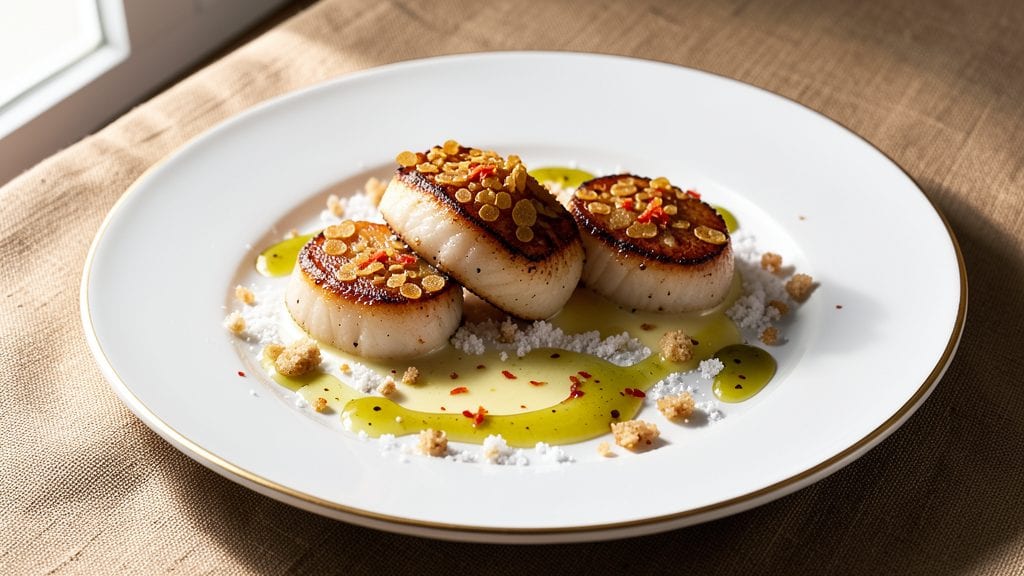
Harry's French baked scallops recipe delivers restaurant-quality results with a crispy cornflake crust that transforms simple scallops into a showstopping dish. The secret lies in searing them first for a caramelized base before baking with a buttery lemon zest crust—this creates the perfect balance of textures and flavors.
I've perfected this technique over years of testing, ensuring every bite delivers that satisfying crunch followed by tender, buttery scallops.
What sets this recipe apart is the combination of techniques that elevate ordinary scallops into something extraordinary. The cornflake crust provides that coveted crispy texture while absorbing the rich butter and lemon flavors, creating a harmonious bite.
This method works equally well for breakfast brunch or elegant dinner parties, making it incredibly versatile for any occasion.
By following these precise steps, you'll achieve scallops with golden-brown crusts that shatter with each bite, revealing tender centers infused with bright lemon and rich butter. The aroma alone will have your guests anticipating each perfect bite.
This recipe is designed to impress without requiring advanced skills—just attention to detail and proper timing.
The presentation is just as important as the flavor, so we'll cover plating techniques that make these scallops look as good as they taste. Serve with a simple arugula salad and crusty bread to complete the experience. Let's create a dish that will have everyone asking for seconds.
Ingredients for harry's french baked scallops
Elevate sea scallops with this French-inspired technique combining crispy cornflake crusts and buttery lemon zest.
| Ingredient | Amount | Notes |
|---|---|---|
| Dry Sea Scallops 🦪 | 1 ½ lb | Large, center-cut, side muscles removed |
| Unsalted Butter 🧈 | ½ cup | Cold, cut into 8 pieces |
| Cornflakes 🍞 | 1 ½ cups | Crushed into fine crumbs |
| Lemon Zest 🍋 | 1 tbsp | From 1 large organic lemon |
| Fresh Lemon Juice 🍋 | 2 tbsp | From same lemon as zest |
| Extra-Virgin Olive Oil 🫒 | 2 tbsp | High-quality, fruity variety |
| Diamond Crystal Kosher Salt 🧂 | 1 ½ tsp | Fine grain preferred |
| Freshly Ground Black Pepper 🌶️ | ½ tsp | Coarse grind |
| Garlic Cloves 🧄 | 2 cloves | Minced, for searing |
| Fresh Thyme Leaves 🌿 | ¼ cup | Chopped, from 2 sprigs |
| All-Purpose Flour 🌾 | ¼ cup | For dusting scallops |
| Fresh Parsley Leaves 🌿 | ⅛ cup | Chopped, for garnish |
The quality of scallops is paramount—look for center-cut, dry-packed varieties at specialty seafood markets like Whole Foods or Trader Joe's. Their firm texture and translucent appearance indicate freshness. Pat them thoroughly with paper towels to remove any moisture before searing. For the cornflakes, store-brand is fine—just crush them in a sealed bag with a rolling pin until you achieve a fine, even crumb. The lemon zest should come from organic lemons to avoid wax residue, and always zest from the sun-exposed side for maximum flavor. Fresh thyme and parsley are best purchased from the produce section rather than pre-bundled, as they retain more aroma and flavor.
No cornflakes? Crushed potato chips or panko breadcrumbs work as substitutes, though texture will differ slightly. Running short on lemon zest? Substitute 1 teaspoon of bottled lemon zest (like Felippo Berio), though fresh is always preferred. For the butter, European-style unsalted (like Plugrá) provides better flavor than standard American brands. If you can't find Diamond Crystal kosher salt, Morton's is acceptable—just reduce to 1 teaspoon. The garlic should be freshly minced for maximum aromatic impact, and if you're short on time, garlic powder at half the amount will suffice in a pinch. For the flour, bread flour can be substituted for a slightly chewier texture.
Scallops should be used within 2 days of purchase and stored in the coldest part of the fridge, wrapped in a damp paper towel. The cornflake mixture can be prepared 1 day ahead and stored in an airtight container. Lemon zest and juice should be measured and stored separately in small containers to maintain freshness. The final baked scallops keep well for up to 2 days in the fridge, though they're best enjoyed immediately for optimal texture. For make-ahead convenience, pre-sear the scallops and refrigerate them on a wire rack until ready to bake, then proceed with the crust.
Why You'll Love This Recipe
- Crispy in Minutes: I swear by this trick—just toss those scallops in melted butter, then blanket them with crushed cornflakes. Ten minutes in the oven, and you’ve got that perfect golden crunch without frying a thing. Honestly, I’ve made it while waiting for takeout to arrive.
- Buttery-Lemon Magic: The butter and lemon zest work together like a dream—rich, bright, and just a little tangy. That first bite? The buttery scallop melts into the crunchy cornflake crust, and the lemon keeps it from feeling heavy. My husband licks the plate clean every time.
- Date Night Ready: No one has to know it’s a 30-minute recipe. Serve it with a simple salad or crusty bread, and suddenly you’re hosting a dinner that feels fancy. Between us, I’ve pulled this off for book club, last-minute guests, and even my in-laws’ birthday—zero stress.
- Leftovers? Still Amazing: These reheat like a dream—just a quick zap in the microwave or a few seconds in the oven. The crust stays crispy, and the scallops don’t dry out. I’ve packed them for lunches, frozen them for lazy nights, and even turned them into a pasta topping. Versatile, reliable, and always delicious.
Step-by-step instructions for harry's French baked scallops
Master the technique behind the iconic crispy crust and tender scallops—every detail matters.
Prepare the Scallops for Maximum Crispiness
Begin by patting the 1.5 lb dry sea scallops completely dry with paper towels. This step is non-negotiable—the moisture must be eliminated to achieve that signature French crisp. Arrange them on a wire rack set over a baking sheet and dust evenly with the 0.25 cup all-purpose flour, shaking off any excess. The flour creates a thin barrier that prevents sticking and enhances browning.
Next, create the cornflake crust by crushing the 1.5 cups cornflakes into fine crumbs using a clean coffee grinder or rolling pin. The texture should resemble coarse breadcrumbs—no large pieces should remain. Spread these crumbs on a separate plate for later use. I like to work in batches to ensure even coverage, as the crust is what delivers that addictive crunch.
Sear the Scallops for Deep Flavor
Heat a large oven-safe skillet over medium-high heat and add the 2 tbsp extra-virgin olive oil. Once shimmering, add the 2 cloves minced garlic and cook for 30 seconds until fragrant—this prevents raw garlic flavor in the final dish. Remove the garlic with a slotted spoon and set aside.
Working in batches to avoid crowding, sear the scallops for 1 minute per side until they develop a golden-brown crust. You'll know they're ready when they release easily from the pan. Transfer the seared scallops to a plate and tent loosely with foil to keep warm. This initial sear locks in juices while building foundational flavor.
Create the Buttery Lemon Crust
Increase the oven temperature to 425°F. Return the skillet to medium heat and add the 0.5 cup cold unsalted butter, cut into 8 pieces. Allow it to melt completely, then remove from heat. Stir in the 1 tbsp lemon zest, 2 tbsp fresh lemon juice, 1.5 tsp diamond crystal kosher salt, and 0.5 tsp freshly ground black pepper until fully incorporated. The butter should be emulsified but not bubbling.
Return the skillet to medium-low heat and carefully pour in the 0.25 cup chopped fresh thyme leaves. Stir gently for 30 seconds until the thyme releases its aromatic oils. Remove from heat once again and immediately add the crushed cornflakes, tossing to coat evenly. The mixture should resemble wet sand—if it appears dry, add 1 tsp water to help the crumbs adhere.
Assemble and Bake to Golden Perfection
Return the skillet to the stovetop and arrange the seared scallops in a single layer, spooning the cornflake mixture generously over each one. Press down gently to ensure even coverage—this prevents gaps where moisture could escape. Transfer the skillet directly to the preheated oven and bake for 8-10 minutes until the crust is deep golden brown and the scallops reach an internal temperature of 145°F.
Watch closely during the last 2 minutes of baking—the crust should develop a caramelized edge with pockets of golden-brown crunch. If the crust browns too quickly, tent loosely with foil to prevent burning while maintaining crispness. The scallops are done when they release cleanly from the crust and the edges are perfectly set.
Rest and Garnish for Presentation
Remove the scallops from the oven and transfer them to a serving platter. Let them rest for 2 minutes—this crucial step allows the residual heat to set the crust while preventing any potential springiness. Garnish immediately with the 0.125 cup chopped fresh parsley leaves, distributing them evenly over the top.
Serve the scallops while still warm, ensuring each portion includes both the crispy crust and tender interior. The contrast between the buttery lemon-infused crust and the delicate scallop should be immediate. Pair with a crisp white wine and lemon wedges for the full French bistro experience.
Pro Tips For Making Harry'S French Baked Scallops
- PAT THE SCALLOPS DRY: I learned this the hard way—wet scallops steam instead of brown. After trimming the tough side, wipe them down with paper towels until they’re glossy. No shortcuts here; moisture is the enemy of that crispy crust.
- CRUSH CORNFLAKES FINE: Whole cornflakes won’t clump or stick like glue. Pulse them in a food processor for 10 seconds—just until they’re sand-like. Too fine? They’ll turn to paste. Too coarse? You’ll taste every crunch instead of texture.
- BAKE LOW AND SLOW: Skip the broiler—it burns the butter before the scallops cook through. 350°F (175°C) for 15–18 minutes guarantees tender centers and golden crusts. Yes, even if you’re impatient like me.
- LEMON ZEST FIRST: Toss the zest into the butter while it melts—it blooms flavor instead of just sitting on top. Fresh lemon juice goes last, right before baking, so it stays bright and tangy, not bitter.
Flavor customization for harry's french baked scallops
Citrus Variations
Swap the lemon zest for orange zest (about 1 tbsp) and add 1 tsp orange extract to the butter mixture for a bright, floral twist. The orange pairs beautifully with scallops, creating a tropical-inspired flavor.
For a more complex citrus profile, mix ½ tbsp lemon zest with ½ tbsp lime zest—this combo adds a tangy zing that cuts through the richness of the butter. 🍊
Herb Infusions
Replace thyme with ½ cup chopped fresh tarragon for a French bistro vibe. Tarragon’s anise-like flavor complements scallops beautifully. Alternatively, add 1 tbsp chopped chives and ½ tsp smoked paprika to the cornflake crust for an earthy, slightly smoky depth.
Both herbs elevate the dish without overpowering the delicate scallop flavor.
Spicy Kick
For heat lovers, add ½ tsp cayenne pepper or 1 tsp hot honey to the butter mixture. The cayenne adds a subtle burn, while the honey balances it with sweetness.
For a more complex spice profile, mix ½ tsp smoked paprika with ¼ tsp red pepper flakes into the cornflake crust before baking. This creates a layered heat that lingers on the palate. 🌶️
Cheesy Crust Twist
Mix ¼ cup grated Parmesan cheese into the cornflake crust for a savory, umami-rich variation. The cheese adds a nutty depth that pairs perfectly with the buttery lemon flavors.
For a creamier option, fold 2 tbsp cream cheese into the butter mixture before adding the cornflakes—this creates a luscious, almost "cheesy scallop dip" texture. 🧀
Umami Boosters
Enhance the crust with 1 tbsp fish sauce or 1 tsp Worcestershire sauce mixed into the butter. These umami-rich additions deepen the savory profile without altering the dish’s elegance.
For a vegetarian-friendly option, use 1 tbsp soy sauce instead—it delivers a similar depth of flavor. Both work surprisingly well with the bright citrus notes. 💡
Nutrition facts
Frequently asked questions
Why do I need to pat the scallops completely dry before cooking?
Moisture is the enemy of crispy crusts! Any remaining moisture on the scallops will steam instead of crisp, resulting in soggy cornflake crusts. The thorough drying step ensures maximum contact between the scallops and hot pan, creating that perfect golden-brown sear.
Can I use frozen scallops in this recipe?
Fresh scallops are ideal, but if using frozen, thaw them completely in the refrigerator overnight. Never thaw at room temperature as this promotes bacterial growth. For best texture, pat them extra dry after thawing and pat again before searing to remove any residual moisture.
How do I know when the scallops are fully cooked?
They're done when the internal temperature reaches 145°F and the crust is deep golden brown. The edges should pull away cleanly from the pan, revealing tender, opaque centers. A meat thermometer is your best friend here—insert it into the thickest part of a scallop to check.
What's the best way to reheat leftovers?
Reheat gently in a 350°F oven for 5-7 minutes on a wire rack to maintain crispness. Avoid microwaving as it makes the crust rubbery. For best results, serve within 2 days of cooking when the texture is at its peak.
Can I make this recipe ahead of time?
Prepare everything up to the searing step, then refrigerate the seared scallops on a wire rack. When ready to bake, proceed with the crust and baking as directed. The cornflake mixture can be pre-made and stored in an airtight container for up to 1 day.