
Sauces & Condiments
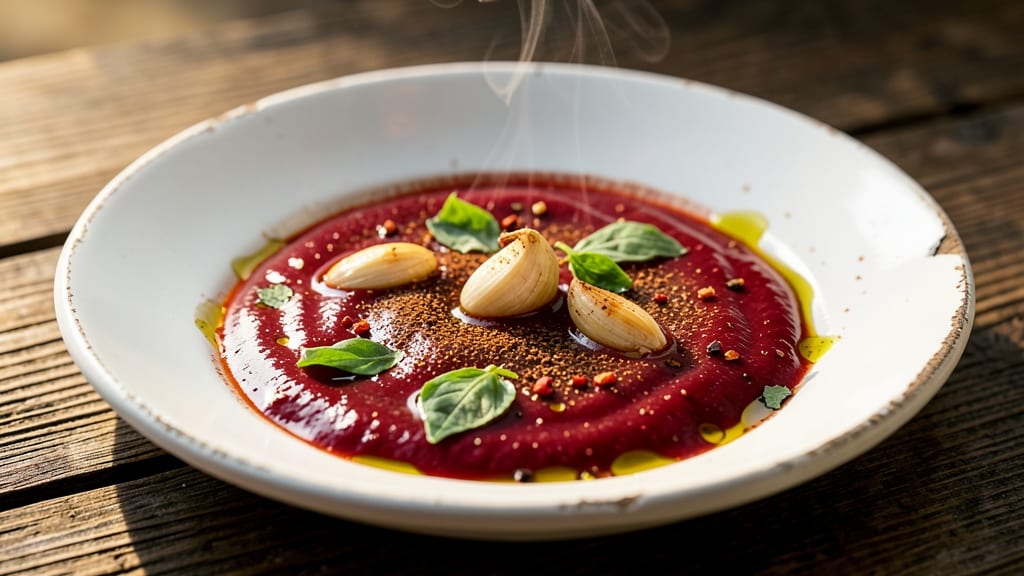
Ike's Godfather sauce recipe delivers that signature smoky tomato and garlic richness that transforms ordinary meals into standout dishes. This isn't your basic marinara—it's a bold, aromatic sauce with layers of depth from slow-simmered tomatoes, fresh garlic, and carefully balanced spices.
I developed this version after years of experimenting with restaurant-quality techniques at home, and the results are worth every minute of simmering time.
The beauty of this sauce lies in its versatility and simplicity. With just a handful of core ingredients—canned tomatoes, garlic, herbs, and spices—you create something complex enough for special occasions yet easy enough for weeknight dinners.
The secret technique involves simmering the sauce uncovered to develop concentrated flavors, then finishing with a blend of fresh herbs and a touch of smoked paprika for that signature smoky character.
What you'll end up with is a velvety, aromatic sauce that's perfect for dipping, drizzling over pizza, or tossing with pasta. The texture is rich but not heavy, with a perfect balance of sweetness from the tomatoes and depth from the garlic and herbs.
This sauce keeps well in the refrigerator for up to a week, making it ideal for meal prep and batch cooking.
Whether you're serving it as a dipping sauce for garlic bread, a topping for homemade pizza, or a base for your favorite pasta dish, this Godfather sauce will elevate every meal.
The instructions are straightforward, but the flavor development requires patience—trust me, the wait is worth it for that restaurant-quality taste at home.
Ingredients for ike's godfather sauce
Nine ingredients transform into a restaurant-quality sauce with smoky depth and bright garlic notes.
| Ingredient | Amount | Notes |
|---|---|---|
| San Marzano Crushed Tomatoes 🍅 | 28 oz | High-quality, no salt added |
| Extra-Virgin Olive Oil 🫒 | ½ cup | Light fruity variety preferred |
| Garlic Cloves 🧄 | 6 cloves | Freshly minced, not pre-minced |
| Smoked Paprika 🌶️ | 1 tbsp | High-quality smoked variety |
| Dried Oregano 🍃 | 1 tsp | Mexican oregano preferred |
| Red Pepper Flakes 🌶️ | ½ tsp | Adjust for heat preference |
| Salt 🧂 | 1 tsp | Diamond Crystal kosher salt |
| Fresh Basil Leaves 🌿 | ¼ cup | Packed, stems removed |
| Fresh Parsley Leaves 🌿 | ⅛ cup | Chopped, for finishing |
| Balsamic Vinegar 🍷 | 1 tbsp | Aged, for depth |
The tomatoes are the foundation—San Marzano makes all the difference with their natural sweetness and low acidity. Whole Foods or Trader Joe's carry the best cans, but any high-quality no-salt-added tomatoes work. The garlic should be fresh, not pre-minced (the moisture ruins the sauce). Costco sells garlic in bulk for a great price. For the smoked paprika, Penzeys or La Boîte have the best varieties—avoid the cheap grocery store stuff. I usually buy mine in small jars so it stays fresh longer. The herbs? Fresh basil and parsley are non-negotiable here—they bring that bright, aromatic finish that separates this from basic marinara.
No San Marzano tomatoes? Crushed tomatoes in a high-quality jar work, but you might need to add a pinch of sugar to balance acidity. Short on fresh herbs? Dried basil at one-third the amount gets you close, but the texture won't be the same. Want more smokiness? Add an extra half teaspoon of smoked paprika or swap in a pinch of liquid smoke (use sparingly!). The balsamic vinegar can be substituted with red wine vinegar, but aged balsamic adds that sweet, complex depth. For a vegetarian version, skip the meatballs entirely—this sauce shines on its own as a dipping sauce or pasta topping.
This sauce tastes even better the next day as the flavors meld. Store in an airtight container in the fridge for up to 1 week. For longer storage, freeze in ice cube trays—perfect portions for later. I always make extra because it disappears fast. The sauce thickens as it cools, so if it seems too thick when cold, just stir in a splash of water or broth. Leftovers reheat beautifully—simmer gently to avoid breaking the texture. Trust me, the first time you drizzle this over garlic bread or toss it with spaghetti, you'll be hooked.
Why You'll Love This Recipe
- No-Fuss Simmer: I swear by this recipe because it’s basically hands-off. Toss the tomatoes, garlic, and olive oil in a pot, let it bubble for 20 minutes—no stirring required—and you’re done. The smoked paprika does all the work while you’re doing nothing.
- Deep, Smoky Umami: That first bite? The crushed San Marzano tomatoes caramelize into something rich, while the smoked paprika adds this just-right depth. It’s not sweet, not spicy—just pure, savory satisfaction that lingers. Honestly, I’ve never tasted a sauce this balanced with so few ingredients.
- Game for Any Meal: Slather it on toast with a fried egg for breakfast. Drown chicken thighs in it for dinner. Even toss it with pasta when you’re lazy. I’ve used it for everything from weeknight dinners to a last-minute potluck dish, and it never lets me down.
- Budget Magic: A jar of San Marzano tomatoes and a bag of dried oregano last me months. This sauce costs pennies per serving, and the leftovers? They taste even better the next day. I’ll be real: it’s my go-to when I’m broke but refuse to eat sad food.
Step-by-step instructions for ike's Godfather sauce
This smoky, garlicky sauce comes together in under 30 minutes with minimal effort.
Bloom the Spices in Olive Oil
Heat the 0.5 cup extra-virgin olive oil in a large saucepan over medium-low heat. Add the 6 cloves freshly minced garlic cloves and the 1 tablespoon smoked paprika, stirring constantly for 2-3 minutes until the garlic turns golden and fragrant but doesn't brown. I like to keep the heat low here—garlic burns faster than you think, and burnt garlic ruins everything.
Next, add the 1 teaspoon dried oregano and 0.5 teaspoon red pepper flakes, stirring for another 30 seconds until the spices are evenly distributed and aromatic. This step develops the sauce's complex smoky depth right from the start. If you smell the spices releasing their oils, that's exactly what you want—it means they're working their magic.
Simmer the Tomatoes and Season
Pour in the 28 oz San Marzano crushed tomatoes, stirring to combine with the spice-oil mixture. Bring everything to a gentle simmer over medium heat, then reduce the heat to low to maintain a slow, steady bubble. Let it cook uncovered for 15-20 minutes, stirring occasionally, until the sauce thickens slightly and the raw tomato flavor mellows into something richer and more complex.
After 15 minutes, taste the sauce and adjust the seasoning with the 1 teaspoon salt. The tomatoes should be breaking down and releasing their natural sweetness, while the garlic and paprika create that signature smoky aroma. If the sauce seems too acidic, you can add a pinch more salt, but trust the tomatoes—they're already perfectly balanced.
Finish with Acid and Herbs
Once the sauce has thickened and the flavors have melded, stir in the 1 tablespoon aged balsamic vinegar. This adds a bright, tangy note that cuts through the richness of the olive oil and tomatoes. Let the sauce simmer for another 5 minutes to let the balsamic integrate fully.
Remove the pan from heat and stir in the 0.25 cup packed fresh basil leaves and 0.125 cup chopped fresh parsley leaves. The herbs should wilt slightly but still retain their vibrant color. Let the sauce sit off heat for 5 minutes—this resting period allows the flavors to settle and the herbs to infuse the sauce completely. The result should be a velvety, aromatic sauce with layers of smoky, garlicky, and herby complexity.
Adjust Consistency and Serve
If the sauce is too thick for your liking, thin it with a splash of hot water or pasta water, 1 tablespoon at a time, until it reaches your desired consistency. The sauce should coat the back of a spoon but still be fluid enough to drizzle or toss with pasta. Taste one final time and adjust seasoning if needed—this is your chance to perfect the balance.
Serve the sauce immediately over your choice of pasta, drizzled generously over grilled meats, or spooned alongside crusty bread. The sauce's depth of flavor will shine when it's fresh, so don't let it sit too long before serving. For extra richness, finish with a drizzle of high-quality extra-virgin olive oil—it elevates the dish to restaurant-quality in seconds.
Pro Tips For Making Ike'S Godfather Sauce
- Bloom the Oregano First: Toss the dried oregano into the olive oil and let it sit for 30 seconds before adding heat—this wakes up its flavor. I used to just dump it in with the garlic, and the sauce always tasted flat until I realized the oil needed to pull the aroma out first.
- Crush Garlic Like You Mean It: Don’t mince—slam those cloves with the flat side of your knife first, then chop. This releases more allicin and prevents bitter, raw garlic notes from overpowering the sauce. (Yes, it’s messy, but worth it.)
- Simmer, Don’t Boil: Keep the tomatoes at a gentle bubble—any hotter and you’ll cook out the sweetness and turn the sauce bitter. If it’s splattering, lower the heat and let it work quietly for at least 20 minutes.
- Toast the Smoked Paprika: Dry-toast the smoked paprika in a separate pan over low heat for 30 seconds until it smells nutty—this deepens its flavor without burning. Skip this, and it’ll taste like dust in your sauce.
Make-ahead tips for this ike's godfather sauce
Batch Prep Strategy
Make a double batch of this sauce—it’s perfect for meal prep and disappears fast. I always prepare 56 oz (two 28-oz cans) at once, which yields about 6 cups of sauce.
Store in two 32-oz glass jars (like Ball Mason jars) in the fridge. The flavors deepen overnight, making it even more delicious for leftovers. 💪
Freezing for Later
For long-term storage, freeze the sauce in ice cube trays—each cube is a perfect portion for later. Once frozen, transfer cubes to a ziplock freezer bag and flatten to save space.
Thaw overnight in the fridge before using. I’ve kept this sauce frozen for up to 3 months without losing quality. The texture remains silky when reheated gently. ❄️
Reheating Like a Pro
Never microwave this sauce—it breaks the texture. Instead, reheat on the stovetop: transfer to a saucepan and simmer over low heat for 5-7 minutes, stirring occasionally.
Add 1-2 tablespoons of water or broth if it thickens too much. The sauce should be warm but not boiling to preserve its velvety consistency. 🔥
Sauce as a Base
Use this as a versatile base for other dishes. Freeze half the batch to use later in lasagna, ravioli filling, or stuffed shells. The smoky garlic flavor works surprisingly well in breakfast dishes—try it with scrambled eggs or as a topping for bruschetta.
The possibilities are endless once you have it prepped. 💡
Garnish Storage Tips
Store fresh herbs separately if you plan to garnish later. Keep the basil and parsley in a small airtight container with a damp paper towel in the fridge for up to 5 days.
When ready to serve, simply stir in fresh herbs for that bright, restaurant-quality finish. The sauce itself stays flavorful for up to 1 week in the fridge without garnishes. 🌿
Meal Prep Pairings
Pair this sauce with pre-cooked pasta (like penne or spaghetti) for a quick meal. Store the pasta and sauce separately in airtight containers, then toss together when ready to eat.
I also prep garlic bread ahead of time—just toast before serving with the sauce. This combo is a game-changer for busy weeknights. 🍝
Nutrition facts
Frequently asked questions
What makes this sauce different from regular marinara?
This sauce gets its depth from smoked paprika and slow-simmered garlic that develops rich, aromatic flavors. Unlike basic marinara, it includes aged balsamic vinegar for brightness and fresh herbs for a vibrant finish. The uncovered simmering concentrates the flavors into a velvety texture.
Can I make this sauce without fresh herbs?
Yes! Use 1 teaspoon dried basil and 0.5 teaspoon dried parsley instead, but add them during the final simmer. For best flavor, though, fresh herbs make a noticeable difference. The sauce will still taste great—just slightly less bright.
How do I fix burnt garlic flavor?
If your garlic browns too quickly, remove the pan immediately and stir in 1 tablespoon tomato paste to balance the bitterness. The smoky depth from the paprika will still shine through. For next time, keep heat at medium-low and stir constantly.
What's the best way to use leftover sauce?
Freeze in ice cube trays for perfect portions, or use it as a marinade for chicken or pork. It also makes an amazing dipping sauce for garlic bread or a topping for grilled vegetables. The smoky flavor works surprisingly well in breakfast dishes too!
Can I adjust the heat level?
Reduce the red pepper flakes to 0.25 teaspoon for mild heat or increase to 1 teaspoon for spicy. For extra kick, add 1/4 teaspoon cayenne pepper with the other spices. Always taste as you go!