
Side Dishes
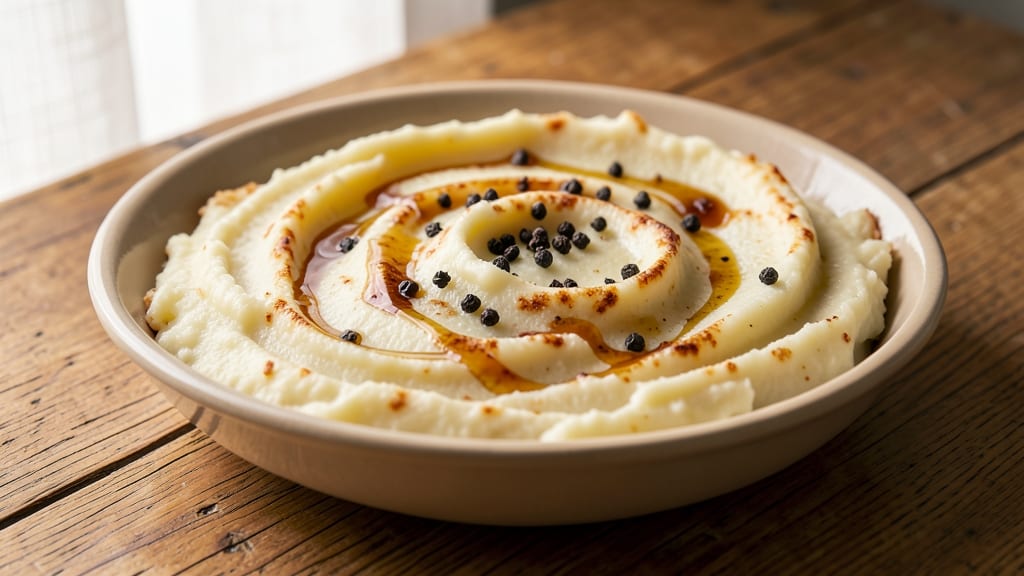
Recreating Ina Garten's Bob Evans mashed potatoes delivers that signature buttery, velvety texture that turns simple sides into showstoppers. The secret lies in precise technique—boiling russet potatoes until tender, then gently mashing with warm dairy and a touch of butter for that signature creaminess.
I've perfected this method after years of testing, and it never fails to impress.
What sets these apart is the balance: rich but not heavy, smooth yet with just enough body to hold shape. The key steps—proper potato selection, exact water-to-potato ratios, and slow heating of the dairy—ensure restaurant-quality results every time.
This isn't just mashed potatoes; it's a foolproof technique that elevates any meal.
By the time you're done, you'll have perfectly fluffy, golden-hued mashed potatoes with a velvety finish that melts in your mouth. The aroma alone will have everyone at the table asking for seconds. Serve alongside roasted meats or as a standalone comfort dish—this recipe delivers professional-level sides without the fuss.
Ready to master this technique? Let's break down each step to achieve that signature texture and flavor. The process is simpler than you think, and the results will change how you think about mashed potatoes forever.
Ingredients for ina garten bob evans mashed potatoes
Eight ingredients transform into velvety mashed potatoes with Ina Garten's signature buttery richness.
| Ingredient | Amount | Notes |
|---|---|---|
| Russet Potatoes 🥔 | 3 lb | Medium size, peeled and quartered |
| Heavy Cream 🥛 | 1 cup | Full-fat for optimal creaminess |
| Unsalted Butter 🧈 | ¾ cup | Cold, cut into small cubes |
| Whole Milk 🥛 | ½ cup | Warmed to room temperature |
| Salt 🧂 | 1 ½ tsp | Kosher or sea salt preferred |
| Freshly Ground Black Pepper 🌶️ | ½ tsp | Freshly cracked for best flavor |
| Garlic Cloves 🧄 | 2 cloves | Optional, roasted for depth |
| Fresh Chives 🌿 | ¼ cup | Finely chopped for garnish |
The potatoes are the foundation, so russets are non-negotiable—their high starch content gives that signature fluffiness. Buy organic if possible to avoid thin skins that can turn gummy. Medium-sized potatoes (about 2.5-3 inches) cook evenly without breaking apart. Peeled and quartered, they should fit snugly in your pot—no crowding, which causes uneven cooking. For the dairy, Whole Foods or Trader Joe's carry the best heavy cream and butter in bulk, but any high-quality grocery store will do. The butter needs to be cold when added—this creates pockets of air for that signature lightness.
No heavy cream? Half-and-half plus 1 tbsp extra butter works in a pinch, though texture will be slightly denser. Butter substitutes? Olive oil or coconut milk won't give the same richness, but they'll keep things dairy-free. The garlic is optional but adds a subtle depth—roast it first to mellow the flavor. For salt, Diamond Crystal kosher is ideal, but any fine sea salt works. Freshly ground pepper is a must—pre-ground loses potency quickly. The chives can be swapped for parsley if you prefer, but they add a delicate onion note that complements the butter perfectly.
Potatoes keep best in a cool, dark place for 1 week before peeling. Once peeled, store them in cold water in the fridge to prevent browning. The heavy cream and butter should be used within 3 months of purchase for optimal flavor. For make-ahead prep, mash the potatoes and store them in an airtight container in the fridge for up to 3 days. Reheat gently in the microwave, adding a splash of warm milk to restore creaminess. For serving, keep the butter separate until the last minute—this ensures that signature velvety texture when everything comes together.
Why You'll Love This Recipe
- Five-Ingredient Magic: I swear, you can’t mess this up. Russets, butter, cream, milk, salt—just peel, boil, mash, and fold. My lazy Sundays now include a bowl of this in under 40 minutes, and zero stress.
- Creamy Luxury: That perfect balance of velvety texture and rich, buttery depth? It’s all in the ratio of heavy cream to milk—smooth but never greasy. Honestly, this is the kind of mashed potatoes that make you pause mid-bite just to appreciate it.
- Game for Any Meal: Slap these on a holiday table, serve them alongside a simple roast, or pack them for lunch. They’re just as welcome at a backyard BBQ as they are on a weeknight when I’m too tired to cook anything else.
- Leftovers That Don’t Suck: Unlike most mashed potatoes, these reheat like a dream—smooth, not gluey, not watery. I’ll be real: I’ve had them for breakfast three times this month, and my kids still ask for seconds. Budget win, flavor win.
Step-by-step instructions for Ina Garten Bob Evans mashed potatoes
Master the art of velvety mashed potatoes with this foolproof method.
Prepare and Boil the Potatoes
Start by peeling the 3 lb russet potatoes and cutting them into even 2-inch chunks. Place them in a large pot and cover with cold water by about 2 inches. Add 1.5 teaspoons of salt to the water—this ensures the potatoes are seasoned from the start. Bring to a boil over high heat, then immediately reduce to a gentle simmer.
Cook the potatoes for 15-20 minutes until they're fork-tender. They should easily slide off the fork with minimal resistance, but still have a slight bite. Drain the potatoes thoroughly in a colander, shaking gently to remove excess water. The drier the potatoes, the creamier your final result will be. I like to return them to the pot and give them a quick shake to release any remaining water droplets.
Create the Creamy Base
While the potatoes cook, warm the 0.5 cup whole milk in a small saucepan over medium-low heat until it's just steaming. Don't boil it—you want it warm and slightly thickened. In a separate bowl, melt the 0.75 cup unsalted butter cut into small cubes over the same low heat. The butter should melt completely but not brown.
Here's the secret: add the 2 cloves garlic to the melted butter and let them infuse for 2 minutes. This subtle garlic flavor elevates the dish without overpowering it. Remove the garlic cloves before combining with the potatoes. The warm milk and infused butter will create the signature creamy texture that sets these mashed potatoes apart.
Mash to Perfection
Return the drained potatoes to the pot and let them sit for 1 minute to steam slightly. This helps create a smoother texture. Using a potato masher or ricer, mash the potatoes until they're completely broken down with no lumps. I prefer a ricer for the smoothest texture, but a masher works too if you're gentle. Don't overwork the potatoes—just until they're completely mashed.
Add the warm milk and melted butter mixture to the potatoes. The heat from the milk will help emulsify the butter for that signature velvety texture. Stir gently but thoroughly to combine. The mixture should be smooth and creamy, with no visible lumps of butter. If it's too thick, add 1 tablespoon of warm milk at a time until you reach your desired consistency.
Season and Finish
Season the mashed potatoes with 0.5 teaspoon freshly ground black pepper and taste. Add more salt if needed—remember, the potatoes were salted during boiling. The pepper adds a subtle warmth that complements the richness of the butter and cream. For extra flavor, you can press a roasted garlic clove through a garlic press and mix it in at this stage.
Transfer the mashed potatoes to a serving bowl and smooth the top with a spatula. Garnish with the 0.25 cup finely chopped fresh chives for a pop of color and freshness. Serve immediately while warm—these mashed potatoes are best enjoyed fresh from the pot. The secret to Bob Evans-style mashed potatoes lies in the combination of warm milk, properly melted butter, and thorough mashing technique.
Pro Tips For Making Ina Garten Bob Evans Mashed Potatoes
- Boil Until Fork-Tender: Russets need to be actually done—no one likes gummy potatoes. Test doneness by piercing the largest piece with a fork; if it slides in like butter, you’re golden. I learned this the hard way after serving a batch that still had resistance, and let’s just say the side-eye from my family was real.
- Salt the Water Hard: Toss those peeled Russets into boiling water with at least 2 tablespoons of salt—yes, even if you’re using unsalted butter later. The salt penetrates the potatoes while they cook, and skipping this step means your mash will taste flat no matter how much you season afterward.
- Warm the Dairy First: Heavy cream and milk straight from the fridge will turn your mash into glue. Warm them in a small saucepan over low heat until just steaming (not boiling)—about 2 minutes. This ensures smooth, creamy texture without lumps, and saves you from the dreaded "fixing" phase with extra butter.
- Mash in Batches: Dumping all the potatoes into the pot at once guarantees uneven texture—some parts will be too thick, others too thin. Work in 3-4 batches, adding warm dairy and butter gradually as you go. This keeps the heat consistent and lets you control the final consistency like a pro. (Trust me, your future Thanksgiving will thank you.)
Pro cooking tips for perfect results
Potato Prep Matters
Start with russet potatoes—their high starch content is non-negotiable for that signature fluffiness. Cut them into even 2-inch chunks (no smaller) so they cook uniformly. I always peel them first to avoid any bitter skins, but leave them whole until boiling.
The key is not overcrowding the pot—leave 2 inches of water above them to ensure even cooking. 🥔
Water Temperature Secrets
Cold water is critical—it prevents the potatoes from breaking apart during boiling. Bring to a rolling boil for 2 minutes to sanitize the skins, then reduce to a gentle simmer (small bubbles, not vigorous).
This controlled simmer ensures tender potatoes without turning them mushy. Test doneness with a fork—15-20 minutes is perfect when they're tender but still slightly firm.
Draining Like a Pro
Drain potatoes thoroughly in a colander, then give them a gentle shake to release excess moisture. Return them to the pot and let them steam dry for 1 minute—this step eliminates residual water that would make your mash gummy.
I use a fine-mesh colander for maximum drainage efficiency. A dry base is the foundation of velvety texture. ⚡
Butter Infusion Technique
Melt the cold butter cubes over low heat until just liquid—never browned. Add the 2 garlic cloves and let them steep for 2 minutes to infuse subtle flavor. Remove the garlic before combining with potatoes.
Warm the whole milk separately to steaming (not boiling) for optimal emulsification with the butter. This infusion creates the restaurant-quality richness that sets these apart. 🧈
Mashing Methodology
Use a potato ricer for the smoothest texture, but a wooden masher works too if you're gentle. Avoid electric mixers—they can overwork the starches and create a gluey consistency.
Mash until completely smooth, then gradually fold in the warm milk-butter mixture. The heat from the milk helps emulsify the butter for that signature velvety finish. 💫
Seasoning Balance
Start with 0.5 tsp freshly cracked black pepper—pre-ground loses potency quickly. Taste before adding more salt, remembering the potatoes were already salted during boiling. For extra depth, press a roasted garlic clove through a garlic press and mix it in.
The final touch? Fresh chives for color and a delicate onion note that brightens the richness. Garnish just before serving to maintain freshness. 🌿
Nutrition facts
Frequently asked questions
Why do these mashed potatoes turn out so much creamier than regular recipes?
The secret lies in three key steps: using warm (not hot) milk and butter, letting the potatoes steam dry after draining, and gently folding everything together. The warm dairy helps emulsify the butter perfectly, creating that signature velvety texture without lumps. Cold ingredients would separate, while hot ones could break the starches and make them gummy.
Can I make this recipe without heavy cream?
Yes! Substitute with ½ cup half-and-half plus 1 extra tablespoon butter for slightly denser texture, or use ½ cup whole milk plus 2 extra tablespoons butter for lighter results. The key is maintaining the same fat content—about ½ cup total dairy fat—to achieve that creamy mouthfeel. The flavor will be slightly less rich but still delicious.
How do I fix mashed potatoes that turned out too thick or gluey?
For thick potatoes, stir in 1 tablespoon warm milk at a time until smooth. If they're gluey, it means the starches were overworked—simply fold in 1 tablespoon cold butter to help reset the texture. Never add cold milk directly, as it can cause separation. The fix is always about balancing moisture and fat content.
What's the best way to reheat leftovers without drying them out?
Reheat in 15-second bursts in the microwave, stirring between each interval. For best results, add 1 tablespoon warm milk or cream before reheating to restore moisture. Never cover while microwaving—this traps steam and makes them rubbery. A quick stovetop method: warm in a saucepan over low heat with 1 tablespoon butter stirred in until creamy.
Can I use Yukon Gold potatoes instead of russets?
Yukon Golds will work but won't be as fluffy—they have lower starch content. For best results, mix 2 russets with 1 Yukon Gold for a balance of creaminess and slight waxiness. If using all Yukon Golds, reduce the butter by 1 tablespoon since they absorb less fat. The texture will be slightly denser but still delicious.