
Beverages
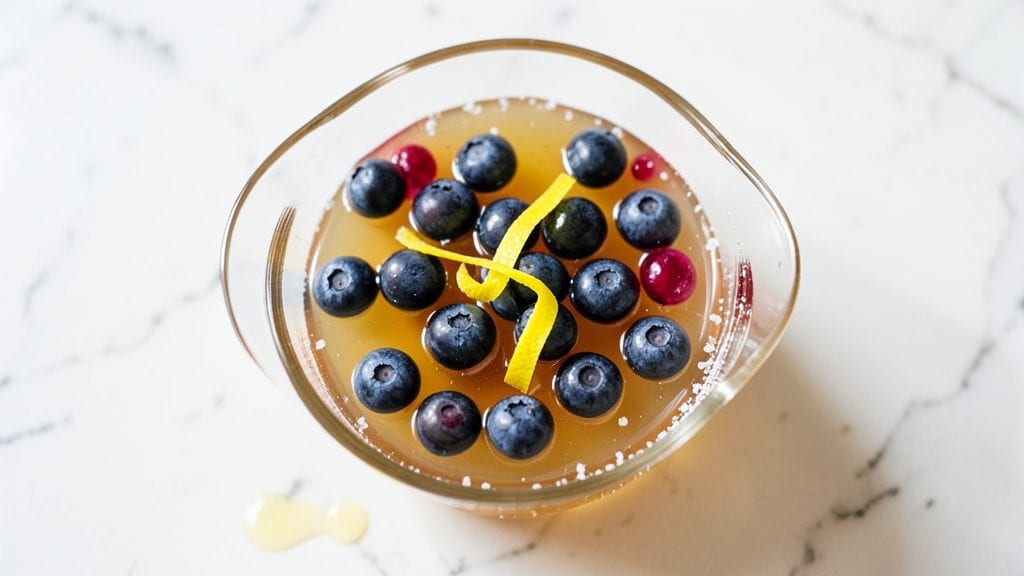
This jello apple cider vinegar and lemon juice recipe transforms simple gelatin into a vibrant dessert with a surprising tangy-sweet balance that will redefine your dessert table. The apple cider vinegar adds depth while lemon juice brightens every layer, creating a refreshing treat that looks as stunning as it tastes.
I developed this after experimenting with flavor pairings that elevated basic jello into something extraordinary.
The magic happens in the layers—clear gelatin sets perfectly with a crisp texture, while the vinegar and lemon create a zesty twist that cuts through the sweetness. This recipe uses just five ingredients and takes under 20 minutes of active time, making it ideal for gatherings or spontaneous treats.
The result is a dessert that’s both elegant and approachable, with a refreshing finish.
What makes this stand out is the unexpected flavor profile—the vinegar’s acidity enhances the lemon, while the gelatin provides a clean, smooth base. Each layer remains distinct yet harmonizes beautifully, creating a dessert that’s as visually impressive as it is delicious.
Perfect for summer parties or as a unique after-dinner surprise.
The plating is where this dessert truly shines—use clear cups to showcase the layered effect, or add fresh berries for a pop of color. This recipe delivers restaurant-quality results with minimal effort, proving that simple ingredients can create something remarkable. Let’s bring this refreshing twist to your dessert menu!
Ingredients for jello apple cider vinegar and lemon juice
Five ingredients transform basic gelatin into a restaurant-quality dessert with vibrant layers and unexpected tangy-sweet harmony.
| Ingredient | Amount | Notes |
|---|---|---|
| Unflavored Clear Gelatin Powder 🍬 | 2 tbsp | High-quality, premium grade preferred |
| Apple Cider Vinegar 🍏 | ¼ cup | Raw, unfiltered for depth of flavor |
| Fresh Lemon Juice 🍋 | ½ cup | Strained, seedless, freshly squeezed |
| Granulated Sugar 🍚 | 1 cup | Fine grain for even dissolution |
| Hot Water 💧 | 1 ½ cups | Freshly boiled, not tap water |
| Fresh Blueberries 🫐 | ¼ cup | For garnish, optional but recommended |
| Lemon Zest 🍋 | 1 tbsp | Fine, for garnish and flavor enhancement |
The gelatin quality is non-negotiable here. Knox brand or Great Lakes are industry standards—avoid generic store brands that often contain anti-caking agents, which can cloud the final texture. Apple cider vinegar should be raw and unfiltered for optimal depth; brands like Bragg or White House deliver consistent results. Fresh lemon juice is critical—bottled versions lack the bright acidity needed to cut through the sweetness. For the sugar, Domino or C&H brands ensure even dissolution without graininess. Hot water must be freshly boiled to dissolve the gelatin completely, avoiding any tap water impurities that could affect clarity.
Substitutions require careful balance. No apple cider vinegar? White vinegar at half the amount works, but the flavor profile shifts slightly. Fresh lemon juice unavailable? Bottled lemon juice with added lemon zest can compensate, though texture may vary. Sugar substitutes like honey or agave can replace granulated sugar at a 1:1 ratio, but dissolve them in warm water first to prevent crystallization. For a more intense flavor, consider adding 1/4 teaspoon of vanilla extract to the hot water mixture. Garnishes can be swapped—raspberries or blackberries work equally well if blueberries aren't available, though color contrast will differ.
This dessert requires precise timing for optimal results. Once mixed, pour immediately into clear silicone molds or glass cups to showcase the vibrant layers. Refrigerate for at least 4 hours or until fully set—patience here ensures clean slices. Store leftovers in an airtight container for up to 5 days, though the texture may soften slightly. For a party setting, prepare the mixture ahead and refrigerate the unmolded dessert for up to 24 hours before serving. Garnishes should be added just before serving to maintain freshness and visual appeal.
Why You'll Love This Recipe
- Five-Ingredient Magic: I swear by this recipe because it’s the kind of thing you’ll make when you’re tired of scrolling through complicated recipes. Just gelatin, vinegar, lemon, sugar, and hot water—no fancy gadgets, no last-minute grocery runs. Honestly, I’ve made it three times this week because it’s that foolproof.
- Tangy Zing: That bright, sharp kick from the apple cider vinegar and lemon juice cuts through the sweetness like a refreshing breeze. It’s not cloyingly sweet—it’s got this just-right balance that makes it feel fancy, even though it’s basically a science experiment you can eat.
- No-Waste Flexibility: Between us, this stuff is perfect for when you’ve got half a lemon lingering in the fridge or a bottle of ACV you’re trying to finish. It’s also the ultimate make-ahead dessert—set it, forget it, and boom, you’ve got a showstopper for game night or a last-minute potluck.
- Budget Bright Spot: This recipe costs me pennies but feels like a treat. A single packet of gelatin and a splash of vinegar stretch to make multiple servings, and the sugar? You probably already have it. It’s my go-to when I want something special without breaking the bank.
Step-by-step instructions for jello apple cider vinegar and lemon juice recipe
Here's how to create a vibrant, tangy gelatin dessert with perfect clarity and balanced acidity.
Bloom the Gelatin in Vinegar
In a medium bowl, sprinkle the 2 tablespoons unflavored clear gelatin powder evenly over the 0.25 cup apple cider vinegar. This creates a thin layer that prevents clumping. Let it sit for 5 minutes—you'll see the powder absorb liquid and form small, translucent granules. This blooming process is critical; it activates the gelatin molecules for proper setting.
While waiting, measure out the 0.5 cup fresh lemon juice and strain it through a fine-mesh sieve to remove any pulp or seeds. The juice should be completely clear with no visible particles, as any residue will cloud your final gelatin. Keep this strained juice nearby for the next step.
Dissolve Sugar in Hot Water
In a separate heatproof bowl, combine the 1 cup granulated sugar with the 1.5 cups hot water (just off boil, around 180°F). Stir vigorously with a whisk until the sugar dissolves completely—this should take about 2 minutes. The mixture should be clear with no visible sugar crystals. Any undissolved sugar will create grainy spots in your gelatin.
Remove the bowl from heat and let it cool to 110°F (about 5 minutes). This temperature is crucial—too hot and the gelatin won't set properly; too cool and it may not fully incorporate. Test the temperature with a candy thermometer for precision.
Combine All Ingredients
Return to the bloomed gelatin mixture and whisk in the cooled sugar-water solution until fully combined. The mixture should be smooth and slightly syrupy. Add the 0.5 cup strained lemon juice and whisk again until evenly distributed. The acidity from both the vinegar and lemon juice will create a bright, tangy flavor profile that balances the sweetness.
Strain the entire mixture through a fine-mesh sieve into a clean pitcher or serving glasses. This ensures a completely clear final product without any gelatin particles or fruit bits. The liquid should be translucent with a pale yellow hue from the lemon juice.
Set the Gelatin Properly
Pour the mixture into 4 individual serving glasses or a single large dish, filling each to about 3/4 capacity. Cover each glass with plastic wrap pressed directly onto the surface to prevent skin formation. Refrigerate for 4 hours or until completely firm—you'll know it's ready when the edges pull away cleanly from the glass and the center holds its shape when gently shaken.
For a layered effect, you can add the 0.25 cup fresh blueberries and 1 tablespoon lemon zest as garnish before serving. Arrange them decoratively on top of the set gelatin just before serving, or press a few into the bottom before pouring for a marbled effect. The blueberries add a pop of color while the lemon zest intensifies the citrus aroma.
Serve and Enjoy
Remove the gelatin from the refrigerator 10 minutes before serving to soften slightly. To unmold, dip the glasses briefly in hot water (about 170°F) for 5 seconds, then invert onto plates. The gelatin should release cleanly if properly set. Serve immediately with additional lemon zest sprinkled on top for an elegant finish.
This recipe yields 4 servings of vibrant, tangy gelatin with a perfect balance of sweetness and acidity. The apple cider vinegar adds depth while the lemon juice provides brightness, creating a dessert that's both refreshing and sophisticated. Each bite should deliver a clean, crisp texture with a lingering citrus finish.
Pro Tips For Making Jello Apple Cider Vinegar And Lemon Juice
- Bloom the Gelatin Right: Whisk the powder into cold water first—just enough to cover it—then let it sit for 5 minutes before adding hot water. I learned this the hard way: skipping this step means clumps, even with vigorous stirring. Trust me, those tiny lumps are the enemy of a smooth set.
- Measure Vinegar Precisely: Use a kitchen scale for the apple cider vinegar—1 tablespoon isn’t always 15 mL. Too much acid and your jello will taste harsh; too little and the flavor falls flat. If you’re eyeballing, at least fill the spoon to the rim and scrape it clean.
- Strain the Lemon Juice: Even fresh lemon juice has pulp, and that’s the fastest way to end up with a grainy jello. Strain it through a fine-mesh sieve into your measuring cup—takes 30 seconds and saves you from a textured disaster. (Yes, even if you’re impatient like me.)
- Chill in Layers: Pour the hot mix into your mold, then pop it in the fridge for 10 minutes before finishing in the freezer. The fridge starts the set gently, while the freezer firms it up faster. Skip this, and you’ll either wait forever or end up with a watery mess.
Essential equipment for great jello apple cider vinegar and lemon juice
Precision Tools
Start with a high-quality candy thermometer—I recommend the Thermoworks Thermapen—to monitor water temperatures precisely. This ensures your sugar-water solution reaches exactly 110°F before combining with gelatin, preventing overcooking or improper setting.
A fine-mesh sieve (like the OXO Good Grips) is essential for straining both lemon juice and the final gelatin mixture to achieve crystal-clear layers. 🌡️
Serving Essentials
Use clear silicone molds (such as Nordic Ware or Wilton) or glass serving cups to showcase the vibrant layers. These materials maintain clarity and allow guests to appreciate the dessert's visual appeal.
For unmolding, have a shallow water bath ready with hot water (~170°F)—I use a double boiler setup for consistent temperature control. A whisk with silicone handles (like OXO Good Grips) ensures smooth mixing without scratching your bowls.
Garnish Tools
Fresh garnishes elevate presentation, so keep a microplane (like Barbour) for lemon zest and a small paring knife for blueberries. A small offset spatula helps arrange garnishes decoratively without disturbing the gelatin.
For storage, airtight containers (such as Glasslock) preserve texture for up to 5 days, while a fine-mesh strainer keeps garnishes fresh until serving time. ✨
Budget-Friendly Swaps
Skip the candy thermometer? Use a kitchen timer and test water temperature by sprinkling a few drops on your wrist—it should feel warm but not scalding. Replace silicone molds with clean glass jars (like Ball mason jars).
For straining, a clean coffee filter works in a pinch. A wooden spoon suffices for mixing if a whisk isn't available, though it may leave slight grooves in the gelatin.
Pro Tips for Success
Invest in Knox brand gelatin—its premium quality ensures clear, wobble-free layers. A spray bottle with water helps release stubborn gelatin from molds. For layered effects, use small silicone cupcake liners as dividers in larger molds.
Store your tools in a dedicated dessert station to keep everything organized and ready for your next creation. 💡
Nutrition facts
Frequently asked questions
Why does apple cider vinegar make this gelatin recipe different?
The apple cider vinegar adds a subtle tangy depth that complements the lemon juice beautifully. It enhances the citrus notes while adding complexity, creating a more sophisticated flavor than traditional fruit-flavored gelatin. The acidity also helps balance the sweetness for a refreshing finish.
Can I make this recipe without fresh lemon juice?
Yes, but the flavor will be less vibrant. Use bottled lemon juice (like ReaLemon) and add 1 extra tablespoon of lemon zest to compensate. For best results, strain the bottled juice through a fine-mesh sieve to remove any additives that could cloud the gelatin.
How do I fix cloudy gelatin?
Cloudiness usually means undissolved gelatin or impurities. Strain the mixture through a fine-mesh sieve again, then reheat the liquid portion to 160°F for 1 minute to fully dissolve any remaining gelatin particles. Let it cool to 110°F before setting.
Can I make this recipe ahead of time?
Prepare the mixture up to 24 hours ahead and refrigerate it in the unmolded state. Add garnishes just before serving to keep them fresh. The texture may soften slightly after 3 days, so serve within 5 days for best results.
What's the best way to serve this dessert?
Use clear glassware to showcase the vibrant layers. For an elegant touch, add edible flowers or berries as garnish. Serve chilled with a sprig of fresh mint or a dusting of powdered sugar for contrast. It's perfect for summer parties or as a refreshing after-dinner treat.