Main Courses
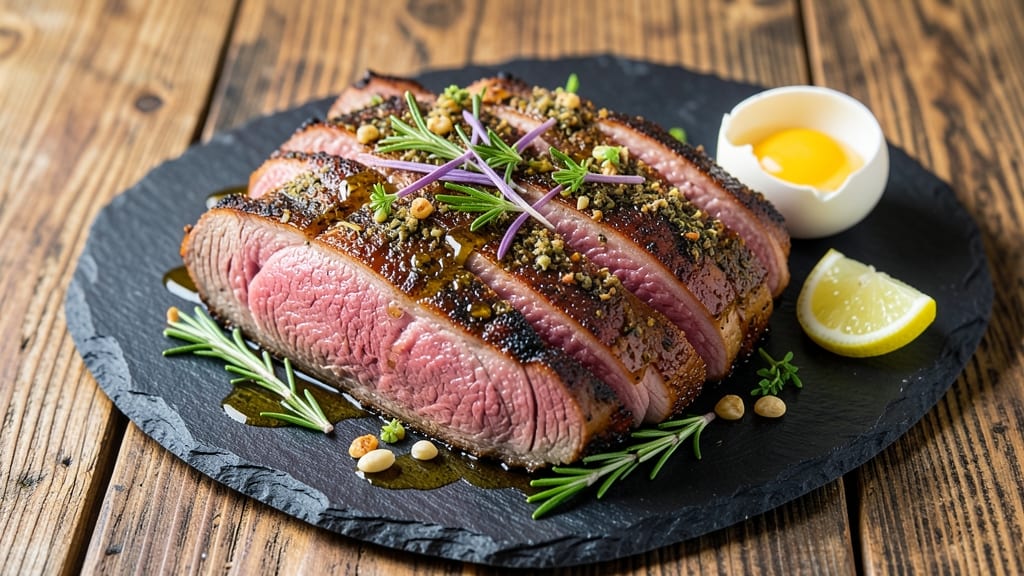
Mastering Joshua Weissman's rib roast recipe transforms a simple cut of beef into a showstopping centerpiece with crispy herb crust and velvety pan sauce. The secret lies in precise seasoning and controlled roasting—techniques Weissman perfected over years of professional kitchens.
This isn't just dinner; it's a culinary statement that elevates any table.
What sets this recipe apart is the herb-crusted exterior that crackles with every bite, while the interior remains perfectly tender. The pan sauce, developed through careful deglazing and reduction, captures all the roasted flavors—no leftovers wasted.
With just five key ingredients and three hours of hands-off time, you'll achieve restaurant-quality results at home.
The process begins with a dry-brine overnight, ensuring maximum flavor penetration, followed by a high-heat sear to lock in juices. Resting the roast properly is critical—cutting too soon means lost juices and a dry result.
This method guarantees a juicy, flavorful roast with a crust so impressive, guests will ask for the recipe.
Pair with classic sides like roasted garlic mashed potatoes or buttered green beans to complete the meal. The pan sauce alone makes this worth repeating—rich, aromatic, and packed with depth. Let's create a roast that deserves center stage.
Ingredients for joshua weissman rib roast
Six essential ingredients transform a rib roast into a restaurant-quality masterpiece with crispy herb crust and velvety pan sauce.
| Ingredient | Amount | Notes |
|---|---|---|
| Prime Rib Roast (Ribeye) 🥩 | 4 lb | Bone-in, 1.5-2 inch thick, dry-brined overnight |
| Kosher Salt 🧂 | ½ cup | Diamond Crystal preferred for optimal dissolution |
| Fresh Rosemary 🌿 | ¼ cup | Finely chopped stems and leaves |
| Fresh Thyme 🌿 | ¼ cup | Leaves only, stems removed |
| Fresh Garlic 🧄 | 8 cloves | Minced, skin-on for maximum flavor |
| Extra-Virgin Olive Oil 🫒 | ¼ cup | High-quality, fruity variety |
| Unsalted Butter 🧈 | ½ cup | Cold, cubed for crust |
| Dry Red Wine 🍷 | 1 cup | Cabernet Sauvignon or Merlot |
| Beef Bone Broth 🍲 | 1 cup | Homemade or high-quality store-bought |
| Heavy Cream 🥛 | ½ cup | Full-fat for optimal sauce texture |
| Black Peppercorns 🌶️ | 1 tbsp | Freshly cracked for robust flavor |
| Fresh Parsley 🌿 | ⅛ cup | Chopped, for garnish |
The rib roast is the foundation—opt for a prime ribeye cut with generous marbling for optimal tenderness. Whole Foods Market or high-end butchers carry the best selections, but any quality grocery store will have suitable options. Look for a 1.5-2 inch thick roast with visible fat cap to ensure proper crust formation. The dry-brine method requires Diamond Crystal kosher salt—its larger crystals dissolve more evenly than table salt, creating a more uniform flavor profile. Fresh herbs are non-negotiable; local farmers' markets offer the most vibrant rosemary and thyme, but grocery store bunches work if used immediately. The garlic should be plump and firm—no soft spots or sprouting cloves—as it will carry the roast's aromatic depth.
Substitutions require precision to maintain balance. If red wine isn't available, dry vermouth or beef stock works in a pinch, though the sauce will lack subtle complexity. Fresh herbs can be substituted with dried equivalents at one-third the quantity, but texture and aroma will differ. For the olive oil, avocado oil is a suitable alternative, though it lacks the fruity notes that complement the roast. The butter must be unsalted—adding salt would overpower the delicate seasoning. If heavy cream isn't on hand, half-and-half can be used, though the sauce will be slightly lighter. The peppercorns should be freshly cracked—pre-ground lacks the aromatic punch needed for this dish.
Storage and preparation efficiency are key. The dry-brined roast can rest uncovered in the refrigerator for up to 24 hours, though the overnight method yields best results. Fresh herbs should be wrapped in damp paper towels and stored in a sealed container for 3-4 days to maintain vibrancy. The pan sauce components—wine, broth, and cream—can be prepped ahead and refrigerated separately for 2 days, though combining them too early risks curdling. Leftovers reheat beautifully; slice the roast and warm gently in the sauce to preserve moisture. The crust will soften slightly but remains flavorful—ideal for sandwiches or hash the next day.
Why You'll Love This Recipe
- Foolproof Timing: Between us, this roast takes zero guesswork. You season it, sear it hard in a screaming-hot pan, then let the oven do the work—no basting, no fussing. I’ve made it while answering emails, and it still comes out with that perfect crust and melt-in-your-mouth center every time.
- Herb-Packed Magic: That rosemary and thyme? They’re not just garnish—they cling to the meat like a flavor hug. The garlic? Oh, it caramelizes into little crispy pockets that make you want to eat it straight off the bone. (Yes, even on a Tuesday night.)
- Leftovers That Win: This recipe makes way more than you’ll eat in one sitting, and honestly, the second day is even better. Thinly slice it for sandwiches, toss it into pasta, or just reheat it with a splash of red wine—it’s the kind of meal that keeps giving.
- Weeknight Hero: No one’s impressed by a roast that takes hours. This one’s ready in under 2 hours (start to finish, including resting), and the prep? Just salt, herbs, and garlic. That’s it. It’s my go-to when I need something impressive but don’t want to slave over it.
Step-by-step instructions for Joshua Weissman's herb-crusted rib roast
Master this technique and you'll achieve a perfectly herb-crusted roast with an irresistible pan sauce every time.
Prepare the Herb Crust Mixture
In a food processor, combine the 0.5 cup kosher salt, 0.25 cup fresh rosemary, 0.25 cup fresh thyme, 8 cloves fresh garlic, 0.25 cup extra-virgin olive oil, and 1 tablespoon freshly cracked black peppercorns. Pulse until the herbs are finely chopped but still visible—you want texture, not a paste. Transfer this mixture to a bowl and let it sit at room temperature for 30 minutes to allow the flavors to meld.
The salt here serves dual purposes: it enhances flavor penetration and creates that signature crust. I like to press the mixture firmly against the meat later to ensure maximum adhesion. This prep step is where the magic begins—don't rush it.
Season and Crust the Rib Roast
Remove the 4 lb prime rib roast (ribeye) from the refrigerator and pat it dry with paper towels. Place it on a wire rack set in a rimmed baking sheet. Using your hands, press the herb mixture evenly over the entire surface, including the fat cap. The crust should adhere firmly—press especially hard on the top and sides where the most contact with heat will occur.
Let the roast sit at room temperature for 45 minutes before roasting. This step is crucial for even cooking and maximum crust development. The fat cap should be thoroughly coated with the herb mixture—this will render beautifully during roasting and create that coveted crust.
Roast to Medium-Rare Perfection
Preheat your oven to 450°F. Place the roast on the middle rack and roast for 20 minutes. Then reduce the temperature to 325°F and continue roasting for 20-25 minutes per pound, or until the internal temperature reaches 125-130°F for medium-rare. I use a meat thermometer inserted into the thickest part of the roast, avoiding the bone.
Here's the thing about rib roasts—they cook faster than you think. The high initial temperature creates that beautiful crust, while the lower temperature ensures even doneness. Watch for the crust to turn deep golden brown and the fat to render into crispy, herbed droplets. If the crust starts to darken too quickly, tent loosely with foil.
Create the Pan Sauce
While the roast rests (at least 20 minutes), place the baking sheet on the stovetop over medium heat. Add the 0.5 cup unsalted butter and let it melt, scraping up all the browned bits from the bottom of the pan. Pour in the 1 cup dry red wine and simmer for 3-4 minutes until reduced by half.
Add the 1 cup beef bone broth and simmer for another 5 minutes until slightly thickened. Stir in the 0.5 cup heavy cream and continue simmering until the sauce coats the back of a spoon. Season with additional salt if needed—the sauce should be rich but not overpowering. Keep the sauce warm until ready to serve.
Rest and Serve with Pan Sauce
Slice the roast against the grain into ½-inch thick slices. Arrange on a platter and drizzle generously with the pan sauce. Garnish with 0.125 cup chopped fresh parsley just before serving. The roast should be juicy with a firm, pink center, and the sauce should cling beautifully to each slice.
This is where all your preparation pays off. The herb crust should be fragrant and slightly crisp, the meat tender with just a hint of pink in the center, and the sauce rich with layers of wine and herb flavors. Serve immediately with roasted vegetables or a simple green salad to complement the richness of the roast.
Pro Tips For Making Joshua Weissman Rib Roast
- Sear Until Black: Joshua Weissman’s recipe relies on that deep, caramelized crust—don’t rush the sear. Hit the prime rib with a screaming-hot pan (or grill) until the edges turn dark brown to black, not just golden. I used to pull it too soon, thinking it’d overcook, but that’s when the flavor falls flat.
- Salt the Garlic: The garlic in this recipe isn’t just for flavor—it’s for texture. Crush the cloves lightly (a few good smashes with the flat side of your knife), then toss them in a pinch of kosher salt before adding them to the roast. The salt draws out moisture, making them crispier when they caramelize against the meat.
- Skip the Overcrowded Pan: If you’re searing multiple sides, resist the urge to stack the roast with aromatics. Pile them on too early, and you’ll steam the meat instead of searing it. Work in batches—sear the roast first, then add the garlic and herbs after the initial crust forms. Trust me, your crust will thank you.
- Rest Under Foil: The recipe says to rest the roast, but most people underestimate how long. Tent it with foil and let it sit at least 20 minutes—no peeking, no cutting—so the juices redistribute. I learned this the hard way when my first slice dripped like a sad steak. Patience here makes the difference between juicy perfection and disappointment.
Regional styles of joshua weissman rib roast
Classic French Style
In France, rib roasts are traditionally prepared with a duxelles—a finely chopped mixture of mushrooms, shallots, and herbs. For this adaptation, replace the garlic in the herb crust with ½ cup finely chopped cremini mushrooms and 2 shallots, sautéed until golden.
Use Burgundy wine instead of Cabernet, and finish the pan sauce with 1 sprig fresh tarragon for that classic French touch. The crust becomes earthier, and the sauce gains a subtle umami depth that pairs beautifully with crusty baguette slices for serving. 🍷
Texas BBQ Twist
Texas-style rib roasts embrace bold flavors and smoky aromas. Swap the rosemary and thyme for 1 tbsp smoked paprika and 1 tbsp ground coriander, then add 1 tbsp brown sugar to the crust mixture.
Replace the red wine with 1 cup beef stock and finish the pan sauce with 2 tbsp apple cider vinegar and a pinch of cayenne pepper. Serve with pickled jalapeños and cornbread for a true Lone Star State experience.
The crust here is sweet, smoky, and slightly spicy—perfect for BBQ lovers. 🌶️
Italian Herb-Crusted
For an Italian-inspired version, blend the herb crust with 2 tbsp finely chopped fresh sage and 1 tsp dried oregano. Substitute the red wine with 1 cup dry white wine (like Pinot Grigio) and finish the sauce with 1 oz grated Parmesan cheese.
The crust takes on a Mediterranean brightness, and the sauce gains a nutty richness from the cheese. Serve with roasted rosemary potatoes and a simple arugula salad dressed with lemon vinaigrette. This version is lighter yet equally flavorful. 🌿
Asian-Inspired Five-Spice
Infuse the crust with 1 tsp Chinese five-spice powder and 1 tbsp finely chopped fresh cilantro for an Asian twist. Replace the red wine with 1 cup dry sherry and add 1 tbsp soy sauce and 1 tsp grated fresh ginger to the pan sauce.
Garnish with sliced scallions and serve with steamed jasmine rice and stir-fried bok choy. The five-spice blend adds warmth and complexity, while the sherry lends a subtle sweetness that balances the richness of the roast. 🥢
Modern Fusion Approach
For a contemporary take, blend the herb crust with 1 tbsp miso paste and 1 tsp sesame seeds for a savory depth. Use 1 cup dry sake instead of wine and finish the sauce with 1 tbsp honey and a splash of fish sauce.
Garnish with microgreens and toasted sesame seeds for a visually stunning dish. Serve with quinoa pilaf and blistered shishito peppers for a fusion that’s both elegant and unexpected. This version bridges traditional and modern techniques beautifully. ✨
Nutrition facts
Frequently asked questions
Can I use a different cut of beef instead of ribeye?
While ribeye is ideal for its marbling, you can use prime rib (bone-in) or even a well-marbled strip roast. Avoid lean cuts like sirloin—they won't develop the same rich crust or tenderness. For best results, stick to a cut with at least 1 inch of fat cap to ensure proper crust formation and moisture retention.
Why does the recipe call for dry-brining overnight?
The overnight dry-brine creates two key benefits: it enhances flavor penetration throughout the meat and helps form that signature crispy herb crust. The salt draws out moisture, which then reabsorbs during cooking, resulting in a more tender roast. Skipping this step may yield a less flavorful crust and slightly drier interior.
How do I fix an overcooked rib roast?
If your roast ends up dry, try slicing it thinly and serving it as a sandwich with the pan sauce or in a hearty beef hash with potatoes and onions. The sauce will help restore some moisture. For future attempts, use a meat thermometer and remove the roast when it reaches 125°F for medium-rare, then let it rest—it will carry over to 130°F.
Can I make the pan sauce ahead of time?
Yes, but combine all sauce ingredients only when ready to use—preparing it too early can cause curdling. You can prep individual components (wine reduction, broth base) separately and refrigerate them for up to 2 days. Reheat gently over low heat, stirring constantly, and finish with the cream just before serving to maintain texture.
What's the best way to reheat leftovers?
Slice the roast and warm it gently in the pan sauce over low heat for 5-7 minutes, stirring occasionally. Avoid microwaving—it can make the meat tough. The crust will soften slightly but remains flavorful. Store leftovers in an airtight container for up to 3 days or freeze for 2 months.