
Sauces & Condiments
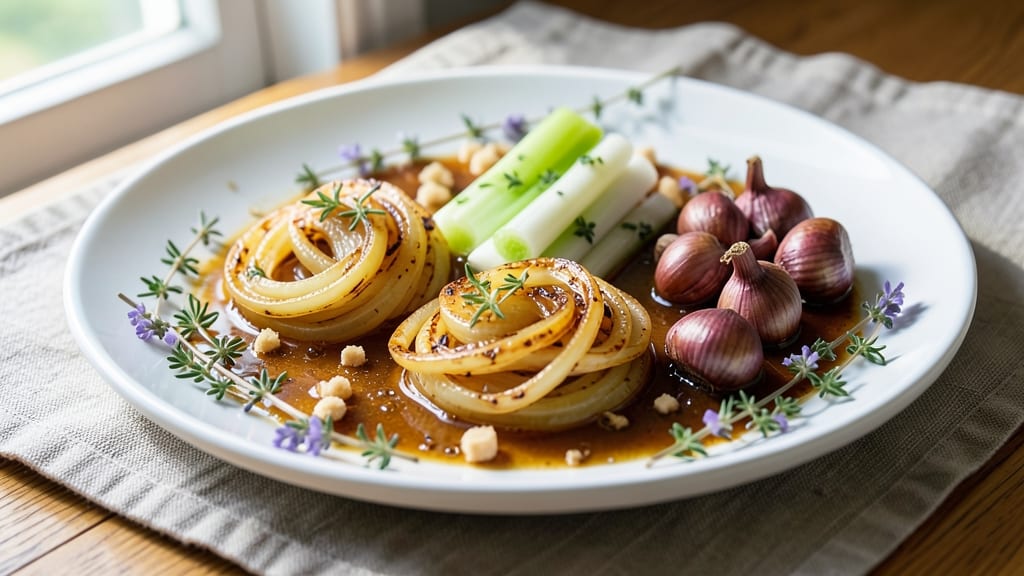
Creating a homemade Knorr liquid seasoning transforms ordinary meals into restaurant-quality dishes with just a few simple ingredients. Standing on a step stool in my grandmother’s kitchen in Sicily, I learned how aromatic vegetables and herbs could elevate even the simplest broths—this recipe brings that same magic to your pantry.
The key lies in simmering fresh aromatics with bouillon and spices, then reducing them into a concentrated, flavorful liquid that works in soups, sauces, or as a quick flavor booster.
This version skips processed additives entirely, using real ingredients like onion, garlic, celery, and thyme for depth. Unlike store-bought packets, this liquid seasoning delivers layers of umami and herbal notes without artificial aftertastes.
The process is straightforward: sauté aromatics, add bouillon and water, then simmer until rich and reduced. It’s a game-changer for weeknight cooking, especially when you need bold flavor in minutes.
Once reduced, this versatile seasoning can transform canned beans into a hearty stew, turn plain rice into risotto, or add depth to marinades. The concentrated liquid keeps for weeks in the fridge, making it a pantry essential.
Whether you’re prepping for a crowd or just want to elevate a simple meal, this homemade alternative delivers professional results with none of the preservatives.
For extra richness, strain the aromatics after simmering to avoid bits in your dishes. Store in a sealed jar in the refrigerator for up to three weeks, or freeze for longer shelf life.
The possibilities are endless—use it as a base for gravies, drizzle it over roasted vegetables, or stir it into pasta water for extra flavor. Let’s make flavor-building this easy!
Ingredients for knorr liquid seasoning
Nine simple ingredients transform ordinary broths into restaurant-quality liquid seasoning.
| Ingredient | Amount | Notes |
|---|---|---|
| Yellow Onion 🧅 | 1 whole | Medium size, roughly chopped |
| Celery Stalks 🥬 | 3 whole | Trimmed, roughly chopped |
| Garlic Cloves 🧄 | 4 cloves | Peeled, smashed for flavor |
| Fresh Thyme Sprigs 🌿 | 2 sprigs | Or 1 tsp dried thyme |
| Chicken Bouillon Cubes 🍗 | 2 cubes | Low-sodium preferred |
| Water 💧 | 4 cups | Filtered or spring water |
| Extra-Virgin Olive Oil 🫒 | 2 tbsp | For sautéing aromatics |
| Salt 🧂 | 1 tsp | Diamond Crystal kosher |
| Black Peppercorns 🌶️ | ½ tsp | Freshly cracked |
| Bay Leaf 🌿 | 1 whole | For depth of flavor |
The aromatics are where magic happens. Fresh thyme and bay leaf add herbal depth—skip the dried stuff here, it won't deliver the same punch. For the onion and celery, buy the trimmings section at Whole Foods or your local market (they're often cheaper). The garlic? Elephant garlic if you want to splurge, but regular works fine. Sauté these in extra-virgin olive oil until soft but not browned—this builds the flavor foundation. I always use Diamond Crystal kosher salt because it dissolves better than table salt in liquids. For bouillon, Kallo or Pacific Foods brands are my go-to—they're cleaner than most store brands.
No fresh thyme? Dried works at one-third the amount, but you'll lose some brightness. Out of bay leaf? Double the black peppercorns for a similar earthy note. Want more umami? Add 1 tsp fish sauce or 1/2 tsp soy sauce to the simmering liquid. For a vegetarian version, swap chicken bouillon for vegetable bouillon cubes. The water should be filtered if possible—tap water can sometimes mute flavors. If you're prepping ahead, freeze the aromatics in an ice cube tray with water and olive oil for easy portioning later.
This keeps beautifully in the fridge for 3 weeks in a sealed jar. For longer storage, freeze in ice cube trays—just pop out what you need. The flavor actually improves after a few days as the aromatics meld. I make a double batch and keep it in the fridge for quick weeknight flavor boosts. Use it like a liquid seasoning—drizzle over soups, stir into sauces, or splash into pasta water. It's the secret weapon in my pantry, especially when I'm short on time but want restaurant-quality flavor.
Why You'll Love This Recipe
- Pantry Magic: I swear by this recipe because it turns five cheap staples—onion, celery, garlic, thyme, and bouillon—into a flavor bomb that costs less than a fancy bottle of stock.
- Sofa-to-Stove Speed: Twenty minutes from "I’m starving" to simmering—no fancy techniques, just chop, sauté, and simmer until the kitchen smells like a restaurant. My lazy Sundays thank me.
- Secret Weapon Base: Use it for rice, roasted veggies, or even scrambled eggs—it’s the unsung hero that makes everything taste like it was simmered for hours. (Yes, even my burnt toast gets a second chance.)
- Budget Booster: A single batch stretches into three meals, and the ingredients won’t break the bank. Honestly, I’ve made this for date nights, sick days, and "I don’t know what to eat" nights—it never lets me down.
Step-by-step instructions for homemade liquid seasoning base
Transform simple pantry staples into a rich, aromatic foundation for soups, stews, and sauces.
Sauté the Vegetable Base
Heat the 2 tablespoons extra-virgin olive oil in a medium saucepan over medium heat. Add the 1 whole yellow onion and 3 whole celery stalks, both roughly chopped, and cook for 5-7 minutes until softened and translucent. You'll notice the vegetables release moisture as they cook down.
Next, add the 4 cloves garlic cloves, peeled and smashed, and the 2 sprigs fresh thyme sprigs. Cook for another 1-2 minutes until the garlic becomes fragrant and just begins to color at the edges. This step develops the foundational flavors that will carry through your entire dish. Keep the heat at medium to prevent burning the garlic—it should smell like a French countryside kitchen, not a charred campfire.
Build the Broth Foundation
Pour in the 4 cups water and add the 2 chicken bouillon cubes, breaking them apart with your spoon. Stir well to dissolve completely. Add the 1 whole bay leaf and bring the mixture to a gentle boil over medium-high heat. Once boiling, reduce the heat to low and let it simmer for 15 minutes uncovered.
During this time, the flavors will meld beautifully. You'll see the liquid reduce slightly and develop a rich, golden hue. This simmering process is crucial—it allows the bouillon to fully integrate and the thyme to release its essential oils. If you notice any foam forming on top, gently skim it off with a spoon to keep the broth clear.
Season and Strain for Clarity
Remove the pan from heat and stir in the 1 teaspoon salt and 0.5 teaspoon black peppercorns. Let the mixture steep for 5 minutes to allow the peppercorns to infuse their flavor. The liquid should now have a deep, aromatic complexity that's perfect for building upon.
Strain the mixture through a fine-mesh sieve into a clean bowl or jar, pressing gently on the solids to extract all the flavor. Discard the strained vegetables and thyme sprigs. You'll be left with a rich, golden liquid that's the perfect aromatic base for any recipe. This strained liquid can be used immediately or stored in the refrigerator for up to 5 days or frozen for 3 months for future use.
Pro Tips For Making Knorr Liquid Seasoning
- Sweat, Don’t Burn: The onions and celery need to soften, not brown—low heat is your friend here. I used to rush this step and end up with bitter, charred veggies that ruined the whole broth. Keep the heat at a gentle simmer, and stir occasionally so nothing sticks.
- Mince Garlic Like You Mean It: Those whole cloves? They’ll just sit there like stubborn guests at a party. Crush them with the flat side of your knife before mincing, or even better, smash them with the back of a spoon. This releases more flavor and ensures they dissolve properly into the liquid seasoning.
- Skip the Overcrowded Pot: Throwing everything in at once is a recipe for disaster—literally. The veggies will steam instead of sweat, and the bouillon won’t dissolve right. Work in batches if needed, or at least let the initial mix cook down by half before adding the thyme and bouillon cubes.
- Strain, Then Simmer: You don’t want fibrous celery or onion bits lurking in your finished seasoning. After cooking, strain the mixture through a fine-mesh sieve or cheesecloth, then return it to the pot for a final simmer. This makes a cleaner, smoother base—trust me, your future pasta sauce will thank you.
Storing and reheating your knorr liquid seasoning
Fridge Storage Tips
Transfer your homemade liquid seasoning to a clean glass jar with an airtight lid—glass preserves flavor better than plastic. Store it in the fridge where it’ll keep for 3 weeks at its peak.
I always label mine with the date so I can track freshness. The flavors actually deepen over time as the aromatics continue to meld, making it perfect for weeknight cooking. 💧
Freezing for Long-Term Use
For longer storage, freeze the liquid in ice cube trays—just pop out what you need later. Once frozen, transfer the cubes to a freezer-safe bag or container. This method works beautifully for portion control, especially when you only need a splash of flavor.
I’ve kept mine frozen for up to 3 months without losing quality. Thaw overnight in the fridge before using. ❄️
Reviving Stored Flavor
If your stored liquid seasoning tastes a bit flat, revive it by gently reheating in a small saucepan over low heat for 2-3 minutes. This reactivates the aromatics without overcooking. A splash of lemon juice or fresh herbs can also brighten it up.
I keep a small jar of this seasoning in my fridge at all times—it’s my secret weapon for quick, flavorful meals. 💡
Reheating for Cooking
When using your stored liquid seasoning in recipes, simply warm it gently before adding to soups, sauces, or grains. Never boil it directly—this can make the flavors harsh.
For example, stir 2 tablespoons into simmering pasta water for extra depth, or add ¼ cup to a pot of beans to transform them into a hearty stew. The key is to integrate it gradually. 🍲
Preventing Spoilage
Always use clean utensils when scooping from stored jars to avoid contamination. If you notice any off smells or mold, discard it immediately—safety first! I’ve never had this happen, but it’s better to be cautious.
The concentrated nature of this liquid seasoning means it’s less prone to spoilage than fresh broths, but proper storage is key. 🧂
Creative Reuse Ideas
If your liquid seasoning starts to lose its vibrancy, don’t toss it—repurpose it! Use it as a marinade base for meats or tofu, or reduce it further to make a quick pan sauce.
Even if it’s not at peak freshness, it still adds layers of flavor. I’ve turned slightly stale jars into homemade gravies with amazing results. Waste not, want not! 💛
Nutrition facts
Frequently asked questions
Can I make this liquid seasoning without bouillon cubes?
Swap the bouillon cubes for 1 tablespoon chicken bouillon powder or 1 teaspoon fish sauce for extra umami. For a vegetarian version, use vegetable bouillon powder or 1 tablespoon soy sauce. Just remember to adjust salt levels afterward since bouillon is naturally salty.
How can I use this seasoning in place of store-bought liquid seasoning?
Use it 1:1 as a substitute! For soups, add ¼ cup per pot. For sauces or marinades, use 2-3 tablespoons. The concentrated flavor means you need less than you might think. It works especially well in pasta water, rice dishes, or as a quick broth base.
What if I don't have fresh thyme? Can I use dried?
Yes, but use only ⅓ teaspoon dried thyme instead of 2 sprigs fresh. Dried herbs are more potent, so they need less quantity. If you're missing bay leaf too, double the black peppercorns for a similar earthy depth. The flavor will still be delicious, just slightly different in profile.
Can I make this seasoning spicier or more flavorful?
For heat, add ½ teaspoon red pepper flakes or 1 sliced jalapeño when sautéing. For extra depth, include 1 teaspoon smoked paprika or a pinch of MSG (if you use it). Herbal variations? Try rosemary instead of thyme or parsley for brightness. The possibilities are endless!
Why does my homemade seasoning taste different from store-bought?
That's normal! This homemade version uses real ingredients like fresh aromatics and bouillon, while store-bought often contains artificial flavors and preservatives. The fresh herbs and reduced broth create more complex, natural flavors. If you prefer a milder taste, reduce the bouillon cubes to 1 instead of 2.