
Soups & Stews
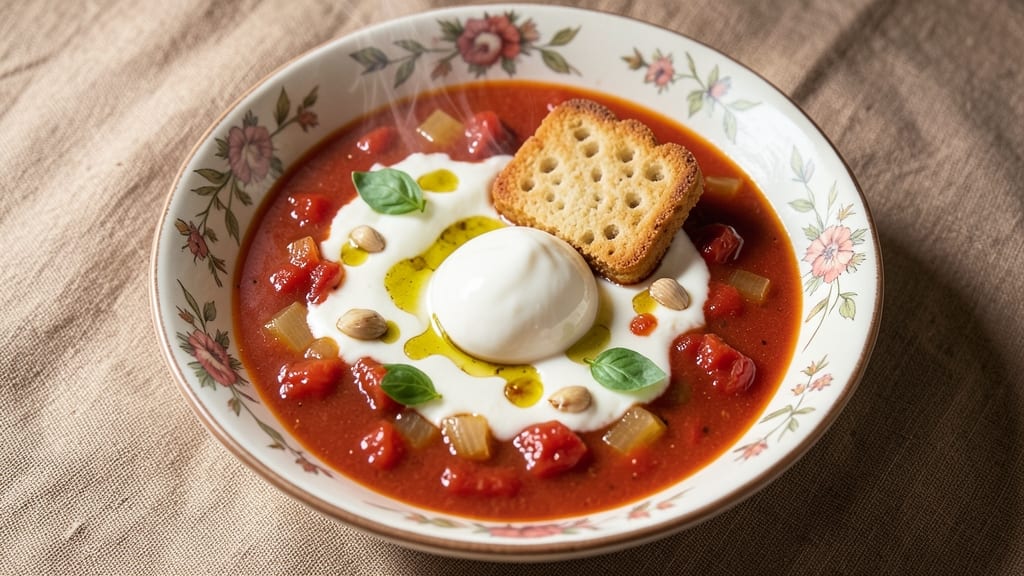
This La Madeleine tomato basil soup copycat recipe delivers the same velvety, restaurant-quality richness you crave—without the hours-long wait. The secret lies in a precise balance of fresh tomatoes, aromatic herbs, and a touch of cream that transforms this into a creamy masterpiece at home.
I’ve perfected the technique over years of testing, ensuring every spoonful captures that iconic La Madeleine depth while keeping prep manageable.
The foundation starts with sautéed aromatics—garlic, onions, and celery—cooked until fragrant but never burnt, which builds the soup’s complex flavor base.
Fresh basil and a splash of heavy cream elevate the classic tomato broth into something luxurious, while a blend of crushed tomatoes and high-quality canned tomatoes ensures a rich, balanced taste. The result? A soup so smooth and satisfying, it’ll fool even the most discerning diners.
What sets this apart is the texture—silky yet substantial, with just the right amount of creaminess that defines La Madeleine’s signature style. Unlike many copycat recipes that rely on shortcuts, this version stays true to the original while adapting for home kitchens.
The blend of fresh and canned tomatoes creates a depth of flavor that’s both traditional and modern, making it versatile enough for weeknight dinners or special occasions.
Serve it warm with a sprinkle of fresh basil, a swirl of cream, and crusty bread to soak up every last drop. The instructions ahead break down each step clearly, so you’ll achieve restaurant-quality results without the guesswork. Let’s get started—your taste buds will thank you.
Ingredients for la madeleine tomato basil soup copycat
Fresh tomatoes, aromatic herbs, and a touch of cream create this iconic restaurant-style soup at home.
| Ingredient | Amount | Notes |
|---|---|---|
| Extra-Virgin Olive Oil 🫒 | 2 tbsp | For sautéing aromatics |
| Yellow Onion 🧅 | 1 whole | Diced, medium size |
| Celery Stalks 🥬 | 2 whole | Diced, fresh preferred |
| Garlic Cloves 🧄 | 4 cloves | Minced, fresh preferred |
| Heavy Cream 🥛 | ½ cup | Full-fat for creaminess |
| High-Quality Crushed Tomatoes 🍅 | 15 oz | San Marzano preferred |
| Canned Whole Tomatoes 🍅 | 14 ½ oz | San Marzano preferred |
| Fresh Basil Leaves 🌿 | 1 cup | Packed, stems removed |
| Vegetable Broth 💧 | 4 cups | Low-sodium preferred |
| Salt 🧂 | 1 tsp | Diamond Crystal kosher |
| Black Pepper 🌶️ | ½ tsp | Freshly ground preferred |
| Sugar 🍚 | 1 tsp | Balances acidity |
| Fresh Basil for Garnish 🌿 | ¼ cup | Chopped, optional |
The tomatoes are non-negotiable—San Marzano is the gold standard, but any high-quality canned tomatoes work in a pinch. Trader Joe's and Whole Foods carry excellent brands, and the difference in flavor is noticeable. Fresh basil? Farmers market basil has more punch than grocery store plastic containers, but use what you have. The heavy cream should be full-fat—Trader Joe's or Organic Valley are my go-tos. For the broth, low-sodium is key unless you're adding extra salt later. If you can't find Diamond Crystal kosher salt, Morton works fine, just adjust to taste.
No San Marzano tomatoes? Muir Glen or Century brands are solid alternatives. Fresh basil wilt fast? Dried basil at one-third the amount gets you close, but fresh is worth the effort. Short on heavy cream? Half-and-half or light cream works, though the texture will be slightly lighter. The sugar balances the acidity—skip it if your tomatoes are naturally sweet. For a dairy-free version, coconut cream adds richness, though the texture changes. The vegetable broth can be homemade (simmer veggie scraps with herbs) or store-bought—just check the sodium content.
This soup tastes even better the next day as flavors meld. Keeps 4-5 days in the fridge, freezes for 3 months. I double the batch and portion into containers—lunches sorted for the week. The garnish of fresh basil and a swirl of cream? Worth the extra minute. For serving, warm gently on the stove—microwaving can make the cream grainy. The crusty bread? Baguette from the bakery section is ideal, but any good bread works.
Why You'll Love This Recipe
- One-Pot Magic: I swear by this recipe because it’s actually one-pot—no extra bowls, no messy transfers. Just sauté the onion, celery, and garlic in that golden olive oil until soft, toss in the tomatoes and herbs, simmer, then finish with the cream. Done. The pot’s your only cleanup buddy.
- Creamy-Garlicky Bliss: That first spoonful? Chef’s kiss. The heavy cream smooths out the acidity of the tomatoes while the garlic—properly browned in the oil—adds this deep, toasty richness. Honestly, it’s the kind of soup that makes you pause mid-bite like, “Wait, is this really homemade?”
- Weeknight to Dinner Party: Between us, this is my lazy Sunday brunch staple and the soup I bring to holiday gatherings. Serve it with crusty bread for a no-fuss meal, or drizzle with a little balsamic glaze and add grilled cheese croutons for a fancy-ish twist. It’s the chameleon of soups.
- Budget-Friendly Leftovers: A single batch feeds four, but I always make double because the leftovers are just as good reheated the next day. The cream keeps it velvety, and the flavors deepen overnight—plus, you’re using pantry staples (onion, celery, garlic) that won’t break the bank. My wallet and my freezer thank me.
Step-by-step instructions for La Madeleine tomato basil soup
Here's how to recreate that iconic restaurant soup at home with velvety texture and perfect balance.
Sauté the Aromatic Base
Heat the 2 tbsp extra-virgin olive oil in a large pot over medium heat until shimmering. Add the diced yellow onion and diced celery stalks, cooking for 5-6 minutes until softened and translucent. You'll see the vegetables release their moisture and begin to caramelize slightly at the edges—that's when you know they're ready.
Add the minced garlic cloves and cook for another 30 seconds until fragrant. The garlic should be just golden around the edges, not browned—this ensures it adds flavor without bitterness. Here's the thing: if you let it brown, you'll get a harsh taste that overpowers the delicate tomato and basil notes we're building.
Build the Tomato Foundation
Pour in the 15 oz high-quality crushed tomatoes and 14.5 oz canned whole tomatoes, stirring to combine with the aromatics. Add the 4 cups vegetable broth, 1 tsp salt, 0.5 tsp black pepper, and 1 tsp sugar. Bring everything to a gentle boil, then immediately reduce heat to medium-low and let it simmer uncovered for 15 minutes.
During this time, the tomatoes will break down and release their natural sweetness. You'll notice the soup thicken slightly as the liquid reduces, and the flavors meld together. This is where the magic happens—let it simmer undisturbed. Stirring too much can break up the developing texture we want in the final soup.
Blend for Silky Smoothness
Using an immersion blender, carefully blend the soup directly in the pot until completely smooth. I like to work in two passes—first to break up any large chunks, then a second pass to ensure absolute silkiness. If you prefer using a countertop blender, let the soup cool slightly first to avoid splattering hot liquid.
After blending, return the pot to medium-low heat and stir in the 1 cup fresh basil leaves. Let it warm through for 2-3 minutes—just until the basil begins to wilt and release its aromatic oils. This infusion is what gives the soup that signature herbal brightness that sets it apart from ordinary tomato soups.
Finish with Cream and Adjust Seasoning
Temper the 0.5 cup heavy cream by adding it to the warm soup very gradually while whisking continuously. This prevents the cream from curdling from the heat. Once fully incorporated, taste and adjust seasoning—you might need a touch more salt or pepper to balance the acidity of the tomatoes. The soup should be rich but not overly heavy, with a perfect harmony of sweet, tangy, and herbal notes.
Real talk: the cream should make the soup luxurious but not mask the tomato flavor. If it tastes too rich, add a splash more broth. If it needs more brightness, add another handful of fresh basil. This is where you fine-tune the copycat perfection—just like the restaurant version.
Serve with Restaurant-Style Garnish
Ladle the soup into bowls and garnish with the 0.25 cup chopped fresh basil for garnish. I like to add a drizzle of the extra-virgin olive oil from the original sautéing as well—just a teaspoon per bowl—to enhance the flavor and add that final restaurant touch. Serve immediately with crusty bread on the side for dipping.
Each spoonful should deliver that signature creamy texture with vibrant tomato flavor and herbal freshness. The soup will continue to improve as it sits for 10-15 minutes, allowing the flavors to fully meld together. This is the moment that matters: when the simple ingredients transform into something truly special—just like La Madeleine's famous version.
Pro Tips For Making La Madeleine Tomato Basil Soup Copycat
- Sweat the Aromatics: Don’t rush the onion, celery, and garlic—cook them on medium-low heat for 8-10 minutes until the onion is translucent and the celery softens. I used to burn this step, and the soup tasted bitter. Patience here builds flavor.
- Mince Garlic Like Snow: Finely mince the garlic (or pulse it in a food processor) so it dissolves completely into the oil. Whole cloves or rough chopping will leave you with chewy bits. Trust me, you’ll taste the difference.
- Strain the Tomatoes: After simmering the tomatoes, strain out the seeds and skins for a smoother, less watery soup. Skimping here means a thinner, less refined texture. Use a fine-mesh sieve—it’s worth the extra 30 seconds.
- Finish with Cold Cream: Stir in the heavy cream off the heat to prevent curdling. I learned this after watching my first batch split like a bad milkshake. Let the soup cool slightly first—just until it’s warm, not piping hot.
Regional styles of these flavors
Classic French Approach
In France, tomato basil soup is often elevated with a rouille garnish—a garlicky saffron aioli made with 1 tbsp mayonnaise, 1 tsp saffron threads, and 1 minced garlic clove. The Provençal twist includes a pinch of herbes de Provence in the sautéed aromatics, replacing fresh basil.
I’ve found that adding 1 tsp tomato paste to the base deepens the umami, just like in traditional soupe à l'oignon variations. Serve with a baguette slathered in herb butter for an authentic touch. 🥖
Italian Rustic Style
Southern Italy transforms this soup into a pasta e fagioli hybrid by adding ½ cup cooked cannellini beans and 2 oz ditalini pasta to the base. The Tuscan adaptation includes ½ cup chopped pancetta sautéed with the aromatics instead of onions.
Finish with grated Pecorino Romano and a sprinkle of crispy fried sage for a smoky contrast. I’ve made this version with San Pellegrino sparkling water instead of broth for a lighter texture. 🍝
American Comfort Twist
For a heartier take, American home cooks often add ½ cup shredded rotisserie chicken and a dash of hot sauce to the finished soup. The Southern adaptation includes a cornbread crouton garnish made with 1 cup crumbled cornbread toasted in butter.
I’ve seen diners request extra sharp cheddar cheese on top—a nod to New England clam chowder influences. The cream is sometimes replaced with sour cream for tanginess. 🍽️
Modern Fusion Variations
For a vegan adaptation, swap heavy cream for ½ cup coconut cream and use vegetable broth with a splash of lemon juice for brightness. The Asian fusion version incorporates 1 tbsp miso paste in the aromatics and tops with sesame seeds and scallions.
I’ve also experimented with a Mexican-inspired take using fire-roasted tomatoes and a pinch of cumin in place of basil. 🌶️
Regional Bread Pairings
In Provence, serve with pain de campagne—a rustic country loaf—while Tuscany pairs best with schiacciata (flatbread). For New York-style diners, a garlic baguette is essential. I’ve noticed that sourdough enhances the soup’s acidity, while brioche adds a buttery richness.
The key is choosing a bread with enough structure to hold up to the creamy soup. 🥖
Nutrition facts
Frequently asked questions
Can I make this soup without an immersion blender?
Transfer the soup to a countertop blender in batches, blending until completely smooth. Just let the soup cool slightly first to prevent splattering. For extra safety, fill the blender only halfway to avoid overflow. The key is to blend thoroughly for that signature silky texture—just like the restaurant version.
How do I prevent the cream from curdling when adding it?
Temper the heavy cream by adding it to the warm soup very gradually while whisking continuously. Start with just 1-2 tablespoons at a time, letting it fully incorporate before adding more. The soup should be at a gentle simmer—not boiling—when you add the cream. This slow integration prevents temperature shock that causes curdling.
What's the best way to store leftovers?
Let the soup cool completely before transferring to airtight containers. It keeps in the fridge for 4-5 days and freezes beautifully for 3 months. For reheating, warm gently on the stove over low heat—never microwave, as this can make the cream grainy. Stir occasionally to restore that velvety consistency.
Can I use dried basil instead of fresh?
Yes, but use one-third the amount of dried basil (about 1/3 cup) compared to fresh. Fresh basil adds vibrant aroma and brightness, but dried works in a pinch. For best results, crush the dried leaves between your fingers before adding to release more flavor. The texture won't be quite as refined, but the taste will still be delicious.
Why does my soup taste too acidic?
The acidity likely comes from unbalanced tomatoes. Try adding a pinch of sugar (another ½ tsp) or a splash of vegetable broth to dilute the acid. For extra richness, stir in an additional 1-2 tablespoons of heavy cream. The key is balancing sweet, tangy, and herbal notes—just like the original recipe. Taste as you go!