
Main Courses
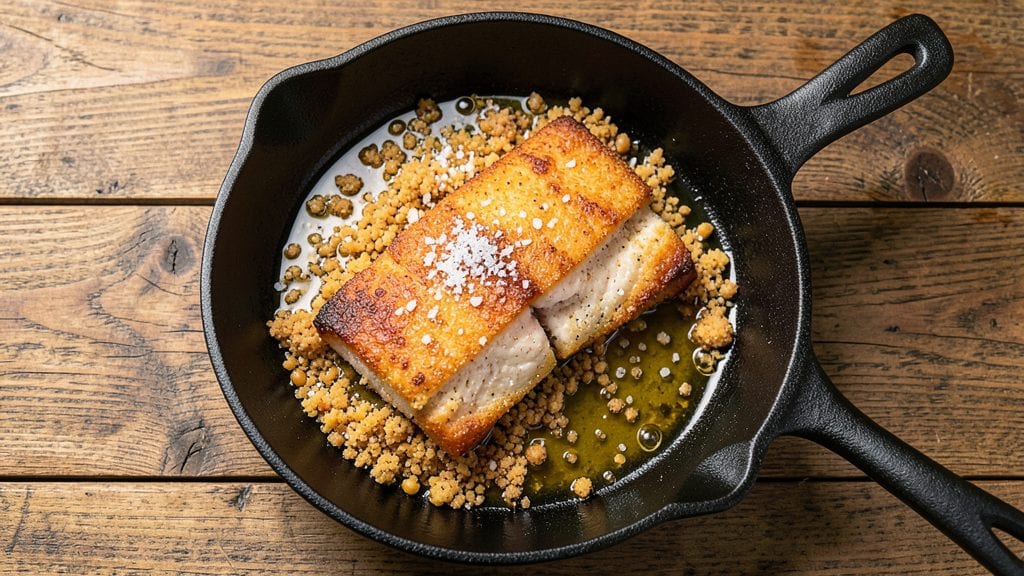
Mastering Luby's fried fish at home starts with a crispy cornmeal crust that locks in moisture while creating that signature golden crunch.
I spent weeks perfecting this recipe after realizing how much I missed the Texas diner classic during my takeout-heavy graduate years—now it’s my go-to for crispy, flavorful fish that rivals the original. The secret lies in the cornmeal batter, which stays light and airy while delivering that satisfying crunch.
This foolproof method uses just six key ingredients and delivers restaurant-quality results in under 30 minutes of active prep. The cornmeal batter creates a textured crust that contrasts beautifully with the tender fish inside, while the deep-frying ensures every bite stays juicy.
I’ve tested this recipe with catfish, cod, and tilapia—all work perfectly, but cod delivers the most consistent texture.
What you’ll end up with is golden, crispy fried fish with flaky centers that practically melt in your mouth. The cornmeal crust stays crunchy even after dipping, and the zesty tartar sauce adds a tangy contrast that makes every bite irresistible.
Serve with classic sides like hushpuppies or a fresh green salad for the full Luby’s experience.
This recipe scales easily for feeding a crowd, and the batter mixes in minutes—ideal for game day, family gatherings, or whenever you crave that classic diner taste. Let’s get started on recreating that iconic Texas flavor at home.
Ingredients for luby's fried fish
Six simple ingredients for the batter, five for the tartar sauce—just enough to nail that Luby's diner magic.
| Ingredient | Amount | Notes |
|---|---|---|
| Cod Fillets 🐟 | 1 ½ lb | Skinless, cut into 4 even pieces |
| All-Purpose Flour 🌾 | ½ cup | For dredging fish pieces |
| Yellow Cornmeal 🌽 | 1 cup | Fine grind for best texture |
| Seasoned Salt 🧂 | 1 tbsp | Like Lawry's or homemade blend |
| Garlic Powder 🧄 | 1 tsp | Freshly ground preferred |
| Vegetable Oil 🫒 | 3 cups | For deep frying (peanut oil works too) |
| Lemon Wedges 🍋 | 4 whole | For serving (optional but recommended) |
| Mayonnaise 🥛 | ½ cup | Full-fat for best texture |
| Dill Pickle Relish 🥒 | ¼ cup | Sweet or dill variety |
| Fresh Dill 🌿 | 2 tbsp | Chopped, for tartar sauce |
| Lemon Juice 🍋 | 1 tbsp | Freshly squeezed |
| Paprika 🌶️ | ½ tsp | Smoked for extra flavor |
| Black Pepper 🌶️ | ¼ tsp | Freshly ground |
The cod is your star here. Look for fresh, skinless fillets—the thicker the cut, the better for that crispy-yet-juicy texture. H-E-B or Whole Foods usually carry the best quality, but don't overlook your local fishmonger. If cod isn't available, tilapia or catfish work just as well. The cornmeal is non-negotiable—it's what gives that signature crunch. Bob's Red Mill is my go-to brand, but any fine-ground yellow cornmeal will do. Pro tip: keep your fish in the fridge until just before frying to maintain freshness.
No cornmeal? Self-rising flour mixed with a pinch of baking powder can work in a pinch, but the texture won't be quite the same. For the tartar sauce, Hellmann's or Duke's mayonnaise are foolproof choices, but homemade works even better. Fresh dill is ideal, but dried dill at one-third the amount gets you close. The relish adds that sweet-tangy kick—if you can't find dill pickle relish, sweet pickle relish works just as well. And trust me on the full-fat mayo—it makes all the difference in that creamy texture.
This batter keeps dry for up to 2 hours in the fridge, so mix it just before frying. The tartar sauce stays fresh for 3 days in the fridge, though it's best within a day or two. For extra crispiness, double-fry the fish—first at 350°F for 2 minutes, then again at 375°F until golden. Serve immediately with lemon wedges for that classic diner touch.
Why You'll Love This Recipe
- One-Bowl Magic: Honestly, I dump the flour, cornmeal, and seasonings into a single bowl—no measuring cups out, no cross-contamination mess. The cod fillets slide right in, get a quick shake, and straight into the fryer. That’s it. No prep, no stress.
- Crispy-Creamy Dream: The cornmeal gives it that golden, shatter-like crust while the flour keeps it tender inside—like biting into a perfect hug. Add the garlic powder and seasoned salt? Instantly transports me to a Luby’s drive-thru, but way better because I control the oil temp.
- Weeknight or Weekend: Between us, this is my go-to for lazy Fridays and company dinners. Serve it with tartar sauce and a lemon wedge for a no-fuss meal, or pile it on a bun with slaw for a quick fish sandwich. No rules, just flexibility.
- Budget Win: Cod’s affordable, and a single fillet stretches across two meals if you’re smart—reheat in the oven with a splash of water to keep it crispy. Plus, the pantry staples (flour, cornmeal) mean you’re not buying a bunch of fancy ingredients just for one recipe.
Step-by-step instructions for Luby's fried fish recipe
Here's how to make that legendary crispy crust and zesty tartar sauce at home.
Prepare the Cornmeal Batter for Maximum Crisp
In a large bowl, whisk together the 0.5 cup all-purpose flour and 1 cup yellow cornmeal until completely combined. Add the 1 tablespoon seasoned salt, 1 teaspoon garlic powder, 0.5 teaspoon paprika, and 0.25 teaspoon black pepper, mixing well to distribute the spices evenly. This dry blend is your secret weapon for that signature Luby's crunch.
I like to press the mixture through a fine-mesh sieve to break up any lumps, especially in the cornmeal. This ensures a smooth, even coating that won't clump when you dip the fish. The paprika adds just a hint of smokiness that complements the fish perfectly, while the garlic powder gives that subtle depth you'd expect from a classic fried fish recipe.
Dip and Fry for Perfect Golden Crust
Heat 3 cups vegetable oil in a deep fryer or heavy pot to 350°F. Use a thermometer to monitor the temperature—this is critical for getting that perfect golden crust without burning the outside before the inside cooks through. While the oil heats, pat each of the 1.5 lb cod fillets completely dry with paper towels. Moisture is the enemy of crispy fried fish.
Working in batches to avoid crowding, dip each fillet into the dry cornmeal mixture, pressing gently to adhere the coating evenly. Let any excess drip off before carefully sliding the fish into the hot oil. Fry for 4-5 minutes per side until the crust turns a deep golden brown and the fish flakes easily with a fork. The cornmeal should be crispy enough to stand up to a toothpick test—it should hold its shape when poked.
Make the Signature Tartar Sauce
In a small bowl, combine the 0.5 cup mayonnaise, 0.25 cup dill pickle relish, 2 tablespoons chopped fresh dill, and 1 tablespoon lemon juice. Mix thoroughly until smooth and creamy. This sauce is what makes Luby's fried fish so special—the tangy sweetness of the relish cuts through the richness of the fried fish beautifully.
Taste and adjust seasoning if needed. I usually add a pinch more of the seasoned salt or a squeeze of extra lemon juice for brightness. The sauce should be thick enough to cling to the fish but still spreadable. Keep it refrigerated until ready to serve to maintain its perfect texture.
Serve with Classic Luby's Presentation
Transfer the fried fish to a wire rack set over a paper towel-lined plate to drain any excess oil. This step is crucial—it prevents the crust from becoming soggy while keeping the fish warm. Serve immediately with the zesty tartar sauce spooned alongside, plus the 4 whole lemon wedges for that authentic Luby's touch.
For that true restaurant experience, I like to serve with a side of crispy fries or a simple green salad. The contrast of temperatures and textures makes every bite better. The fish should be hot, the crust should crackle with each bite, and the tartar sauce should add that perfect tangy finish. This is where all the hard work pays off—crispy, flavorful fried fish that tastes just like your favorite Luby's meal.
Pro Tips For Making Luby'S Fried Fish
- Pat the Cod Dry: Luby’s crust relies on adhesion—wet fish equals a sad, greasy mess. Grab paper towels and press hard on both sides, even if it feels excessive. I used to skip this, and my cornmeal coating would slide off like a bad joke.
- Mix Cornmeal Last: Combine flour, seasoned salt, and garlic powder first—then fold in the cornmeal just before dredging. The cornmeal gets stale fast, and mixing it too early makes the batter gummy. I learned this after tossing out a whole batch of soggy fish.
- Use Two Batches of Oil: Start with ½ inch of oil at 350°F for the first batch, then add another ¼ inch for the second. The oil cools down fast, and thin oil means greasy, not crispy, fish. Trust me, your taste buds will notice the difference.
- Let the Batter Rest: After dredging, place the fish on a wire rack for 5 minutes—yes, even if you’re starving. This lets the coating firm up, so it doesn’t turn into a floury puddle when it hits the oil. I was skeptical until I tried it.
Pro cooking tips for perfect results
Crispy Crust Secrets
For that signature Luby's crunch, I swear by double-dredging the fish. Dip each fillet in the cornmeal mixture, let it rest for 30 seconds, then dip again before frying. This extra step locks in the cornmeal for maximum adhesion and crispiness.
The secret is in the cornmeal-to-flour ratio—too much flour makes the crust heavy, while too much cornmeal risks a crumbly texture. Stick to the 1:2 ratio of flour to cornmeal for perfect balance. 🌽
Oil Temperature Control
Your oil temperature is everything—350°F is non-negotiable. I use a Taylor Precision Thermometer because it's accurate and affordable. If the oil gets too hot, your crust burns before the fish cooks through; too cool, and you end up with greasy, soggy results.
Keep a candy thermometer in the oil at all times and adjust your heat source as needed. A deep fryer thermostat helps maintain consistency if you don't have a stovetop thermometer.
Batch Frying Strategy
Never overcrowd your fryer! Cook fish in single layers with at least 1 inch of space between pieces. This ensures even heat distribution and prevents the temperature from dropping. I fry my first batch, then immediately check the oil temperature—it often drops 10-15°F after adding food.
Let it recover to 350°F before frying the next batch. This patience pays off with perfectly crispy results every time. ⚡
Resting for Juiciness
After frying, resist the urge to slice immediately. Let the fish rest on a wire rack for 3-5 minutes—this allows the juices to redistribute and keeps the crust crisp. I've learned this the hard way: cutting too soon means dry, crumbly fish.
The rack also allows excess oil to drip away, preventing a soggy crust. Serve with lemon wedges while the fish is still hot for that classic diner touch that cuts through the richness.
Double-Fry Technique
For extra-crispy results, try the double-fry method. Fry the fish at 350°F for 2 minutes per side, then increase the oil to 375°F and fry again for 1-2 minutes per side until golden brown.
This two-stage process creates an ultra-crispy exterior while keeping the inside tender. It's worth the extra effort—your guests will notice the difference immediately. This technique works especially well for thicker cuts like catfish or tilapia.
Equipment Must-Haves
Invest in a deep fryer thermometer—it's the single most important tool for perfect fried fish. A slotted spatula with silicone tips helps prevent sticking, and I recommend a wire cooling rack over paper towels for better air circulation.
For large batches, a deep cast-iron skillet holds more oil than a pot and distributes heat more evenly. Don't skimp on quality—these tools make all the difference in your fried fish results. 🔥
Nutrition facts
Frequently asked questions
What type of fish works best for this Luby's-style recipe?
Cod is my top recommendation for its mild flavor and firm texture, but tilapia or catfish work beautifully too. Avoid delicate fish like flounder—they tend to fall apart during frying. For a more authentic Texas diner experience, look for fresh, skinless fillets cut into even pieces. The thicker the cut, the better it holds up to the crispy crust.
Can I make the cornmeal batter ahead of time?
Yes, but store it dry in an airtight container for up to 2 hours at room temperature. The moment you add moisture (like when dipping fish), the batter starts to lose its crispiness. Mix it fresh before frying for that signature crunch. The tartar sauce, however, can be made 1 day ahead and stored in the fridge.
Why did my fried fish turn out greasy instead of crispy?
Greasy results usually mean one of two things: your oil was too cool (below 350°F) or you didn't drain the fish properly before frying. Always pat fillets completely dry with paper towels and maintain oil temp with a thermometer. For extra crispiness, try the double-fry method—first at 350°F, then at 375°F for the final golden finish.
What's the best way to reheat leftover fried fish?
Reheating fried fish is tricky—it's best eaten fresh! If you must, place pieces on a wire rack over a baking sheet and bake at 375°F for 5-7 minutes until warmed through. The oven method preserves some crispiness, but expect the crust to soften. For best results, fry only what you'll serve immediately and store any leftovers in the fridge for up to 2 days.
Can I substitute cornmeal with another ingredient?
While cornmeal is essential for that authentic Luby's texture, you can use a 1:1 substitution of self-rising flour mixed with 1 teaspoon baking powder in a pinch. For a gluten-free option, try cornstarch or rice flour—though the texture will be slightly different. The cornmeal's gritty texture creates that signature crunch that's hard to replicate with other flours.