
Main Courses
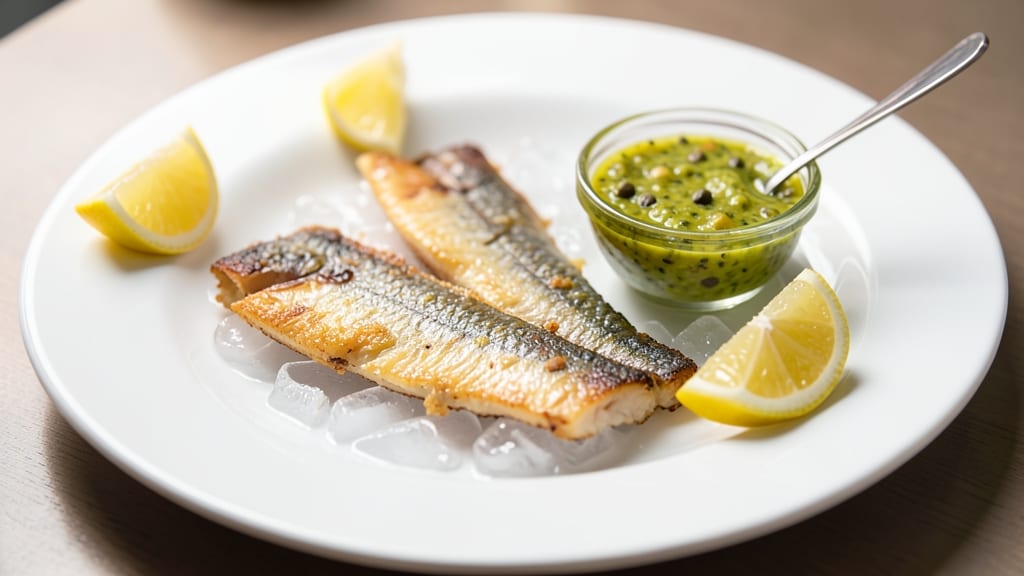
This mackerel fish fry recipe delivers the perfect balance of crispy golden batter and tender, flavorful fish—every bite is a satisfying crunch with a burst of savory beer notes.
The secret lies in a light, airy batter that stays crispy even after frying, paired with a zesty tartar dip that cuts through the richness. I developed this recipe after years of perfecting the technique, ensuring the fish stays moist while the batter achieves that ideal crunch.
The beauty of this dish is its simplicity: just a few pantry staples and 15 minutes of prep before frying. The beer in the batter adds depth, while the tartar dip—packed with capers, pickles, and fresh herbs—brings a bright, tangy contrast.
This method works equally well for pan-frying or deep-frying, giving you control over texture and crispiness. The result is a dish that feels indulgent yet remains light enough for a weeknight dinner.
By the time you serve these crispy bites, your table will be ready for a meal that’s equal parts restaurant-quality and home-cooked comfort. The golden batter clings perfectly to the flaky fish, while the tartar dip adds a pop of color and flavor that keeps everyone reaching for seconds.
Serve with lemon wedges and a simple salad to balance the richness, or pair it with crusty bread for soaking up every last drop of that zesty dip.
This recipe is designed to impress without stress—ideal for pescatarians, seafood lovers, or anyone craving a crispy, satisfying bite. The batter technique ensures crispy results every time, and the tartar dip elevates the dish from ordinary to extraordinary. Let’s get frying!
Ingredients for mackerel fish fry
Pantry staples and fresh seafood come together for this crispy, beer-battered masterpiece.
| Ingredient | Amount | Notes |
|---|---|---|
| Fresh Mackerel Fillets 🐟 | 1 ½ lb | Skin-on, boneless, cut into 4 pieces |
| All-Purpose Flour 🌾 | 1 ½ cups | For light, airy batter |
| Light Lager Beer 🍺 | 1 cup | Cold, any pale lager |
| Ice-Cold Water 💧 | 1 cup | Chilled, for batter consistency |
| Large Eggs 🥚 | 2 whole | Separated, whites beaten stiff |
| Vegetable Oil 🫒 | 2 cups | For frying, high smoke point |
| Salt 🧂 | 1 ½ tsp | Kosher or sea salt |
| Ground Black Pepper 🌶️ | ½ tsp | Freshly ground preferred |
| Lemon Wedges 🍋 | 4 whole | For serving, fresh squeezed |
| Mayonnaise 🥛 | ½ cup | High-quality, for tartar dip |
| Capers 🍅 | 2 tbsp | Chopped, nonpareils preferred |
| Cornichons 🥒 | 4 whole | Chopped, for tartar dip |
| Fresh Dill 🌿 | ¼ cup | Chopped, for tartar dip |
| Fresh Chives 🌱 | 2 tbsp | Chopped, for tartar dip |
| Dijon Mustard 🍯 | 1 tbsp | For tartar dip |
The mackerel is where this dish shines. Look for fresh, skin-on fillets at your local seafood counter or Trader Joe's—they often carry pre-cut mackerel that’s perfect for this. If you’re buying whole, ask for the fillets to be cut into 4 equal pieces. The skin stays crispy while the fish remains tender, and the savory flavor pairs perfectly with the beer batter. For optimal freshness, use the fillets within 24 hours of purchase, or freeze them until ready to fry. The beer in the batter should be cold—any pale lager works, but avoid dark beers as they can overpower the delicate fish flavor.
No lager on hand? Substitute ice-cold sparkling water for the beer, though the flavor will be slightly less complex. For the tartar dip, Greek yogurt mixed with mayo lightens it up if you’re watching calories. Fresh herbs are ideal, but dried dill at one-third the amount works in a pinch. The capers and cornichons can be swapped for pickle relish if you’re short on time. For extra crispiness, double the egg whites in the batter—just make sure they’re whipped to stiff peaks. The oil for frying should have a high smoke point; vegetable or canola oil are best, but avoid olive oil as it burns too quickly.
This batter stays crispy for about 10 minutes after frying, so work quickly or keep the fish warm in a 200°F oven while you finish the batch. The tartar dip keeps well in the fridge for 3 days, though the herbs may wilt—just chop fresh ones before serving. For meal prep, fry the mackerel ahead and reheat in a 350°F oven for 5-7 minutes to restore crispiness. Store the batter ingredients separately in the fridge for up to 1 week if you’re prepping ahead, but mix them fresh for the best texture.
Why You'll Love This Recipe
- Beer-Batter Magic: The lager beer batter gives this fry a light, airy crunch that’s actually crispy—not the soggy kind. Honestly, the ice-cold water trick keeps the flour from clumping, so you’re not stuck with gluey batter or a greasy mess.
- Weeknight Wonder: Five ingredients, 20 minutes. That’s all it takes—no fancy prep, no last-minute grocery runs. I’ve made this after work with takeout bags still in the car, and it’s still the star of the table.
- Leftovers That Don’t Suck: Unlike most fried fish, this holds up perfectly for lunch the next day. Wrap it in a tortilla with pickles and hot sauce, or toss it in a salad—it’s the ultimate lazy-day hero.
- Budget Crispy Luxury: Fresh mackerel is cheaper than cod or salmon, and the beer batter stretches to feed four for the price of two. Between us, this is how I justify eating fish twice a week without guilt.
Step-by-step instructions for crispy beer-battered mackerel
Here's how to achieve that perfect golden crust and tender fish every time.
Prepare the Mackerel and Batter Ingredients
Pat the 1.5 lb fresh mackerel fillets completely dry with paper towels, removing any remaining moisture. This step is crucial for achieving maximum crispiness in the batter. Cut each fillet into 4 equal pieces and place them on a plate. In a large bowl, whisk together the 1.5 cups all-purpose flour, 1.5 tsp salt, and 0.5 tsp ground black pepper. This dry mixture forms the foundation of your light, airy batter.
In a separate bowl, combine the 1 cup light lager beer and 1 cup ice-cold water. This liquid mixture should be well-chilled to prevent the batter from becoming too warm when mixed. The cold temperature helps create a crispy exterior while keeping the fish tender inside. Keep both mixtures ready for the next step—you'll want to work quickly to maintain the ideal batter consistency.
Create the Perfect Batter and Dip the Mackerel
Slowly pour the cold beer-water mixture into the flour mixture while whisking continuously. You want to create a smooth, thin batter that coats the back of a spoon but isn't too runny. The batter should resemble heavy cream in consistency—if it's too thick, add 1-2 tablespoons of ice-cold water; if too thin, add 1 tablespoon of flour. This precise texture is essential for that signature crispy crust.
Working with one piece at a time, dip each mackerel piece into the batter, allowing any excess to drip off. Place the coated fillets on a wire rack set over a baking sheet to ensure air circulates around them, preventing sogginess. Let them rest for 5 minutes while you prepare the frying setup. This brief resting period helps the batter adhere more evenly to the fish.
Fry the Mackerel to Golden Perfection
Heat 2 cups vegetable oil in a deep skillet or Dutch oven to 350°F. Use a thermometer to monitor the temperature—this is critical for achieving even cooking without burning. Once the oil reaches temperature, carefully add the battered mackerel pieces, working in batches to avoid overcrowding. Fry for 3-4 minutes per side until they turn a deep golden brown color. You'll see small bubbles forming on the surface and the edges will look crisp and slightly puffed.
Transfer the fried mackerel to a paper towel-lined plate to drain excess oil. The fish should maintain its shape while developing that satisfying crunch. Keep the oil at 350°F for the second batch—maintaining consistent temperature is key to replicating the same results. Serve immediately with the 4 lemon wedges and the prepared tartar dip while still hot and crispy.
Assemble the Zesty Tartar Dip
In a small bowl, combine the 0.5 cup mayonnaise, 1 tbsp Dijon mustard, 2 tbsp chopped capers, 4 chopped cornichons, 0.25 cup chopped fresh dill, and 2 tbsp chopped fresh chives. Mix thoroughly until all ingredients are evenly distributed. The dip should have a smooth, creamy texture with bright, tangy flavors that complement the crispy mackerel.
Adjust the seasoning if needed—add a pinch more salt or freshly ground black pepper if desired. The dip should be bright green from the herbs and have a slightly grainy texture from the capers and cornichons. Serve immediately alongside the hot mackerel bites. The contrast between the crispy exterior of the fish and the cool, zesty dip creates the perfect balance of textures and temperatures.
Serve and Enjoy Immediately
Arrange the crispy mackerel pieces on a serving platter and immediately serve with the lemon wedges and tartar dip. The fish should be served while still hot and crispy—waiting too long will result in a softer texture. Squeeze fresh lemon juice over the top just before serving to enhance the flavors and cut through the richness of the batter.
This dish is best enjoyed immediately while the batter is at its crispest. The combination of the golden beer batter, tender mackerel, and zesty tartar dip creates a restaurant-quality experience you can make at home. The key to success lies in maintaining precise temperatures and working efficiently to keep everything hot and crisp.
Pro Tips For Making Mackerel Fish Fry
- PAT THE FILLETS DRY: Mackerel’s natural oils make it slippery—wipe each fillet with paper towels before dredging. I learned this the hard way when my first batch of beer-battered mackerel fell apart in the pan. The flour won’t stick worth a damn if the skin’s damp.
- USE ICE-WATER BATH: Chill the beer and water mixture in the fridge for 10 minutes before dredging. Cold batter clings better and keeps the fillets from cooking too fast in the pan. (Yes, even if you’re impatient like me.)
- FRIE IN BATCHES: Don’t overcrowd the pan—two fillets max per side, or the oil temp drops and you’ll end up with soggy batter. I used to rush this and wondered why my mackerel tasted more like a fry than a crispy, golden bite.
- REST THE BATTERED FISH: Let the dredged fillets sit on a wire rack for 3–5 minutes before frying. This lets the flour absorb moisture, guaranteeing a crust that stays intact. (Your future self will thank you when it doesn’t crumble mid-bite.)
Pro cooking tips for perfect results
Batter Consistency Secrets
Your batter’s texture makes or breaks the crispiness. Aim for a light, pourable consistency—like heavy cream—using 1.5 cups flour and 1 cup cold beer. If it’s too thick, add 1 tbsp ice-cold water; if too thin, stir in 1 tbsp flour.
I’ve found that resting the batter for 5 minutes after mixing lets the gluten relax, preventing a tough crust. 💡
Oil Temperature Control
Maintaining 350°F oil is non-negotiable for perfect frying. Use a thermometer—I swear by the ThermoWorks Type K—to avoid guesswork. If the oil drops below 340°F, the batter absorbs oil and turns greasy.
For deep-frying, keep the oil between 350-375°F to balance crispiness and don’t overcrowd the pan—3-4 pieces at a time is ideal.
Drying the Fish
Pat the mackerel bone-dry with paper towels before dipping—moisture is your enemy. I double-dry the skin side with a clean towel to prevent batter from sliding off. For extra crispiness, chill the fish for 15 minutes before battering. This firms up the flesh, reducing splatter when frying. 🌡️
Double-Dipping Technique
For restaurant-style crispiness, dip the fish twice: once to coat, then again after a 30-second rest on a wire rack. The second dip ensures an even, airy crust. Work quickly—batter thickens within 10 minutes—so keep your setup ready with oil heating and dip components prepped.
Frying in Batches
Fry in small batches to maintain oil temperature. Overcrowding lowers the heat, causing soggy batter. I fry 2 pieces at a time in a 10-inch cast-iron skillet, turning once at 3 minutes for even browning.
Keep fried pieces on a wire rack (not a plate) to prevent steam buildup, which ruins crispiness. 🔥
Lemon and Dip Timing
Serve the tartar dip immediately alongside the hot fish to preserve that crunch contrast. Squeeze lemon just before eating—the acid brightens the beer batter’s flavors. For extra zing, add 1 tsp lemon zest to the dip.
Pro tip: Warm the dip slightly (no higher than 80°F) to enhance aroma without cooking the herbs.
Nutrition facts
Frequently asked questions
Can I use frozen mackerel for this recipe?
Fresh mackerel gives the best texture, but you can use frozen fillets if thawed properly. Place them in the fridge overnight or use the quick thaw method (sealed in water for 30 minutes). Pat completely dry before battering—any moisture will prevent crispiness. Avoid using partially thawed fish as it releases water during frying.
What's the best beer substitute if I don't have lager?
Use ice-cold sparkling water for a neutral flavor, or try light ale for slightly more depth. Avoid dark beers—they can overpower the delicate fish taste. For a non-alcoholic version, substitute with club soda and add 1 tsp lemon juice to mimic beer's acidity.
How do I keep the batter from getting soggy?
Three key tricks: fry in small batches (never overcrowd), keep fried fish on a wire rack (not a plate), and serve immediately. If you must hold the fish, place in a 200°F oven for up to 10 minutes—never cover it. The rack lets air circulate, preventing steam buildup that turns batter soggy.
Can I make this recipe gluten-free?
Yes! Replace the all-purpose flour with a 1:1 gluten-free flour blend (like Bob's Red Mill). For extra crispiness, add 1 tbsp cornstarch to the batter. The beer substitute should be gluten-free too—check labels carefully. Keep all ingredients ice-cold as gluten-free batters can become gummy faster.
What's the secret to extra crispy skin?
Pat the skin side extra dry with paper towels, then chill the fish for 15 minutes before battering. For maximum crispiness, use the double-dip technique: dip once, rest 30 seconds on rack, then dip again. The second coating locks in crispiness. Fry at 375°F instead of 350°F for the skin to get extra crispy.