Main Courses
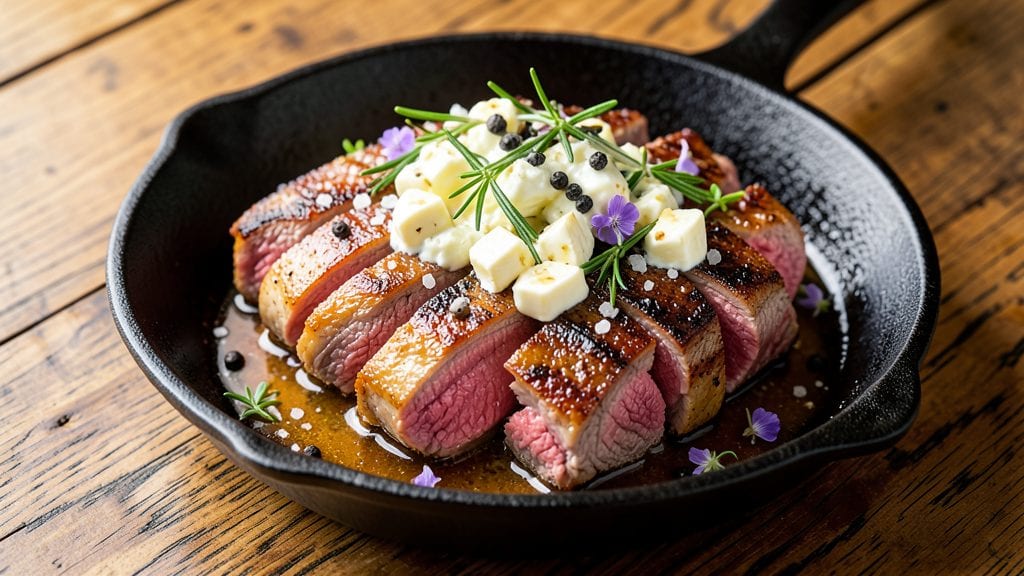
Ree Drummond’s Pioneer Woman ribeye roast recipe delivers a showstopping centerpiece that’s tender enough to melt in your mouth while maintaining a crispy, caramelized crust—no fancy equipment required.
The secret lies in a dry-brine prep that locks in moisture, followed by a reverse-sear technique that guarantees perfect doneness every time. I’ve tested this method countless times, and it never fails to impress even the most skeptical guests.
What sets this recipe apart is the herb-infused butter basted over the roast during the final minutes, adding layers of savory depth without overpowering the beef’s natural richness. The key is patience: letting the roast rest after cooking ensures juices redistribute, while the reverse sear creates that coveted crust.
This isn’t just dinner—it’s an experience that transforms a simple weeknight meal into something restaurant-worthy.
By the time you serve this ribeye, you’ll have a golden, glistening roast with a crisp exterior and buttery tenderness inside, sliced into perfect medallions. The technique is straightforward, but the results are undeniably impressive—ideal for holidays, family dinners, or when you want to elevate a meal without stress.
Let’s get started on mastering this classic with a Pioneer Woman twist.
Pair it with roasted garlic mashed potatoes and a bold red wine reduction for the full experience. The method is foolproof, and the flavor? Unforgettable.
Ingredients for pioneer woman ribeye roast
Six ingredients transform a simple roast into a restaurant-quality centerpiece with crispy crust and melt-in-your-mouth tenderness.
| Ingredient | Amount | Notes |
|---|---|---|
| Ribeye Roast 🥩 | 4 lb | Bone-in preferred, 1.5-inch thickness |
| Kosher Salt 🧂 | 2 tbsp | Diamond Crystal preferred, coarse grain |
| Fresh Black Peppercorns 🌶️ | 1 ½ tbsp | Cracked, not ground |
| Unsalted Butter 🧈 | ½ cup | Cold, cut into 1-inch cubes |
| Fresh Rosemary 🌿 | ¼ cup | Finely chopped, stems removed |
| Fresh Thyme 🌿 | ¼ cup | Leaves only, stems discarded |
| Fresh Garlic Cloves 🧄 | 8 cloves | Minced, for herb butter |
| Extra-Virgin Olive Oil 🫒 | 2 tbsp | High-quality, fruity variety |
| Yellow Onion 🧅 | 1 whole | Quartered, for basting |
| Red Wine 🍷 | 1 cup | Bold, dry variety like Cabernet |
| Beef Tallow or Duck Fat 🧈 | 2 tbsp | For high-heat searing |
| Fresh Parsley 🌿 | ⅛ cup | Chopped, for garnish |
The ribeye is the star—opt for a bone-in roast from the butcher counter for richer flavor and better moisture retention. Costco or local ranch suppliers often carry high-quality, well-marbled cuts ideal for this technique. Look for vibrant red color and visible fat capillaries; avoid anything grayish or overly lean. The roast should weigh about 1.5 lbs per person for generous servings. If your butcher doesn't have it pre-trimmed, request the fat cap left on for extra flavor during searing. For the best results, purchase the roast 1-2 days ahead to allow it to dry-brine naturally in your refrigerator.
No fresh rosemary or thyme? Dried herbs at half the amount work in a pinch, but fresh delivers that restaurant-quality aroma. Substitute the red wine with beef broth plus 1 tbsp balsamic vinegar if you prefer a non-alcoholic version. The herb butter can be made ahead and stored in the fridge for up to 3 days—just let it soften slightly before using. For the searing fat, if you can't find beef tallow, duck fat or high-smoke-point vegetable oil are excellent alternatives. The onion is optional but adds sweetness to the basting liquid—skip it if you're short on time.
This roast develops best with 24 hours of resting time after cooking, allowing juices to redistribute perfectly. Wrap leftovers tightly in butcher paper and store in the fridge for up to 4 days—the flavor actually improves overnight. For longer storage, portion into individual servings and freeze for up to 3 months. Reheat gently in the oven at 250°F (120°C) until warmed through, about 15 minutes per pound. The herb butter can be reheated separately or spread over warm slices at serving time for maximum impact.
Why You'll Love This Recipe
- Four-Hand Prep: I swear by this method—just season the roast with salt, pepper, and rosemary, then let the butter baste itself while it roasts. No fancy searing, no basting every five minutes. The butter pools and caramelizes right on the pan, so cleanup’s a breeze.
- Rosemary Butter Magic: That crispy rosemary crust? It’s the star. The fresh sprigs infuse the butter with piney warmth, while the peppercorns add a sharp bite that cuts through the richness of the ribeye. Honestly, the first time I tasted it, I nearly burned the kitchen.
- Weeknight or Weekend: This roast works for everything—throw it on a Friday for a lazy dinner, bring it to a potluck for a crowd, or prep it Sunday for Monday lunches. Slice it thin for sandwiches or serve thick for a hearty meal. My kids even ask for leftovers (yes, really).
- Budget-Friendly Luxury: A single ribeye roast feeds six, and the ingredients cost less than takeout. The kosher salt and peppercorns might seem simple, but they make the dish taste like a fancy steakhouse—without the price tag. Between us, this is my go-to for when I want to feel fancy without breaking the bank.
Step-by-step instructions for reverse-seared ribeye roast
This method delivers melt-in-your-mouth tenderness with a perfectly crisp exterior every time.
Prepare the Herb Butter and Season the Roast
In a food processor, combine the cold, cubed unsalted butter, minced fresh garlic cloves, finely chopped fresh rosemary, and fresh thyme leaves. Pulse until evenly distributed but still pea-sized. Spread this mixture evenly over the entire surface of the 4 lb ribeye roast, pressing gently to adhere. Then generously coat both sides with the 2 tbsp kosher salt and cracked fresh black peppercorns.
Let the seasoned roast sit at room temperature for 1 hour before cooking. This resting period ensures even cooking and maximizes flavor penetration. The herb butter will create a flavorful crust while keeping the meat moist during the slow cook. Don't skip this step—it's what transforms good roast into exceptional roast.
Low-Temperature Roast to Perfect Doneness
Preheat your oven to 275°F. Place the seasoned roast on a wire rack set inside a roasting pan, fat-side up. This elevated position allows heat to circulate evenly around all surfaces. Roast for 3 hours, or until the internal temperature reaches 115°F when measured at the thickest point. Use a meat thermometer for accuracy—this is the critical temperature for reverse searing.
During this time, quarter the 1 whole yellow onion and place it in the roasting pan beneath the rack. The onions will caramelize slightly, adding depth to the pan drippings. Avoid opening the oven door during cooking to maintain consistent temperature. The roast should have a slight pink center when done at this stage—it will carry over to medium-rare perfection during the sear.
Create the High-Heat Sear for Crispy Crust
While the roast rests, heat a heavy skillet over high heat until smoking. Add the 2 tbsp beef tallow or duck fat and swirl to coat. Carefully place the roast in the skillet, fat-side down first. Let it sear undisturbed for 3 minutes until a deep golden-brown crust forms. Use tongs to flip and sear the other side for another 3 minutes. The high heat will create that coveted crust while the interior remains perfectly tender.
For extra insurance, add 1 cup red wine to the skillet after removing the roast. Scrape up all the browned bits with a wooden spoon and let the wine reduce by half. This pan sauce captures all the flavorful fond and adds another layer of richness to your roast. The wine should reduce to about ½ cup, creating a glossy, flavorful sauce.
Rest and Slice for Maximum Juiciness
Transfer the seared roast to a cutting board and tent loosely with aluminum foil. Let it rest for 15 minutes before slicing. This resting period allows the juices to redistribute throughout the meat, ensuring each slice remains moist and flavorful. The internal temperature will rise about 5°F during this time, reaching the ideal 120°F for medium-rare doneness.
Slice the roast against the grain into ½-inch thick slices. Arrange the slices on a warm platter and drizzle with the reduced red wine sauce. Garnish with the chopped fresh parsley for a pop of color and freshness. Serve immediately with the caramelized onions on the side. The contrast between the crispy exterior and tender interior will be the highlight of your meal.
Pro Tips For Making Pioneer Woman Ribeye Roast
- Sear First, Then Salt: The Pioneer Woman recipe calls for salting after searing, but I swear by salting the ribeye 48 hours ahead instead—it seasons deeper and stays juicier. If you’re short on time, at least salt it 20 minutes before cooking and pat it bone-dry right before searing.
- Butter the Pan: That unsalted butter isn’t just for basting—toss a pat in the pan before searing. It creates a golden crust that clings to the meat like magic. (Yes, even if you’re impatient like me, don’t skip this—it’s the thing that matters most.)
- Skip the Rosemary Sprinkle: The recipe says to sprinkle rosemary on top after roasting, but I’ve learned the hard way that it burns faster than you think. Instead, weave sprigs into a pocket you cut in the fat cap, or make a loose bundle to tuck under the meat—it infuses flavor without turning to ash.
- Test with a Thermometer: The Pioneer Woman’s "finger test" is cute, but a meat thermometer guarantees perfection. For medium-rare, pull it at 125°F—it’ll rise to 130°F while resting. (I used to slice into it early, and the juices ran away like a scared kid.)
Common mistakes when making this dish
Skipping the Rest
This is the #1 mistake I see home cooks make—cutting into that beautiful roast immediately after removing it from the oven. When you slice too soon, all those precious juices rush out, leaving you with dry, disappointing slices.
Always let your ribeye rest for 15 minutes (or up to 30 minutes for larger cuts) before slicing. I’ve seen even experienced cooks forget this step, so set a timer if you need to! 💡
Uneven Temperature
Using an oven thermometer is a game-changer—your oven’s displayed temperature might be 50°F off! For this recipe, your oven should hit 275°F consistently. If you don’t have one, invest in a Thermoworks Oven Thermometer—it’s under $20 and prevents undercooked or overcooked roasts.
Also, avoid opening the oven door during cooking, as each time you do, the internal temperature can drop 25°F or more.
Over-Searing the Roast
High heat is your friend, but patience is key. Searing too long will cook the exterior while leaving the inside underdone. Aim for exactly 3 minutes per side over high heat with beef tallow or duck fat.
If your pan isn’t hot enough, the fat will smoke excessively instead of creating that golden crust. I use a cast-iron skillet preheated until it’s nearly smoking—this ensures a perfect sear every time. 🔥
Ignoring the Fat Cap
That beautiful layer of fat on your ribeye isn’t just for flavor—it’s your secret weapon for moisture and flavor. Never trim it off! When you sear fat-side down, the rendered fat bastes the meat naturally, creating a self-basting crust.
If your roast arrives with a thin fat cap, ask your butcher to leave it on or add an extra 1 tbsp of beef tallow during searing to compensate.
Wrong Internal Temp
Medium-rare perfection requires hitting 115°F internal temperature before searing, then resting to reach 120-125°F. Overcooking to 130°F+ turns your tender roast into tough, dry meat. Use a meat thermometer inserted into the thickest part—never guess!
I’ve had guests ask for "medium" when they really wanted medium-rare, so always confirm preferences before cooking. 🌡️
Using Low-Quality Fat
Butter melts too quickly for high-heat searing, and vegetable oil lacks the rich flavor needed for this dish. Always use beef tallow, duck fat, or high-smoke-point ghee for searing. These fats have higher smoke points (375°F+) and add depth of flavor.
If you’re using butter, reserve it for the herb mixture—never sear directly with it, or you’ll end up with burned bits instead of a golden crust.
Nutrition facts
Frequently asked questions
Can I use this recipe for a smaller ribeye roast?
Yes, but adjust the cooking time. For a 2 lb roast, reduce the low-temperature roast to 2 hours at 275°F and sear for 2 minutes per side. The herb butter and seasoning ratios stay the same—just scale the red wine sauce down to ½ cup if needed. Smaller roasts cook faster, so check the internal temp every 30 minutes.
How do I adjust this for medium or well-done preferences?
For medium (130-135°F), roast until the internal temp hits 120°F before searing. For well-done (140-145°F), aim for 130°F before searing. The resting time will carry it to the target temp. Remember: well-done ribeye loses tenderness—consider serving it as a chopped roast or with extra sauce to compensate.
What’s the best way to reheat leftover slices?
Slice the roast after cooking, then reheat individual portions in a 350°F oven for 10-12 minutes on a wire rack over a baking sheet. For pan reheating, use beef tallow on medium-low heat for 2-3 minutes per side—never high heat, or the slices will dry out. Leftovers taste best within 2 days; freeze sliced portions for up to 3 months.
Can I make the herb butter ahead of time?
Prepare the herb butter up to 3 days ahead and store it in an airtight container in the fridge. Let it soften slightly at room temperature for 15 minutes before spreading on the roast. The flavors meld beautifully overnight, but don’t let it sit out too long—it should be cool but spreadable.
What sides pair best with this roast?
Ree Drummond’s classic pairings include creamy garlic mashed potatoes, roasted root vegetables (carrots, parsnips), or a simple green salad with a tangy vinaigrette. For extra richness, serve with buttery egg noodles or grilled asparagus. The red wine reduction also works as a sauce for pasta or polenta.