
Desserts
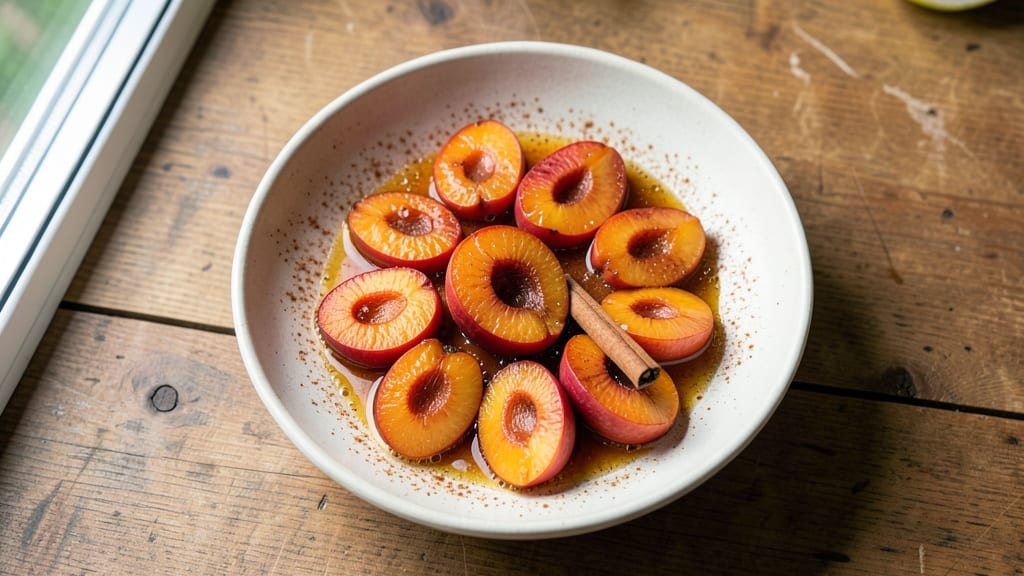
This simple stewed apricots recipe transforms humble fruit into a velvety dessert that feels like a warm hug in a bowl. The process couldn’t be easier—just simmer apricots with sugar, water, and a touch of lemon until the fruit softens into a luscious, fragrant sauce.
I’ve perfected this method over years of testing, ensuring every batch delivers that perfect balance of sweetness and subtle tartness.
The beauty of stewed apricots lies in their versatility and simplicity. With just five ingredients and 20 minutes of active time, you’ll create a dessert that’s elegant enough for company but effortless enough for weeknights.
The slow cooking process allows the fruit to release its natural sugars, creating a sauce that’s rich, aromatic, and effortlessly comforting. No fancy techniques required—just patience and a gentle simmer.
What you’ll end up with is a dish that’s warm, fragrant, and irresistibly smooth, perfect for serving over ice cream, yogurt, or pancakes. The apricots melt into a glossy, syrupy texture while retaining just enough texture to offer a delightful bite.
This recipe is my go-to for quick desserts—it’s simple, foolproof, and always delivers restaurant-quality results without the fuss.
Serve it warm for a cozy treat or chill it slightly to balance the heat of summer days. The possibilities are endless, but the method remains the same: simple, traditional, and utterly satisfying. Let’s get started on creating this timeless dessert.
Ingredients for simple stewed apricots
Five ingredients transform simple apricots into luxurious warm dessert sauce with just 20 minutes of simmering.
| Ingredient | Amount | Notes |
|---|---|---|
| Fresh Apricots 🍑 | 1 ½ lb | Pitted, halved lengthwise |
| Granulated White Sugar 🍚 | 1 cup | Superfine for faster dissolving |
| Water 💧 | ½ cup | Filtered preferred |
| Fresh Lemon Juice 🍋 | 1 tbsp | From organic lemon |
| Ground Cinnamon 🌿 | ½ tsp | Freshly toasted for aroma |
| Vanilla Extract 🍯 | ¼ tsp | Pure Madagascar preferred |
| Unsalted Butter 🧈 | 1 tbsp | Cold, cubed for finishing |
The apricots are the star—opt for firm, slightly underripe ones for better texture retention during cooking. Local farmers markets often carry the best quality in summer months, while Trader Joe's offers consistent year-round selection. Avoid overly soft or shriveled fruit, as they release pectin unevenly. For pitting, a small paring knife works perfectly—no fancy tools required. The sugar should be superfine if possible, as it dissolves faster and prevents graininess in the final sauce. I always buy organic lemons for the juice, as their flavor is more concentrated and less bitter.
No vanilla extract? Almond extract at half the amount provides a similar depth, though with a distinct nutty undertone. Substituting honey for sugar requires reducing the water by 2 tbsp due to its liquid nature, but the texture becomes slightly more viscous. If you prefer a spicier profile, add a pinch of ground cardamom alongside the cinnamon. For a richer finish, swap the butter for brown butter—its nutty aroma complements the apricots beautifully. The lemon juice can be bottled, but freshly squeezed delivers brighter acidity that balances the sweetness more effectively.
This sauce freezes beautifully for up to 3 months in an airtight container, making it perfect for batch prep. For best texture, reheat gently on the stove with a splash of water to restore its velvety consistency. Store in the fridge for 5-7 days, though it tastes even better after a day or two as flavors meld. To serve, simply spoon over vanilla ice cream, Greek yogurt, or warm pancakes. The sauce thickens as it cools, so adding a splash of water when reheating ensures perfect consistency every time.
Why You'll Love This Recipe
- I’ll be real: I’ve used these stewed apricots over yogurt in the morning, stirred into oatmeal, or spooned over vanilla ice cream at night. That’s versatility you can sink your teeth into—literally.
- Five-Ingredient Magic: Honestly, I swear by this recipe because it’s that simple—just fruit, sugar, water, lemon, and cinnamon. No fancy techniques, no last-minute grocery runs. You’re basically simmering sunshine in a pot.
- Sweet-Tart Balance: Between us, the lemon juice and sugar create this ridiculously good contrast—bright, jammy, and just a whisper of spice from the cinnamon. It’s the kind of flavor that makes you pause mid-bite.
- Breakfast to Dessert: I’ll be real: I’ve used these stewed apricots over yogurt in the morning, stirred into oatmeal, or spooned over vanilla ice cream at night. That’s versatility you can sink your teeth into—literally.
Step-by-step instructions for simple stewed apricots
This method delivers perfectly balanced sweetness and spice with minimal effort—ideal for beginners.
Prepare the Apricots for Cooking
Start by halving the 1.5 lb fresh apricots lengthwise and removing the pits using a small knife or pitter. I find it easiest to hold each half over a bowl to catch any juice that escapes. Arrange the halves cut-side up in a single layer on a baking sheet—this prevents them from steaming rather than caramelizing during cooking.
Examine each apricot for any remaining seeds or fibrous stems, as these can make the final texture uneven. A quick rinse under cool water helps remove any surface fuzz, though I avoid soaking them as this dilutes their natural sweetness. Once prepped, keep them at room temperature until ready to cook—cold apricots release less juice and may not soften evenly.
Simmer the Apricots with Sugar and Water
In a medium saucepan, combine the 1.5 lb halved apricots, 1 cup granulated white sugar, and 0.5 cup water. Bring the mixture to a gentle boil over medium-high heat, then immediately reduce to medium-low heat. The sugar should dissolve completely within 3-4 minutes, and you should see small bubbles forming around the edges of the pan.
Here's the key: maintain a steady simmer—not a rolling boil—so the apricots soften rather than toughen. You'll notice the liquid reduces as the fruit releases its natural juices. Stir gently every 2-3 minutes to prevent sticking, but avoid mashing the apricots. After 8-10 minutes, use a fork to test for tenderness—the fruit should yield slightly but still hold its shape.
Add Aromatics and Finish Cooking
Once the apricots are tender, stir in the 1 tablespoon fresh lemon juice, 0.5 teaspoon ground cinnamon, and 0.25 teaspoon vanilla extract. The lemon brightens the fruit's natural sweetness while the cinnamon adds warmth, and the vanilla rounds out the flavors. Let the mixture simmer for an additional 5 minutes to allow the spices to infuse fully.
Taste the stewed apricots at this stage—they should be sweet with a subtle tang and cinnamon aroma. If the sauce is too syrupy, add 1-2 teaspoons of water to reach your preferred consistency. Remove the pan from heat and let it sit for 2 minutes to allow the flavors to meld before proceeding.
Finish with Butter for Richness
Return the pan to low heat and stir in the 1 tablespoon cold, cubed unsalted butter. The butter should melt slowly, creating a glossy sheen on the apricots. This step adds depth and a luxurious mouthfeel without overpowering the fruit's natural flavors. Let the mixture warm through for 1-2 minutes, stirring until the butter is fully incorporated and the sauce is smooth.
For the best texture, serve the stewed apricots immediately while warm. The butter coating will give each bite a velvety finish, and the spices will be at their peak aroma. If storing, transfer to an airtight container and refrigerate for up to 5 days, though the flavors are most vibrant when enjoyed fresh.
Pro Tips For Making Simple Stewed Apricots
- Halve Apricots Evenly: DESCRIPTION:
- Simmer Gently After Boil: DESCRIPTION:
- Use Pitted Apricots Only: DESCRIPTION:
- Add Cinnamon Last: DESCRIPTION:
Common mistakes when making this dish
Overcooking the Apricots
One of the most common mistakes is letting the apricots cook too long, which turns them mushy and loses their natural texture. I’ve seen this happen when people keep the heat too high or don’t monitor the cooking time closely.
The apricots should soften but still hold their shape—aim for 8-10 minutes of simmering after the sugar dissolves. Overcooked apricots release too much pectin, creating a gluey consistency instead of the silky sauce you want. 🍑
Skipping the Sugar Dissolution Step
Rushing the sugar dissolution is another frequent error. If you don’t let the 1 cup sugar fully dissolve before reducing heat, you’ll end up with grainy crystals in your sauce. I always stir the mixture for 3-4 minutes over medium-high heat to ensure complete dissolution.
Using superfine sugar helps prevent this issue, but even regular granulated sugar will work if you’re patient. Undissolved sugar can make the final texture uneven and unpleasant.
Ignoring the Lemon Juice
The 1 tablespoon lemon juice is crucial for balancing the sweetness and brightening the apricots’ flavor. Omitting it or using bottled lemon juice (which lacks fresh acidity) results in a flat, one-dimensional taste. Fresh lemon juice also prevents the sauce from becoming cloyingly sweet.
If you’re concerned about bitterness, use organic lemons—they’re less acidic and more flavorful. The juice should be added after the apricots have softened, not at the beginning.
Using the Wrong Pan
A nonstick pan isn’t ideal for stewed apricots because it can’t handle the gentle simmering required for even cooking. I recommend using a heavy-bottomed stainless steel or enameled cast iron pan—these distribute heat evenly and prevent scorching.
Thin, lightweight pans cause hot spots, leading to unevenly cooked fruit. If you must use nonstick, choose a high-quality brand like All-Clad and stir frequently to avoid sticking.
Adding Butter Too Early
Introducing the 1 tablespoon butter before the apricots have fully softened can cause it to burn or separate. The butter should only be added during the final 1-2 minutes of cooking on low heat. This ensures it melts smoothly into the sauce, adding richness without overpowering the fruit’s natural flavors.
If you add it too soon, the high heat can turn it greasy or create a skin on the surface of the sauce.
Not Testing for Doneness
Many home cooks skip the fork test, which is essential for determining when the apricots are perfectly tender. After 8-10 minutes of simmering, gently press a halved apricot with a fork—it should yield slightly but still retain its shape.
If it falls apart, you’ve overcooked it. If it’s still firm, return it to the pan for another 2-3 minutes. This simple step ensures your stewed apricots have the ideal texture every time. ✨
Nutrition facts
Frequently asked questions
Can I use dried apricots instead of fresh?
Fresh apricots work best for this recipe because they soften beautifully and maintain texture. Dried apricots would release too much moisture and create a thicker, less elegant sauce. If you must substitute, soak ½ cup dried apricots in warm water for 30 minutes, then drain and use—expect a less vibrant final product.
How do I adjust the sweetness level?
Start with the 1 cup sugar called for, then taste before serving. For less sweetness, reduce sugar by 2 tablespoons and add 1 extra tablespoon lemon juice to balance. If you prefer richer flavor, increase sugar by 1-2 tablespoons—the apricots' natural sugars will intensify during simmering.
What's the best way to store leftovers?
Transfer to an airtight container and refrigerate for up to 5 days. The sauce thickens as it cools, so add 1-2 teaspoons water when reheating. For longer storage, freeze for 3 months—thaw overnight in the fridge and reheat gently on low heat with a splash of water.
Can I make this recipe without vanilla?
Yes! Replace the ¼ teaspoon vanilla extract with ¼ teaspoon almond extract for a nutty depth or ½ teaspoon orange zest for citrus brightness. For a spiced alternative, add ¼ teaspoon ground cloves—just be mindful of the stronger flavor profile. The lemon and cinnamon will still shine even without vanilla.
Why did my sauce turn out too thin?
This usually happens from over-simmering or using too much water. The apricots should release their own juices—if the sauce is watery after 8-10 minutes, reduce heat and cook uncovered for 5 more minutes to thicken naturally. For immediate results, mix 1 teaspoon cornstarch with 1 tablespoon water and stir in at the end.