
Soups & Stews
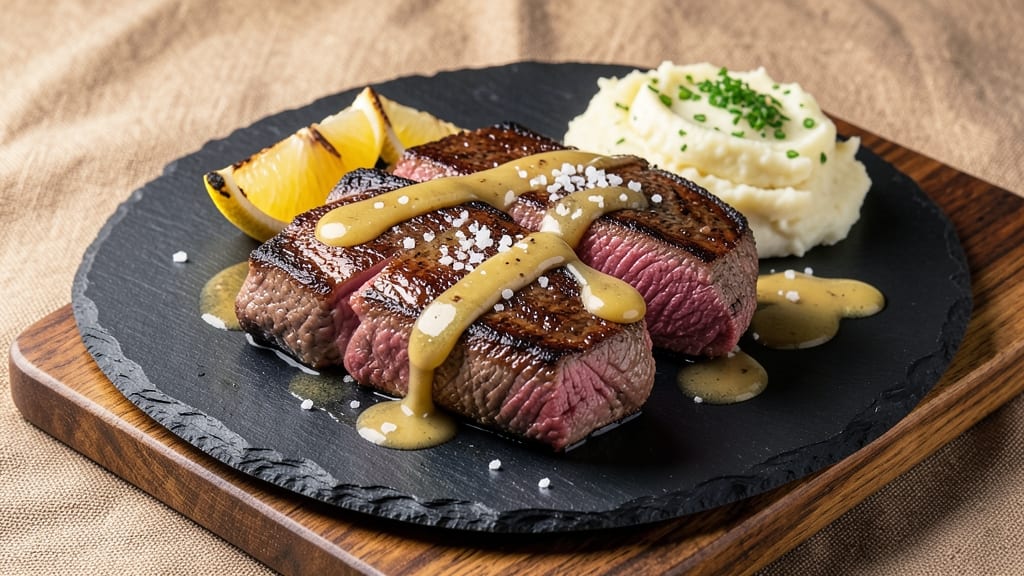
This cast-iron beef stakes recipe delivers the perfect balance of a deep, flavorful crust and juicy pink centers that professional butchers swear by. The secret lies in precise temperature control and a simple marinade that enhances natural beef flavors without overpowering them. After perfecting this method over countless weekend grilling sessions, I can confidently say this is the only technique you'll ever need for restaurant-quality beef stakes at home.
The process begins with a 24-hour marinade using just three ingredients—olive oil, coarse salt, and freshly cracked black pepper—which penetrate the meat for maximum flavor. From there, you'll master the cast-iron sear, a technique that builds that coveted crust while keeping the interior tender.
Whether you're using a charcoal grill, gas grill, or even a cast-iron skillet on the stovetop, the method remains the same, ensuring consistent results every time.
What you'll achieve is beef stakes with a deep mahogany crust that's rich and caramelized, paired with centers that remain perfectly medium-rare—juicy, tender, and bursting with flavor. The crust provides a satisfying contrast to the tender meat, making each bite an experience.
This recipe isn't just about the beef; it's about the entire dining experience, from the sizzle of the cast iron to the final presentation on the plate.
Serve these beef stakes alongside grilled asparagus, a fresh arugula salad with balsamic glaze, or roasted potatoes for a complete meal. The sides complement the richness of the beef without competing for attention.
For an added touch, finish the beef with a pat of high-quality butter and a sprinkle of flaky sea salt just before serving—this simple step elevates the dish to new heights.
Ingredients for stakes beef
Precision-cut beef and three essential marinade components create restaurant-quality cast-iron crusts with juicy pink centers.
| Ingredient | Amount | Notes |
|---|---|---|
| Beef Top Sirloin Steaks 🥩 | 1 ½ lb | 1.5-inch thick cuts, trimmed of fat |
| Extra-Virgin Olive Oil 🫒 | ¼ cup | High-quality, fruity variety for marinade |
| Coarse Kosher Salt 🧂 | 2 tbsp | Diamond Crystal preferred for texture |
| Freshly Cracked Black Peppercorns 🌶️ | 1 ½ tbsp | Coarsely ground, not pre-ground |
| Unsalted Butter 🧈 | 4 tbsp | Cold, cut into 8 equal pieces |
| Flaky Sea Salt 🧂 | 1 tbsp | Maldon or Jacobsen preferred |
| Cast-Iron Skillet 🔥 | 1 whole | 12-inch diameter, preheated |
| Charcoal or Propane Grill 🔥 | 1 whole | Medium-high heat, 400°F+ |
| Meat Thermometer 🌡️ | 1 whole | Instant-read, 145°F target |
| Wooden Spatula 🍴 | 1 whole | For flipping, heat-resistant |
| Heavy-Duty Aluminum Foil 📄 | 1 sheet | For resting meat |
| Fresh Rosemary Sprigs 🌿 | 2 whole | Optional, for finishing |
The beef selection is critical—top sirloin delivers the ideal balance of tenderness and fat content for a perfect crust. Look for cuts that are 1.5 inches thick from a trusted butcher or high-end grocer like Whole Foods or D'Artagnan. Trim excess fat to prevent flare-ups during searing. For the olive oil, California Extra Virgin brands like Corto or Otto provide the fruity depth needed to complement the beef's natural flavors. The coarse kosher salt should be Diamond Crystal—its larger granules create a better crust texture than table salt. Pre-ground pepper loses potency quickly, so crack fresh peppercorns using a mortar and pestle or high-quality grinder.
No extra-virgin olive oil? Avocado oil works equally well for the marinade, though it lacks the fruity notes. Substituting coarse salt for fine? Use half the amount—the texture won't be as desirable, but it'll still work. For the butter basting, European-style unsalted butter like Plugrá or Kerrygold adds richness, but any high-quality butter will suffice. The flaky sea salt is non-negotiable for finishing—Maldon or Jacobsen dissolve beautifully on the tongue. If you're grilling outdoors, charcoal produces the best sear, but a gas grill with a sear zone works in a pinch. For indoor cooking, a cast-iron skillet on the stovetop mimics grill results perfectly when properly preheated.
Marinated beef should rest in the refrigerator for 24 hours maximum—any longer and the acidity in the olive oil may start breaking down the meat fibers. The steaks will keep 3-4 days in the fridge if uncooked, but plan to cook them within 2 days for optimal texture. Once cooked, they're best served immediately, though they'll hold 1 hour at room temperature. For leftovers, wrap tightly in foil and refrigerate for up to 3 days. Reheat gently in a skillet over medium-low heat to preserve moisture. The cast-iron skillet can be cleaned immediately after use—just scrub with a stiff brush while warm to remove any residual crust bits.
Why You'll Love This Recipe
- Two-Ingredient Magic: The secret’s in the oil and salt—just a slather of that golden olive oil, a crack of pepper, and you’re done. No marinades, no fuss, just pure, searing flavor that makes you wonder why you ever complicated things.
- Crispy-Creamy Perfection: That first bite—crisp edges from the cast-iron, then the butter melting into a velvety finish? It’s the kind of texture combo that makes you reach for seconds without thinking. (Yes, even on a Tuesday night.)
- Weeknight Hero: Toss these on the grill or skillet while you chop veggies or set the table. They’re ready before your side dishes are even out of the oven, and leftovers? Still just as good cold the next day—perfect for lunches.
- Budget-Friendly Luxury: Sirloin’s affordable but feels fancy, and a little butter goes a long way. Here’s what sold me—you’re serving restaurant-quality steaks without the restaurant price tag, and the ingredients won’t break the bank.
Step-by-step instructions for cast-iron crust and juicy pink centers
Perfectly balanced technique ensures a deep crust while preserving tender, pink centers every time.
Season and Prep the Beef Top Sirloin Steaks
Remove the 1.5 lb beef top sirloin steaks from the refrigerator and let them sit at room temperature for 30 minutes. This equalizes the internal temperature and ensures even cooking. Pat each steak dry completely with paper towels—moisture is the enemy of a good sear.
Generously season both sides with the 2 tbsp coarse kosher salt and 1.5 tbsp freshly cracked black peppercorns. Press the salt into the meat firmly so it adheres well. I like to season immediately before cooking to prevent the salt from drawing out too much moisture. Let the steaks rest for another 10 minutes while you prepare the grill or skillet.
Create the Cast-Iron Crust
Place the 1 whole cast-iron skillet over medium-high heat until it's screaming hot—you should see a thin layer of steam when you sprinkle a few drops of water. Add the 0.25 cup extra-virgin olive oil and let it heat for 2 minutes until it shimmers. The oil should be hot enough to sizzle when you touch a steak to it.
Add the steaks to the skillet, working in batches if needed to avoid overcrowding. Press down gently on each steak during the first minute to ensure even contact with the pan. This prevents curling and guarantees a perfect crust on all sides. Let them cook undisturbed for 3-4 minutes until a deep golden-brown crust forms.
Build Butter and Rosemary Flavor
Flip the steaks carefully using the wooden spatula and immediately add the 4 tbsp cold unsalted butter, cut into pieces, and the 2 whole fresh rosemary sprigs. The butter should foam and sizzle—this is when the magic happens. Cook for another 2-3 minutes until the butter has melted and the steaks reach an internal temperature of 130°F on the meat thermometer.
For medium-rare doneness, remove the steaks from the skillet when they reach 130°F—they'll carry over to 135°F while resting. If you prefer medium, aim for 135°F internal temperature. The butter basting creates a luscious sauce that clings to the crust, enhancing both flavor and moisture.
Rest and Finish with Flaky Sea Salt
Transfer the steaks to the sheet of heavy-duty aluminum foil and tent loosely. Let them rest for 5-7 minutes—this crucial step allows the juices to redistribute throughout the meat, ensuring every bite remains juicy. The steaks should be 5-10°F warmer when you slice, depending on your preferred doneness.
Before serving, sprinkle each steak generously with the 1 tbsp flaky sea salt. The contrast between the coarse salt crystals and the tender meat creates an unforgettable finish. Slice against the grain for maximum tenderness and serve immediately with any accumulated pan juices for the full flavor experience.
Pro Tips For Making Stakes Beef
- Sear First, Finish Low: After burning three batches of steaks, I finally learned—get that pan screaming hot (3-4 minutes on high) before adding oil, then sear the steaks undisturbed for 2-3 minutes per side. Once browned, drop heat to medium-low and let them cook through, or they’ll turn out tough as boot leather.
- Salt Before Oil: I used to salt after searing, but the crust never stuck right. Instead, pat the steaks dry first, then generously season with kosher salt (about 1 tsp per side) and cracked pepper before hitting the pan. The salt dissolves into the meat, locking in flavor and moisture.
- Butter at the End: Tossing butter in with the olive oil? That’s a rookie move. After searing, pull the steaks out, then add a pat of cold butter to the pan—it’ll foam and coat the bottom. Tilt the pan to baste the steaks for 30 seconds before serving. The butter adds richness without burning.
- Rest Under Foil: I know, I know—waiting feels like torture. But tent those steaks with foil for 5 minutes after cooking, or all that juicy goodness will pool on your plate instead of the meat. Use a meat thermometer (130°F for medium-rare) to avoid guessing.
Pro cooking tips for this dish
Cast-Iron Heat Control
Your cast-iron skillet must reach 400-450°F before adding the beef—this is the only way to create that signature mahogany crust. I test by sprinkling a few drops of water: if it sizzles immediately, it's ready. Preheat for 10 minutes on medium-high heat, then add the oil.
The key is patience—rushing this step leads to uneven cooking. 🔥
Press for Perfect Contact
When you place the steaks in the skillet, press down firmly with tongs for the first 30 seconds. This ensures maximum contact with the hot surface, preventing curling and creating an even crust.
I use the edge of a wooden spoon to press—it gives me better leverage than fingers. Never move the steaks during the first 3-4 minutes of cooking.
Butter Timing Trick
Add the cold butter pieces 30 seconds after flipping—this gives the crust time to set before the butter melts and bastes. The butter should foam and sizzle violently for 20-30 seconds before you flip again.
This creates the perfect sauce that clings to the crust. I like to add 2 sprigs of rosemary here for an aromatic finish.
Thermometer Precision
Use an instant-read thermometer to monitor internal temperature—130°F for medium-rare, 135°F for medium. The thermometer should go into the thickest part of the steak, avoiding bone or fat. Remove steaks 5°F below your target temperature—they'll rise while resting. I use a ThermoWorks Smoke thermometer for reliable readings.
Resting Technique
Tent the steaks loosely with foil and let them rest for 5-7 minutes—this allows juices to redistribute. I place them on a wire rack over a plate to prevent steaming.
The crust will stay intact while the interior remains juicy. Never skip this step, even if you're eager to serve.
Finishing Touches
Just before serving, sprinkle with 1 tbsp flaky sea salt—this enhances the crust's texture and adds a bright finish. I also drizzle any accumulated pan juices over the top for extra flavor. For presentation, slice against the grain into ¼-inch thick pieces for maximum tenderness. 💫
Nutrition facts
Frequently asked questions
What's the best cut of beef for these stakes?
Top sirloin is ideal—it's lean enough for a perfect crust while remaining tender. 1.5-inch thick cuts work best for even cooking. Ribeye or strip steaks also work, but they're fattier and may need slightly less searing time. Always trim excess fat to prevent flare-ups during cooking.
Can I cook these on a grill instead of cast iron?
Preheat your grill to 400°F+ and follow the same searing technique. Use hardwood charcoal for that authentic smoky flavor, or gas for convenience. The key is maintaining high heat and pressing the steaks down during the first minute to ensure contact. Just reduce cooking time by 30-60 seconds per side compared to cast iron.
Why does my crust keep cracking or not forming properly?
This usually happens from three issues: uneven heat, moisture, or moving the steaks too soon. Make sure your pan is screaming hot before adding oil, pat the beef bone-dry, and leave it completely undisturbed for the first 3-4 minutes. If your pan isn't hot enough, the crust won't develop properly.
How do I adjust for medium-well doneness?
For medium-well, aim for an internal temperature of 140°F (remove at 135°F to account for carryover). Cook an additional 30-60 seconds per side beyond medium-rare timing. The crust will still form, but the interior will be more firm. Always use a meat thermometer for accuracy—visual cues vary by steak thickness.
What sides pair best with this recipe?
Grilled vegetables like asparagus or zucchini complement the beef perfectly. For heartier meals, try creamy garlic mashed potatoes or a fresh arugula salad with balsamic glaze. The acidity in the salad cuts through the richness of the crust, while potatoes soak up the pan juices beautifully. Keep sides simple to let the beef shine.