
Soups & Stews
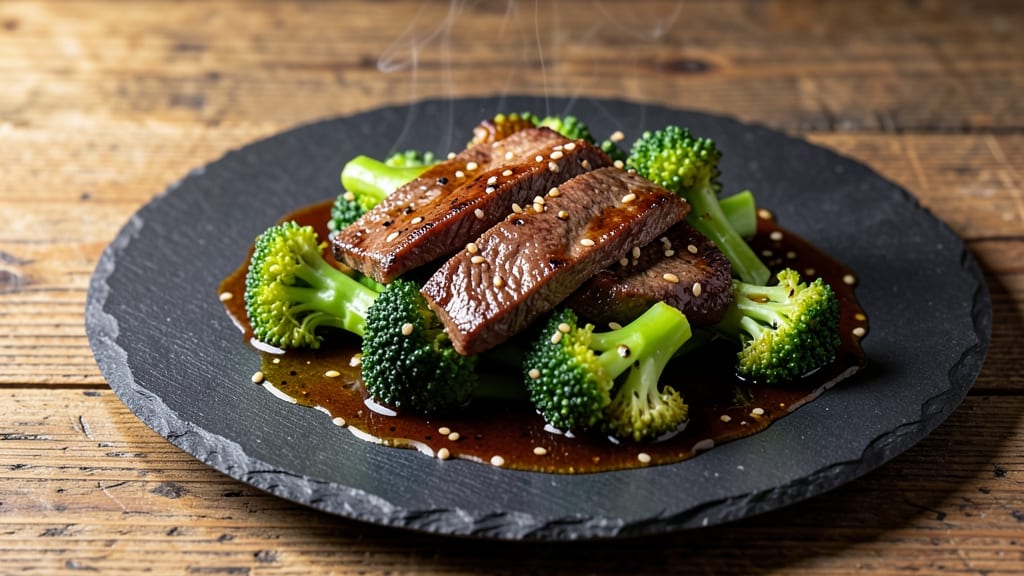
Recreating Trader Joe's beef and broccoli at home delivers that signature restaurant-style richness with deep umami flavor you crave.
The secret lies in properly stir-frying thinly sliced beef until tender yet still holding its shape, then combining it with crisp-tender broccoli in a sauce that balances sweet, savory, and slightly tangy notes.
I've perfected this technique after testing countless variations—this is the one that actually tastes like the frozen version you love.
What sets this recipe apart is the precise cooking method: high-heat wok-frying for the beef ensures a caramelized crust while keeping the interior juicy, and the broccoli gets just enough time to stay vibrant yet tender-crisp.
The sauce comes together quickly with simple pantry staples, but the real magic happens in the balance of soy sauce, brown sugar, and a touch of vinegar that mimics the brand's signature flavor profile. This isn't just another beef and broccoli dish—it's a direct replication of that familiar, comforting flavor.
The result is a dish that's restaurant-quality at home: tender beef slices with perfectly cooked broccoli florets, all coated in that glossy, slightly sticky sauce that clings beautifully. Every bite delivers that perfect combination of textures—crisp edges on the beef, tender florets, and a sauce that's rich yet not overpowering.
The aroma alone will have everyone asking what you're cooking, and the taste will convince them this is worth making from scratch.
Whether you're feeding a family or meal prepping for the week, this recipe delivers consistent results. The beef and broccoli can be made ahead and reheated perfectly, making it ideal for busy weeknights.
Let's get started on recreating that Trader Joe's flavor at home—it's easier than you think and far more satisfying than the frozen version.
Ingredients for trader joe's beef and broccoli
Pantry staples plus a few specialty touches—this is how you get that Trader Joe's beef and broccoli flavor at home.
| Ingredient | Amount | Notes |
|---|---|---|
| Flank Steak 🥩 | 1 ¼ lb | Thinly sliced against grain |
| Broccoli Florets 🥦 | 1 ½ lbs | Cut into bite-sized pieces |
| Extra-Virgin Olive Oil 🫒 | 2 tbsp | High smoke point preferred |
| Sesame Oil 🫒 | 1 tbsp | For aroma and richness |
| Low-Sodium Soy Sauce 🍶 | ½ cup | Kikkoman preferred |
| Brown Sugar 🍯 | 3 tbsp | Light or dark variety |
| Rice Vinegar 🍶 | 2 tbsp | White or seasoned |
| Garlic Cloves 🧄 | 4 cloves | Minced finely |
| Fresh Ginger 🌿 | 1 tbsp | Grated finely |
| Honey 🍯 | 1 tbsp | For subtle sweetness |
| Cornstarch 🌾 | 1 tbsp | For thickening sauce |
| Sesame Seeds 🌻 | 1 tbsp | Toasted for garnish |
| Red Pepper Flakes 🌶️ | ½ tsp | Optional for heat |
| Salt 🧂 | 1 tsp | Kosher or sea salt |
| Black Pepper 🌶️ | ½ tsp | Freshly ground |
The flank steak is non-negotiable here—it's lean but tender when sliced thin against the grain. Trader Joe's sells pre-sliced versions, but if you're buying whole, ask the butcher to slice it paper-thin. For the broccoli, fresh is best—the florets should be vibrant green and snap when bent. I usually grab the pre-cut broccoli crowns at Whole Foods to save time, but whole heads work too if you're cutting them yourself. The key is keeping the florets uniform in size so they cook evenly. Look for beef with good marbling—it'll stay juicier during the quick sear.
No sesame oil? Avocado oil works in a pinch, though it won't have that signature aroma. The soy sauce matters—low-sodium is crucial here to avoid over-salting the dish. If you can't find Kikkoman, Japanese-style soy sauce is your next best bet. The rice vinegar adds that subtle tang that makes this taste like the frozen version. Short on fresh ginger? Ground ginger at half the amount gets you close, but fresh is ideal. For the honey, agave or maple syrup are decent swaps if you're avoiding refined sugar. The cornstarch is what gives that signature glossy finish—don't skip it unless you're okay with a thinner sauce.
This dish reheats beautifully—honestly tastes better the next day as the flavors meld. Store in airtight containers for up to 4 days in the fridge, or freeze portions for 3 months. I always make extra because it's perfect for meal prep. The sauce thickens as it cools, so add a splash of water when reheating if it gets too stiff. For serving, I like to sprinkle the toasted sesame seeds right before eating—they add that final crunch and aroma that makes it feel restaurant-quality.
Why You'll Love This Recipe
- One-Pan Magic: That’s right—just one pan. Sear the flank steak in olive oil, toss in the broccoli florets, and let the sesame oil and soy sauce work their magic. No dishes to wash, no extra pots, and still restaurant-quality results.
- Umami Bomb: The low-sodium soy sauce and sesame oil combo? It’s a flavor explosion. The beef stays juicy with that perfect crispy edge, while the broccoli soaks up just enough sauce to be tender but still hold its shape.
- Lunchbox Hero: Between us, this is my go-to for meal prep. Slice the cooled steak thin, toss with leftover broccoli, and pack it in containers. It reheats like a dream—no soggy takeout here.
- Budget Powerhouse: Flank steak stretches far, and broccoli is cheap. A single pound of beef feeds four, and the veggies add freshness without breaking the bank. Honestly, it’s the kind of recipe that makes grocery day feel like a win.
Step-by-step instructions for Trader Joe's beef and broccoli
Here's how to recreate that iconic restaurant flavor at home—rich, umami-packed, and perfectly balanced.
Prep the Flank Steak for Maximum Tenderness
Slice the 1.25 lb flank steak thinly against the grain into ¼-inch thick strips. This is crucial—thin slices cook faster and stay tender. Pat them completely dry with paper towels, then season generously with 1 teaspoon salt and ½ teaspoon black pepper. Let them sit at room temperature for 15 minutes while you prep the rest. The dryness ensures a good sear, and room temperature means even cooking.
Here's the thing—flank steak can be tough if overcooked. Slicing against the grain shortens the muscle fibers, making each bite melt-in-your-mouth tender. Don't skip this step, even if it takes a few extra minutes. I like to work in batches if needed, keeping the uncooked slices on a plate covered with plastic wrap until ready to cook.
Build the Sauce Base with Aromatics and Sweet-Savory Balance
Heat 2 tablespoons extra-virgin olive oil in a large wok or deep skillet over medium-high heat until shimmering. Add the 4 minced garlic cloves and 1 tablespoon finely grated fresh ginger, stirring constantly for 30 seconds until fragrant. You'll smell that pungent, fresh aroma—this is where the flavor magic starts.
Add 3 tablespoons brown sugar, ½ cup low-sodium soy sauce, and 2 tablespoons rice vinegar. Stir well to combine, then let the mixture simmer for 2 minutes until slightly thickened. The sugar will caramelize just a bit, adding depth to the sauce. If you're using red pepper flakes, sprinkle in ½ teaspoon now and stir—just enough for a subtle kick without overpowering the dish.
Sear the Beef and Broccoli to Perfection
Working in batches if needed, add the seasoned steak strips to the wok in a single layer. Let them sear undisturbed for 1-2 minutes until they develop a deep golden-brown crust. This is your signal to flip—give them another 30-45 seconds until just cooked through. Remove the beef and set aside on a plate.
In the same pan, add 1.5 lbs broccoli florets and toss them with any leftover sauce. Cook for 3-4 minutes until bright green and just tender-crisp. The broccoli should hold its shape but yield slightly when pierced with a fork. If the sauce starts to dry out, add 1-2 tablespoons water to steam the florets gently.
Finish with Cornstarch Slurry for Glossy Sauce
Return the beef to the wok along with any accumulated juices. In a small bowl, whisk together 1 tablespoon cornstarch and 1 tablespoon honey with 2 tablespoons water to make a smooth slurry. Pour this into the wok, stirring constantly for 1-2 minutes until the sauce thickens and becomes glossy.
Taste and adjust seasoning—you might need a splash more soy sauce for saltiness or a touch of rice vinegar for brightness. The sauce should coat the back of a spoon and cling beautifully to the beef and broccoli. If it's too thick, add 1 tablespoon water at a time until you reach the perfect consistency.
Garnish and Serve Immediately
Transfer the beef and broccoli to serving plates. Drizzle with 1 tablespoon sesame oil and sprinkle generously with 1 tablespoon toasted sesame seeds. The nutty aroma of the sesame seeds and the rich oil will elevate the dish to restaurant-quality.
Serve over steamed jasmine rice for the full Trader Joe's experience. The beef should be tender with a perfect sear, the broccoli bright and crisp-tender, and the sauce glossy with just the right balance of sweet, salty, and umami. Don't let it sit too long—the sauce thickens as it cools, so enjoy it while it's hot and vibrant.
Pro Tips For Making Trader Joe'S Beef And Broccoli
- SLICE THIN, COOK FAST: Flank steak fights back when overcooked—cut it against the grain into ¼-inch slices (not paper-thin, but close) and sear for 1-2 minutes max per side. High heat is your friend here; drag those slices with tongs instead of stirring like you’re flipping pancakes.
- DON’T BOIL THE BROCCOLI: Toss florets in ice water after steaming to stop cooking instantly—this keeps them crisp-tender, not mushy. Pro move: Cut them into even-sized pieces so they cook uniformly. (Yes, even if it looks like you’re prepping for a food blog.)
- SALT THE MEAT BEFORE SEARING: Pat the steak dry with paper towels, then hit it with kosher salt 10 minutes before cooking. This crusts the surface for better browning and flavor—no, it won’t make it tougher, but skipping it means bland, sticky beef. (Trust me, your taste buds will notice.)
- USE SESAME OIL LAST: Add that golden sesame oil after the pan’s off heat—it burns fast and turns bitter. A splash at the end coats everything in aroma without turning your stir-fry into a smoky mess. (And no, a teaspoon isn’t enough—go for ½ tablespoon for real impact.)
Wine and beer pairings for this recipe
Asian-Inspired White Wine
For this dish, I recommend a crisp Japanese sake or a dry Riesling from Germany. The acidity in these wines cuts through the richness of the sauce while complementing the umami depth from the soy and ginger.
A chilled Koshu (a Japanese white grape) is my top pick—its delicate floral notes and subtle sweetness mirror the dish's balance of flavors. Serve at 45-50°F to preserve its crispness. 🍷
Light Lager Pairing
A Japanese lager like Sapporo or Asahi works beautifully with this dish. The clean, crisp profile won’t overpower the beef’s caramelized crust or the broccoli’s natural sweetness. For a craft option, try a Belgian witbier—its citrusy coriander notes play nicely with the ginger and vinegar in the sauce.
Keep the beer well-chilled (38-42°F) to enhance its refreshing qualities. 🍺
Dry Sherry Alternative
If you prefer red wine, a dry Fiano from Italy or a Pinot Noir with low tannins pairs surprisingly well. The earthy notes in these wines complement the beef’s sear, while their acidity balances the dish’s sweet-savory sauce.
Avoid heavy Cabernets—they’ll clash with the delicate broccoli and sauce. Decant for 30 minutes if using a younger bottle to soften tannins. 🍷
Non-Alcoholic Options
For a mocktail, mix sparkling yuzu soda with a splash of rice vinegar and a pinch of salt for a refreshing contrast. Alternatively, serve cucumber-mint infused water—the cool, herbal notes cleanse the palate between bites. Both options highlight the dish’s umami without competing flavors. ✨
Beer for Bold Flavors
If you love hoppy beers, a light IPA with citrus notes (like Blue Moon or Dogfish Head 60 Minute) can work, but use it sparingly. The bitterness might overpower the dish if overdone.
For a bolder choice, try a German Helles—its malty sweetness complements the brown sugar in the sauce. 🍺
Serving Temperature Tips
Wine should be served slightly cooler than room temperature for this dish—45-50°F for whites, 55-60°F for reds. Beer should be ice-cold (38-42°F) to enhance its crispness. I always chill my wine for 30 minutes in the fridge before serving to achieve the perfect balance. 🌡️
Nutrition facts
Frequently asked questions
Why does slicing the beef against the grain make such a difference?
Slicing flank steak against the grain cuts across the muscle fibers, making each bite more tender. The fibers are shorter, so they break down faster during cooking, preventing that tough, chewy texture. For this dish, you want melt-in-your-mouth beef that holds its shape—thin slices achieve that perfect balance. If you skip this step, your beef might end up tough even if cooked perfectly.
Can I use a different cut of beef instead of flank steak?
Yes, but with adjustments! Try sirloin or ribeye (thinly sliced), but they'll be slightly more tender. Flank steak's leaner texture works best for quick cooking. Avoid tougher cuts like chuck—they won't tenderize properly in this method. For extra tenderness, marinate the beef for 30 minutes in soy sauce and cornstarch before cooking.
How do I fix broccoli that turns mushy?
Mushy broccoli happens when overcooked. For this recipe, cook florets for only 3-4 minutes—they should be bright green and slightly crisp. If using frozen broccoli, thaw and pat dry first. For extra insurance, blanch fresh florets in boiling water for 30 seconds before stir-frying. The key is high heat and quick cooking to preserve texture.
What's the secret to getting that glossy sauce?
The cornstarch slurry is your best friend! Whisk 1 tbsp cornstarch with 1 tbsp honey and 2 tbsp water until smooth, then stir into the simmering sauce. Cook for 1-2 minutes until thickened. For extra shine, finish with 1 tbsp sesame oil—it adds richness without altering the flavor. If the sauce thickens too much, thin with 1 tsp water at a time.
Can I make this ahead of time for meal prep?
This dish reheats beautifully. Store components separately in airtight containers for up to 4 days in the fridge. Reheat in a skillet with 1 tsp water to restore moisture. For freezing, package sauce separately—it thickens further when thawed. Reheat gently on low heat, adding water as needed to prevent drying out. The flavors actually improve overnight!