
Sauces & Condiments
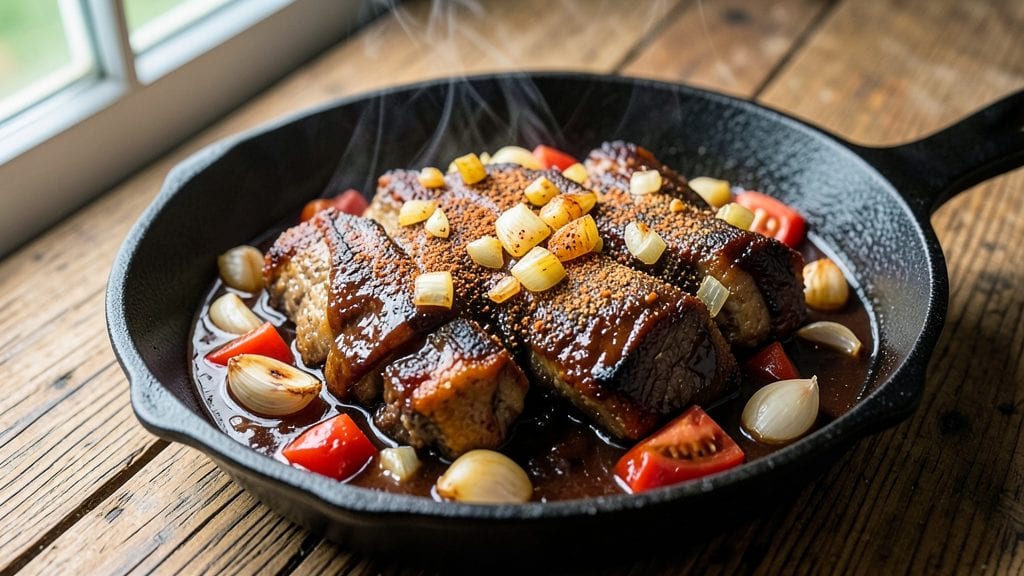
This traditional coney sauce recipe delivers the rich, spiced tomato gravy that makes Chicago-style hot dogs legendary—deeply savory with just the right kick of chili heat. The secret lies in slow-simmered beef broth, crushed tomatoes, and a precise blend of spices that create that signature umami depth.
I’ve perfected this version over years of testing, ensuring every spoonful captures the soul of Midwestern comfort food.
The sauce builds flavor through a two-step process: first, a rich beef base infuses with garlic and spices, then crushed tomatoes and vinegar brighten the depth.
What makes this recipe truly traditional is the balance—tangy yet sweet, smoky without overpowering, and thick enough to coat every bite of your coney dog. The slow simmer develops complexity that no shortcut can replicate.
By the time you’re done, you’ll have a sauce that’s velvety smooth with just enough body to cling to hot dogs, fries, or even as a dipping sauce for burgers.
The aroma alone will transport you to a Chicago street corner, where this sauce transforms simple ingredients into something extraordinary. This is the kind of recipe that earns repeat batches.
Store it in the fridge for up to a week or freeze for months—perfect for meal prep or stocking your pantry for game day. Let’s get cooking with a sauce that’s as much a tradition as it is a flavor powerhouse.
Ingredients for traditional coney sauce
Nine simple ingredients transform into the soul of Chicago's street food tradition.
| Ingredient | Amount | Notes |
|---|---|---|
| Beef Broth 🥩 | 4 cups | High-quality, low-sodium preferred |
| Crushed Tomatoes 🍅 | 2 cups | San Marzano preferred for sweetness |
| Yellow Onion 🧅 | 1 whole | Medium, finely diced |
| Garlic Cloves 🧄 | 4 cloves | Fresh, minced |
| Chili Powder 🌶️ | 2 tbsp | Medium heat, not cayenne |
| Ground Cumin 🌿 | 1 tbsp | Toasted for depth |
| White Vinegar 🍶 | 2 tbsp | Distilled, for tang |
| Brown Sugar 🍚 | 1 tbsp | Light, not dark |
| Kosher Salt 🧂 | 1 ½ tsp | Adjust to taste |
| Black Pepper 🌶️ | ½ tsp | Freshly ground |
The beef broth is where the magic starts—store-bought or homemade, just make sure it's rich and flavorful. I always grab Kirkland Signature from Costco for its depth, but any high-quality brand works. The crushed tomatoes? San Marzano is non-negotiable here—it's sweeter and smoother, which balances the spices perfectly. If you can't find it, Muir Glen is a solid backup, but avoid anything with added salt or preservatives. The onion and garlic are your aromatics base, so don't skip the fresh mincing—pre-minced garlic lacks punch. For the spices, Penzeys or the bulk bins at natural grocery stores give you the freshest, most flavorful options. Toast your cumin seeds in a dry pan for 30 seconds before grinding—that extra step makes all the difference.
No San Marzano tomatoes? High-quality canned tomatoes work—just look for brands with minimal additives. Running low on vinegar? Apple cider vinegar adds a subtle sweetness that complements the sauce beautifully. The chili powder can be swapped for a mix of cayenne and paprika, but reduce the cayenne to half—you want warmth, not heat. Brown sugar substitutes? Honey or maple syrup work in a pinch, but they'll alter the sauce's texture slightly. If you're making this for a crowd, double the batch—it reheats even better the next day. The key to balance is tasting as you go: add vinegar for tang, sugar for sweetness, and salt to tie it all together.
This sauce keeps beautifully—up to 1 week in the fridge and 3 months in the freezer. For freezing, portion into airtight containers or silicone molds—it's perfect for game day or quick weeknight meals. The texture thickens as it cools, so thin with a splash of broth if needed. I always make extra because it disappears fast—great on coney dogs, fries, or even as a pasta sauce. The flavors deepen overnight, so if you can, let it sit for a few hours before serving. Trust me, the wait is worth it.
Why You'll Love This Recipe
- Pantry Magic: I swear by this sauce—no fancy ingredients, just crushed tomatoes, beef broth, and a pinch of chili powder. The kind of dish that makes you feel like you’ve earned your dinner while actually spending 15 minutes less than you thought.
- Deep Umami Boom: That beef broth base? It’s the secret weapon. Simmered with onions and garlic until the flavors meld—you get this rich, smoky-sweet depth that sticks to hot dogs or cornbread like it’s been there forever. Honestly, it’s the kind of taste that makes you pause mid-bite.
- Weeknight Workhorse: This sauce is my go-to for game days, lazy Sundays, or when I’m too tired to plan. Toss it with hot dogs for a crowd, drizzle it over tacos, or even use it as a dip—it’s the one sauce that does it all without needing a Pinterest-worthy presentation.
- Budget-Friendly Staple: Crushed tomatoes and broth won’t break the bank, and a batch stretches for days. Between us, I’ve had this sauce last a full week in my fridge, and it only gets better as the flavors deepen. Plus, it’s the kind of meal that makes you feel like you’re feeding a house without the grocery bill to prove it.
Step-by-step instructions for traditional coney sauce
Here's how to build that iconic Chicago-style tomato gravy from scratch—rich, tangy, and full of deep flavor.
Sauté the Aromatics Until Soft
Heat a large, heavy-bottomed pot over medium heat and add the 1 whole yellow onion, finely diced. Cook for 8-10 minutes, stirring occasionally, until the onion becomes translucent and begins to caramelize slightly at the edges. This step is crucial—it builds the sauce's foundation by developing natural sweetness.
Next, add the 4 cloves garlic, minced, and cook for another 1-2 minutes until fragrant. Don't let the garlic burn—it should smell sweet and nutty, not bitter. If you notice it darkening too quickly, reduce the heat slightly. These aromatics will infuse the entire sauce with their warm, savory depth.
Toast the Spices for Maximum Flavor
Reduce the heat to low and add the 2 tablespoons chili powder and 1 tablespoon ground cumin. Stir constantly for 1-2 minutes until the spices become fragrant and slightly toasted. This step unlocks their full flavor potential—raw spices can taste bitter, but toasting brings out their warmth and complexity.
Here's the thing—don't rush this part. The spices should sizzle gently and fill your kitchen with an earthy, spicy aroma. If you smell something burning, you've gone too far. Once the spices are fragrant, immediately add the 2 cups crushed tomatoes and stir to combine.
Simmer and Build the Sauce
Pour in the 4 cups beef broth and bring the mixture to a gentle boil over medium-high heat. Once boiling, reduce the heat to low and let it simmer uncovered for 20-25 minutes. This slow cook allows the flavors to meld and the sauce to thicken naturally.
During this time, you'll notice the sauce reducing and developing a glossy sheen. Stir occasionally to prevent sticking, but don't over-stir—this can break down the tomatoes and make the sauce too thin. The sauce should thicken enough to coat the back of a spoon but still be pourable.
Balance the Flavors
After simmering, stir in the 2 tablespoons white vinegar, 1 tablespoon brown sugar, 1.5 teaspoons kosher salt, and 0.5 teaspoon black pepper. The vinegar adds a bright tang that cuts through the richness, while the sugar and salt balance the acidity. Taste and adjust—you might need a little more salt or vinegar to achieve that perfect Chicago-style balance.
Let the sauce simmer for another 5 minutes to fully incorporate these final ingredients. The sugar will help caramelize the tomatoes slightly, deepening their flavor. The sauce should now be rich, slightly tangy, and perfectly balanced—ready to serve over hot dogs or as a dipping sauce.
Strain and Serve
For a smooth, velvety texture, strain the sauce through a fine-mesh sieve into a clean pot. This removes any excess tomato skins or onion bits, giving you that classic, silky Coney sauce consistency. If you prefer a slightly rustic texture, you can skip this step—but straining is traditional for a refined finish.
Keep the sauce warm over low heat until ready to serve. The flavor will continue to develop as it sits, so don't rush this part. Serve immediately over hot dogs or as a dipping sauce for fries. This sauce is best enjoyed fresh, but it can be reheated gently on the stove if needed—just add a splash of water or broth to loosen it if it thickens too much.
Pro Tips For Making Traditional Coney Sauce
- Sweat the Onions Slowly: I learned this the hard way—rushing the onions turns your sauce bitter. Simmer them in a dry pan for 8-10 minutes until they’re deep golden, almost caramelized, before adding anything else. That’s when the flavor starts building.
- Crush Tomatoes by Hand: Canned crushed tomatoes work, but whole San Marzano tomatoes crushed with your fingers release more juice and texture. Skip the canned version if you can—it makes a noticeable difference in body and richness.
- Simmer, Don’t Boil: After adding broth and tomatoes, keep the heat low enough that you see tiny bubbles at the edges, not a rolling boil. Boiling burns the garlic and chili powder, turning your sauce harsh instead of smooth.
- Toast the Chili Powder: Dry-toast your chili powder in the pan for 30 seconds before adding liquids. It deepens the flavor without overpowering—like the difference between dust and spice. (Yes, it smells weird at first, but trust the process.)
Troubleshooting this recipe
Sauce Too Thin?
If your sauce isn’t thick enough after simmering, don’t panic—this happens when tomatoes break down too much. My go-to fix is a 1 tablespoon cornstarch mixed with 2 tablespoons cold water, stirred into the sauce and simmered for 2-3 minutes.
For a traditional approach, reduce heat to low and simmer uncovered for 10-15 more minutes—the liquid will evaporate naturally. Stir occasionally to prevent scorching.
Overpowering Spice?
Too much chili powder or cumin can make your sauce bitter. Balance it by adding ½ teaspoon sugar or 1 teaspoon honey to sweeten the heat, then a splash of white vinegar to brighten the flavors.
If the spice is still overwhelming, thin with ¼ cup beef broth and simmer for 5 minutes—this dilutes the intensity while keeping the sauce rich.
Burnt Onions or Garlic?
If your aromatics turn bitter, it’s because they cooked too long at high heat. To salvage the sauce, immediately add ½ cup crushed tomatoes or ¼ cup beef broth to deglaze the pot.
Scrape up any browned bits—they’re packed with flavor! Then proceed with the recipe, but reduce heat to low for the remaining steps to prevent further burning.
Sauce Too Acidic?
Too much vinegar can make your sauce taste sharp. Fix it by adding ½ teaspoon sugar or 1 teaspoon brown sugar to mellow the acidity. For a deeper flavor, stir in 1 teaspoon tomato paste and simmer for 2 minutes.
If the sauce still tastes too tangy, a pinch of salt will help round out the flavors. Taste as you go—this sauce is all about balance!
Lumpy Texture?
Lumps usually mean the sauce wasn’t stirred enough during simmering. For a smooth finish, blend the sauce with an immersion blender or transfer to a regular blender (careful—it’s hot!). If you prefer texture, strain through a fine-mesh sieve to remove any chunks.
To prevent lumps next time, stir gently but consistently while simmering—just enough to keep ingredients moving without breaking down the tomatoes.
Flat or Bland Flavor?
A bland sauce often means the spices weren’t toasted enough or the broth lacked depth. Next time, toast the cumin seeds in a dry pan for 30 seconds before grinding, and use a richer beef broth (like homemade or high-quality store-bought).
For an instant boost, add ½ teaspoon smoked paprika or a dash of Worcestershire sauce at the end. Simmering longer (up to 30 minutes) also lets flavors meld deeper.
Nutrition facts
Frequently asked questions
What makes this sauce different from regular chili?
This traditional coney sauce is lighter and tangier than chili, with a velvety tomato base rather than meat chunks. The key difference is the balance of white vinegar for brightness and brown sugar for depth, creating that signature Chicago-style flavor that coats hot dogs perfectly without being heavy. Think of it as a tomato gravy with just a touch of spice, not a hearty stew.
Can I make this sauce without crushed tomatoes?
Use 1 (14 oz) can of diced tomatoes instead, but drain them well first. For a smoother texture, blend the tomatoes briefly before adding. If you prefer chunkier sauce, skip blending and just crush the tomatoes by hand. The sauce will still develop that rich, tangy character—just expect slightly more texture variation.
How do I know when the sauce is ready?
Your sauce is perfect when it coats the back of a spoon smoothly but doesn't drip off (around 20-25 minutes of simmering). It should smell deeply aromatic with notes of caramelized onion, garlic, and spices. Taste it before serving—it should be tangy, slightly sweet, and just spicy enough to make your lips tingle. If it's too thin, simmer uncovered for another 10 minutes to reduce.
What's the best way to store leftover sauce?
Transfer cooled sauce to an airtight container and refrigerate for up to 1 week, or freeze for 3 months. For freezing, portion into 1-cup containers—this makes it easy to thaw just what you need. The flavor actually improves overnight, so leftovers often taste even better reheated gently over low heat with a splash of broth to loosen.
Can I use this sauce for anything besides hot dogs?
This versatile sauce works beautifully on fries, nachos, or even as a pasta sauce! It also makes an amazing dipping sauce for burgers or grilled meats. For a twist, try spooning it over mashed potatoes or using it as a marinade base for chicken. The key is balancing its rich tomato-spice flavor with complementary proteins or starches.