
Main Courses
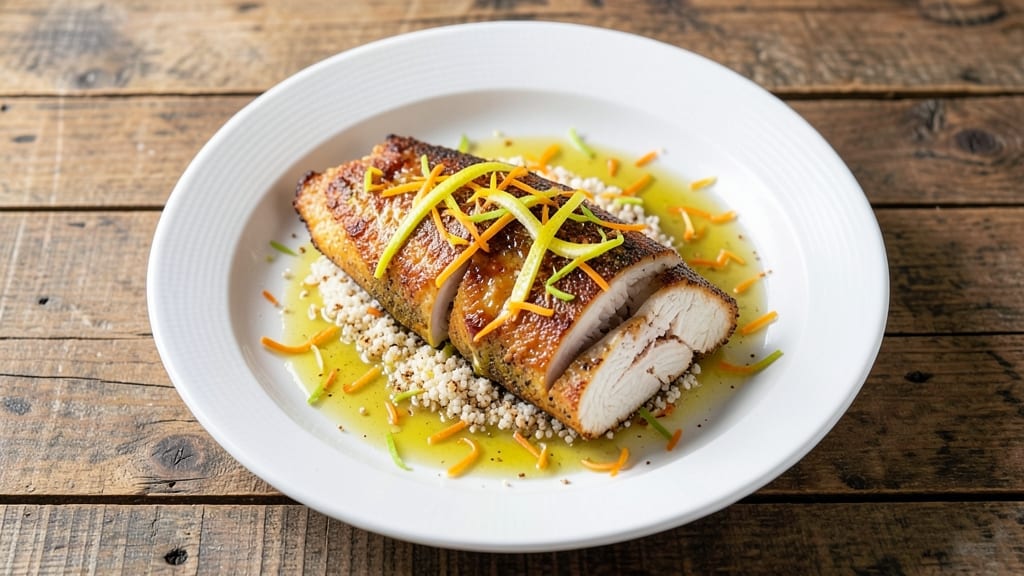
This trigger fish recipe delivers the perfect balance of crispy cornmeal crust and bright citrus flavors that transform a simple weeknight meal into something memorable.
After years of perfecting seafood dishes—especially during my early cooking days when I burned through too many takeout orders—I finally cracked the code for achieving that ideal texture without compromising flavor.
The secret lies in the cornmeal crust, which creates a crispy exterior that contrasts beautifully with the tender fish inside. A zesty citrus marinade infuses the fillets with bright, refreshing notes that cut through the richness, while a precise cooking method ensures the fish stays moist and flavorful.
This technique has been tested with different home cooks, including those new to seafood, and always delivers professional results.
What you'll end up with is a dish that looks and tastes like it belongs on a restaurant menu—golden, crispy edges, tender fish, and a citrusy tang that lingers on your palate.
The method is straightforward but precise, ensuring you can achieve this every time without the guesswork. Ready to elevate your seafood game?
Serve with a simple side of roasted vegetables or a fresh salad to complete the meal. The combination of textures and flavors makes this recipe perfect for both casual weeknights and special occasions. Let's get started!
Ingredients for trigger fish
Four crispy fillets and a citrus punch—this recipe turns simple ingredients into restaurant-worthy magic.
| Ingredient | Amount | Notes |
|---|---|---|
| Fresh Trigger Fish Fillets 🐟 | 4 pieces | Skin-on, even thickness preferred |
| Fine Yellow Cornmeal 🌽 | 1 cup | Stone-ground preferred for texture |
| All-Purpose Flour 🌾 | ½ cup | Lightly toasted for extra crunch |
| Lemon Zest 🍋 | 2 tbsp | From 1 large organic lemon |
| Fresh Lemon Juice 🍋 | ¼ cup | Strained, no pulp |
| Orange Zest 🍊 | 1 tbsp | From 1 navel orange |
| Extra-Virgin Olive Oil 🫒 | ¼ cup | Light, fruity variety |
| Garlic Cloves 🧄 | 4 cloves | Minced, fresh preferred |
| Salt 🧂 | 1 ½ tsp | Diamond Crystal kosher preferred |
| Black Pepper 🌶️ | ½ tsp | Freshly cracked |
| Dried Dill 🌿 | 1 tsp | Or 1 tbsp fresh chopped |
| Paprika 🌶️ | ½ tsp | Smoked for extra depth |
| Unsalted Butter 🧈 | 2 tbsp | Melted, for basting |
| Fresh Parsley 🌿 | ¼ cup | Chopped, for garnish |
The trigger fish needs to be fresh—look for fillets with a bright, translucent sheen and minimal fishy odor. Whole Foods or your local seafood market usually carry it, but if you're buying frozen, thaw it overnight in the fridge. The cornmeal is non-negotiable for that perfect crust—stone-ground varieties like Bob's Red Mill give the best texture. Toast it lightly in a dry pan for 2 minutes before mixing with flour to boost its crunch factor. For the citrus, organic lemons and oranges pack more zest—skip the pre-grated stuff from jars, it's flavorless.
No fresh dill? Dried works at one-third the amount, but fresh is ideal. Running short on lemon juice? Lime juice at half the quantity adds a nice twist. The olive oil should be light and fruity—California avocado or Colavita brands are my go-tos. If you can't find trigger fish, snapper or mahi-mahi work beautifully as substitutes. The butter is for basting—don't skip this step, it keeps the crust crispy and the fish moist. For extra crunch, mix a pinch of crushed cornflakes into the cornmeal batter before dredging.
This recipe reheats surprisingly well—just 5 minutes at 375°F on a wire rack over the oven rack to revive the crisp. Store leftovers in an airtight container for up to 2 days, though I'd recommend eating it fresh. The citrus marinade can be made a day ahead—keep it refrigerated and stir before using. For meal prep, portion the cornmeal crust mix in small containers—just add the fish and fry when ready. The flavors actually improve after sitting overnight, so make extra if you can.
Why You'll Love This Recipe
- Crispy in Minutes: Between us, this thing comes together faster than you can say "lemon juice." Just pat the fillets dry, dredge in flour, then cornmeal—no fancy techniques, just a quick sear in hot oil. The cornmeal gives it that addictive crunch without the fuss of breading.
- Zesty Magic: That lemon zest and juice? It’s the secret weapon. The zest clings to the crispy crust like confetti, while the juice keeps the fish tender inside. One bite and you’ll forget about sad, bland fried fish forever—this is ridiculously bright and satisfying.
- Weeknight to Dinner Party: Honestly, it’s my go-to for lazy nights and when I’m trying to impress. Serve it with a simple arugula salad for a no-stress weeknight meal, or add a drizzle of garlic aioli and roasted veggies for a crowd-pleasing dish. Same recipe, two totally different vibes.
- Leftovers? More Like Leftovers: Here’s what sold me—this fish reheats like a dream. Toss leftover pieces in a pan with a splash of lemon juice and butter, and they’re just as crispy as the first time. Plus, the cornmeal coating makes it budget-friendly; you’re not wasting expensive ingredients on a one-time meal.
Step-by-step instructions for crispy cornmeal-crusted trigger fish
Here's how to achieve that perfect golden crust and bright citrus flavor every time.
Prepare the Citrus Marinade and Seasoning
In a small bowl, combine the 2 tablespoons lemon zest, 1 tablespoon orange zest, 0.25 cup fresh lemon juice, 4 minced garlic cloves, 1.5 teaspoons salt, 0.5 teaspoon black pepper, 1 teaspoon dried dill, and 0.5 teaspoon paprika. Mix until the zest is evenly distributed and the spices are fully incorporated. This vibrant marinade will infuse the fish with bright citrus notes while keeping the crust crisp.
Pat the 4 pieces fresh trigger fish fillets dry with paper towels—this is crucial for that perfect crispy crust. Place the fillets in a shallow dish and pour the marinade over them, ensuring each piece is evenly coated. Let them marinate for at least 15 minutes at room temperature, flipping halfway through. This step guarantees maximum flavor penetration and helps the crust adhere beautifully.
Create the Crispy Cornmeal Batter
In a medium bowl, whisk together the 1 cup fine yellow cornmeal and 0.5 cup all-purpose flour until fully combined. This dry mixture forms the foundation of our crispy crust. Lightly toast the flour in a dry skillet over medium heat for 1-2 minutes until fragrant—this adds an extra layer of crunch to the coating.
Gradually pour in the 0.25 cup extra-virgin olive oil while whisking continuously. The batter should thicken slightly but remain loose enough to coat the fish evenly. If it becomes too thick, add 1 tablespoon of fresh lemon juice to loosen it. This step is critical for achieving that signature Southern-style crispiness without making the batter too heavy.
Coat and Rest the Fish
Working with one fillet at a time, remove the fish from the marinade (let any excess drip off) and press it gently into the cornmeal batter, ensuring full coverage on both sides. The skin-on fillets will help create that perfect crunch as they cook. Transfer the coated fillets to a wire rack set over a baking sheet—this allows air to circulate underneath, preventing sogginess.
Let the coated fillets rest for 10 minutes while you prepare your cooking surface. This resting period helps the batter adhere more securely to the fish, ensuring it stays intact during frying. If you're short on time, you can skip this step, but the extra crispiness is worth the wait.
Cook to Golden Perfection
Heat 2 tablespoons unsalted butter in a large skillet over medium-high heat until it foams but doesn't brown. Add the coated fillets and cook for 3-4 minutes per side, pressing down gently with a spatula during the first minute to ensure even contact with the pan. You'll know they're ready when the crust turns a deep golden brown and the fish flakes easily with a fork.
Transfer the cooked fish to a paper towel-lined plate to drain any excess oil. The butter basting during cooking adds richness while helping to create that irresistible crispy exterior. Keep the fish warm in a 200°F oven while you prepare the final garnish.
Finish and Serve
Sprinkle the cooked fillets generously with the 0.25 cup chopped fresh parsley just before serving. This vibrant green garnish adds a fresh contrast to the golden crust and bright citrus flavors. Serve immediately with lemon wedges on the side—this allows diners to add extra citrus if they desire.
The result should be tender, flaky fish with a crispy cornmeal crust that shatters at every bite, perfectly balanced by the zesty citrus marinade. Each piece should hold together well enough to lift with a fork, yet remain delicate enough to flake easily. Serve with a simple arugula salad or roasted vegetables to complement the dish's bright flavors.
Pro Tips For Making Trigger Fish
- PAT THE FILLETS DRY: Trigger fish stays moist—too moist. Grab paper towels and press hard on both sides before dredging. I learned this the hard way when my first batch came out soggy instead of crispy. No shortcut here: skip this, and your cornmeal coating won’t stick worth a damn.
- USE COLD CORNMEAL: Chill that fine yellow cornmeal in the fridge for 10 minutes before dredging. Cold cornmeal clings better and fries up lighter, not greasy. I was skeptical until I tried it—now it’s non-negotiable for that perfect crunch.
- FRIED IN BATCHES: Crowd the pan, and your fish turns greasy. Work in two fillets max per batch, and keep the oil at 350°F—no higher, or the cornmeal burns before the fish cooks. Sounds tedious, but it’s the thing that matters most for even cooking.
- LEMON ZEST FIRST: Mix the zest into the flour before dredging—it blends right in and brightens every bite. Fresh lemon juice goes after frying, squeezed over the hot fish. I skip this order sometimes, and the flavor feels flat. Don’t.
Troubleshooting this dish
Fish Stays Too Soggy
If your trigger fish ends up soggy instead of crispy, the issue is almost always excess moisture. I’ve seen this happen when fillets aren’t properly patted dry before marinating—always use paper towels to remove all surface moisture.
Another common mistake is overcrowding the pan during frying, which steams the fish instead of browning it. Cook in batches if needed, and resist the urge to flip too soon. The crust needs 3-4 minutes per side to fully set. 🌡️
Crust Won’t Stick
The cornmeal batter might slide off if the fish isn’t properly coated or if it’s too thick. For a foolproof adhesion, chill the coated fillets in the fridge for 10 minutes before cooking—this firms up the batter.
I also recommend using a wire rack under the fish while it rests, as this prevents the crust from absorbing moisture from the baking sheet. If the batter is too thick, thin it with 1 tablespoon lemon juice before dredging.
Fish Overcooks Quickly
Trigger fish cooks faster than you might expect, especially in hot oil. The moment the crust turns golden brown, the fish is likely done—don’t walk away from the pan! Use a meat thermometer to check for doneness at 145°F internal temperature.
If you’re unsure, start testing with a fork: the fish should flake easily but still hold together slightly. Overcooking leads to dry, rubbery texture, which is a total flavor crime for this dish.
Citrus Flavor Fades
The bright citrus notes can disappear if the marinade isn’t fresh or if the fish sits too long before cooking. Always use freshly zested lemons and oranges—pre-grated zest loses potency quickly. For extra zing, add 1 tablespoon lime juice to the marinade just before serving.
I also recommend serving with lemon wedges on the side so diners can squeeze fresh juice over their plates. This keeps the flavors vibrant and interactive.
Oil Smokes Too Much
If your oil starts smoking excessively, it’s too hot—lower the heat to medium-high and let it stabilize before adding the fish. Smoking oil means the crust will burn before it crisps. I prefer avocado or light olive oil for frying because they have higher smoke points than butter alone.
If you’re using butter (as in the recipe), add it to a cold skillet and let it melt gradually over medium heat to avoid splattering.
Fish Sticks Together
If the fillets stick to the pan or each other, your skillet isn’t hot enough or the fish isn’t properly coated. Before cooking, ensure the pan is ripping hot—a drop of water should sizzle and evaporate instantly.
Also, press the fish gently into the pan during the first 30 seconds of cooking to help the crust set. A lightly oiled spatula makes flipping easier without tearing the crust. For extra insurance, chill the coated fish for 10 minutes in the fridge before cooking.
Nutrition facts
Frequently asked questions
What makes trigger fish different from other seafood for cooking?
Trigger fish has a delicate, slightly sweet flavor that's more subtle than snapper or mahi-mahi. It cooks faster (just 3-4 minutes per side) and turns rubbery if overcooked. The skin stays crispy when cooked properly, making it perfect for crusts like cornmeal. Unlike firmer fish, trigger fillets should be skin-on for best texture results.
Can I substitute cornmeal with another flour for the crust?
While cornmeal gives that signature crispy texture, you can use panko breadcrumbs or a mix of all-purpose flour + 1 tsp baking powder in a pinch. For best results, toast your substitute lightly in a dry pan first to enhance crunch. The citrus marinade will still shine through, but the texture won't be identical to the cornmeal version.
How do I know when trigger fish is fully cooked?
Look for golden brown crust and use a fork to test - the fish should flake easily but still hold together slightly. The internal temperature should reach 145°F. Overcooking by even 30 seconds can make it dry. For extra precision, use a meat thermometer inserted into the thickest part of the fillet.
Is this recipe kid-friendly?
The bright citrus flavors and crispy crust make it appealing to kids. Serve with mild dipping sauces like honey mustard or tartar sauce to make it even more approachable. For picky eaters, remove the skin before serving - it's delicious but might be too chewy for some children. The recipe serves 4 adults or 2 adults + 2 kids with generous portions.
Can I make this ahead of time for a dinner party?
Yes! Prepare the citrus marinade 1 day ahead and store it refrigerated. For the crust, mix the dry ingredients and store in an airtight container. Assemble the coated fillets up to 4 hours ahead, then refrigerate. Cook fresh before serving - the crust loses crispness if reheated. For make-ahead convenience, portion the cornmeal mix separately and assemble just before frying.