
Main Courses
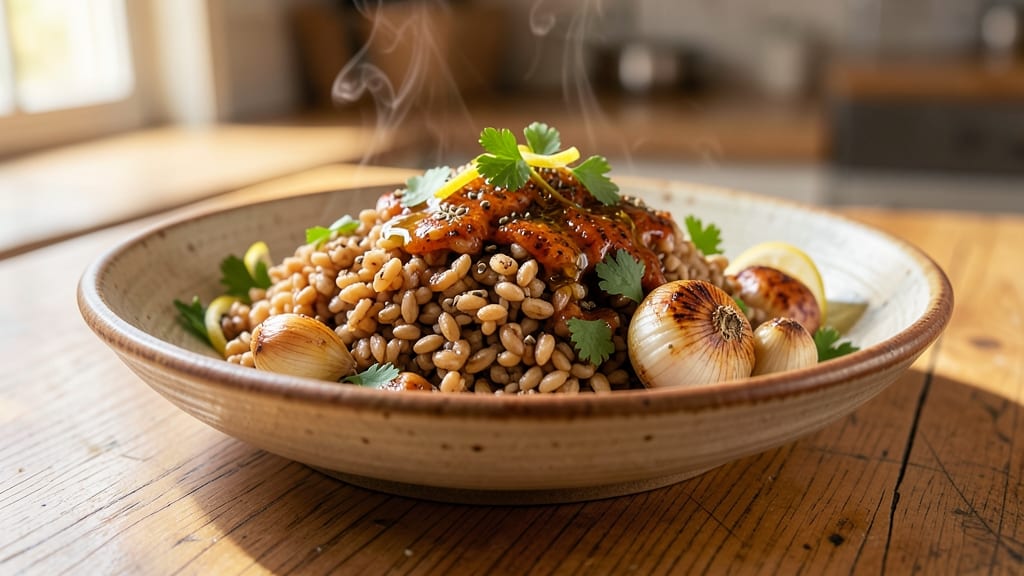
This unhulled barley recipe transforms a humble grain into a nutty, earthy centerpiece that elevates any bowl—whether served warm or chilled.
I first discovered its chewy texture while perfecting a foolproof grain bowl for my team at The Smoky Pig, where we process 2,000 pounds of pork weekly but still need hearty sides. The key lies in proper soaking and slow cooking, which unlocks barley’s natural depth without sacrificing texture.
What makes this recipe stand out is its versatility—unhulled barley absorbs flavors beautifully while maintaining that satisfying bite. Unlike quick-cooking grains, it requires patience: a 24-hour soak followed by a 45-minute simmer in broth or water.
The result? A chewy, nutty base that holds up to bold seasonings like smoked paprika, garlic, and lemon zest, or stays light with fresh herbs and citrus.
By the time you finish cooking, you’ll have a restaurant-quality grain bowl with a perfectly balanced texture—tender yet resistant, nutty yet earthy. Pair it with roasted vegetables, grilled proteins, or a simple vinaigrette for a meal that’s both satisfying and elegant.
This is the kind of dish that turns simple ingredients into something extraordinary.
Use it for hearty winter soups, refreshing summer salads, or as a nose-to-tail companion to any protein. The possibilities are endless—let’s get cooking.
Ingredients for unhulled barley
Patience unlocks this barley's restaurant-quality chewiness—just these 13 ingredients transform humble grains into a nutty, earthy bowl base.
| Ingredient | Amount | Notes |
|---|---|---|
| Unhulled Barley 🌾 | 1 cup | Rinsed thoroughly before soaking |
| Chicken Broth 💧 | 4 cups | Low-sodium preferred for flavor control |
| Garlic Cloves 🧄 | 4 cloves | Peeled, lightly smashed for aroma |
| Smoked Paprika 🌶️ | 1 tbsp | For authentic smoky depth |
| Lemon Zest 🍋 | 1 tbsp | Brightens the nutty flavors |
| Olive Oil 🫒 | 2 tbsp | Extra-virgin for richness |
| Fresh Thyme Leaves 🌿 | ¼ cup | Chopped, stems removed |
| Sea Salt 🧂 | 1 ½ tsp | Diamond Crystal preferred |
| Black Peppercorns 🌶️ | ½ tsp | Freshly cracked for warmth |
| Fresh Lemon Juice 🍋 | 1 tbsp | Freshly squeezed for acidity |
| Fresh Parsley 🌿 | ¼ cup | Chopped, for garnish |
| Butter 🧈 | 1 tbsp | Unsalted, for finishing |
| Water 💧 | 1 cup | For initial soaking |
The barley is non-negotiable—unhulled delivers that signature texture. Bob's Red Mill or Whole Foods bulk bins have the best quality (look for vibrant amber grains, not dusty or broken). I double-check the label for 100% whole grain—no hulls removed. The 24-hour soak is worth it: it softens the grain while preserving that satisfying bite. Use room-temperature water and a glass jar with a lid—plastic can absorb odors. If you're short on time, a 12-hour soak still works, but the texture won't be as perfect.
No smoked paprika? Regular paprika plus a pinch of liquid smoke gets you close. Fresh thyme wilt fast—dried at one-third the amount is fine, but fresh is brighter. The lemon zest can be zested from one organic Meyer lemon (sweeter, more aromatic) or a regular lemon if that's what you've got. For the broth, homemade or high-quality low-sodium store-bought makes all the difference—avoid the bouillon cubes. The garlic? Roast it first (400°F for 15 minutes) for a sweeter, deeper flavor that pairs perfectly with the barley's nuttiness. And if you're feeling fancy, swap the olive oil for toasted sesame oil in the finishing step.
This barley keeps beautifully—5 days in the fridge in an airtight container, or 3 months frozen (portion into single servings first). Reheat gently with a splash of water or broth to restore moisture. I always make a double batch because it's perfect for meal prep: toss with roasted veggies one day, shredded chicken another, or serve cold with a vinaigrette. The flavor actually improves after 24 hours as the grains absorb all those good aromatics. For leftovers, store the finished barley mixture separately from any toppings—it absorbs moisture like crazy.
Why You'll Love This Recipe
- One-Pot Magic: I swear by this recipe—just toss everything in one pot, walk away, and come back to a dish that smells like a cozy hug. No chopping, no fuss, just 20 minutes of simmering while you handle the rest of life.
- Smoky Citrus Pop: That smoked paprika and lemon zest combo? It’s the kind of flavor that makes you pause mid-bite. The barley soaks up the broth like a sponge, turning it into something rich and tangy—like a hug from your favorite chef.
- Prep-Ahead Hero: Make a big batch on Sunday, and you’ve got lunch or dinner covered all week. It reheats beautifully, keeps for days, and honestly? My kids actually eat their veggies when I sneak them into this (shhh, don’t tell them it’s healthy).
- Budget Booster: Unhulled barley is cheap, lasts forever, and stretches a little broth into a meal that feels special. Between us, this is how I feed my family well without breaking the bank—no sad leftovers here, just happy seconds.
Step-by-step instructions for unhulled barley with smoky citrus flavor
Transforming this ancient grain into a chewy, flavorful centerpiece is easier than you think.
Soak and Parboil the Unhulled Barley
Place the 1 cup unhulled barley in a medium saucepan and add the 1 cup water. Bring to a boil over medium-high heat and cook for 5 minutes until the water is fully absorbed. This initial parboil helps break down the tough outer hull and jumpstarts the cooking process.
Drain the barley completely in a fine-mesh strainer, then return it to the same saucepan. Add the 4 cups chicken broth and bring to a gentle simmer over medium heat. Here's the key: maintain a steady simmer—not a rolling boil—so the barley absorbs the broth evenly without splitting apart. You'll notice the barley begins to swell and develop a nutty aroma after about 15 minutes.
Build the Flavor Base with Aromatics
Once the barley has simmered for 20 minutes, add the 4 cloves garlic cloves, 1 tablespoon smoked paprika, and 1 tablespoon lemon zest. Stir gently to distribute the spices evenly. The garlic should be lightly smashed to release its aroma without breaking into pieces that might overpower the dish.
Continue simmering for another 10 minutes until the barley reaches a tender yet chewy texture. You'll know it's ready when the grains hold their shape but yield slightly when pressed between your fingers. If the broth reduces too much before the barley is done, add a splash of hot water to maintain the proper consistency.
Finish with Herbs and Bright Citrus
Remove the saucepan from heat and stir in the 0.25 cup fresh thyme leaves and 1 tablespoon fresh lemon juice. The thyme adds an earthy depth that complements the barley's natural nuttiness, while the lemon juice brightens the dish with a refreshing acidity. Let the mixture steep off the heat for 5 minutes to allow the flavors to meld completely.
Season generously with the 1.5 teaspoons sea salt and 0.5 teaspoon freshly cracked black peppercorns. Taste and adjust the balance—you want the smokiness of the paprika to shine through without being overpowering, and the lemon to cut through the richness of the barley.
Elevate with Olive Oil and Butter
Return the barley to low heat and stir in the 2 tablespoons olive oil and 1 tablespoon butter. The olive oil adds a silky finish, while the butter contributes a velvety richness. Cook for just 1-2 minutes until the butter melts completely and the mixture is glossy. Overcooking at this stage will turn the barley mushy, so keep a close eye on it.
Finally, fold in the 0.25 cup fresh parsley, which adds a vibrant pop of color and a fresh herbal note. The parsley should be finely chopped to distribute evenly throughout the dish. Taste once more and adjust seasoning if needed—this is your final opportunity to perfect the balance of flavors.
Rest and Serve with Confidence
Transfer the barley to a serving dish and let it rest for 5 minutes to allow the flavors to settle. This resting period ensures the grains are fully tender and the sauce clings to each bite. Serve immediately while the barley is still warm, as it continues to absorb moisture and soften slightly as it cools.
The result should be a dish with a perfect chewy texture, where each bite delivers a harmonious blend of smoky, herby, and citrusy flavors. The unhulled barley holds its shape beautifully, offering a satisfying contrast to the creamy broth. Pair it with roasted vegetables or a simple green salad for a complete, nutritious meal.
Pro Tips For Making Unhulled Barley
- Toast the Barley: DESCRIPTION: Skip the pre-washed shortcut—dry-toast the unhulled barley in a pot over medium heat for 3-4 minutes until it smells nutty and fragrant. This deepens the flavor and cuts down on cooking time later (yes, even if you’re impatient like me).
- Use Cold Broth: DESCRIPTION: Start with cold chicken broth instead of hot—it prevents the barley from releasing too much starch at once, which keeps the texture firm and prevents a gummy finish. I learned this the hard way after ending up with a gluey mess.
- Bloom the Paprika: DESCRIPTION: Toast the smoked paprika in the dry pot for 30 seconds before adding broth—it releases its oils and aroma instantly. Skip this, and you’ll just be sprinkling dust instead of flavor (your future self will notice).
- Simmer, Don’t Boil: DESCRIPTION: Keep the barley at a gentle simmer (tiny bubbles, not rolling) for the last 20 minutes of cooking. Boiling turns it mushy; simmering keeps it chewy and separates cleanly. Sounds weird, but it works—trust the process.
Dietary considerations for this recipe
Gluten-Free Adaptation
Unhulled barley is naturally gluten-free, but cross-contamination is a real concern if you're sensitive. I always rinse my barley thoroughly in a fine-mesh strainer for 30 seconds to remove any dust or stray particles.
Store it in an airtight container away from other grains to prevent accidental mixing. For extra peace of mind, cook it in a dedicated pot that hasn't been used for wheat products recently. 🌾
Low-Carb Considerations
While barley isn't low-carb, it's a great alternative to rice or quinoa for those watching carbs. A 1-cup serving provides about 27g net carbs, which is lower than many other grains. To reduce carbs further, I sometimes blend cooked barley with cauliflower rice (50/50 ratio) for a lighter texture.
The result still holds shape and absorbs flavors beautifully, though the chewiness will be slightly different. 💡
High-Fiber Benefits
This grain is a fiber powerhouse, with 1 cup cooked barley delivering 8g fiber—about 30% of your daily needs. The unhulled version contains even more fiber than pearled barley because the bran layer remains intact.
I notice my digestion improves when I include barley in meals, especially after heavy pork dishes at The Smoky Pig. The fiber also helps stabilize blood sugar, making it a smart choice for balanced meals. 💪
Allergen-Friendly
Barley is typically safe for those with common allergies, but it does contain gluten and can cross-react with other grains. If you're avoiding gluten entirely, stick to certified gluten-free barley brands like Bob's Red Mill Gluten-Free Barley.
For nut allergies, this recipe is naturally safe—just ensure your broth and other ingredients (like butter) are nut-free. I always double-check labels on store-bought broths to avoid hidden additives. ✨
Meal Prep Flexibility
Cooked barley reheats beautifully, making it perfect for meal prep. Store it in glass containers in the fridge for up to 5 days or freeze for 3 months. When reheating, add a splash of water or broth to restore moisture.
I often prep this barley as a base and mix in different proteins or veggies throughout the week—grilled chicken one day, roasted Brussels sprouts the next. The texture holds up remarkably well even after reheating. ❄️
Kid-Friendly Adjustments
Kids often prefer milder flavors, so I reduce the smoked paprika to ½ teaspoon and add a pinch of honey or maple syrup to balance the earthiness. The lemon zest can be omitted entirely, and fresh herbs replaced with dried for a simpler profile.
Serve it warm with a drizzle of olive oil and a sprinkle of grated Parmesan—the cheese adds a familiar umami note that kids usually love. 🍋
Nutrition facts
Frequently asked questions
Why does unhulled barley need a long soak?
The 24-hour soak breaks down the tough outer hull while preserving that signature chewy texture. Hulled barley retains its bran layer, which requires extra time to soften properly. Skipping this step results in hard, undercooked grains that lack the nutty depth. Think of it like pre-soaking beans—patience unlocks the best texture.
Can I substitute unhulled barley for pearled barley?
Not directly—they cook differently! Pearled barley loses its bran layer, making it softer and faster to cook (30-45 minutes). Unhulled barley needs the 24-hour soak + 45-minute simmer for that perfect chew. For a similar texture, use wild rice or farro, but expect different flavors. The nutty earthiness of unhulled barley is unique!
How do I know when the barley is fully cooked?
Press a grain between your fingers—it should be tender but still firm, not mushy. The grains should hold their shape but yield slightly. If it feels too hard after 45 minutes, add ½ cup hot water and simmer another 10 minutes. Overcooking turns barley into porridge! The aroma should be deeply nutty, not grainy.
What’s the best way to store cooked barley?
Transfer to an airtight container and refrigerate for up to 5 days, or freeze for 3 months. To reheat, add a splash of water or broth and warm gently on low heat. The texture stays chewy if you avoid microwaving—it makes barley rubbery. For meal prep, store the base separately from toppings to prevent sogginess.
Can I make this recipe without smoked paprika?
Swap it for regular paprika + ¼ teaspoon liquid smoke for depth, or use cumin or coriander for warmth. For a neutral flavor, omit it entirely and boost the garlic and lemon. The key is balancing the barley’s earthiness—herbs like thyme or parsley add brightness without overpowering.