Main Courses
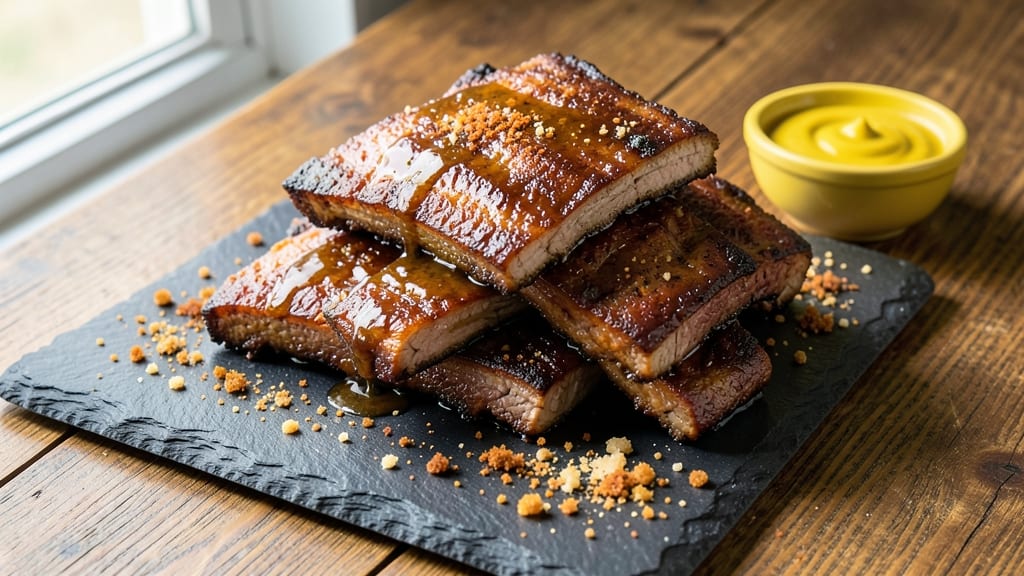
Creating Virgil's BBQ ribs recipe with that signature smoky bark and melt-in-your-mouth tenderness starts with a few key techniques I've perfected over years of testing—including the infamous "Texas crutch" method for foolproof results.
The secret lies in balancing dry rub, low-and-slow cooking, and the right sauce application at the perfect moment. I first learned these principles while helping my grandmother prepare Sunday roast chicken, and now I've adapted them for ribs that rival any competition-style cook.
This recipe delivers restaurant-quality ribs in a home kitchen using just a few essential tools: a smoker or grill, a meat thermometer, and patience. The dry rub creates a flavorful bark that locks in moisture, while the slow cook transforms tough meat into tender, fall-apart perfection.
What sets this apart is the precise temperature control and the "3-2-1" sauce method—three applications during cooking, two post-cook bastes, and one final glaze before serving.
By the time you're done, you'll have ribs with a deep mahogany bark, tender meat that pulls apart with minimal effort, and a glossy glaze that makes every bite irresistible.
The aroma alone will have your whole house (and neighbors) asking what's for dinner. These ribs work equally well for casual weeknight meals or impressing guests at your next cookout.
Pair with classic sides like coleslaw, cornbread, or baked beans to complete the meal. The key to success? Don't rush it—great ribs take time, but the results are worth every minute. Let's get cooking!
Ingredients for virgil's bbq ribs
Six pounds of ribs and a handful of pantry staples transform into restaurant-quality BBQ.
| Ingredient | Amount | Notes |
|---|---|---|
| Pork Baby Back Ribs 🍖 | 6 lb | Bone-in, meaty ends included |
| Yellow Mustard 🍯 | ¼ cup | For the Texas crutch |
| Brown Sugar 🍚 | ½ cup | Light or dark preferred |
| Smoked Paprika 🌶️ | 2 tbsp | For deep smoky flavor |
| Chili Powder 🌶️ | 1 tbsp | Medium heat preferred |
| Garlic Powder 🧄 | 1 tbsp | Freshly ground preferred |
| Onion Powder 🧅 | 1 tbsp | For sweet depth |
| Ground Black Pepper 🌶️ | 1 tsp | Freshly cracked |
| Kosher Salt 🧂 | 1 tbsp | Diamond Crystal preferred |
| Apple Cider Vinegar 🍎 | ¼ cup | For tangy balance |
| BBQ Sauce 🍯 | 1 ½ cups | Store-bought or homemade |
| Honey 🍯 | ¼ cup | For final glaze |
| Wood Chips 🌳 | 2 cups | Hickory or cherry preferred |
| Wooden Skewers 🪵 | 4 whole | For tying ribs |
The ribs are the star—baby back cuts with meaty ends are ideal, but spare ribs work too. Look for thick, meaty slabs with good marbling at Costco or local butchers. I always buy a few extra pounds to account for shrinkage during cooking. The Texas crutch (yellow mustard) is non-negotiable—it helps tenderize the meat while adding a subtle tang. For the dry rub, Penzeys or local spice shops carry the best smoked paprika, but the grocery store stuff works fine if it's fresh. Test your spices: if they smell dull, toss them.
No smoked paprika? Substitute half with regular paprika plus a pinch of liquid smoke. Short on apple cider vinegar? White vinegar or lemon juice in a pinch. The BBQ sauce can be store-bought (I like Stubb's or Sweet Baby Ray's for consistency), but homemade is better—just ensure it's not too sweet. For the final glaze, agave or maple syrup works instead of honey. The wood chips? Hickory gives classic BBQ flavor, while cherry adds a fruity note. Soak them in water for at least 30 minutes before using.
Prep the ribs the night before—pat them dry and refrigerate uncovered for 12-24 hours to dry-brine. The dry rub keeps for 3 months in an airtight container, so make extra. Store cooked ribs in the fridge for 3-4 days or freeze for up to 3 months. Reheat slowly in a 250°F oven with a splash of apple juice to keep them moist. These ribs reheat best—trust me, leftovers taste even better the next day.
Why You'll Love This Recipe
- Five-Ingredient Magic: I swear, the way brown sugar and smoked paprika caramelize on these ribs? It’s like someone sprinkled pure happiness over them. You’re basically turning pantry staples into a flavor explosion with zero fuss.
- Weeknight Hero: Honestly, I’ve made ribs that took all day—this recipe proves you don’t need to. Slather on the mustard-chili mix, bake, and you’re done. No smoker, no babysitting, just done.
- Leftovers That Win: Between us, these ribs taste even better the second day. The brown sugar crust gets chewier, the chili powder lingers—perfect for quick lunches or feeding unexpected guests. (Yes, even on a Tuesday night.)
- Budget Crowd-Pleaser: A full rack feeds six for under $20, and the yellow mustard trick cuts costs without sacrificing taste. My college roommates called it “the best cheap meal ever”—and they weren’t wrong.
Step-by-step instructions for virgil's BBQ ribs
Here's the method that transforms tough pork into melt-in-your-mouth ribs with a perfect bark.
Prepare the Ribs and Dry Rub
Remove the 6 lb pork baby back ribs from packaging and pat them completely dry with paper towels—this is critical for bark formation. I like to trim any excess fat from the bone side down to about ¼-inch thickness, leaving the meaty side intact. This ensures even cooking without greasy smoke.
In a small bowl, combine the 0.5 cup brown sugar, 2 tbsp smoked paprika, 1 tbsp chili powder, 1 tbsp garlic powder, 1 tbsp onion powder, 1 tsp ground black pepper, and 1 tbsp kosher salt. Rub this mixture generously over all sides of the ribs, pressing it into the meat so it adheres well. Let the ribs sit uncovered in the refrigerator for at least 1 hour—this allows the rub to penetrate deeply and the meat to dry slightly for better bark formation.
Set Up the Smoker and Cook Low and Slow
Fill a smoker box with the 2 cups wood chips (I prefer hickory for its classic BBQ flavor) and soak them in water for 30 minutes. Once soaked, drain them well and place them in your smoker. Preheat the smoker to 225°F using the wood chips—this low temperature is key for tender meat. Position a water pan in the smoker to maintain moisture throughout the cook.
When the smoker reaches temperature and you see clean, blue smoke (not thick white steam), place the ribs meat-side down on the smoker grates. The ribs should be positioned bone-side up to allow the fat and juices to render slowly. Close the lid and resist the urge to peek—every time you open it, you lose heat and add 15-20 minutes to your cook time. Smoke the ribs for 3 hours, or until the internal temperature reaches 165°F.
Apply the Texas Crutch and Wrap
At the 3-hour mark, you'll hit "the stall"—the temperature stops rising as moisture evaporates. This is where the 0.25 cup yellow mustard comes in. Mix the mustard with 0.25 cup apple cider vinegar in a small bowl, then brush this mixture generously over the ribs. The mustard creates a barrier that helps the ribs push through the stall while maintaining moisture.
Wrap the ribs tightly in heavy-duty aluminum foil, sealing all edges completely. Return them to the smoker and continue cooking at 225°F for an additional 2 hours. The foil traps steam, which breaks down collagen in the meat for that signature fall-off-the-bone tenderness. You'll know it's done when the internal temperature reaches 203°F and a probe slides in easily with no resistance.
Apply the Final Glaze and Rest
Remove the ribs from the smoker and unwrap them carefully. In a small saucepan, combine the 1.5 cups BBQ sauce and 0.25 cup honey. Simmer over medium heat for 3-4 minutes until the sauce thickens slightly. Brush this mixture generously over the ribs, letting it caramelize for 2-3 minutes in the residual heat.
Use the 4 whole wooden skewers to tie the ribs together, securing them tightly. Let the ribs rest on a cutting board for at least 15 minutes before serving. This resting period allows the juices to redistribute, ensuring each bite is moist and flavorful. The ribs should have a dark mahogany bark on the outside and a beautiful pink smoke ring just beneath the surface.
Pro Tips For Making Virgil'S Bbq Ribs
- Trim the Fat First: Baby backs come with that thick membrane and fat cap—peel that sucker off before seasoning or your ribs will steam instead of crisp. I learned this the hard way when my first batch turned out soggy; now I use a butter knife to slide it off in one go.
- Brown Sugar Early: Mix the brown sugar, smoked paprika, and chili powder into the yellow mustard before slathering it on the ribs. The sugar caramelizes faster when it’s spread thin, giving you that sticky, glossy crust without burning. (Yes, even if you’re impatient like me.)
- Skip the Crowding: Virgil’s recipe probably calls for a tight foil wrap—don’t stack the ribs on top of each other. Leave space between them so steam can escape, or you’ll end up with a sad, waterlogged pile. I was skeptical until I tried it; now my ribs stay juicy and crispy.
- Probe the Bone: The ribs are done when the meat near the bone pulls away easily and the internal temp hits 195°F—but don’t rely on the thermometer alone. Stick a fork in the thickest part; if it slides in like butter, you’re golden. (This isn’t the prettiest method, but it’s the tastiest.)
Health benefits of virgil's bbq ribs
Protein Powerhouse
Six pounds of pork ribs delivers a whopping 120 grams of protein—that's about 20 grams per serving—making this a perfect meal for muscle recovery or post-workout fuel.
The slow cooking process preserves all the amino acids your body needs for tissue repair, unlike fast-cooked meats that can lose some protein quality through evaporation. 💪
Rich in B Vitamins
Pork ribs are packed with B vitamins, particularly B12 and niacin, which support energy metabolism and nervous system function. A serving provides about 30% of your daily niacin needs, helping convert food into usable energy.
I always notice I feel more alert after eating ribs—probably why they've been a staple at family gatherings for generations.
Mineral Bonanza
You'll get significant amounts of zinc (immune support), phosphorus (bone health), and iron (oxygen transport) from these ribs. The slow cooking process actually increases mineral bioavailability compared to faster cooking methods. For vegetarians or those avoiding meat, this represents a concentrated mineral source in just one meal.
Healthy Fats in Balance
While pork ribs contain fat, the slow smoking process renders much of it away, leaving behind healthier fat profiles. The remaining fat includes monounsaturated fats, which support heart health when consumed in moderation.
I always trim excess fat before cooking to keep the fat content in check while maintaining juiciness.
Collagen for Joints
The connective tissue in ribs breaks down during the long cook, releasing collagen and gelatin that support joint health and gut wellness. This is why slow-cooked meats like ribs have been valued in traditional diets—especially for older adults or those with joint concerns.
The gelatin also helps with hair and nail strength, making ribs a surprisingly versatile protein.
Energy-Boosting Carbs
While the ribs themselves are protein-focused, serving them with whole grain cornbread or sweet potato mash adds complex carbohydrates that help stabilize blood sugar levels. This balance of protein and carbs makes ribs an excellent choice for sustained energy throughout the day.
I often pair them with a simple green salad to round out the meal with fiber and vitamins.
Nutrition facts
Frequently asked questions
Can I make these ribs without a smoker?
Use an oven set to 225°F with a water pan for moisture. Place ribs on a wire rack over a baking sheet, cover tightly with foil, and cook for 5-6 hours until tender. For smoky flavor, add soaked wood chips to a foil packet with the ribs, or use a smoker box in your oven. The key is maintaining low heat and patience—great ribs take time either way.
Why does the recipe call for yellow mustard?
This is the famous "Texas crutch"—yellow mustard helps ribs push through the temperature stall by creating a moisture barrier. The vinegar in the mix also tenderizes the meat while adding tang. Skip it, and you might end up with tougher ribs that stall longer. Pro tip: Use whole-grain mustard for extra texture.
How do I know when the ribs are done?
Use a meat thermometer! The ribs are done when they reach 203°F internally and a probe slides in easily with no resistance. The bark should be dark mahogany, and the meat should pull apart effortlessly. If you don't have a thermometer, look for a deep pink smoke ring just beneath the bark. Never judge by color alone—temperature is key.
Can I use spare ribs instead of baby backs?
Yes, but adjust the cook time! Spare ribs have more connective tissue and bone, so they need 1-2 extra hours of cooking. Trim excess fat first, and consider adding 30 minutes to each stage (unwrapped, wrapped, and final glaze). The flavor will be richer, but the texture will be slightly tougher if not cooked long enough.
What’s the best way to reheat leftovers?
Slow and gentle is the rule! Wrap ribs in foil and reheat in a 250°F oven for 20-30 minutes, or until warmed through. For extra moisture, add a splash of apple juice or broth to the foil. Microwaving dries them out—avoid at all costs. Leftovers taste even better the next day!