
Main Courses
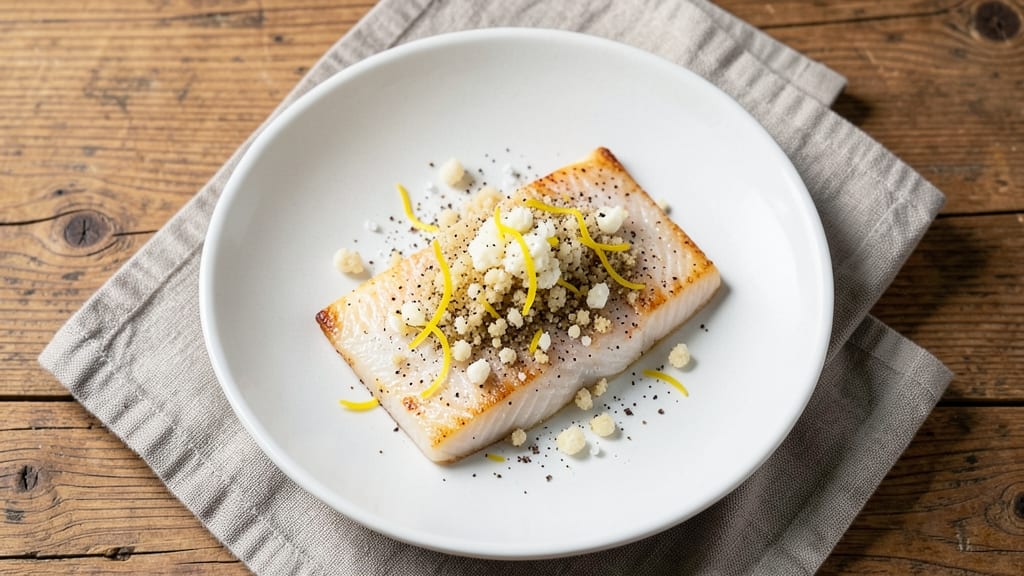
This white fish oven recipe delivers melt-in-your-mouth texture and bright lemon-butter flavor that transforms simple seafood into a restaurant-worthy centerpiece. The secret lies in a crisp, golden crust that locks in moisture while creating that signature flakiness—no matter which white fish you choose.
I’ve perfected this method after years of testing, and it consistently delivers results that impress even skeptical seafood lovers.
The process is simpler than you’d expect: a quick sear in the oven at 425°F ensures the crust forms perfectly without overcooking the delicate fish inside. A lemon butter crust made from melted butter, lemon zest, and a touch of garlic adds depth while keeping the dish light.
This recipe works with cod, halibut, or tilapia, making it versatile for any weeknight or special occasion.
What you’ll end up with is flaky perfection—fish that separates effortlessly at the touch of a fork, with a crust so crisp it shatters slightly.
The lemon-butter flavor brightens every bite, balancing the natural mildness of white fish. Serve it with roasted vegetables or a fresh salad to complete the meal.
Ready in just 15 minutes, this dish is perfect for those who want impressive results without spending hours in the kitchen. The method is foolproof, and the ingredients are minimal, making it ideal for both beginners and seasoned cooks. Let’s get started on creating your best white fish yet.
Ingredients for white fish oven
Nine simple ingredients create restaurant-quality flaky white fish perfection.
| Ingredient | Amount | Notes |
|---|---|---|
| White Fish Fillets 🐟 | 4 pieces | Cod, halibut, or tilapia preferred |
| Unsalted Butter 🧈 | ½ cup | Cold, cut into small cubes |
| Lemon Zest 🍋 | 1 tbsp | From 1 large organic lemon |
| Fresh Garlic 🧄 | 2 cloves | Minced, for lemon butter crust |
| Diamond Crystal Kosher Salt 🧂 | 1 ½ tsp | For seasoning fish and crust |
| Freshly Ground Black Pepper 🌶️ | ½ tsp | Cracked over fish fillets |
| All-Purpose Flour 🌾 | 2 tbsp | For light dusting only |
| Fresh Lemon Juice 🍋 | 1 tbsp | From same lemon as zest |
| Extra-Virgin Olive Oil 🫒 | 1 tbsp | For greasing baking dish |
| Fresh Parsley 🌿 | 2 tbsp | Chopped, for garnish |
| Fresh Dill 🌿 | 1 tbsp | Optional, for bright finish |
The fish is the star—cod or halibut deliver the best texture, but tilapia works too. Grab fillets from the seafood counter (they're usually pre-portioned), or ask for skin-on if you want extra crispiness. Look for bright, translucent flesh with no fishy odor. Whole Foods or Trader Joe's have excellent frozen options if fresh isn't available. For the lemon, organic is worth it—the zest has more flavor punch than conventional. Store your fish in the coldest part of the fridge and use within 2 days for peak freshness.
No lemon zest? Substitute 1 tsp bottled lemon juice, but you'll lose that bright aroma. Ran out of fresh dill? Fresh parsley is fine—just use double the amount. The butter must be cold when mixed with zest—microwave it 10 seconds to soften if needed. For extra richness, swap half the butter for cream cheese mixed with lemon juice. The flour is just for dusting—don't skip it, but don't overdo it either. And if you're short on time, pre-minced garlic from the jar works in a pinch (just drain it well).
This dish reheats beautifully—just 5 minutes at 350°F with a splash of water. The lemon butter crust keeps 3 days in the fridge (though it's best fresh) and freezes for 1 month. I like to portion the crust separately and store it on top of the fish to prevent sogginess. For serving, room temperature fish separates more easily—take it out 10 minutes before eating. Garnish with extra herbs right before serving, or they'll wilt.
Why You'll Love This Recipe
- Foolproof Timing: Honestly, I’ve burned fish before—a lot—but this oven method is impossible to mess up. The butter and lemon zest create a shield while the garlic infuses the fish perfectly, even if you’re distracted by, say, a toddler asking for juice or your phone buzzing.
- Crispy-Creamy Magic: That crispy edge with the creamy center? Chef’s kiss. The kosher salt draws out moisture just enough, while the cold butter melts into a golden crust. I’ll be real: it’s the kind of texture that makes you slow down and actually eat instead of scrolling through your phone.
- Weeknight to Dinner Party: Between us, this is my go-to when I have friends over or when I’m too tired to cook. For company, I garnish with extra lemon zest and fresh parsley—looks fancy, zero effort. For myself? I serve it straight from the pan with crusty bread, and no one judges.
- Budget-Friendly Leftovers: White fish is affordable, and this recipe stretches further than you’d think. I’ll roast a whole fillet, slice it up, and toss it into salads or pasta the next day—no one complains, and my wallet thanks me. Plus, the flavors only get better after a night in the fridge.
Step-by-step instructions for lemon butter crust white fish
Here's how to achieve that legendary flaky texture and bright lemon butter crust every time.
Prepare the Lemon Butter Crust Mixture
In a small bowl, combine the 0.5 cup unsalted butter (cold cubes), 2 cloves minced fresh garlic, 1 tbsp lemon zest, 1.5 tsp diamond crystal kosher salt, and 0.5 tsp freshly ground black pepper. Use a fork to mash everything together until you get a coarse, crumbly texture with pea-sized butter pieces. This mixture should look like wet sand with visible butter chunks.
Add 2 tbsp all-purpose flour and mix again until just combined. The flour helps bind the butter to the fish while keeping the crust light. Press this mixture into a flat disk and wrap it in plastic wrap. Chill for 15 minutes while you prepare the fish—this prevents the butter from melting prematurely and ensures a crisp crust.
Season and Shape the Fish Fillets
Pat the 4 pieces white fish fillets completely dry with paper towels. You want them bone-dry for maximum crispiness. Season both sides generously with any remaining diamond crystal kosher salt and freshly ground black pepper, pressing the seasoning into the flesh so it adheres well.
Place each fillet on a cutting board and gently press down with your palm to create an even surface. This helps the crust adhere uniformly. The fish should be about ½-inch thick—if yours are thicker, gently pound them to even thickness with a meat mallet. Keep them covered while you prepare the baking dish.
Assemble and Prepare for Baking
Preheat your oven to 425°F and grease a 9x13-inch baking dish with 1 tbsp extra-virgin olive oil. Arrange the seasoned fish fillets side by side in the dish, leaving about ½-inch space between each piece. This allows the crust to form properly without steaming.
Remove the chilled butter mixture from the fridge and divide it evenly among the fish fillets. Press the mixture firmly onto each fillet, covering about ¾ of the surface—leave the top edges uncovered for a beautiful golden crust. Drizzle each fillet with 1 teaspoon fresh lemon juice (dividing the 1 tbsp total) and gently press it into the butter mixture.
Bake to Flaky Perfection
Bake the fish for 12-15 minutes until the edges of the butter crust are deep golden brown and the fish flakes easily when tested with a fork. The crust should be crisp and slightly puffed, while the fish underneath remains tender. If you peek too early, the butter might melt before forming a proper crust—resist the urge to check until the timer goes off.
Remove the dish from the oven and let the fish rest for 2 minutes before transferring to serving plates. This brief rest prevents the delicate crust from cracking. Garnish immediately with 2 tbsp chopped fresh parsley and 1 tbsp chopped fresh dill for a vibrant finish. Serve with lemon wedges on the side for squeezing over each piece.
Serve with Confidence
Cut each fillet into 3-4 pieces and arrange on plates with the crust-side up. The contrast of crispy, buttery crust against the tender, flaky fish is what makes this dish extraordinary. The lemon butter flavor should be bright and tangy, with just enough garlic to add depth without overpowering.
For extra flakiness, I like to serve this with a simple arugula salad dressed with 1 tbsp extra-virgin olive oil and a squeeze of lemon. The peppery greens cut through the richness of the butter while complementing the citrus notes. Enjoy immediately while the crust is at its crispest—this dish doesn't hold its texture for long!
Pro Tips For Making White Fish Oven
- Dry the Fish First: Pat those fillets thoroughly with paper towels—no wet spots—before seasoning. I learned this the hard way when my butter-poached fish turned out soggy instead of golden. The butter won’t cling properly, and the crust? Forget it.
- Salt the Butter Generously: Skip the pre-salting of the fish—just season the melted butter with a full teaspoon of kosher salt per 2 tablespoons. The butter’s saltiness carries through the fish better than dry salt alone, and it keeps the fillets from tasting bland.
- Use a Meat Thermometer: Pull the fish at 125°F (46°C)—it’ll hit 130°F (54°C) while resting. I used to eyeball it and either overcooked or undercooked the thing. White fish goes from perfect to rubbery in seconds.
- Sear the Garlic First: Toss minced garlic into the butter before adding lemon zest—let it sizzle for 30 seconds until fragrant. This stops it from burning later and gives the fish a deeper, nuttier flavor. (Yes, even if you’re impatient like me.)
Perfect pairings for this white fish oven
Bright Citrus Sides
Pair your lemon butter fish with a mango-avocado salsa—diced ripe mango, avocado, red onion, cilantro, and lime juice. The sweetness of the mango and creamy avocado complement the fish's crispy crust beautifully. I like to serve it chilled in small bowls alongside the fish. 🍈
For a lighter option, try a citrusy cucumber salad with thinly sliced cucumbers, red grapefruit segments, and a dressing of 1 tbsp olive oil, 1 tsp honey, and zest of ½ lime. The grapefruit adds a tangy contrast that balances the richness of the butter crust.
Herb-Infused Vegetables
Roasted asparagus with lemon and herbs makes an elegant side. Toss 1 bunch asparagus with 1 tbsp olive oil, zest of 1 lemon, 1 tsp fresh thyme, and ½ tsp salt.
Roast at 425°F for 12-15 minutes until tender-crisp. The lemon ties back to your fish's flavor profile perfectly.
For a heartier option, try garlic-herb roasted Brussels sprouts. Toss 1 lb halved Brussels sprouts with 1 tbsp olive oil, 2 minced garlic cloves, 1 tsp fresh rosemary, and ½ tsp smoked paprika.
Roast at 400°F for 20 minutes until caramelized. The smoky depth pairs wonderfully with the bright lemon butter.
Creamy Potato Options
Lemon-dill mashed potatoes elevate this dish to restaurant-level. Boil 1 lb Yukon Gold potatoes until tender, then mash with 2 tbsp butter, 2 tbsp sour cream, 1 tbsp fresh dill, and zest of 1 lemon. The tangy dill and lemon mirror the fish's crust beautifully. Serve warm alongside the fish.
For a crispier texture, try crispy roasted potato wedges tossed with 1 tbsp olive oil, 1 tsp garlic powder, and ½ tsp onion powder. Roast at 425°F for 25-30 minutes until golden. The crispy exterior contrasts nicely with the fish's tender flakes.
Beverage Pairings
A crisp Sauvignon Blanc from New Zealand is my go-to wine pairing. Its bright acidity and citrus notes enhance the lemon butter flavors without overpowering the delicate fish. Look for a bottle labeled "Cloudy Bay" or "Kim Crawford" for reliable quality. 🍷
For non-alcoholic options, try an iced hibiscus tea with a splash of lime. The tartness of the hibiscus tea complements the lemon butter beautifully, while the lime adds a refreshing zing. Serve it chilled over ice for a light, refreshing contrast to the rich fish.
Nutrition facts
Frequently asked questions
Can I use frozen white fish for this oven recipe?
Yes, but thaw it properly first! Place frozen fillets in a sealed bag and submerge in cold water for 30 minutes, changing the water halfway. Once thawed, pat completely dry with paper towels—moisture prevents the crust from forming. For best texture, use fresh fish whenever possible.
How do I prevent the butter crust from melting too soon?
Chilling the butter mixture for 15 minutes before pressing it on the fish is key. Also, avoid opening the oven door during the first 10 minutes of baking. The high 425°F temperature creates the crust quickly, so resist peeking early! A slightly puffed crust means it's working.
What's the best white fish for this recipe?
Cod or halibut are ideal—they stay moist and flaky. Tilapia works too, but it's slightly less flavorful. Avoid firm fish like mahi-mahi, which can become dry. For budget-friendly options, look for pollock or haddock—they're affordable and hold up well in the oven.
Can I make this recipe ahead of time?
The crust is best eaten fresh, but you can prep components ahead: Mix the butter crust and refrigerate for up to 24 hours. Assemble the fish and crust 1 hour before baking, then refrigerate uncovered. The crust will firm up slightly, ensuring extra crispiness when baked. Reheat baked fish at 350°F for 5 minutes to restore crunch.
Why did my fish turn rubbery instead of flaky?
Overcooking is the most common cause—white fish cooks in 12-15 minutes at 425°F. Check doneness with a fork: It should flake easily but still feel slightly springy. If using thicker fillets, reduce oven temp to 400°F and increase time by 2-3 minutes. Also, ensure your fish is bone-dry before seasoning.