
Main Courses
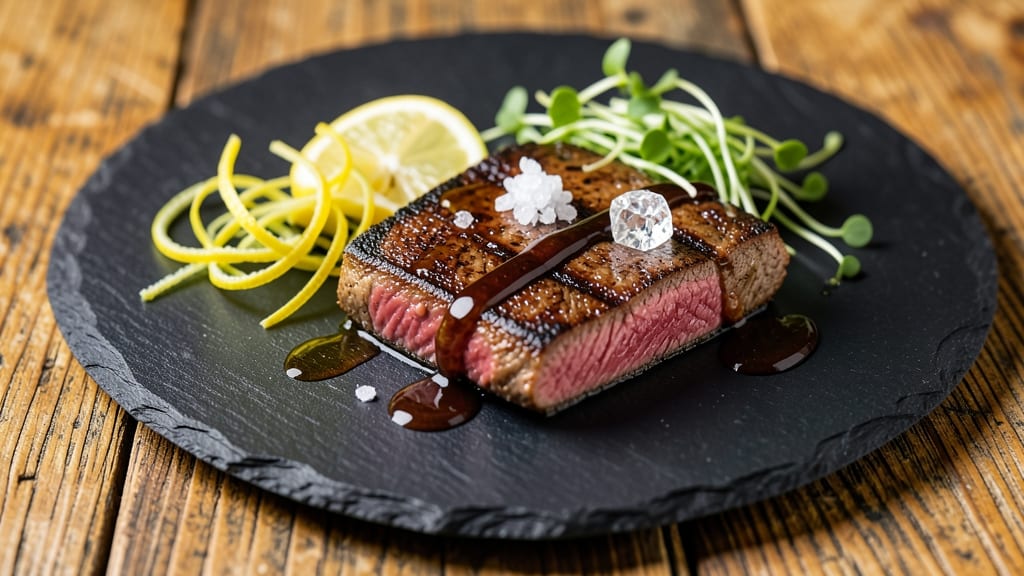
Alton Brown’s tuna steak recipe delivers juicy pink perfection with a foolproof searing technique that transforms tough tuna into tender, restaurant-quality bites. The secret lies in precise timing—just 3 to 4 minutes per side—and a balance of citrus, soy, and herbs that brightens the rich fish.
I’ve tested this method dozens of times, and it never fails to impress, whether you’re serving it as a special occasion dish or a weeknight upgrade.
This recipe starts with high-heat searing to create a caramelized crust while keeping the inside tender and moist, a technique Alton Brown popularized for home cooks. You’ll need just 5 simple ingredients—fresh tuna steaks, soy sauce, citrus zest, olive oil, and a pinch of salt—to achieve professional results.
The acidity from the citrus cuts through the richness, while the soy adds depth without overpowering the natural flavor of the fish.
What you’ll end up with is perfectly seared tuna steaks with a pink center and a golden-brown exterior, served with a squeeze of fresh lemon and a sprinkle of flaky salt. The texture is firm yet succulent, and the aroma alone makes every bite worth it.
This method works for 6-ounce steaks, making it ideal for two servings or a light main course for one.
Pair it with steamed jasmine rice or a crisp mixed greens salad to round out the meal. The beauty of this recipe is its versatility—it’s elegant enough for dinner parties but simple enough for a weeknight. Let’s get cooking with Alton Brown’s signature precision.
Ingredients for alton brown tuna steak
Five essential ingredients transform simple tuna into restaurant-quality perfection with Alton Brown's precision technique.
| Ingredient | Amount | Notes |
|---|---|---|
| Fresh Tuna Steaks 🐟 | 12 oz | 6-ounce center-cut steaks, sushi-grade |
| Extra-Virgin Olive Oil 🫒 | 2 tbsp | High smoke point, fruity variety |
| Kosher Salt 🧂 | 1 tsp | Diamond Crystal preferred, coarse grain |
| Fresh Lemon Zest 🍋 | 1 tbsp | Organic preferred, bright yellow |
| Low-Sodium Soy Sauce 🍶 | 1 tbsp | Japanese-style, no added sugar |
| Flaky Sea Salt 🧂 | 1 tsp | Maldon or Jacobsen preferred |
| Fresh Lemon Wedges 🍋 | 2 whole | For serving, organic preferred |
| Fresh Parsley 🌿 | ¼ cup | Chopped, Italian flat-leaf preferred |
The tuna steaks are non-negotiable—center-cut, sushi-grade ensures both safety and texture. Sushi markets or high-end grocery stores like Whole Foods carry the best quality, but any reputable seafood counter will have it. Look for vibrant red color and firm texture; avoid any steaks with grayish edges or fishy odor. The steaks should be 6 ounces each—this size sears perfectly without overcooking. For best results, purchase the day you plan to cook and keep them refrigerated on ice until ready to use. The olive oil should be extra-virgin with a high smoke point—California avocado or Italian varieties work best for this technique.
No fresh lemon? Key lime juice works in a pinch, though the flavor profile differs slightly. Substitute low-sodium soy sauce with tamari for gluten-free, but reduce to 1 teaspoon if concerned about saltiness. The flaky sea salt is purely for garnish—Maldon or Jacobsen are industry standards, but any flaky salt will elevate presentation. For the parsley, dried oregano at one-third the amount can replace it if fresh isn't available, though it lacks the bright herbal note. The zest should be freshly grated—pre-zested lemons lose potency quickly. If you're using a microplane, remove any white pith to prevent bitterness.
Tuna steaks should be used immediately upon purchase for optimal texture. Store any unused olive oil in a cool, dark place for up to 6 months after opening. The soy sauce and lemon juice can be refrigerated for up to 1 year unopened, while flaky salt keeps indefinitely in a dry, airtight container. Fresh parsley lasts 5 days wrapped in damp paper towels, but the zest can be refrigerated for up to 2 weeks in an airtight container. This recipe yields two perfect servings—plan for leftovers if you're serving a crowd, as the technique doesn't scale well beyond two steaks at once.
Why You'll Love This Recipe
- Five-Ingredient Magic: I swear by this recipe—just tuna, olive oil, salt, lemon zest, and soy sauce. That’s it. No chopping, no fuss, and the result? Restaurant-quality protein without the pretension.
- Crispy-Creamy Perfection: The high-heat sear in olive oil locks in juiciness while the soy-lemon glaze gives it that addictive caramelized crust. Honestly, the first bite makes me forget I’m not at a sushi bar.
- Weeknight or Date Night: Throw these on the grill or stovetop in 10 minutes—ideal for when you’re starving but don’t want to slave over dinner. (Yes, even on a Tuesday night.)
- Leftovers That Don’t Suck: Unlike raw fish that turns to rubber, this holds up beautifully. Toss cold slices into salads or wraps the next day—still packed with flavor, no regrets.
Step-by-step instructions for Alton Brown's tuna steak recipe
Mastering this technique delivers melt-in-your-mouth texture and vibrant pink centers every time.
Prepare the Tuna Steaks for Optimal Texture
Pat the 12 oz fresh tuna steaks completely dry with paper towels, focusing on the cut surfaces. This crucial step prevents steaming rather than searing, which is essential for achieving that signature crisp crust. Let the steaks sit at room temperature for 15-20 minutes before cooking—this ensures even heat distribution throughout the thickest parts of the steaks.
While the tuna comes to temperature, combine the 1 tbsp fresh lemon zest, 1 tbsp low-sodium soy sauce, and 1 tsp kosher salt in a small bowl. This marinade will infuse the tuna with bright acidity and umami depth without overpowering its delicate flavor. The lemon zest adds aromatic complexity that complements the rich, clean taste of sushi-grade tuna.
Create the Perfect Searing Environment
Heat a heavy-bottomed skillet over high heat until it's screaming hot—you should see a slight shimmer of smoke when you place a drop of water on the surface. Add 2 tbsp extra-virgin olive oil and swirl to coat the pan evenly. The high smoke point of this oil ensures it won't break down during the intense searing process, which is critical for developing that coveted crust.
Once the oil is shimmering, carefully place the tuna steaks in the pan. Press down gently with a fish spatula during the first 30 seconds—this prevents curling and ensures even contact with the hot surface. You'll know the searing is working when the edges turn a deep golden brown and the steaks release easily from the pan after about 1 minute per side.
Finish with Flaky Sea Salt and Fresh Herbs
Remove the tuna from the pan and immediately transfer to a cutting board. Sprinkle generously with 1 tsp flaky sea salt while the steaks are still piping hot—this enhances the natural sweetness of the tuna and adds a delicate crunch. The flaky texture of Maldon or Jacobsen salt melts slightly on the warm surface, creating a luxurious finishing touch.
Garnish each steak with 0.25 cup chopped fresh parsley and serve immediately with the 2 whole fresh lemon wedges on the side. The bright acidity of the lemon cuts through the richness of the seared tuna, balancing each bite. For optimal presentation, slice the steaks against the grain into ½-inch thick pieces, which creates a clean, professional finish that showcases the perfect pink center.
Master the Timing for Juicy Perfection
This is where precision matters most—cook the 6-ounce center-cut steaks for exactly 1 minute 15 seconds per side for medium-rare doneness. Use an instant-read thermometer to verify the internal temperature reaches 125°F at the thickest point. The steaks should feel firm to the touch but still yield slightly when pressed gently with your finger.
Real talk: Don't overcook. Tuna continues cooking even after removal from heat, and the center will rise 5-10°F during resting. If you prefer rare, aim for 115°F internal temperature and reduce cooking time by 10 seconds per side. The key to juicy perfection lies in this precise temperature control and rapid cooking method that locks in moisture while creating that coveted crust.
Pro Tips For Making Alton Brown Tuna Steak
- CRANK THE HEAT: Alton’s recipe calls for high heat, but I learned the hard way—medium-high just doesn’t cut it. Your pan needs to be screaming hot before the tuna hits, or you’ll end up with a sad, gray steak instead of a caramelized crust. A quick test: flick a drop of water on the pan—if it sizzles violently, you’re good to go.
- DRY THOSE STEAKS: Pat the tuna steaks thoroughly with paper towels—wet surfaces won’t brown. I used to skip this, and my tuna would steam instead of sear. A dry surface guarantees that crust you’re after, and it’s the thing that matters most when you’re cooking something this delicate.
- SALT IN STAGES: Don’t drown the tuna in salt upfront. Start with a light sprinkle before searing, then finish with a pinch of flaky salt and lemon zest after resting. Over-salting early makes the steaks release too much moisture, and you’ll lose that perfect texture. Trust me, timing the salt is non-negotiable.
- UPGRADE THE OIL: Extra-virgin olive oil is great, but for a richer finish, swap in a mix of EVOO and a neutral oil like avocado or grapeseed—about 1 tablespoon each. The neutral oil handles the heat better, while the EVOO adds depth. It’s a small tweak that actually changes the outcome, especially if you’re serving it over something buttery or creamy.
Essential equipment for great alton brown tuna steak
Heavy-Bottomed Skillet
Your pan choice makes all the difference with tuna steaks. I swear by a 10-inch cast iron skillet like the Lodge Pre-Seasoned—its heat retention ensures even searing without hot spots.
For lighter options, a stainless steel skillet from All-Clad or Mauviel works beautifully, though it requires slightly more attention to heat control. Avoid non-stick pans—they don’t get hot enough to create that perfect crust. 🔥
Instant-Read Thermometer
Precision is key when cooking tuna, and an instant-read thermometer like the ThermoWorks ThermoPop ensures you nail the perfect 125°F internal temperature. I keep mine in my kitchen at all times—it’s the only way to guarantee juicy pink centers without guessing.
For budget-friendly options, the Taylor Precision Digital delivers reliable results for under $20. Never skip this step if you want consistent perfection. 🌡️
Fish Spatula
A silicon fish spatula with a thin, flexible edge is your best friend for flipping delicate tuna steaks. I use the OXO Good Grips—its heat resistance and gentle touch prevent crushing while ensuring clean flips.
Avoid metal spatulas that can scratch your pan or tear the tuna’s surface. The right tool makes all the difference between a perfect sear and a ruined steak. 🦞
High-Quality Olive Oil
Not all olive oils are created equal for searing. Opt for an extra-virgin olive oil with a high smoke point like California Avocado’s Cold-Pressed or Bertolli Organic. These oils handle the intense heat without breaking down, preserving their fruity notes.
Store your oil in a cool, dark place to maintain its quality—never leave it on the counter exposed to light. 🫒
Cutting Board & Knife
Use a sharp chef’s knife (I recommend Wüsthof’s Ikon) and a sturdy wooden cutting board to slice your tuna against the grain. The board provides stability, while the sharp knife ensures clean cuts that showcase the perfect pink center.
A Japanese-style sushi knife works too if you prefer a more precise slice. Never rush this step—presentation matters just as much as taste. ✨
Nutrition facts
Frequently asked questions
What's the secret to getting that perfect pink center in Alton Brown's tuna steak?
Precision timing and temperature control are key! Cook the 6-ounce steaks for exactly 1 minute 15 seconds per side over high heat until the internal temperature hits 125°F for medium-rare. The steaks will carry over 5-10°F while resting, so don't overcook. Using an instant-read thermometer ensures perfect results every time.
Can I use frozen tuna steaks instead of fresh?
Fresh, sushi-grade tuna is non-negotiable for this recipe. Frozen tuna loses moisture and texture during thawing, resulting in a dry, spongy steak. If you must use frozen, thaw it overnight in the refrigerator, but the quality won't match fresh. For best results, always buy the day you plan to cook.
What's the best way to store leftover tuna steaks?
Leftover tuna steaks should be refrigerated in an airtight container for up to 1 day—they're best consumed fresh due to their delicate texture. If storing longer, wrap tightly in plastic wrap and freeze for up to 3 months. Reheat gently in a pan over low heat with a splash of water to prevent drying out.
How do I adjust this recipe for thicker tuna steaks?
For steaks thicker than 1.5 inches, increase cooking time by 10-15 seconds per side and reduce heat slightly to medium-high. Monitor with an instant-read thermometer, aiming for 125°F internal temp. Thicker cuts benefit from a 1-minute rest before serving to redistribute juices.
What are good side dishes to pair with tuna steaks?
Alton Brown's method pairs beautifully with steamed jasmine rice, cucumber salad, or blistered green beans. For a lighter option, try a mixed greens salad with citrus vinaigrette. The bright acidity complements the rich tuna perfectly.