
Sauces & Condiments
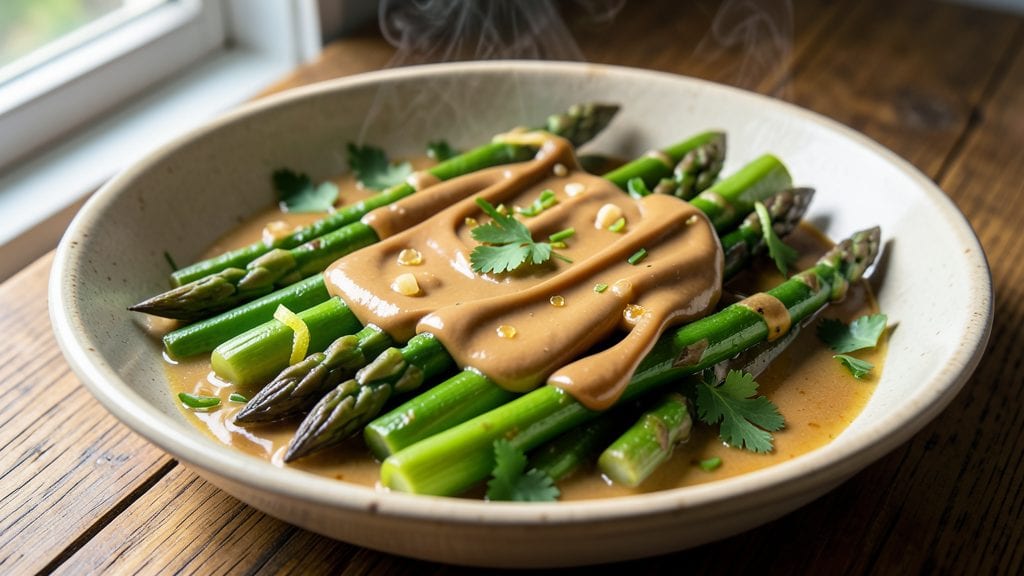
This herb-infused asparagus butter transforms simple roasted greens into a gourmet experience with just a few ingredients and minimal effort.
The secret lies in blending tender asparagus with rich butter, garlic, and fresh herbs until it reaches that perfect spreadable consistency—creamy yet vibrant, with a burst of springtime flavor in every bite.
I first discovered this technique while looking for ways to elevate my asparagus harvest, and it quickly became a staple in my kitchen for adding depth to everything from toast to grilled fish.
The recipe relies on simple ingredients you likely already have: fresh asparagus, unsalted butter, garlic, lemon zest, and a mix of fresh herbs like parsley and chives. Roasting the asparagus first concentrates its natural sweetness, while blending it with softened butter creates a velvety texture that’s both rich and light.
The result is a versatile condiment that can be spread thickly on crusty bread, drizzled over roasted vegetables, or used as a finishing touch for seafood dishes.
What makes this asparagus butter truly special is its ability to elevate ordinary meals with minimal effort. The process takes less than 20 minutes, and the flavors develop even more as it sits, making it perfect for meal prep.
Once you try this, you’ll never settle for plain butter again—it’s a game-changer for anyone who loves bright, herbaceous flavors with a touch of elegance. Store it in the fridge for up to a week or freeze for longer shelf life.
Pair it with grilled asparagus, crusty baguettes, or even steak for a sophisticated twist. The possibilities are endless, and the best part? Every bite tastes like a restaurant-worthy meal made with love in your own kitchen. Let’s get started on creating this flavorful spread.
Ingredients for asparagus butter
Eight simple ingredients for a gourmet spread that turns ordinary meals into restaurant-worthy experiences.
| Ingredient | Amount | Notes |
|---|---|---|
| Fresh Asparagus 🥬 | 1 lb | Trimmed, tough ends removed |
| Unsalted Butter 🧈 | 1 cup | Cold, cut into chunks |
| Garlic Cloves 🧄 | 4 cloves | Peeled, roughly chopped |
| Fresh Parsley Leaves 🌿 | ½ cup | Packed, stems removed |
| Fresh Chives 🌱 | 2 tbsp | Finely chopped, packed |
| Lemon Zest 🍋 | 1 tbsp | From 1 organic lemon |
| Sea Salt 🧂 | ½ tsp | Fine grain preferred |
| Freshly Ground Black Pepper 🌶️ | ¼ tsp | Freshly cracked |
The asparagus is the star here—look for bright green, firm stalks with tightly closed tips. Whole Foods or local farmers markets usually have the freshest, but any grocery store asparagus works if it's crisp. The butter should be cold and unsalted—this isn't the time for salted or European-style butter with additives. I always buy Plugrá or Land O'Lakes unsalted for consistency. Fresh herbs make all the difference: parsley adds brightness, while chives bring a delicate oniony note. If you're using dried herbs, use half the amount, but honestly, fresh is worth the extra minute to chop.
No fresh parsley? Fresh cilantro or basil works in a pinch (though flavor will differ). Running short on chives? Substitute extra parsley or green onion—just taste as you go. The lemon zest can be zested ahead (it keeps well in the freezer), but organic lemons are a must—conventional ones often have wax. Want extra richness? Add 1 tbsp of heavy cream to the blend. The garlic can be roasted first (wrap whole cloves in foil, roast at 400°F for 10 minutes) for a sweeter flavor—game-changer. And if you're worried about overpowering flavors, start with half the herbs and adjust to taste.
This butter keeps beautifully—up to 1 week in the fridge if stored in an airtight container with a thin layer of olive oil on top (prevents browning). For longer storage, freeze in 2-tbsp portions—thaw at room temp for 10 minutes before using. The flavor actually improves after sitting overnight, so make a double batch if you're planning to use it over several meals. Spread it on warm toast, dollop over roasted potatoes, or use as a finishing touch for grilled fish. Trust me, you'll never go back to plain butter.
Why You'll Love This Recipe
- Five-Ingredient Magic: I swear, this is the kind of recipe where you measure while the water boils—no chopping, no fuss. Trim the asparagus ends, melt the butter, and let the garlic and herbs do the rest. It’s the kind of dish that makes me feel like I actually cooked something.
- Butter So Rich: That first bite? Pure indulgence. The asparagus caramelizes just enough to cling to the butter, while the garlic and fresh herbs cut through the richness. It’s like a hug for your taste buds—creamy, garlicky, and bright all at once.
- Game for Any Meal: Slather it on grilled steak, spoon it over roasted potatoes, or even drizzle it on crusty bread. Honestly, I’ve used it as a last-minute sauce for chicken, and it’s still the star. It’s my secret weapon for when I need flavor in a hurry.
- Leftovers That Don’t Suck: Unlike most sauces that turn gloopy or sad in the fridge, this butter stays luscious for days. Store it in a jar, and it’s ready to jazz up whatever you’re craving—no reheating, no weird textures. My go-to for lazy weeknights when I’m too tired to cook.
Step-by-step instructions for herb-infused asparagus butter
This vibrant spread transforms simple asparagus into a luxurious, flavor-packed butter that elevates every bite.
Blanch the Asparagus for Perfect Texture
Fill a large pot with 3 quarts of water and bring to a rolling boil. Trim the 1 lb of fresh asparagus by snapping off the tough ends, then add them to the boiling water. Blanch for exactly 2 minutes—they should turn bright green and remain crisp-tender, not mushy. Immediately drain and plunge into an ice bath to stop the cooking process and lock in color.
Drain again and pat the asparagus thoroughly dry with paper towels. This step is crucial—any moisture will make your butter watery. Once dry, cut the asparagus into ½-inch pieces and set aside. You're transforming these humble spears into the star of your spread, and every detail matters for that perfect texture.
Melt the Butter and Infuse with Aromatics
In a medium saucepan, combine the 1 cup of cold, cubed unsalted butter with the 4 peeled, roughly chopped garlic cloves. Melt over medium-low heat, stirring occasionally, until the butter becomes completely liquid and the garlic is just beginning to turn golden—about 3-4 minutes. Remove from heat immediately to prevent burning.
Here's the thing—you want the garlic to perfume the butter without browning. If it starts to smell nutty or bitter, you've gone too far. Strain the melted butter through a fine-mesh sieve into a heatproof bowl, pressing down with a rubber spatula to extract every last bit of flavor. Discard the garlic solids. This step ensures silky smooth butter with no texture surprises.
Combine and Simmer the Herb Mixture
Return the strained butter to the saucepan and reduce heat to low. Add the ½ cup of packed fresh parsley leaves, 2 tbsp of finely chopped fresh chives, 1 tbsp of lemon zest, ½ tsp of sea salt, and ¼ tsp of freshly ground black pepper. Stir gently to combine, then add the blanched asparagus pieces.
Let the mixture simmer for exactly 5 minutes, stirring occasionally. You'll see the asparagus soften slightly and release its vibrant green color into the butter. The lemon zest will brighten everything, while the herbs infuse their freshness. The butter should take on a beautiful emerald hue—this is your visual cue that the flavors are melding perfectly.
Process Until Silky Smooth
Transfer the mixture to a blender or food processor. Blend on high speed for 1-2 minutes until completely smooth. The texture should be velvety with no visible asparagus pieces—this takes patience, but it's worth it for that restaurant-quality finish. If the mixture seems too thick, add 1 tsp of warm water at a time until you reach a spreadable consistency.
Taste and adjust seasoning if needed. I usually add a pinch more salt and a crack of black pepper to taste. The butter should be vibrant, herby, and bright with lemon notes. Transfer to a clean jar or airtight container and refrigerate for at least 2 hours to firm up before serving. This chilling time allows all the flavors to fully develop and meld together.
Serve Warm or Cold with Confidence
When ready to use, let the butter sit at room temperature for 10-15 minutes until soft enough to spread. This herb-infused asparagus butter makes an incredible accompaniment to roasted meats, grilled vegetables, or even as a luxurious spread on warm crusty bread. The vibrant green color and complex flavors will impress anyone who tries it.
For extra flair, drizzle a little over grilled salmon or steak just before serving. The butter will melt beautifully, creating a glossy finish that ties all the flavors together. Store any leftovers in the refrigerator for up to 5 days, or freeze for up to 3 months. The flavors only get better with time!
Pro Tips For Making Asparagus Butter
- Trim Asparagus Snaps: Break the tough ends cleanly by bending each spear until it snaps—no knife required. I used to wrestle with scissors, but this method is faster and leaves no jagged edges to ruin your butter’s texture.
- Sauté Garlic Low: Cook the minced garlic over low heat until just golden, or it’ll burn and taste bitter. After doing this wrong twice, I learned: patience here means no need to mask the flavor with extra butter later.
- Pulse Herbs Lightly: Pulse parsley and chives in the food processor just until chopped—not puréed. Over-blending turns the butter into pesto, and you’ll lose that fresh, bright texture you’re after.
- Chill Before Serving: Spread the butter on a plate and refrigerate for 15 minutes before serving. Warm butter pools awkwardly; cold butter clings to bread or steak like it’s supposed to. (Yes, even if you’re impatient like me.)
Common mistakes when making this dish
Overcooking Asparagus
Blanching asparagus for more than 2 minutes turns it mushy, which will make your butter watery and lose that vibrant green color. I’ve made this mistake—once I ended up with a sad, gray-green butter that tasted bland.
Stick to the 2-minute mark and immediately shock it in ice water to lock in freshness. 🥬
Skipping the Straining Step
Leaving garlic solids in your butter gives it a gritty texture that ruins the silky finish. I learned this the hard way when I rushed and ended up with a buttery paste that needed extra blending to smooth out.
Always strain through a fine-mesh sieve—it’s worth the extra 30 seconds for that restaurant-quality texture.
Using Warm Butter
Starting with warm or melted butter instead of cold cubes means your final spread will be too soft to hold its shape. Cold butter is key—it emulsifies better with the asparagus and herbs, creating that perfect spreadable consistency.
I now keep my butter in the freezer for 15 minutes before cubing to ensure it’s extra cold. ❄️
Underblending the Mixture
If you stop blending before the asparagus is completely smooth, you’ll end up with visible chunks that make the butter look unappetizing. I’ve seen this happen when people rush the 1-2 minute blending time.
Use a high-powered blender or food processor, and pulse until no specks remain—patience here makes all the difference.
Ignoring the Chilling Step
Skipping the 2-hour refrigeration before serving means your butter will be too soft to spread neatly. The flavors also need time to meld—if you eat it immediately, the asparagus taste might seem sharp instead of balanced.
I always make this butter the night before so it’s ready to go the next day. 💡
Over-salting the Butter
Butter already contains salt, and adding too much can make your spread taste flat. I’ve ruined batches by doubling the ½ tsp sea salt—the result was a bland, salty mess.
Taste as you go, and remember: you can always add more salt later, but you can’t take it out. Start conservative and adjust gradually.
Nutrition facts
Frequently asked questions
Can I use frozen asparagus for this butter?
Fresh asparagus is ideal for the brightest flavor and best texture, but you can use frozen in a pinch. Thaw it completely first, then pat it very dry to prevent excess moisture from making your butter watery. The flavor won't be quite as vibrant, but it'll still taste delicious.
How do I adjust this recipe for a vegan version?
Replace the butter with 1 cup of vegan butter or coconut oil, and use 1 tbsp of nutritional yeast for a cheesy, umami depth. The blending process remains the same, but vegan butter may need 1 tsp of warm water to reach a spreadable consistency. The texture will be slightly softer but still rich and flavorful.
What’s the best way to store leftover asparagus butter?
Keep it in an airtight container in the fridge for up to 5 days, or freeze in 2-tbsp portions for up to 3 months. To prevent browning, press plastic wrap directly onto the surface before sealing. Thaw frozen portions at room temperature for 10-15 minutes before using.
Can I make this butter without a blender?
Yes! Use a food processor or immersion blender instead. For a rustic texture, mash the asparagus with a fork and whisk it into softened butter by hand—it won’t be perfectly smooth, but the flavors will still shine. The key is to ensure the asparagus is finely chopped before mixing.
What are the best dishes to pair with this butter?
This versatile spread works beautifully on toasted baguettes, grilled fish, or roasted vegetables. Drizzle it over steak or lamb for a gourmet touch, or use it as a dip for crudité. The bright flavors also complement pasta dishes or seafood risotto. Think of it as a flavorful upgrade to any meal!