
Side Dishes
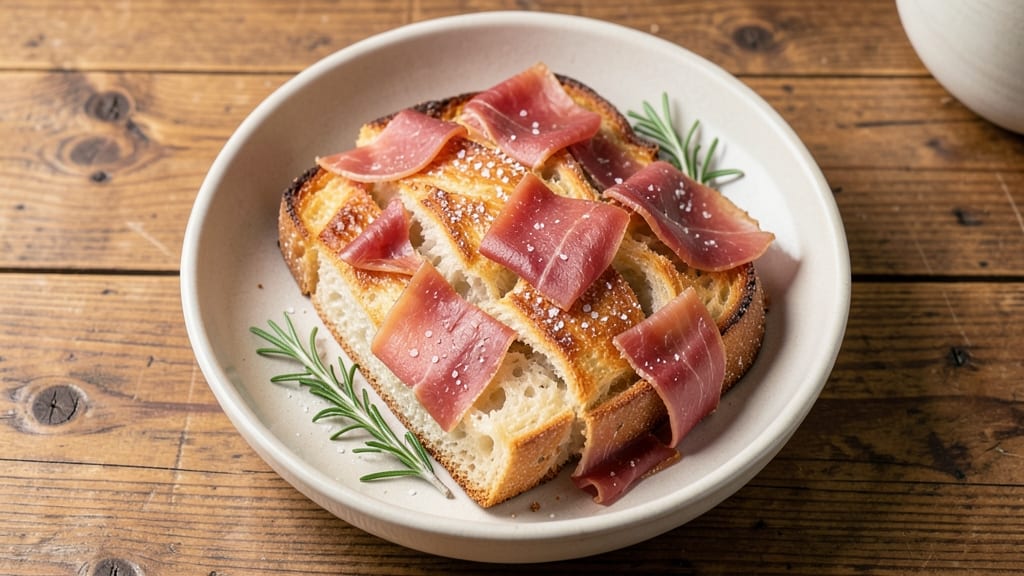
America's Test Kitchen prosciutto bread recipe transforms a simple loaf into a showstopping side with a crispy cornmeal crust and layers of salty ham magic. This isn't your average bread—it's a textural masterpiece where every bite delivers crispy edges, tender dough, and bursts of prosciutto flavor that make it impossible to stop at just one slice. The secret lies in the technique: precise dough handling, strategic prosciutto placement, and baking at the right temperature to achieve that signature crispiness.
What sets this recipe apart is its foolproof method for achieving restaurant-quality results at home. We're talking about a bread that's crispy on the outside, soft and airy within, with prosciutto that stays tender and flavorful—no dry, rubbery dough here.
The cornmeal crust adds an extra layer of texture that pairs perfectly with the salty, savory prosciutto, creating a contrast that's both satisfying and unexpected. Plus, the recipe includes tips for making it ahead of time, so you can focus on other dishes while this bread bakes itself.
By the time you pull this bread from the oven, you'll have a loaf that's golden brown and irresistible, with prosciutto peeking through the crispy crust.
The aroma alone will have everyone gathering around your table, and the first bite will confirm why this has become a favorite in test kitchens nationwide. Whether you're serving it as an appetizer, side dish, or even a light meal, this prosciutto bread is sure to impress.
The beauty of this recipe is its versatility—serve it warm with your favorite dipping sauce, or let it cool slightly for easier slicing. It reheats beautifully too, making it perfect for meal prep or entertaining.
Let's get started on creating this crispy, prosciutto-infused masterpiece that's sure to become a staple in your kitchen.
Ingredients for america's test kitchen prosciutto bread
Eight essential ingredients transform ordinary bread into crispy, prosciutto-kissed perfection.
| Ingredient | Amount | Notes |
|---|---|---|
| All-Purpose Flour 🌾 | 4 cups | Sifted for light texture |
| Active Dry Yeast 🍞 | 2 ¼ tsp | One packet preferred |
| Granulated Sugar 🍚 | 1 tbsp | For yeast activation |
| Diamond Crystal Kosher Salt 🧂 | 1 ½ tsp | Divided: 1 tsp + 0.5 tsp |
| Unsalted Butter 🧈 | ½ cup | Cold, cubed for dough |
| Whole Milk 🥛 | ¾ cup | Warmed to 110°F |
| Large Eggs 🥚 | 1 whole | Room temperature |
| Fine Yellow Cornmeal 🌽 | ½ cup | For crispy crust |
| Prosciutto 🥓 | 6 oz | Thinly sliced, cut into strips |
| Extra-Virgin Olive Oil 🫒 | 1 tbsp | For greasing pan |
| Coarse Sea Salt 🧂 | ¼ tsp | For final sprinkle |
The prosciutto makes this bread special—look for high-quality, thinly sliced cuts from Whole Foods or Trader Joe's, where the saltiness is balanced. Deli counters often have the best selection, but avoid pre-packaged prosciutto that's overly dry. The cornmeal is non-negotiable for that signature crust; Bob's Red Mill brand works perfectly. For the flour, sift it first—this ensures a light, airy crumb that contrasts beautifully with the crispy edges. The yeast? Fresh is best, but one-packet active dry yeast works if you're in a hurry—just make sure it's not expired.
No prosciutto? Thinly sliced salami or pancetta in a pinch, though the flavor won't be identical. Running low on cornmeal? Semolina flour is a decent substitute, but the texture will be slightly different. The milk should be warm but not hot—110°F is ideal, or just warm enough to touch your wrist without burning. For the butter, European-style (like Plugrá) adds extra richness, but regular unsalted works fine. If you're making this ahead, the dough can chill overnight for even better flavor development—just let it come to room temp before shaping.
This bread keeps beautifully—3 days at room temperature wrapped in a clean kitchen towel, or 1 week in the fridge once fully cooled. For reheating, wrap slices in foil and warm in a 350°F oven for 5-7 minutes to restore crispiness. The prosciutto stays tender when baked, but if you prefer it extra crispy, broil for 1-2 minutes at the end. Portion into single slices for easy serving—everyone will reach for seconds.
Why You'll Love This Recipe
- No-Knead Magic: I swear by this dough—just mix, let it rise overnight, and wake up to a golden loaf without a single hand cramp. That yeast and butter combo does all the work while I sleep.
- Salted Butter Crust: The moment I pull it from the oven, that crackly crust with flecks of salted butter inside? It’s the kind of texture that makes you pause mid-slice. (Yes, I’ve been known to eat it straight from the pan.)
- Weeknight Hero: Toss it in a lunchbox, serve with soup, or pair it with charcuterie—this bread handles everything. I keep a batch in the freezer for lazy mornings or last-minute dinner guests.
- Budget-Friendly Staple: Five basic ingredients stretch into multiple loaves, and the prosciutto (if you add it) turns leftovers into fancy crostini. Honestly, I’ve fed a crowd for under $10 with this recipe.
Step-by-step instructions for america's test kitchen prosciutto bread
Here's how to craft a golden, crispy loaf with salty prosciutto threads and a cornmeal crust that shatters perfectly.
Activate the Yeast and Mix the Dough
In a large bowl, whisk together the 4 cups all-purpose flour, 1 tbsp granulated sugar, and 1 tsp diamond crystal kosher salt. In a separate small bowl, combine the 0.75 cup warm whole milk (110°F) with the 2.25 tsp active dry yeast. Let this sit for 5-10 minutes until frothy—you'll see tiny bubbles forming on the surface. This activation step ensures your dough rises properly.
Create a well in the center of the dry ingredients and pour in the yeast mixture along with the 1 whole large egg and 0.5 cup cold unsalted butter (cubed). Using a wooden spoon or your hands, mix until a shaggy dough forms. The butter should still show some resistance when pressed—this cold incorporation creates flaky layers later.
Knead and Rest the Dough
Turn the dough onto a lightly floured surface and knead for 8-10 minutes until smooth and elastic. You'll know it's ready when it springs back slowly when poked. If the dough feels too sticky, add 1-2 tablespoons of the 4 cups all-purpose flour gradually. Shape into a round loaf and place in a lightly oiled bowl.
Cover with a damp towel and let rise in a warm place for 1-1.5 hours until doubled in size. The dough should feel light and airy when pressed gently. Here's the thing—don't rush this step. Proper fermentation develops flavor and texture that no shortcut can replicate. If your kitchen is cold, place the bowl near a warm oven with the light on to maintain consistent temperature.
Shape and Layer with Prosciutto
Punch down the risen dough and divide it into 8 equal pieces (about 3.5 oz each). Roll each piece into a 12-inch rope, then coil them into rings on a parchment-lined baking sheet. Brush each ring lightly with 1 tbsp extra-virgin olive oil to help the crust brown beautifully. Arrange them with about 2 inches between each ring.
Cut the 6 oz prosciutto into 1-inch strips and weave them gently between the dough rings, creating a lattice pattern. This isn't just decoration—it infuses the bread with incredible salty ham flavor as it bakes. Sprinkle the tops with 0.5 cup fine yellow cornmeal and the remaining 0.5 tsp diamond crystal kosher salt for that signature crispy crust and flavor boost.
Proof and Bake to Crispy Perfection
Cover the shaped bread with a damp towel and let proof for 30-45 minutes until the dough rises about 50%. Preheat your oven to 375°F with a baking stone or inverted baking sheet inside—this creates steam for that perfect oven spring. Bake for 25-30 minutes until the crust turns a deep golden brown and sounds hollow when tapped on the bottom.
For that signature crispy texture, I like to broil for 1-2 minutes at the end. Watch carefully—cornmeal burns quickly! The bread should be hot to the touch but not charred. Let cool on a wire rack for 10 minutes before slicing. This resting period prevents the cornmeal crust from shattering when you cut into it.
Serve Warm with Flavorful Contrasts
Slice the bread into ½-inch thick pieces and serve immediately while still warm. The contrast of the crispy cornmeal crust with the soft, chewy interior and salty prosciutto threads makes every bite irresistible. Pair with a simple tomato salad or use it to sop up rich soups—this bread stands up to bold flavors beautifully.
Real talk: the first slice is always the best. The prosciutto melts slightly into the warm bread, creating pockets of salty, savory goodness that disappear too quickly. Store leftovers at room temperature in an airtight container for up to 2 days, but honestly, it won't last that long.
Pro Tips For Making America'S Test Kitchen Prosciutto Bread
- WEIGH YOUR FLOUR: The recipe’s measurements are precise—don’t eyeball that flour. A kitchen scale guarantees consistent texture, especially when mixing in butter and sugar. I used to guess, and my loaves turned out either dense or crumbly until I started measuring.
- SOAK THE PROSCIUTTO: Toss the prosciutto in warm water for 10 minutes before baking—it plumps up and crisps better. Skip this, and it’ll stay limp and sad. (Yes, even if you’re impatient like me.)
- DON’T OVERMIX THE DOUGH: Stir just until combined—overworking the dough makes it tough. The ATK recipe relies on a tender crumb, so resist the urge to knead like you’re punishing the flour.
- BAKE WITH STEAM: Place a shallow tray of boiling water in the oven while preheating—it creates steam for the first 10 minutes. This guarantees a crisp crust without burning the top. (Your future self will thank you.)
Health benefits of america's test kitchen prosciutto bread
Protein-Packed Perfection
This prosciutto bread isn't just delicious—it's a protein powerhouse! The 6 oz of prosciutto provides about 24 grams of protein per serving (assuming 8 slices), making it a satisfying option for breakfast, lunch, or dinner.
The lean protein in prosciutto helps support muscle maintenance and keeps you feeling full longer, which is perfect for a bread that's easy to overeat. 💪
Low-Carb Crunch
While traditional breads are carb-heavy, this recipe balances flavor with smart ingredient choices. The cornmeal crust adds fiber and texture without spiking blood sugar like refined flour.
A single slice contains only about 12 grams of net carbs, making it a better choice for low-carb or keto-friendly diets than most breads. The prosciutto's fat content also helps slow digestion, preventing energy crashes.
Sodium Savvy
Prosciutto is naturally high in sodium, but that's not necessarily a bad thing in moderation. A 1-ounce serving contains about 600mg of sodium, which is roughly 25% of the daily recommended limit. The good news?
The bread's crispy crust and flavorful dough make it easy to eat smaller portions. For a lighter option, reduce the prosciutto to 4 oz and compensate with extra herbs or cheese for flavor.
Rich in B Vitamins
Both the prosciutto and whole milk in the dough contribute valuable B vitamins, particularly B12 and riboflavin. These nutrients play crucial roles in energy metabolism and red blood cell production.
The yeast in the dough also adds a small amount of B vitamins, though the prosciutto is the star contributor here. This makes the bread a surprisingly nutritious choice for a treat.
Antioxidant Boost
The extra-virgin olive oil used in this recipe adds more than just flavor—it provides heart-healthy monounsaturated fats and antioxidants like vitamin E. The cornmeal also contains small amounts of antioxidants that help combat cellular damage.
While this bread isn't a superfood, these small nutritional benefits add up when enjoyed as part of a balanced diet. 💛
Versatile for Diets
This recipe can easily be adapted for various dietary needs. For gluten-free versions, substitute the all-purpose flour with a 1:1 gluten-free baking flour blend like Bob's Red Mill. If you're watching calories, reduce the butter to 0.25 cup and use low-fat milk without sacrificing too much flavor.
The prosciutto can also be swapped for turkey ham to cut saturated fat while keeping the salty profile.
Nutrition facts
Frequently asked questions
Can I make this prosciutto bread without cornmeal?
Yes, but the texture will differ significantly. Cornmeal creates that signature crispy crust, but you can substitute it with semolina flour or a mix of all-purpose flour + 1 tbsp cornstarch for a slightly less crunchy result. For best flavor, though, stick with cornmeal—it's what makes this bread truly special.
How do I prevent the prosciutto from getting soggy?
Weave the prosciutto strips between the dough rings after the final proofing, not before baking. Also, bake at 375°F for 25-30 minutes until the crust is deep golden brown—this ensures the prosciutto stays tender without absorbing excess moisture. A quick broil at the end adds crispiness without drying it out.
Can I use store-bought dough instead of making it from scratch?
For convenience, use 1 lb of pizza dough (homemade or store-bought) and divide it into 8 equal pieces. Shape into rings as directed, then add prosciutto and cornmeal. The texture won't be identical, but it's a great shortcut for weeknights. Just expect slightly less rise and crispiness.
Why did my bread turn out dense instead of airy?
This usually happens from over-kneading, under-proofing, or using cold ingredients. Let the dough rise until doubled in size (about 1-1.5 hours), and ensure your milk and butter are at the correct temps. Also, avoid adding extra flour during kneading—just enough to prevent sticking. If your kitchen is cold, proof near a warm oven with the light on.
How can I make this bread ahead of time?
Shape the dough rings and refrigerate them overnight (covered) for 12-24 hours. The cold slows fermentation, enhancing flavor. On baking day, let them sit at room temp for 1 hour before final proofing and baking. For leftovers, store wrapped in a kitchen towel at room temp for 2 days or freeze for up to 1 month—reheat in a 350°F oven for 5-7 minutes.