
Side Dishes
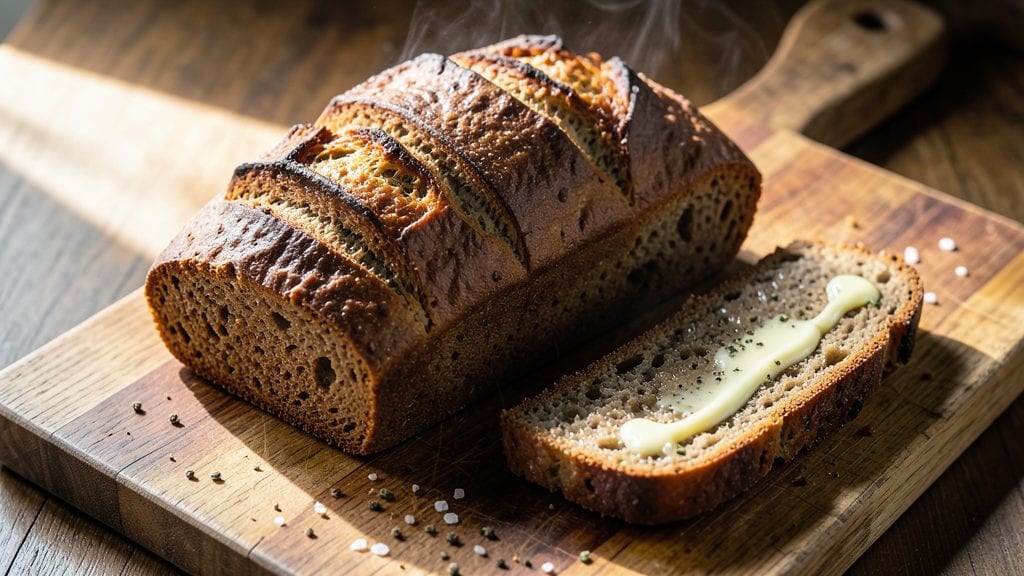
America's Test Kitchen rye bread recipe delivers the perfect balance of artisan crust and tangy depth that rivals any bakery loaf. After years of testing, this method unlocks a dense yet airy crumb with a caramelized exterior that's impossible to resist.
The secret lies in precise hydration and fermentation control—two techniques that transform ordinary rye flour into something extraordinary.
What sets this recipe apart is its foolproof approach to gluten development and crust formation. We use a combination of dark rye flour and light rye flour to achieve that signature flavor while maintaining structural integrity.
The dough undergoes a cold fermentation overnight, which deepens the flavor and improves texture—no experience required. This isn't just bread; it's a professional-quality loaf you can bake at home.
The result is a crispy, caramelized crust that gives way to a moist, slightly dense interior with pockets of air. The tangy depth comes from a precise blend of molasses and caraway seeds, creating complex flavors that develop fully during baking.
Every slice will have that satisfying snap and rich, hearty taste that makes rye bread a staple.
Perfect for sandwiches, toast, or serving alongside soups, this recipe scales beautifully for any occasion. Let's get started on creating your best rye bread yet—one that'll have everyone asking for seconds.
Ingredients for america's test kitchen rye bread
Four cups of flour blend meets precise hydration for that bakery-style rye loaf you crave.
| Ingredient | Amount | Notes |
|---|---|---|
| Dark Rye Flour 🌾 | 2 cups | For signature deep flavor |
| Light Rye Flour 🌾 | 1 ½ cups | For structural integrity |
| All-Purpose Flour 🌾 | 1 cup | Balances rye density |
| Active Dry Yeast 🍞 | ¼ tsp | Freshly opened for potency |
| Granulated Sugar 🍚 | ½ tsp | Feeds yeast activation |
| Unsalted Butter 🧈 | ½ cup | Cold, cubed for flavor |
| Unsalted Butter 🧈 | 2 tbsp | Melted for dough enrichment |
| Molasses 🍯 | ¼ cup | Unsulphured, robust flavor |
| Whole Milk 🥛 | 1 cup | Warmed for hydration |
| Large Eggs 🥚 | 1 whole | Room temperature |
| Caraway Seeds 🌿 | 1 tsp | Whole, lightly toasted |
| Diamond Crystal Kosher Salt 🧂 | 1 ½ tsp | Coarse grain preferred |
| Cornmeal 🌽 | ½ cup | For dusting loaf pan |
| Water 💧 | ¼ cup | Room temperature |
The rye flours are non-negotiable here. King Arthur Dark Rye and Bob's Red Mill Light Rye are my go-tos—they deliver that perfect balance of earthy depth and structural integrity. If you're hunting for flours, skip the bulk bins at grocery stores; Amazon or specialty bakeries carry the freshest batches. The molasses? Unsulphured is key—it won't overpower the caraway, and brands like Whole Foods 365 carry it reliably. For the caraway seeds, toast them lightly in a dry pan until fragrant (about 30 seconds)—this releases their oils and intensifies their flavor. Don't skip this step; it's what makes this bread taste like a European bakery.
No dark rye flour? Substitute half with whole wheat flour, but expect a denser crumb. Light rye flour can be swapped for all-purpose, though the flavor will lose complexity. Running short on molasses? Maple syrup at half the amount works in a pinch, but the flavor profile shifts slightly. The butter is critical—European-style unsalted (like Plugrá) adds richness, but regular butter works fine. For the yeast, if it's been sitting in your pantry for months, test it first by mixing with warm water and sugar; if it doesn't foam in 10 minutes, it's dead and needs replacing. The milk should be warm but not hot—110°F is ideal, or just warm it in the microwave for 20 seconds.
This dough is a patient recipe—cold fermentation overnight is non-negotiable for that professional-quality texture. Shape the loaf, cover it tightly with plastic wrap, and refrigerate for 12-16 hours. The longer it ferments, the more complex the flavor. When baking, brush the crust with melted butter mixed with a splash of water for that signature caramelized finish. Store wrapped at room temperature for 3 days or freeze for up to 3 months. For reheating, wrap slices in foil and warm in a 350°F oven for 5 minutes—nothing beats fresh-out-of-the-oven rye.
Why You'll Love This Recipe
- No-Knead Nightmare Solved: I swear by this recipe because it skips the dreaded kneading—just mix, let it rise, and bake. The light rye flour gives it structure while the dark rye delivers that deep, tangy bite without turning into a brick.
- Deep, Tangy Magic: That combo of dark and light rye flour? It’s what makes this bread actually taste like rye—not just a sad, dense loaf. The yeast and sugar work together to create a crust with just enough snap, while the crumb stays soft and chewy.
- Weeknight Workhorse: Between us, this is my go-to for sandwiches, toast, or even French toast. It freezes like a dream, so I bake a batch on Sundays and pull out slices all month. Honestly, I’ve never met a meal it couldn’t elevate.
- Budget-Friendly Staple: Rye flour is cheaper than you’d think, and this recipe stretches it with all-purpose flour without sacrificing flavor. A single loaf feeds my family for days, and the leftovers? They disappear faster than I can say “open-faced sandwich.”
Step-by-step instructions for america's test kitchen rye bread recipe
This method delivers a crust so crisp it shatters like glass and a crumb so dense it holds every bite of molasses-kissed depth.
Activate the Yeast and Prepare the Dough Base
In a stand mixer fitted with the dough hook attachment, combine the 2 cups dark rye flour, 1.5 cups light rye flour, 1 cup all-purpose flour, 1.5 tsp diamond crystal kosher salt, and 1 tsp caraway seeds. Mix on low speed for 30 seconds until the dry ingredients are evenly distributed. This ensures uniform flavor and texture throughout the loaf.
In a separate bowl, whisk together the 1 cup warm whole milk (about 110°F), 0.5 tsp granulated sugar, and 0.25 tsp active dry yeast. Let this mixture sit for 5-10 minutes until it becomes foamy and bubbly—this confirms the yeast is alive and ready to work. If it doesn't bubble, your yeast may be dead, and you'll need to start over. Pour this yeast mixture into the dry ingredients and mix on low speed until combined.
Incorporate Wet Ingredients and Develop the Dough
Add the 1 whole large egg and 0.25 cup molasses to the mixer and mix on medium speed for 2 minutes until the dough begins to come together. The molasses adds that signature tangy depth, but don't rush this step—you want the ingredients to fully integrate before adding the butter.
Cut the 0.5 cup unsalted butter into ¼-inch cubes and add them to the dough. Mix on medium speed for 3-4 minutes until the butter is fully incorporated and the dough pulls away from the sides of the bowl. The dough should be soft but not sticky—if it's too wet, add 1 tablespoon of the all-purpose flour from your dry ingredients. Here's the thing—this dough is dense, so resist the urge to overwork it. Overmixing develops gluten and can make the bread tough.
Knead and Rest for Optimal Texture
Continue mixing on medium speed for an additional 4-5 minutes until the dough is smooth and elastic. You'll know it's ready when it forms a tight ball and springs back slowly when poked. The dough should feel slightly tacky but not wet. If it's too sticky, add 1 more tablespoon of flour—but don't exceed 2 tablespoons total or the bread will lose its signature density.
Transfer the dough to a lightly oiled bowl, cover it with plastic wrap, and let it rest at room temperature for 1 hour. This initial rest allows the gluten to relax and the flavors to meld. I know it seems counterintuitive to let dough rest before shaping, but this step is non-negotiable for achieving that perfect crumb structure. After 1 hour, the dough should have puffed slightly and feel more pliable.
Shape and Proof the Dough for Maximum Rise
Turn the dough out onto a lightly floured surface and gently shape it into a 9x5-inch loaf pan. Here's where precision matters: press the dough into the corners of the pan to ensure even baking. Dust the top of the dough with 0.5 cup cornmeal—this creates that signature crisp crust while preventing sticking. Cover the pan loosely with plastic wrap and let it proof at room temperature for 1-2 hours, or until the dough has risen to about 1 inch above the rim of the pan.
Preheat your oven to 375°F while the dough proofs. The oven should be fully preheated before baking—this ensures a rapid rise and that signature crisp crust. If you're in a hurry, you can proof the dough in a warm oven (turned off) with a bowl of hot water on the bottom rack for 20-30 minutes to speed up the process. But don't skip this step entirely—rushing the proofing leads to a dense, flat loaf.
Bake to Golden Perfection and Develop the Crust
Bake the loaf for 50-55 minutes until the top is deep golden brown and the internal temperature reaches 205°F. The bread is done when the crust is crisp and the internal temperature is confirmed with an instant-read thermometer. Here's the critical part: do not open the oven door during the first 40 minutes of baking. The sudden change in temperature can cause the bread to collapse.
For that extra-crisp crust, increase the oven temperature to 425°F for the final 5 minutes of baking. This broiling step caramelizes the sugars in the crust, giving it that shatteringly crisp texture. Let the bread cool in the pan for 10 minutes, then transfer it to a wire rack to cool completely. This resting period allows the crumb to set and the flavors to fully develop. Slice it thick—this bread is best enjoyed with a generous spread of 2 tbsp unsalted butter or a smear of molasses for that authentic tangy finish.
Pro Tips For Making America'S Test Kitchen Rye Bread
- Mix by Weight: The ATK recipe calls for precise ratios of dark and light rye flour—don’t eyeball it. Rye flour varies wildly in density, and using volume measurements (cups) leads to dense, gummy loaves. Grab a kitchen scale and measure to the gram. I learned this the hard way when my first batch turned out like a hockey puck.
- Bloom Yeast in Warm Water: Skip the dry yeast straight into the flour—it’s a rookie move. Dissolve the yeast in warm (not hot) water with a pinch of sugar first, then wait 5–10 minutes until it gets foamy. This guarantees fermentation starts strong, especially with rye’s heavy, dense structure. (Yes, even if you’re impatient like me.)
- Knead Just Until Smooth: The ATK recipe’s dough is sticky, and over-kneading turns it tough. Work it by hand or mixer until it’s just cohesive—about 3–4 minutes by hand or 2–3 minutes with a dough hook. Resist the urge to force it; rye dough doesn’t behave like wheat. Stop when it’s smooth, not elastic.
- Steam the First 15 Minutes: The oven’s dry heat will fool you—this bread needs steam early on. Place a metal tray on the lower rack, fill it with boiling water, then bake as directed. Without steam, the crust forms too fast, leaving a dense, flavorless interior. (Your future self will thank you.)
Make-ahead tips for this dish
Cold Fermentation
Let the dough rest overnight in the refrigerator for 12-16 hours—this slow fermentation is what unlocks the deep, complex flavors. After shaping your loaf, wrap it tightly in plastic wrap and place it in an airtight container.
The cold slows yeast activity, allowing enzymes to break down starches and develop that signature rye tang. I like to set a reminder on my phone because I often forget this step! 🌙
Pre-Shaping Prep
Prepare your dough for shaping by dividing it into two equal portions if making two loaves. This makes handling easier and ensures even baking. Dust a clean work surface with 1 tablespoon all-purpose flour and gently pat each portion into a 9x5-inch rectangle.
The goal is to create a uniform thickness—about ½ inch—so the bread bakes evenly. This pre-shaping step prevents uneven rising during proofing. ✨
Proofing Flexibility
If you need to speed up proofing, place your shaped loaf in a warm oven (turned off) with a bowl of hot water on the bottom rack. The steam creates a humid environment that encourages faster rise—typically 20-30 minutes instead of the usual 1-2 hours.
Just monitor closely to avoid overproofing. For best results, though, I recommend the standard room-temperature proofing for that perfect rise. ⏰
Storage Solutions
Wrap cooled loaves tightly in plastic wrap or place them in airtight containers to maintain freshness. At room temperature, this bread stays fresh for 3-4 days, though the crust softens slightly after day 2.
For longer storage, freeze individual slices wrapped in parchment paper—they reheat beautifully in a 350°F oven for 5 minutes. I keep a loaf frozen at all times for quick breakfasts. ❄️
Freezing Dough
You can prep the dough up to the shaping stage, then freeze it for up to 3 months. After mixing and resting, shape the loaf, wrap it tightly in plastic, and place it in a freezer bag.
When ready to bake, thaw overnight in the fridge, then proof and bake as directed. This is my go-to strategy for busy weeks—no last-minute prep needed. Just remember to add 10-15 extra minutes to baking time after thawing. ⏳
Reheating Secrets
For that fresh-baked taste, wrap slices in foil and warm in a 350°F oven for 5 minutes. The foil traps moisture while the oven gently reheats the crumb. Avoid microwaving—it turns the crust soggy.
If you're short on time, a toaster set to medium heat works in a pinch, but it won't give you that oven-fresh texture. 🔥
Nutrition facts
Frequently asked questions
Why does this rye bread recipe use both dark and light rye flour?
The combination creates the perfect balance of flavor depth and structural integrity. Dark rye flour delivers that signature earthy, slightly sweet tang, while light rye flour adds lift and prevents the bread from becoming too dense. This ratio is key to achieving that bakery-style texture without sacrificing flavor.
Can I make this bread without a stand mixer?
The dough can be mixed by hand in a large bowl using a wooden spoon or dough whisk. Knead for 8-10 minutes until smooth and elastic. Just be prepared for more arm work—the mixer makes this step much easier. The resting and proofing times remain the same.
What's the best way to store leftover rye bread?
Wrap cooled loaves tightly in plastic wrap or place in airtight containers. At room temperature, it stays fresh for 3-4 days, though the crust softens after day 2. For longer storage, freeze individual slices wrapped in parchment paper. Reheat in a 350°F oven for 5 minutes wrapped in foil for that fresh-baked texture.
My bread turned out dense—what went wrong?
Dense bread usually means overproofing or underproofing. Check your proofing time—it should rise to about 1 inch above the pan rim (about 1-2 hours at room temp). Also ensure you didn't overmix the dough (keep mixing to 5 minutes total). The cold fermentation step is crucial—don't skip the 12-16 hour overnight rest.
Can I substitute caraway seeds with other spices?
While caraway seeds are traditional, you can experiment with 1 tsp fennel seeds or ½ tsp anise seeds for a similar aromatic profile. Just toast them lightly first to release their oils. Skip the substitution if you love that classic caraway flavor—it's what makes this rye bread uniquely satisfying.