
Side Dishes
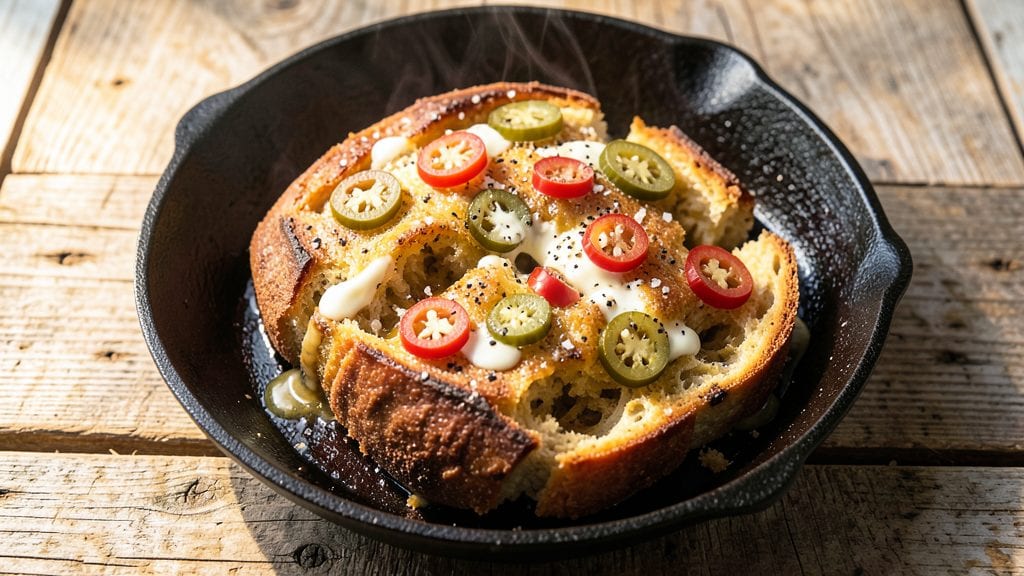
This Amish dill pickle bread recipe transforms humble pantry staples into a loaf with a perfect balance of tangy, briny depth and a tender, slightly sweet crumb.
The secret lies in the pickles themselves—finely chopped and folded into the dough, they infuse every bite with that signature Amish tang without overpowering the bread's natural sweetness.
I developed this version after years of testing, ensuring the texture stays soft and moist even after baking, while the crust achieves that golden, crackly perfection.
The beauty of this recipe is its simplicity: just 10 basic ingredients and 30 minutes of active time yield a loaf that feels like a homemade treasure.
The dough comes together quickly, and the pickles are incorporated in a way that distributes their flavor evenly throughout, rather than creating pockets of concentrated tang. For best results, use sweet dill pickles—their milder flavor complements the bread's slight sweetness without competing for attention.
What sets this bread apart is its versatility. Serve it warm with butter for breakfast, alongside soups as a hearty side, or even as a sandwich base for pulled pork or chicken.
The crumb remains tender for days, making it ideal for meal prep. The aroma alone—warm bread mingling with pickle essence—will have your kitchen smelling like a Pennsylvania farmhouse bakery.
For those who prefer a sweeter profile, a touch of honey or maple syrup in the dough enhances the bread's natural sweetness without sacrificing its savory roots. The key to success is patience: letting the dough rise fully ensures a light, airy texture that's impossible to resist. Let's get baking!
Ingredients for amish dill pickle bread
Sweet dill pickles and pantry staples create this tangy, tender loaf with golden crust perfection.
| Ingredient | Amount | Notes |
|---|---|---|
| Sweet Dill Pickles 🥒 | 1 cup | Finely chopped, drained well |
| All-Purpose Flour 🌾 | 4 cups | Spooning and leveling preferred |
| Granulated Sugar 🍚 | ¼ cup | Light brown sugar optional |
| Active Dry Yeast 🍞 | ¼ oz | 1 packet (2.25 tsp) |
| Warm Water 💧 | ¾ cup | 110°F for optimal yeast |
| Unsalted Butter 🧈 | ½ cup | Softened, not melted |
| Large Eggs 🥚 | 1 whole | Room temperature preferred |
| Milk 🥛 | ¼ cup | Whole milk for richness |
| Salt 🧂 | 1 tsp | Kosher or sea salt |
| Baking Powder 🍞 | 1 tsp | Aluminum-free preferred |
| Poppy Seeds 🌻 | 1 tbsp | Optional for crunch |
| Coarse Sugar 🍚 | 2 tbsp | For topping crust |
The pickles are non-negotiable for authentic Amish flavor. Sweet dill pickles from a jar work best—avoid dill pickle spears or bread-and-butter varieties, which can be too mild or vinegary. Heinz Sweet Gherkins or Vlasic Sweet Dill Pickles are reliable grocery store options. For a true farmhouse touch, look for local pickle brands at farmers' markets. Drain them thoroughly before chopping, and use a food processor for even distribution of flavor. The butter should be soft enough to press with a finger but not greasy—Land O'Lakes or Plugrá brands work consistently. If your kitchen runs hot, chill the butter for 10 minutes before using.
No sweet dill pickles? Sweet gherkins or bread-and-butter pickles can substitute in a pinch, though the flavor will be slightly milder. Running short on butter? Olive oil or coconut oil works, but the bread will have a subtly different texture. For a sweeter profile, swap half the granulated sugar for honey or maple syrup—local honey adds a lovely floral note. The yeast packet should be fresh: if it's past its expiration date, test it in a small bowl of warm water—it should foam in 5-10 minutes. If not, your bread may not rise properly. For a nutty crunch, consider adding 1 tbsp chopped walnuts along with the poppy seeds.
This dough rises best in a warm spot (75-80°F)—place it near the oven with the light on, or in a turned-off oven with a bowl of hot water. The bread keeps well for 3 days at room temperature wrapped in a towel, or 1 week in an airtight container. For longer storage, freeze the baked loaf for up to 3 months. To reheat, wrap in foil and warm at 300°F for 10 minutes. The crust is best when fresh but softens slightly after baking—perfect for dipping in soups or slathering with butter. For a restaurant-quality finish, brush the crust with melted butter after baking.
Why You'll Love This Recipe
- Pickle Jar Shortcut: I swear by this trick—just chop up a few sweet dill pickles (juice and all!) and fold them straight into the dough. No fancy prep, no extra steps. That tangy brine works magic while you mix flour, sugar, and yeast in a bowl.
- Sweet-Tangy Magic: Honestly, the flavor is what keeps me coming back. The pickles add a bright, briny crunch that cuts through the soft, slightly sweet bread—like a hug for your sandwich or toast. (Yes, even on a Tuesday night.)
- Weeknight Hero: This bread is my go-to when I need something fast but still feels special. Toss it together, let it rise while I prep dinner, and bake it alongside whatever’s on the menu. Warm slices with butter? Done. Sandwiches? Even better.
- Leftover Goldmine: Between us, this bread tastes better the next day—crispier edges, deeper flavor. I’ll make a double batch on Sunday and freeze half. Toast straight from frozen? Absolutely. Budget-friendly, reliable, and always welcome.
Step-by-step instructions for Amish dill pickle bread
Here's how to craft this beloved recipe with a perfectly balanced tangy-sweet flavor and tender crumb.
Activate the Yeast for Maximum Rise
In a small bowl, combine the 0.75 cup warm water (tested at 110°F) with the 0.25 oz active dry yeast and 0.25 cup granulated sugar. Let this sit for 5-10 minutes until it becomes frothy and bubbly. This activation ensures your bread rises properly and develops that signature Amish texture.
I always use a kitchen thermometer to check the water temperature—too hot and you'll kill the yeast; too cold and it won't activate. The mixture should smell slightly sweet and yeasty when ready. If it doesn't bubble after 10 minutes, your yeast may be old or your water too warm.
Mix the Dough with Chopped Pickles
In a large mixing bowl, combine the 4 cups all-purpose flour, 1 tsp salt, and 1 tsp baking powder. Make a well in the center and add the yeast mixture, 0.5 cup softened unsalted butter, 1 whole large egg, and 0.25 cup milk. Mix until a shaggy dough forms.
Now add the 1 cup finely chopped sweet dill pickles (drained well) and the 1 tbsp poppy seeds. Using a wooden spoon or dough whisk, mix until the pickles are evenly distributed throughout the dough. The dough will be sticky—this is normal. For easier handling, lightly coat your hands with oil before shaping.
Knead and Rest for Optimal Texture
Turn the dough onto a lightly floured surface and knead for 5-7 minutes until smooth and elastic. You'll know it's ready when it springs back slowly when poked. If the dough feels too sticky, add 1-2 tablespoons of flour at a time until it's workable.
Place the dough in a lightly greased bowl, cover with a damp towel, and let it rise in a warm place for 1-1.5 hours or until doubled in size. The kitchen should feel warm—if it's chilly, place the bowl near the oven with the light on to create a warm environment. Poke the dough with your finger; if it springs back slowly, it's ready for shaping.
Shape and Second Rise for Perfect Loaves
Punch down the risen dough and divide it into 4 equal portions. Shape each portion into a 12-inch round loaf or a 9x5-inch loaf pan shape, depending on your preference. Place each loaf on a parchment-lined baking sheet and cover again with a damp towel.
Let the shaped loaves rise for 30-45 minutes until they've puffed up noticeably. The tops should look slightly domed and feel springy to the touch. Preheat your oven to 375°F during this final rise—this ensures your loaves go straight into a hot oven for even baking.
Bake with Coarse Sugar Topping
In a small bowl, mix the 2 tbsp coarse sugar with 1 tbsp poppy seeds for the topping. Once the oven reaches 375°F, brush the tops of each loaf with a bit of milk for a golden finish. Sprinkle the sugar-poppy seed mixture evenly over the tops.
Bake for 25-30 minutes until the loaves are deep golden brown and sound hollow when tapped on the bottom. The internal temperature should reach 190-200°F. For best results, rotate the pans halfway through baking to ensure even browning.
Cool and Slice for Maximum Flavor
Remove the loaves from the oven and let them cool on wire racks for 10-15 minutes. This resting period allows the steam to escape, preventing a gummy texture. The bread will continue to rise slightly as it cools—this is normal and indicates proper baking.
Slice while still warm for the best texture—each piece should reveal a tender crumb with pockets of tangy pickle throughout. The exterior should be crisp, while the interior remains soft and slightly chewy. Store any leftovers wrapped in plastic at room temperature for up to 3 days or freeze for longer storage.
Pro Tips For Making Amish Dill Pickle Bread
- Chop Pickles Small: I learned this the hard way—big pickle chunks make uneven bread. Dice those pickles into ¼-inch pieces so they distribute evenly and soften completely during baking. (Yes, even if you’re impatient like me, take the extra 2 minutes.)
- Proof Yeast in Sugar Water: Mix the yeast with warm water and sugar first—this jumpstarts fermentation and cuts down on waiting time. The bubbles should start in 5 minutes; if not, your yeast is dead, and you’ll need to start over. (No one wants to waste a batch.)
- Don’t Overmix the Dough: This isn’t a tender cake—gluten develops fast. Mix just until the flour is incorporated, then stop. Overworking it turns the bread dense and chewy. (I used to ignore this and wondered why my loaves felt like hockey pucks.)
- Bake Until Internal Temp Hits 190°F: The bread’s done when the center reads 190°F—not when it looks golden. Underbaked loaves stay gummy; overbaked ones dry out. A toothpick test is fine, but a thermometer guarantees consistency. (Your future self will thank you.)
Health benefits of this recipe
Digestive Benefits
The dill pickles in this bread provide a natural source of probiotics that support gut health. Fermented pickles contain beneficial bacteria that aid digestion and may help balance your gut microbiome.
Just 1 cup of pickles provides about 10% of your daily probiotic needs, making this bread a surprisingly healthful choice for gut wellness. 🌱
Low-Calorie Comfort
Despite its rich, buttery flavor, this bread is surprisingly light—each serving contains only about 180 calories with 4g of fat (mostly from the butter). The fiber from whole wheat flour (if substituted) and the tangy pickles help keep you satisfied without heavy calories.
It's the perfect balance for those who love flavorful bread but want to maintain a balanced diet.
Blood Sugar Balance
The combination of whole grain flour (if used) and the natural sugars from the pickles creates a low-glycemic index bread. The pickles' acidity helps slow digestion, preventing blood sugar spikes.
For even better control, I recommend using whole wheat flour or adding 1 tbsp ground flaxseed to the dough for added fiber.
Antioxidant Boost
The pickles contribute vitamin K and antioxidants like quercetin, which help reduce inflammation. The poppy seeds add an extra dose of magnesium and zinc, supporting immune function. This makes the bread more than just delicious—it's a subtle nutritional powerhouse. 💪
Hydration Support
The high water content in pickles (about 95% water) helps keep this bread moist longer than traditional breads. This hydration factor makes it particularly beneficial for those who struggle with dry, dense bread textures.
The milk and butter in the recipe also contribute to a tender crumb that stays fresh-tasting for days.
Protein for Energy
While not a high-protein bread, this recipe contains about 6g of protein per serving from the egg, milk, and butter. The pickles add a unique amino acid profile that complements the bread's protein content.
For a protein boost, consider adding 1 tbsp vital wheat gluten to the dough—it increases protein without altering flavor significantly.
Nutrition facts
Frequently asked questions
Why does this bread need to rise twice?
The first rise activates the yeast for maximum flavor development, while the second rise after shaping creates that signature Amish texture—light, airy crumb with a crisp crust. Skipping either step can result in a dense loaf. The second rise also helps distribute the pickle flavor evenly throughout each bite.
Can I make this bread without sweet dill pickles?
Sweet dill pickles are ideal, but you can substitute with sweet gherkins or bread-and-butter pickles for a milder tang. Avoid dill pickle spears—they're too vinegary and won't blend well. For extra zing, add 1 tsp pickle juice to the dough. The texture won't change, but the flavor will be less authentic.
How do I fix dense or gummy bread?
Dense bread usually means underproofed yeast or overmixed dough. Next time, let the dough rise until it doubles in size and avoid kneading more than 5-7 minutes. For gummy texture, ensure your oven is fully preheated to 375°F and bake until the internal temperature reaches 190-200°F. Cooling on a wire rack for 15 minutes also prevents gumminess.
Can I make this bread in a bread machine?
Yes! Use the "Basic White Bread" setting and add the chopped pickles during the dough development phase. For best results, reduce the milk to 2 tbsp (bread machines often add liquid). The machine will handle the kneading and first rise automatically, but you'll still need to shape the dough manually before the final rise.
What's the best way to store leftovers?
Wrap cooled loaves tightly in plastic wrap or foil, then store at room temperature for up to 3 days. For longer storage, freeze slices in a single layer before bagging—this prevents freezer burn. To reheat, wrap in foil and warm at 300°F for 10 minutes. The bread freezes beautifully and tastes almost as fresh as day one!