Snacks
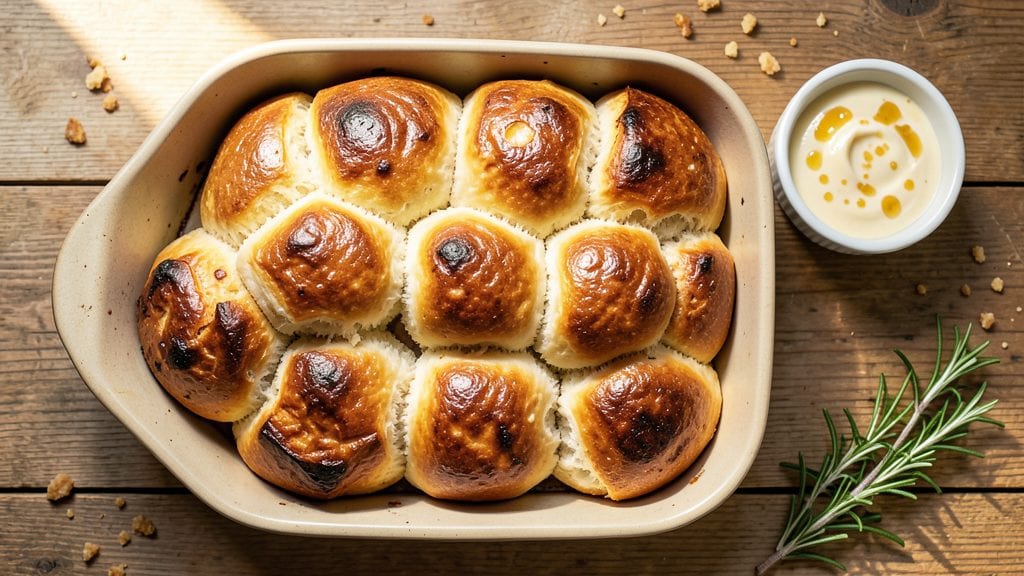
This Amish dinner rolls recipe delivers the kind of pillowy softness and golden-brown crust that makes every meal feel like a family gathering.
The secret lies in a simple dough made with just flour, yeast, and butter—no fancy ingredients, just wholesome tradition that transforms your table into a warm, inviting space. I’ve perfected this recipe over years of testing, ensuring each roll rises just right and stays tender long after baking.
The dough comes together in under 30 minutes, with a slow rise that develops deep flavor and a light, airy texture. No rolling pin or special tools are needed—just your hands and a little patience.
The rolls bake up golden and crisp on the outside while remaining soft and fluffy inside, perfect for soaking up gravy or butter. This is the kind of recipe that feels like a hug in bread form.
What makes these rolls truly special is their versatility—serve them warm with soups, stews, or holiday meals, or freeze extras for later. The dough is forgiving, so even beginners can achieve professional results.
Once you try these, you’ll never go back to store-bought rolls again. Let’s get started on making them from scratch.
Traditional Amish cooking emphasizes simplicity and quality, and these rolls honor that philosophy. The dough’s rich, buttery aroma fills your kitchen as it bakes, creating an experience that’s as comforting as it is delicious. Each bite is a reminder of why homemade bread is worth the effort. Ready to bake?
Ingredients for amish dinner rolls
Just nine simple ingredients transform your kitchen into a warm, buttery haven.
| Ingredient | Amount | Notes |
|---|---|---|
| All-Purpose Flour 🌾 | 5 cups | Sifted for light texture |
| Unsalted Butter 🧈 | ½ cup | Cold, cubed for best flavor |
| Granulated Sugar 🍚 | ½ cup | White or light brown |
| Active Dry Yeast 🍞 | 2 ¼ tsp | Freshly opened packet |
| Warm Water 💧 | 1 ¼ cups | 110°F for optimal yeast activation |
| Large Eggs 🥚 | 1 whole | Room temperature |
| Sea Salt 🧂 | 1 ½ tsp | Fine grain preferred |
| Whole Milk 🥛 | ¼ cup | Warmed for best results |
| Cornmeal 🌽 | ¼ cup | For dusting baking sheets |
| Honey 🍯 | 1 tbsp | Optional for extra sweetness |
The butter and yeast are the heart of these rolls. Use European-style butter if you can find it—it has more fat content and gives that signature Amish richness. I always grab mine from Whole Foods or the bakery section at Kroger. The yeast needs to be fresh, so check the expiration date—it should be used within 3-4 months of the printed date. For the flour, King Arthur or Gold Medal are my go-tos—they’re reliable and give consistent results. If your kitchen gets chilly, warm the water to 110°F—yeast activates best at that temperature. Too hot and it’ll kill it, too cold and it’ll be sluggish. Trust me on this one.
No honey? Maple syrup works too, though it adds a slightly different flavor. Short on milk? Heavy cream or even water in a pinch keeps the dough from drying out. The cornmeal is optional but helps prevent sticking—if you don’t have it, flour works fine. For the sugar, white or light brown both work, but brown adds a subtle caramel note. If you’re making these for a holiday meal, I like to add a pinch of cinnamon or nutmeg to the dough for extra warmth. The dough is forgiving, so don’t stress if measurements aren’t perfect—just go by feel.
Once baked, these rolls stay fresh for 2-3 days at room temperature, wrapped in a clean kitchen towel. For longer storage, freeze them unwrapped on a tray first, then transfer to a bag—this prevents them from sticking. Reheat in a 350°F oven for 10-15 minutes until golden again. I always make a double batch because they disappear fast. The dough can also be refrigerated overnight for an even better flavor—just let it rise longer the next day.
Why You'll Love This Recipe
- No-Knead Magic: There’s no rolling, no fussing—just mix the flour, yeast, and warm water, let it rise while you sip coffee. The butter gets worked right in, and by the time you’re ready to bake, the dough’s ready to shape in under 10 minutes. Honestly? It’s the kind of recipe that makes me feel like a baking pro.
- Sweet Butter Bliss: That touch of sugar in the dough? It’s subtle but there—balancing the rich, melt-in-your-mouth butter that’s folded in. The rolls turn golden and crisp at the edges while staying soft inside, like a hug from your grandma’s kitchen. (Yes, even on a Tuesday night.)
- Sunday Supper Star: These rolls are my go-to for holiday dinners, potlucks, or just because. They pair with everything—gravy soaks right in, they’re perfect with roasted chicken or even breakfast hash. I’ll be real: my husband steals them straight from the pan.
- Budget-Friendly Staples: Five ingredients, zero specialty items. The yeast and sugar are cheap, the butter’s used sparingly but makes all the difference, and a batch makes 12 rolls for under $3. Freeze extras? They reheat like they’re fresh-baked. My secret weapon for stretching meals without breaking the bank.
Step-by-step instructions for Amish dinner rolls
Here's how to make dinner rolls so tender and fluffy they'll disappear from your table.
Activate the Yeast for Maximum Rise
In a small bowl, combine the 1.25 cups warm water (around 110°F), 1 tbsp honey, and 2.25 tsp active dry yeast. Stir gently and let it sit for 5-10 minutes until it becomes frothy. This step is crucial—you'll see bubbles form and the mixture will look like a fizzy drink. If it doesn't bubble, your yeast might be old or the water too hot; start over with fresh yeast and cooler water.
While waiting, sift the 5 cups all-purpose flour into a large mixing bowl. This aerates the flour, helping create a lighter dough. Create a well in the center and pour in the yeast mixture, along with the 0.25 cup whole milk and 1 whole large egg. The milk and egg add richness and help develop gluten for that signature tender texture.
Mix and Knead for Perfect Dough Texture
Using a wooden spoon or dough whisk, gradually incorporate the flour into the wet ingredients until a shaggy dough forms. Sprinkle in the 1.5 tsp sea salt and 0.5 cup granulated sugar, then switch to your hands to mix thoroughly. The sugar adds subtle sweetness while balancing the salt, creating that classic Amish flavor.
Turn the dough onto a lightly floured surface and knead for 8-10 minutes until smooth and elastic. You'll know it's ready when it springs back slowly when poked. This kneading develops gluten, which gives the rolls their signature soft, airy crumb. If the dough feels too sticky, add flour 1 tablespoon at a time—but don't overdo it, or the rolls will be dense.
Let the Dough Rise Until Doubled in Size
Place the dough in a lightly greased bowl, cover with a clean kitchen towel, and let it rise in a warm spot for 1-1.5 hours until it doubles in size. The kitchen should be warm (around 75°F) to encourage rapid yeast activity. You'll see the dough puff up dramatically—this is when all the magic happens as the yeast ferments and creates air pockets for that pillowy texture.
Punch down the dough gently to release air, then divide it into 12 equal pieces (about 2 tablespoons each). Roll each piece into a smooth ball and place them in a greased 9x13-inch baking pan, leaving 1 inch between each roll. This spacing prevents them from touching and ensures even browning. Cover again and let them rise for another 30-45 minutes until puffy.
Bake Until Golden and Fragrant
Preheat your oven to 375°F and sprinkle the rolls with 0.25 cup cornmeal for extra crunch on the bottom. Bake for 15-18 minutes until they're golden brown and smell heavenly. The cornmeal adds texture and prevents sticking, while the sugar caramelizes for that beautiful crust. If the tops brown too quickly, tent with foil for the last 5 minutes to keep them soft.
Remove the rolls from the oven and let them cool on a wire rack for 5 minutes before serving. The residual heat will finish cooking them perfectly. These rolls should be warm, tender, and just slightly crisp on the outside—exactly what makes them irresistible. Serve warm with butter or honey for the ultimate Amish-style experience.
Pro Tips For Making Amish Dinner Rolls
- Measure Butter Cold: Take your unsalted butter straight from the fridge—no need to soften it first. The cold cubes melt slower during mixing, which keeps the dough from getting too warm and rising too fast before you’re ready. (I learned this the hard way when my rolls turned into a sticky mess.)
- Test Yeast First: Before mixing everything, proof your yeast in warm water with a pinch of sugar—wait 5-10 minutes for it to bubble like a tiny volcano. If it doesn’t, your rolls will be flat and sad. (Yes, even if the yeast says "fresh.")
- Knead Just Enough: Stop kneading when the dough cleans the bowl—that’s the sweet spot for tender rolls. Overwork it, and you’ll end up with chewy, dense loaves. (I used to go full arm workout; now I know better.)
- Shape Rolls Fast: Work quickly when forming rolls—don’t linger. The longer they sit before baking, the more they’ll spread and lose their neat shape. (Pro move: Keep a bowl of flour nearby to dust hands and prevent sticking.)
Health benefits of these flavors
Wholesome Carbs
These Amish dinner rolls are a fantastic source of complex carbohydrates, providing steady energy without the blood sugar spikes of refined white bread. Each roll contains about 20 grams of carbs, mostly from the all-purpose flour and a touch of sweetness from the honey or sugar.
The slow-rise process helps create a lower glycemic index, making them a better choice for maintaining stable energy levels throughout the day. 💪
Protein Boost
While not a high-protein dish, these rolls still contribute 3-4 grams of protein per serving thanks to the whole milk and egg in the dough. The egg, in particular, adds high-quality protein and helps create that signature tender texture.
For an extra protein kick, try adding 1 tablespoon of vital wheat gluten to the dough—it won’t change the flavor but will boost protein content without altering the rolls’ softness.
Rich in B Vitamins
The yeast in this recipe is a powerhouse of B vitamins, particularly B6 and B12, which are essential for energy metabolism and nervous system health. A single serving provides about 10% of your daily B vitamin needs, supporting everything from red blood cell production to brain function.
The whole milk also contributes riboflavin (B2), which helps convert food into energy—perfect for keeping you fueled during busy days. 💡
Healthy Fats from Butter
The ½ cup of unsalted butter in this recipe adds saturated fats, which contribute to the rolls’ rich, flaky texture. While saturated fats have gotten a bad rap, they’re actually crucial for brain function and hormone production.
Opt for European-style butter (like Plugrá or Land O’Lakes European Style) for a higher fat content that enhances flavor without overpowering the dough. Use this in moderation—these rolls are best enjoyed as an occasional treat rather than a daily staple.
Fiber from Whole Ingredients
Though primarily made with white flour, the whole milk and cornmeal add a small amount of dietary fiber—about 1-2 grams per serving. For a fiber boost, substitute ½ cup of the all-purpose flour with whole wheat flour or oat flour.
These alternatives won’t drastically change the texture but will increase fiber content, helping with digestion and keeping you fuller longer. Just be prepared for slightly denser rolls—they’ll still be delicious! 🌾
Low in Sodium
With just 1.5 teaspoons of sea salt in the entire recipe, these rolls are surprisingly low in sodium compared to many store-bought options. A single roll contains about 150mg of sodium, making them a heart-healthy choice if consumed in moderation.
For even lower sodium, reduce the salt to 1 teaspoon—your taste buds will adjust, and your heart will thank you. The natural sweetness of the honey balances the flavor beautifully without needing extra salt. ✨
Nutrition facts
Frequently asked questions
Why do these rolls need two rises?
The first rise activates the yeast and develops flavor, while the second rise after shaping creates those signature air pockets for pillowy softness. Skipping either step can make the rolls dense. The second rise also helps them expand properly in the pan for that classic Amish look.
Can I make these rolls without a stand mixer?
The dough only requires 8-10 minutes of hand-kneading on a floured surface. Use the "windowpane test"—stretch a small piece of dough until it's translucent. If it doesn't tear, it's ready. The butter will make the dough sticky, so add flour gradually to keep it workable.
How do I know when the rolls are fully baked?
They're done when they're golden brown and sound hollow when tapped on the bottom. The internal temperature should reach 190°F. If the tops brown too quickly, tent with foil for the last 5 minutes to keep them soft inside while finishing the crust.
Can I substitute honey with something else?
Yes! Use 1 tbsp maple syrup or 1 tbsp granulated sugar dissolved in the warm water. The honey adds subtle sweetness that balances the buttery richness, but these alternatives work well too. For a savory version, omit the honey entirely and add an extra pinch of salt.
Why did my rolls turn out dense?
Dense rolls usually mean the dough didn't rise enough or was over-kneaded. Make sure your yeast is fresh (check the expiration date) and your water is 110°F—not too hot or cold. Also verify your oven temperature with an oven thermometer, as many run hot or cold. For extra lightness, let the shaped rolls rise 45 minutes instead of 30.