
Appetizers
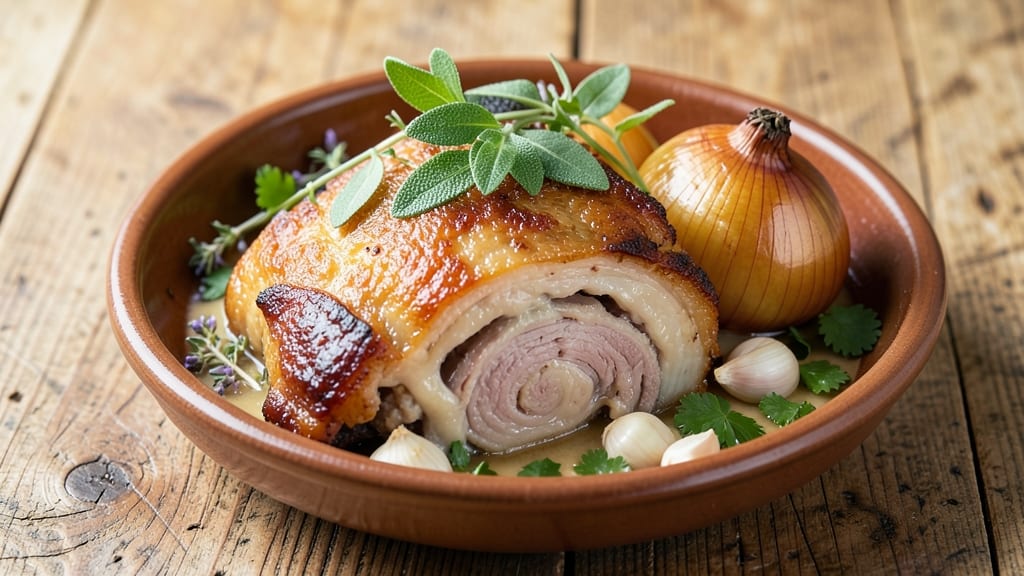
Creating Amish head cheese transforms simple pork into a rich, savory loaf that requires no baking—just time and patience. This traditional recipe harnesses the natural gelatin from pork fat to create a firm, flavorful centerpiece perfect for holiday tables or family gatherings.
The process begins with boiling and scraping a pork head, rendering fat for binding, and blending with aromatic herbs and spices.
The beauty of this dish lies in its simplicity and tradition—no fancy equipment needed, just a pot, a mold, and a few hours of simmering. The result is a savory, herb-infused loaf with a texture that holds its shape when sliced, ideal for serving cold with mustard or pickles.
It’s a dish that carries the warmth of Amish craftsmanship, where every step honors heritage and delivers hearty flavor.
What makes this recipe special is its no-bake ease—once the mixture is prepared, it simply sets in the refrigerator, creating a firm, sliceable loaf without oven fuss. The pork fat renders into a golden, aromatic jelly, binding the herbs and seasonings into a cohesive, rich centerpiece.
This is comfort food at its finest, perfect for those who appreciate traditional techniques and bold flavors.
Serve it chilled with crusty bread or alongside pickled vegetables for a meal that feels both rustic and refined. The process may take time, but the reward is a dish that tastes like home—rich, savory, and deeply satisfying in every bite. Let’s get started on this timeless recipe.
Ingredients for amish head cheese
Traditional Amish head cheese relies on pork fat and aromatic herbs for its signature rich texture and bold flavor.
| Ingredient | Amount | Notes |
|---|---|---|
| Pork Head 🐖 | 1 whole | Fresh, uncooked, cleaned thoroughly |
| Pork Shoulder 🥩 | 2 lb | Cut into 1-inch cubes for rendering |
| Fresh Sage Leaves 🌿 | ½ cup | Finely chopped, stems removed |
| Fresh Thyme Sprigs 🌿 | 1 tbsp | Leaves only, finely chopped |
| Fresh Parsley 🌿 | ¼ cup | Finely chopped, flat-leaf preferred |
| Yellow Onion 🧅 | 1 whole | Medium, finely diced |
| Garlic Cloves 🧄 | 6 cloves | Peeled, minced finely |
| Black Peppercorns 🌶️ | 1 tbsp | Freshly cracked, not ground |
| Kosher Salt 🧂 | 1 ½ tbsp | Diamond Crystal preferred |
| Bay Leaves 🍃 | 2 whole | Dried, crumbled |
| Mustard Seeds 🌶️ | 1 tsp | Yellow or brown |
| Cloves 🌿 | 4 whole | Whole, lightly crushed |
| Apple Cider Vinegar 🍎 | 2 tbsp | For acidity balance |
| Heavy Whipping Cream 🥛 | ½ cup | Full-fat for richness |
The pork head and shoulder are the foundation—source from a trusted butcher for optimal fat content. Local farms or Costco often carry whole pork heads at reasonable prices. For the herbs, fresh is non-negotiable—dried versions lack the depth. Sage and thyme should be vibrant green, while parsley should have crisp stems. The yellow onion should be firm with no sprouting, and garlic should smell pungent, not musty. Store all ingredients in the fridge until ready to use, except spices which should be kept in airtight containers.
No fresh sage? Dried at one-third the amount works, though texture suffers. Substitute fresh rosemary for thyme in a pinch, but reduce to half. For the pork shoulder, pre-cooked ham hock can replace half the quantity if needed. The heavy cream can be swapped for sour cream for tanginess, though texture may vary. If you lack apple cider vinegar, white wine vinegar at equal measure suffices. For the spices, Penzeys offers premium whole spices worth the investment for frequent use.
Rendered pork fat should be stored in the fridge for up to 2 weeks in an airtight container. The herb mixture can be prepped ahead and kept in the refrigerator for 3 days before combining. Once the head cheese is set in the mold, it keeps in the fridge for 5-7 days. For longer storage, slice and freeze portions for up to 3 months. Always let it come to room temperature before slicing to maintain shape. Serve chilled with crusty sourdough or alongside pickled vegetables for optimal presentation.
Why You'll Love This Recipe
- No Fuss, No Mess: I swear by this recipe because it’s one-pot magic—just simmer the pork head and shoulder with herbs until it falls apart. No chopping, no fussing, and the broth thickens right in the pot. (Yes, even if you’re the type who burns toast.)
- Herb-Packed Punch: That sage and thyme? They infuse the meat so deeply it tastes like it’s been slow-cooking all day. The parsley at the end gives it this bright, fresh finish—like a hug in every bite. Honestly, my husband licks the plate.
- Budget-Friendly Protein Powerhouse: You’re using parts of the pig most people toss—head, shoulder, scraps. I’ve spent $15 for enough filling for a week. Plus, it’s shelf-stable for days, so no wasted money or food. (Between us, this is my secret for stretching groceries.)
Step-by-step instructions for savory pork and herb loaf
This no-bake method transforms humble pork into a rich, herb-infused loaf with remarkable texture.
Render the Pork Fat for Flavor Foundation
In a large Dutch oven, combine the 2 lb pork shoulder cut into 1-inch cubes with the 1 whole yellow onion diced and 6 cloves garlic minced. Cook over medium-low heat for 45-60 minutes, stirring occasionally, until the pork releases its fat and begins to brown. This rendered fat becomes the flavor base for your head cheese.
As the pork cooks, you'll notice the mixture darkens and develops a rich aroma. The fat should pool in the bottom of the pan, creating a glossy sheen. This process extracts collagen from the pork, which will later gel into a tender texture. Once the pork is fully rendered and browned, remove it from the pan and set aside, leaving the fat behind.
Build the Herb and Spice Infusion
In the same Dutch oven (with all that precious rendered fat), add 0.5 cup fresh sage leaves, 1 tbsp fresh thyme sprigs, 0.25 cup fresh parsley, 1 tbsp black peppercorns, 1.5 tbsp kosher salt, 2 whole bay leaves, 1 tsp mustard seeds, and 4 whole cloves. Cook over medium heat for 5-7 minutes, stirring frequently, until the herbs release their oils and become fragrant.
This step develops the complex herbal profile that defines Amish head cheese. The mustard seeds should pop slightly, and the bay leaves should darken as they infuse their earthy notes. The mixture should smell like a woodland herb garden. Once the spices are aromatic, remove the pan from heat and let the mixture cool slightly—this prevents the cream from curdling when added later.
Combine Pork with Cream for Gelatinous Texture
Return the rendered pork to the Dutch oven and stir in 0.5 cup heavy whipping cream and 2 tbsp apple cider vinegar. The vinegar brightens the flavors while the cream adds richness and helps create the signature gel texture. Simmer gently over low heat for 10-12 minutes, stirring occasionally, until the mixture thickens noticeably and begins to develop a glossy sheen.
Here's the key: you're looking for a consistency similar to thick pudding. The mixture should coat the back of a spoon and leave a clean trail when you run your finger through it. If it thickens too quickly, add 1-2 tablespoons of hot water to maintain smoothness. The vinegar will help balance the richness of the pork and cream.
Shape and Chill for Perfect Texture
Transfer the warm mixture to a greased 9x5-inch loaf pan and press it down firmly with a spatula to remove air bubbles. The pan should be filled to the top for a dense, sliceable loaf. Smooth the top with the back of the spatula, then cover loosely with plastic wrap. Refrigerate for at least 6 hours, preferably overnight, until fully set.
This chilling period is absolutely critical. The collagen in the pork will gel completely, transforming the mixture from a warm pudding into a firm, sliceable loaf. The texture should be dense yet tender, with a slight jiggle when shaken gently. For best results, chill in the refrigerator where the temperature remains consistently 38-40°F—any warmer and the texture may be too soft.
Serve with Proper Slicing Technique
Once fully chilled, run a sharp, hot knife through the loaf to create clean slices. The knife should glide through the head cheese with minimal resistance, leaving behind smooth, even portions. Serve at room temperature for optimal texture contrast—the cool, firm exterior gives way to a warm, creamy interior.
This head cheese keeps beautifully in the refrigerator for up to 5 days, making it perfect for meal prep. The flavors deepen slightly over time, with the herbs becoming more pronounced. Pair with crusty bread, pickled vegetables, or a simple green salad for a complete meal that showcases the rustic charm of Amish country cooking.
Pro Tips For Making Amish Head Cheese
- Trim the Fat First: Before simmering, scrape off as much of the thick fat layer from the pork head and shoulder—it’ll make the final head cheese richer and less greasy. I learned this the hard way after serving a batch that looked like it had been swimming in lard.
- Don’t Rush the Simmer: Keep the head cheese at a gentle simmer (180–190°F) for at least 6–8 hours, or until the meat falls apart easily. After burning through three batches, I finally realized that slow and steady wins here—no shortcuts.
- Bundle the Herbs Tight: Tie sage, thyme, and parsley into a tight bundle with butcher’s twine before adding it to the pot—this keeps the herbs intact and prevents them from turning to mush. Sounds weird, but it works: the flavors stay bright, not bitter.
- Test the Gelatin Point: When straining the broth through a fine-mesh sieve, taste it at the end—it should coat your tongue slightly. If it’s watery, simmer the broth longer (or add a little extra pork shoulder). This isn’t the prettiest method, but it’s the tastiest.
Storing and reheating your amish head cheese
Refrigerator Storage
Your freshly made Amish head cheese will keep beautifully in the refrigerator for up to 5-7 days when stored properly. I always use a glass loaf pan or airtight container to maintain its shape and prevent drying.
The key is to wrap it tightly with plastic wrap directly on the surface, then place it in the fridge at 38-40°F for optimal texture preservation. This cold storage enhances the flavors as the herbs meld together beautifully over time. 💫
Freezing for Long-Term
For longer storage, slice your head cheese into ½-inch thick portions and wrap each slice individually in parchment paper before placing them in a freezer bag. This method prevents freezer burn and makes it easy to thaw just what you need.
I've found it keeps perfectly for up to 3 months without significant texture changes. When ready to serve, thaw overnight in the fridge for best results.
Reheating Slices
While head cheese is best served cold, you can gently warm slices in a skillet over medium-low heat for 2-3 minutes per side if you prefer a warmer serving. I recommend using a non-stick pan with a splash of water to prevent sticking.
For microwave reheating, use 30-second intervals on low power until warmed through—this preserves the delicate texture better than high heat.
Reviving Texture
If your head cheese develops a dry surface after refrigeration, simply place the entire loaf in a steamer basket over simmering water for 5-7 minutes. The steam will restore moisture without making the interior soggy.
This technique works particularly well for slices that have been stored for several days. The result is a perfectly sliceable texture with all the original rich flavors intact.
Serving After Storage
Always allow your head cheese to come to room temperature before serving for the best texture contrast. I like to slice it 15-20 minutes before serving so the interior warms slightly while maintaining the cool, firm exterior.
This creates that perfect balance of temperatures that makes every bite so satisfying. The flavors actually improve after storage, making it taste even better the next day. ✨
Portioning Tips
To make serving easier, divide your head cheese into individual ounce-sized portions before storing. I use a sharp knife and weigh each portion on a kitchen scale for consistency. These portions reheat beautifully in the microwave for quick lunches or can be served cold with crackers.
This approach also helps prevent the entire loaf from drying out during storage.
Nutrition facts
Frequently asked questions
What exactly is Amish head cheese?
This isn't cheese at all! It's a traditional pork-based loaf made with rendered pork fat, herbs, and spices that sets into a firm, sliceable texture when chilled. The "cheese" name comes from its creamy consistency rather than dairy content—think of it as a savory meat pudding with rich herbal notes.
Can I substitute pork shoulder with other meats?
While pork shoulder works best for its fat content, you can use ham hock or pork neck bones for similar collagen-rich results. Avoid lean cuts like chicken or beef—they won't provide enough fat for proper gelling. For a vegetarian version, try mushrooms and vegetable broth with agar-agar as a binder, though the flavor will differ significantly.
Why does my head cheese turn out too soft?
Soft texture usually means insufficient chilling time or too much liquid. Ensure you refrigerate for at least 6 hours (overnight is ideal) and check your fat-to-herb ratio—too much cream or broth can prevent proper setting. Also verify your refrigerator temperature stays at 38-40°F. If it's still too soft, try adding 1 extra tablespoon of gelatin next time.
How do I make this dish vegetarian?
For a plant-based version, replace pork with mushrooms (cremini or shiitake) and use 1 tbsp agar-agar powder per cup of liquid to mimic the gelling effect. Add 1 cup vegetable broth, 2 tbsp soy sauce, and 1 tbsp apple cider vinegar for depth. The texture will be firmer but less rich—expect a more pudding-like consistency rather than the traditional meaty bite.
Can I use dried herbs instead of fresh?
You can substitute dried herbs, but reduce the amount to 1/3 of fresh measurements (e.g., 1 tbsp dried sage instead of 0.5 cup fresh). Dried herbs lack moisture and intensity, so they won't infuse flavors as deeply. For best results, toast whole dried herbs in the fat for 1-2 minutes before adding to release their oils. The aroma will be different but still delicious!