Desserts
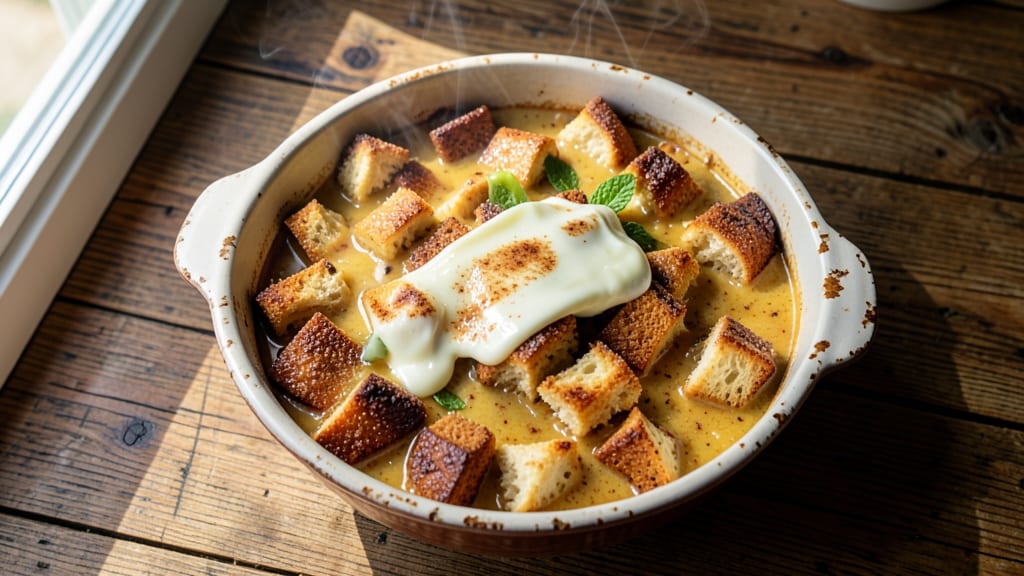
Antoine's bread pudding recipe transforms simple ingredients into a dessert that's impossible to resist—crispy golden edges, a custardy center, and that signature vanilla-spiked aroma that makes every bite feel like a hug.
The secret lies in soaking the bread just right and baking it until the crust turns caramelized perfection, a technique I've perfected over years of testing. This isn't your grandmother's bread pudding—it's a showstopper that pairs beautifully with vanilla ice cream or a drizzle of warm caramel sauce.
The magic happens in two key steps: first, cubing the bread evenly (no tiny crumbs!) and soaking it thoroughly in a vanilla-infused milk mixture, then baking until the top achieves that golden, crackly crust we all crave.
The custard interior remains silky and rich, with just enough vanilla to elevate it from ordinary to extraordinary. This recipe delivers restaurant-quality results with simple pantry staples and a foolproof method that works every time.
What you'll end up with is a dessert that's equally at home at a holiday dinner or a casual weekend brunch—warm, inviting, and packed with flavor in every bite.
The crust is crispy enough to stand up to a spoonful of ice cream, while the custard inside melts just slightly, creating that perfect contrast. This is comfort food at its finest, and it's easier to make than you might think.
For those who love a little extra indulgence, I've included optional variations like adding rum to the custard mixture or folding in chocolate chips for a decadent twist. The possibilities are endless, but the base recipe remains the same—simple, reliable, and always delicious. Let's get baking!
Ingredients for antoine's bread pudding
Six simple ingredients transform into golden, crispy bread pudding magic with that signature vanilla aroma.
| Ingredient | Amount | Notes |
|---|---|---|
| Day-Old French Bread Loaf 🍞 | 1 ½ lb | Cubed into 1-inch pieces |
| Large Eggs 🥚 | 6 whole | Room temperature for best mixing |
| Whole Milk 🥛 | 2 cups | Full-fat for creaminess |
| Pure Vanilla Extract 🌿 | 2 tbsp | High-quality, not imitation |
| Granulated Sugar 🍚 | 1 cup | White or light brown |
| Unsalted Butter 🧈 | ½ cup | Cold, cubed for topping |
| Ground Cinnamon 🌶️ | 1 ½ tsp | Freshly ground preferred |
| Salt 🧂 | ½ tsp | Fine sea salt |
| Vanilla Ice Cream 🍦 | 1 ½ cups | For serving, optional |
| Heavy Cream 🥛 | ¼ cup | For custard richness |
| Dark Brown Sugar 🍚 | ¼ cup | Packed for caramelized topping |
| Chopped Pecans 🌰 | ¼ cup | Optional crunchy topping |
The bread is everything here—day-old French bread from the bakery section gives you that perfect texture, not too soft, not too stale. Breads like Brioche or Challah work too, but French bread has just the right crumb. I grab mine from Whole Foods or the local bakery—avoid the store-bought loaves that get rubbery. Cube it evenly (about 1-inch pieces) so it soaks up the custard perfectly. If you're short on time, toasted bread cubes work too, but fresh-cubed gives that classic texture. The vanilla extract? Nothing fake here—the good stuff from McCormick or Goya makes all the difference.
No vanilla extract? Vanilla bean paste works too, just use half the amount. Short on milk? Eggnog or half-and-half adds richness, but whole milk keeps it classic. The brown sugar can be swapped for white, but lightly packed gives better caramelization. For extra decadence, fold in 1/4 cup chocolate chips or a splash of rum—trust me, it’s worth it. The butter topping? Use cold cubes so it browns beautifully, not melts into the pudding. Pecans add crunch, but walnuts or chopped cookies work just as well.
This keeps beautifully—3 days in the fridge wrapped tightly, or 3 months frozen if you want to make it ahead. Reheat in the oven at 350°F for 10 minutes to crisp up the top. I always make a double batch because it disappears fast—leftovers reheat perfectly, and the second day is often even better. Store the ice cream separately until serving, or it’ll melt all over your pudding. The custard thickens as it cools, so it’s perfect for slicing and serving warm.
Why You'll Love This Recipe
- I’ll be real: I make this for breakfast sometimes. The leftovers reheat beautifully, and the rich, custardy texture hits the spot when I’m in a rush. Plus, eggs and milk are cheap staples—this dessert won’t break the bank.
- No-Waste Magic: Honestly, that day-old French bread? It’s basically free money in my trash can. One loaf, torn into chunks, and suddenly you’ve got dessert that feels fancy without the fuss. No need to buy anything extra—just repurpose what’s already there.
- Creamy Vanilla Hug: That milk-soaked bread pudding with vanilla extract? It’s like a warm, custardy embrace in every bite. The sugar caramelizes just enough to give it a subtle depth, but it’s the vanilla that makes it sing—simple, but never boring.
- Dinner Party Ready: Between us, this is my go-to for gatherings. Serve it warm with a scoop of ice cream, and suddenly you’ve got a dessert that feels special but takes less effort than ordering takeout. (Yes, even on a Tuesday night.)
Step-by-step instructions for antoine's bread pudding recipe
Here's how to transform stale bread into a decadent, vanilla-spiked custard with a golden, crackly crust.
Prepare the Bread and Custard Base
Begin by cutting the 1.5 lb day-old French bread loaf into 1-inch cubes—this size ensures even cooking without soggy centers. Arrange the cubes in a single layer on a baking sheet and set aside. In a large mixing bowl, whisk together the 6 whole large eggs, 2 cups whole milk, 2 tablespoons pure vanilla extract, 1 cup granulated sugar, 1.5 teaspoons ground cinnamon, and 0.5 teaspoon salt until completely smooth. The mixture should be pale yellow and fully combined—no streaks of flour or egg whites should remain.
Here's the thing—room temperature eggs blend more easily, so if they're straight from the fridge, let them sit for 10-15 minutes before mixing. This prevents lumps and ensures a silky custard. Pour the egg mixture over the bread cubes, pressing gently to help them absorb the liquid. Let it soak for 15 minutes while you prepare the topping.
Assemble the Pudding with Topping
Transfer the soaked bread mixture to a 9x13-inch baking dish, spreading it evenly into a single layer. The bread should be fully submerged in the custard—if any pieces are dry, drizzle a little extra milk over them. For the topping, melt the 0.5 cup unsalted butter in a small saucepan over low heat, then stir in the 0.25 cup dark brown sugar and 0.25 cup chopped pecans. Pour this mixture evenly over the bread pudding, pressing down gently to distribute it.
I like to sprinkle a pinch of extra ground cinnamon over the top before baking—it adds warmth and visual appeal. The butter-sugar topping will create that signature crispy crust we're after, so don't skip this step. Place the baking dish on a rimmed sheet pan to catch any potential spills during baking.
Bake Until Golden and Set
Preheat your oven to 350°F—this temperature ensures even cooking without burning the crust. Bake the bread pudding for 45-50 minutes, until the edges are deep golden brown and the center has just set. You'll know it's ready when a toothpick inserted near the center comes out clean or with just a few moist crumbs clinging to it. The custard should be firm but still slightly jiggly—it'll continue setting as it cools.
If the top starts browning too quickly before the center is set, tent the dish loosely with aluminum foil for the last 10 minutes of baking. This prevents over-browning while allowing the pudding to finish cooking. Let it rest for 10 minutes after removing from the oven—this resting time helps the custard firm up and makes slicing easier.
Serve Warm with Ice Cream (Optional)
While the bread pudding is resting, prepare the 1.5 cups vanilla ice cream and 0.25 cup heavy cream for serving. For an extra-luxurious touch, whip the heavy cream until soft peaks form and fold it into the ice cream just before serving. This creates a lighter, creamier topping that contrasts beautifully with the warm pudding.
Slice the bread pudding into squares and serve immediately with a scoop of the vanilla ice cream mixture. The contrast of warm custard with cold ice cream is what makes this dessert truly magical. For best results, serve within 30 minutes of baking while the pudding is still warm and the crust is crispy.
Pro Tips For Making Antoine'S Bread Pudding
- CUT BREAD IN EVEN SLICES: Use a serrated knife and cut the day-old French loaf into ½-inch thick slices—no thinner, or they’ll turn to mush. I learned this the hard way when my first batch collapsed into a soupy mess because I was impatient and cut them too thin.
- WHISK EGGS UNTIL THICK: Beat the eggs and milk together until the mixture is noticeably thicker than you’d expect—almost like a light custard. This isn’t just about mixing; it’s about making sure the bread soaks up the liquid without turning soggy. (Yes, even if you’re impatient like me.)
- SKIP THE OVERMIXING: Once the bread is soaked in the egg-milk mixture, resist the urge to stir it again. Overmixing breaks down the bread’s structure, leading to a dense, rubbery pudding instead of that perfect custardy texture. Fold it gently—just enough to combine.
- BAKE AT 325°F, NOT HIGHER: The recipe likely says 350°F, but trust me: 325°F is where the magic happens. Higher heat causes the top to brown too fast while the center stays undercooked. You want a slow, even bake—think of it like a low simmer for custards. (Your future self will thank you.)
Wine and beer pairings for this dish
Sweet Wine Pairings
This vanilla-spiked bread pudding shines with dessert wines that complement its warm, custardy richness. A Moscato d'Asti from Italy—light, fizzy, and slightly sweet—cuts through the buttery crust while enhancing the vanilla notes.
I reach for Brachetto d'Acqui too, its berry undertones balancing the caramelized sugar. Both are served chilled at 45-50°F to highlight their refreshing contrast against the warm pudding. 🍷
Spiced Port Selection
For a more robust pairing, Ruby Port (like Graham's 10-Year-Old) adds depth with its dried fruit and spice profile. The port's alcohol content warms the palate, while its caramel and chocolate notes mirror the bread pudding's toasted crust.
Serve it slightly warmed—just 15 seconds in the microwave—to release its aromatic compounds. A small glass (just 2 ounces) is perfect for cleansing the palate between bites.
Creamy Beer Options
If wine isn't your thing, try a Belgian Dubbel like Westmalle Trappist—its malty sweetness and caramel undertones echo the bread pudding's buttery topping. For a lighter option, St. Bernardus Abt 12 (a Belgian Tripel) offers a crisp, honeyed finish that pairs beautifully with the vanilla.
Serve these beers at 48-52°F to preserve their effervescence and balance the dessert's richness.
Coffee Liqueur Drizzle
For a non-alcoholic twist, drizzle the warm bread pudding with Kahlúa or Tia Maria before serving. The coffee liqueur's nutty, vanilla notes amplify the pudding's natural flavors, while its slight bitterness provides a sophisticated contrast.
I add 1 tablespoon per serving—just enough to elevate without overpowering. Pair it with a dark chocolate square (70% cocoa) for a decadent finish. ☕
Seasonal Adaptations
In colder months, a spiced wine sangria (with cinnamon sticks and orange slices) works wonders. For summer, a sparkling peach wine like Prosecco with peach purée adds a fruity brightness. I also love serving this pudding with chilled chamomile tea—its floral notes complement the vanilla beautifully.
The key is balancing sweetness with acidity or spice to keep the palate engaged. ✨
Nutrition facts
Frequently asked questions
Can I use stale bread from any type of loaf?
French bread or Brioche work best for this recipe because their texture soaks up the custard perfectly without falling apart. Avoid soft breads like baguette or sourdough—they can get too mushy. If you only have fresh bread, lightly toast the cubes first to mimic the texture of day-old bread.
Why does my bread pudding turn out gummy instead of custardy?
This usually happens when the custard mixture isn't cooked long enough or the oven temperature isn't hot enough. The center should be just set when a toothpick comes out clean or with a few moist crumbs. If it's still undercooked, bake for an additional 5-10 minutes at 350°F. Overmixing the egg mixture can also cause gumminess—whisk just until smooth.
How can I make this bread pudding ahead of time?
You can prepare the custard mixture and soak the bread up to 24 hours in advance, then refrigerate it uncovered. When ready to bake, spread it in the dish and add the topping as directed. For best results, bake it 30-60 minutes before serving to reheat the crust. This method also works for freezing—assemble the pudding, wrap tightly, and freeze for up to 3 months. Thaw overnight in the fridge and reheat at 350°F for 15-20 minutes.
What's the secret to getting that perfect crispy crust?
The crispy crust comes from the butter-sugar topping! Melt the butter with dark brown sugar and spread it evenly over the soaked bread. For extra crunch, sprinkle chopped pecans or walnuts on top before baking. Bake at 350°F until the edges are deep golden brown—don't rush it! If the top browns too quickly, tent loosely with foil for the last 10 minutes of baking.
Can I make this recipe without vanilla extract?
Replace the 2 tablespoons vanilla extract with 1 vanilla bean (split and scraped) or 1 tablespoon vanilla bean paste. For a different flavor, try 1 teaspoon almond extract or 1/4 teaspoon cardamom for a warm, spiced twist. Just remember that extracts are more concentrated—adjust to taste.