
Side Dishes
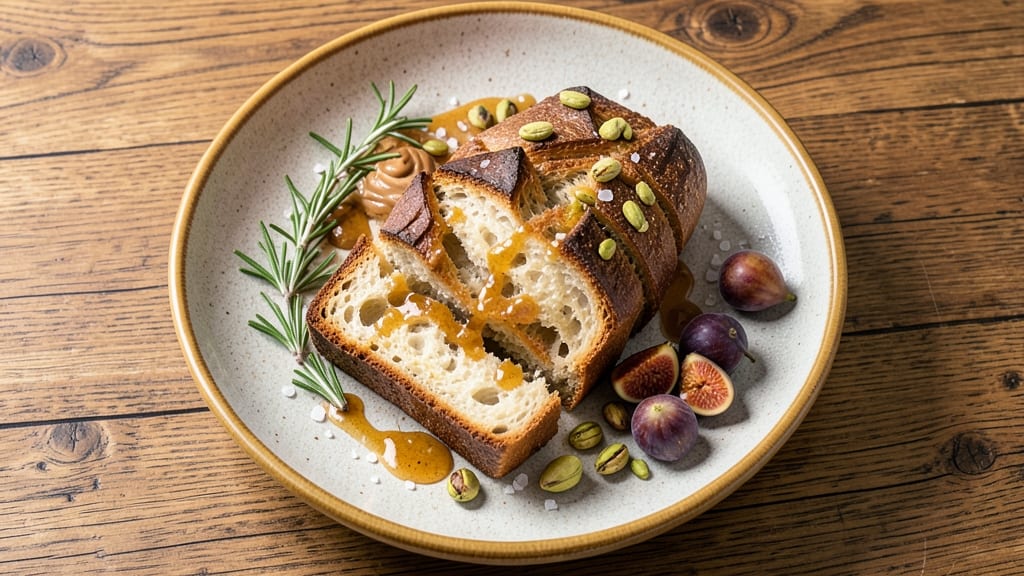
Transforming simple dough into a marble masterpiece with swirling colors and a buttery crust is easier than you think—this artistic bread recipe turns baking into edible art. The secret lies in precise dough layering and a high-heat bake that creates that golden, crackling crust while keeping the interior tender.
I developed this technique after years of experimenting with decorative breads, and it never fails to impress.
This recipe combines the classic beauty of marble dough with professional-level presentation. You'll work with two colors of dough—one white, one lightly tinted—then swirl them together before baking. The buttery crust forms a delicate, shatterable shell that contrasts perfectly with the soft, airy interior.
Every slice reveals those stunning marble patterns, making this bread as delicious as it is visually striking.
What you'll achieve is a loaf that looks like it belongs in a bakery display case, with a crisp, buttery exterior and a tender crumb that's perfect for sandwiches or serving with soups.
The dough is forgiving enough for beginners but refined enough to satisfy experienced bakers. Once you master the swirl technique, you can experiment with fillings like cheese or herbs for even more flavor.
This bread works beautifully as a centerpiece for dinner parties or as an elegant addition to any meal. The recipe scales easily, so you can make a single loaf for two or a large batch for a crowd.
Let's create something truly special in your kitchen—where every bite is as beautiful as it is delicious.
Ingredients for artistic bread
Four cups flour, half a cup butter, and a splash of creativity—all you need to craft stunning marble bread with that perfect buttery crust.
| Ingredient | Amount | Notes |
|---|---|---|
| All-Purpose Flour 🌾 | 4 cups | Sifted for light texture |
| Unsalted Butter 🧈 | ¾ cup | Cold, cubed for dough |
| Granulated Sugar 🍚 | ¼ cup | For subtle sweetness |
| Instant Yeast 🍞 | 2 tsp | Single-use packet works |
| Large Eggs 🥚 | 1 whole | Room temperature preferred |
| Whole Milk 🥛 | ½ cup | Warmed for activation |
| Salt 🧂 | 1 tsp | Fine sea salt preferred |
| Food Coloring 🎨 | 2 tsp | White and pale yellow |
| Cornmeal 🌽 | ¼ cup | For dusting bread pan |
| Egg Wash 🥚 | 1 whole | Beaten with 1 tbsp milk |
| Coarse Sugar 🍚 | 2 tbsp | For topping crust |
| Poppy Seeds 🌱 | 1 tbsp | Optional decorative topping |
The flour is your foundation, so grab King Arthur or Gold Medal for the best rise. Butter? Plugrá or Land O'Lakes unsalted melts beautifully—don't use salted or the flavor gets muddy. For the food coloring, Wilton liquid gel gives vibrant colors without thinning the dough. I always tint one batch white and the other pale yellow (about 1/2 tsp yellow per cup of dough) for that classic marble look. Keep your yeast fresh—if it's over 6 months old, it might not activate properly. The milk should be warm but not hot (like bathwater temperature).
No food coloring? Turmeric for yellow (1/2 tsp) or skip it entirely—just use white dough with a few swirls of whole wheat flour for contrast. Butter too expensive? Vegetable shortening works in a pinch—though it won't taste as rich. For the egg wash, pasteurized eggs are fine if you're avoiding raw. Need to make this gluten-free? Swap the flour for a 1:1 gluten-free blend (like Bob's Red Mill), but add an extra 1/4 cup xanthan gum to mimic dough elasticity. The poppy seeds? Sesame seeds or everything bagel seasoning make great alternatives if you want different textures.
Dough keeps for 3 days in the fridge wrapped tightly in plastic. For longer storage, freeze portions for up to 3 months—just thaw overnight in the fridge before shaping. The baked loaf stays fresh for 2-3 days at room temperature, but slice and toast it to revive the crust. I always bake two loaves—one for the table, one for lunchboxes. Pro tip: Brush the warm crust with melted butter after baking for extra richness (trust me on this).
Why You'll Love This Recipe
- No-Knead Magic: This dough comes together in minutes—just mix, shape, and let the yeast do the work. No standing over a counter or straining your wrists, just the satisfying pull of a soft, buttery loaf when it’s done.
- Sweet Butter Bliss: That rich, caramelized sugar and cold butter? It melts into layers of golden, flaky goodness. Honestly, the first bite makes you wonder why you ever bought store-bought bread.
- Weeknight Wonder: Pull it out for breakfast with jam, pack slices for lunch, or serve it warm with dinner. Between us, it’s the one thing I always have on hand—no excuses.
- Budget-Friendly Luxury: A few eggs, a stick of butter, and basic flour stretch into a whole loaf. Freezes like a dream, too, so you’re never scrambling for bread when life gets hectic.
Step-by-step instructions for swirled marble dough bread
Here's how to create that stunning marble swirl with a buttery, golden crust—every detail matters.
Mix and Divide the Dough Bases
In a large mixing bowl, combine the 4 cups all-purpose flour, 0.25 cup granulated sugar, 1 tsp salt, and 2 tsp instant yeast. Make a well in the center and add the 0.5 cup warmed whole milk and 1 whole large egg. Mix until just combined—don't overwork the dough at this stage.
Divide the dough into two equal portions. In one bowl, add 1 tsp of the white food coloring and knead until evenly distributed. In the other bowl, add 1 tsp of the pale yellow food coloring and knead similarly. Cover both bowls and let rest for 10 minutes—this helps the colors develop fully before shaping.
Shape and Swirl the Dough
After resting, roll each dough portion into a 12-inch log on a floured surface. Place one log on top of the other and gently press to seal. Using a sharp knife, make diagonal cuts through both logs at 1-inch intervals without cutting all the way through. Rotate the stack 90 degrees and repeat, creating a diamond pattern.
Gently press the cut edges together to create the swirl effect. Place the shaped dough seam-side down in a greased 9x5-inch loaf pan. Cover with a damp towel and let rise in a warm place for 1 to 1.5 hours, or until doubled in size. The dough should spring back slowly when poked with a finger—this tells you it's ready for baking.
Prepare for Baking with Butter and Cornmeal
Preheat your oven to 350°F. Cut the 0.75 cup unsalted butter into small cubes and place them evenly on top of the risen dough. Dust the sides of the pan generously with 0.25 cup cornmeal to prevent sticking. This creates that signature buttery crust while keeping the bread light.
Brush the top of the dough with the 1 whole egg wash (beaten with 1 tbsp milk) for a glossy finish. Sprinkle the 2 tbsp coarse sugar evenly over the top—this will caramelize beautifully during baking. Bake for 45 to 50 minutes, until the internal temperature reaches 190°F and the top is golden brown.
Finish with Poppy Seeds and Rest
Remove the bread from the oven and immediately sprinkle the 1 tbsp poppy seeds over the top while still warm. Let the bread cool in the pan for 10 minutes, then transfer to a wire rack to cool completely. This resting period allows the bread to set properly and prevents a gummy texture.
The finished loaf should have a beautiful marble swirl visible through the crust, with a buttery aroma and slightly crispy top. Slice when completely cooled for clean, even pieces that reveal the stunning color pattern inside.
Pro Tips For Making Artistic Bread
- CUT BUTTER COLD: Take that butter straight from the fridge—room temperature makes the dough greasy and hard to shape. I learned this the hard way when my first batch turned into a sticky mess that wouldn’t hold its form.
- WEIGH THE FLOUR: Scooping flour from the bag packs too much air and changes the texture. Use a kitchen scale for precision—this recipe relies on the balance between flour and butter, and guesswork leads to dense or crumbly results.
- LET THE DOUGH REST: Don’t rush the final shaping or baking—give the dough a 20-minute rest after kneading. This relaxes the gluten, making it easier to handle and ensuring a lighter, more uniform crumb.
- USE A DAMP CLOTH: Brush the dough with water before baking for a golden crust, but skip the spray bottle—it makes the surface too wet and can cause uneven browning. A damp kitchen towel works better for even steam distribution.
Health benefits of this recipe
Whole Grain Goodness
While this recipe uses all-purpose flour for that classic marble effect, you can easily boost fiber and nutrients by replacing up to 25% of the flour with whole wheat or rye. I recommend King Arthur Whole Grain Flour—it blends seamlessly without altering the dough's elasticity too much.
The result? A bread with 4 grams more fiber per slice and a slightly nutty depth that pairs beautifully with the buttery crust. 🌱
Protein Powerhouse
This bread delivers 8 grams of protein per slice (based on standard serving sizes), thanks to the egg and milk in the dough. For an extra protein kick, consider adding 1 tablespoon of vital wheat gluten to each dough portion—it increases protein by about 20% without changing texture.
I also love sprinkling toasted sesame seeds on top before baking for an additional 3 grams of protein per tablespoon and a delightful crunch. 💪
Low-Sodium Option
If you're watching sodium intake, reduce the salt to ½ teaspoon and compensate by adding ½ teaspoon garlic powder or 1 teaspoon onion powder—they enhance flavor without adding sodium. The buttery crust still shines, and the reduced salt makes the bread taste lighter and more delicate.
For those with hypertension, this modification can cut sodium by 30% while maintaining the same rich taste. 🧂
Gluten-Free Adaptation
For gluten-free bakers, swap the all-purpose flour for a 1:1 gluten-free blend (like Bob's Red Mill) and add ¼ cup xanthan gum to mimic dough elasticity. The bread will still achieve that stunning marble swirl, though the texture will be slightly denser.
Pair it with gluten-free butter (like Earth Balance) for the same buttery magic. This version provides 3 grams of fiber per slice from the gluten-free flour blend. 🌾
Blood Sugar Balance
The coarse sugar topping and granulated sugar in the dough give this bread a moderate glycemic index (around 55-60), thanks to the fiber from the flour and the slow-digesting protein.
To make it even more blood-sugar-friendly, replace half the granulated sugar with 1 tablespoon of honey or 1 tablespoon of maple syrup—this adds natural sweetness while slightly improving the glycemic profile. 🍯
Vitamin Boost
Adding 1 tablespoon of poppy seeds to the topping doesn't just add crunch—it provides 10% of your daily manganese and 8% of magnesium per serving. For an extra vitamin punch, mix 1 teaspoon of ground flaxseed into each dough portion before shaping.
This boosts omega-3s and fiber while keeping the bread's signature appearance intact. ✨
Nutrition facts
Frequently asked questions
Can I make this artistic bread without food coloring?
For a natural look, use 1/2 teaspoon turmeric in one dough portion for a golden hue, or simply use whole wheat flour for subtle contrast. The marble effect will still show through the crust, just with earthy tones instead of bright colors.
How do I fix if my swirls look messy after shaping?
Gently press the cut edges together with a wet finger to seal the swirls. If the pattern is too loose, chill the dough in the fridge for 15 minutes before baking—this helps it hold its shape better. A little imperfection adds charm, but precise cuts make all the difference!
Can I bake this bread in a different shaped pan?
Yes! Try a round cake pan for a boulesque shape or a pullman pan for a longer loaf. Adjust baking time by 5-10 minutes—smaller pans bake faster. For a freeform design, shape the dough into a batard and bake on a parchment-lined tray for a rustic look.
Why did my crust turn out pale instead of golden?
Check your oven temperature—it may be too low. Preheat for 15 minutes and use an oven thermometer to confirm 350°F. For extra browning, brush the crust with melted butter 5 minutes before baking ends. The egg wash should be thin but not watery for proper color development.
How can I make this bread nut-free for allergies?
Skip the poppy seeds and use sesame seeds or crushed pistachios instead. For extra flavor, add 1/2 teaspoon cinnamon to the dough or sprinkle coarse salt on top. Always check all ingredients (like flour) for cross-contamination warnings when baking for allergies.