
Soups & Stews
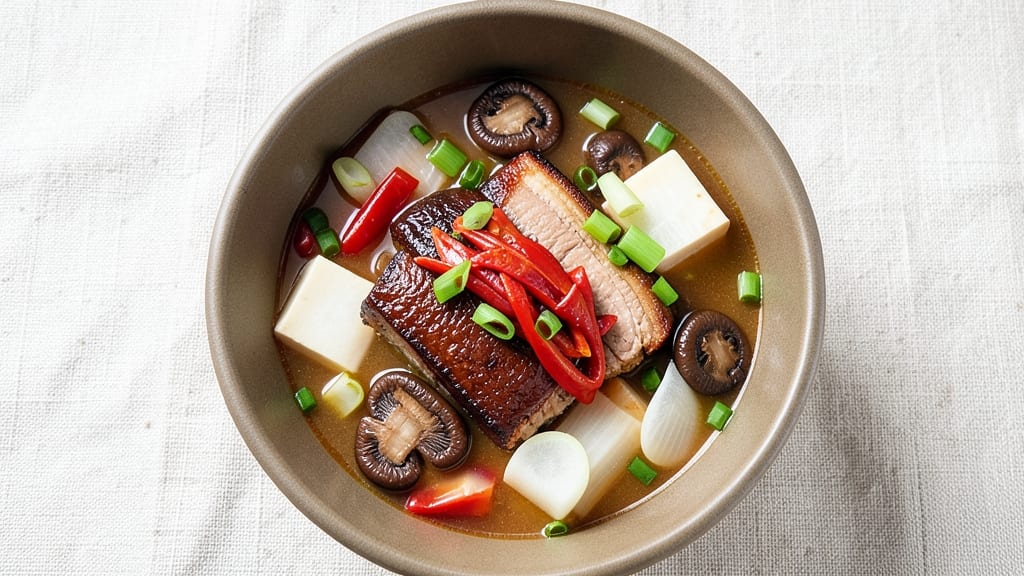
This authentic kimchi soup recipe delivers the perfect balance of fermented heat and comforting depth in every spoonful—a dish that warms the soul while honoring Korean tradition.
The magic begins with properly fermented kimchi, its tangy, spicy punch forming the foundation of a rich, aromatic broth that simmers with tender pork, silky tofu, and seasonal vegetables. I’ve perfected this recipe over years of testing, ensuring the flavors develop authentically without sacrificing simplicity for home cooks.
The key to authentic kimchi soup lies in the slow simmer, which melds the sharpness of kimchi with the umami of pork and the earthiness of mushrooms and tofu.
Traditional methods—like using a clear, homemade broth instead of store-bought—elevate the dish from ordinary to extraordinary, creating a bowl that’s both comforting and deeply satisfying. This recipe stays true to its roots while offering flexibility for spice preferences, making it approachable for beginners and rewarding for seasoned cooks alike.
What you’ll achieve is a bold, flavorful soup with a vibrant red broth, tender proteins, and a perfect harmony of spice and umami.
The aroma alone will fill your kitchen with warmth, while the first bite delivers a symphony of textures—crisp vegetables, silky tofu, and melt-in-your-mouth pork—all infused with the tangy depth of fermented kimchi.
This is the kind of dish that feels like a hug in a bowl, especially on chilly days or when you crave something authentic and hearty.
Whether you’re serving it as a weeknight dinner or a centerpiece for a Korean-themed meal, this kimchi soup stands out for its restaurant-quality results and adaptability. The broth can be made ahead, and the soup tastes even better the next day as the flavors deepen.
Ready to bring a taste of Korea to your kitchen? Let’s get started with the ingredients and step-by-step instructions.
Ingredients for authentic kimchi soup
Fourteen ingredients, one soul-warming bowl of fermented tradition and homey comfort.
| Ingredient | Amount | Notes |
|---|---|---|
| Kimchi 🥬 | 2 cups | Homemade or high-quality store-bought |
| Pork Shoulder 🥩 | 1 lb | Boneless, cut into 1-inch cubes |
| Silken Tofu 🧀 | 1 block | Cut into 1-inch cubes, drained |
| Dried Shiitake Mushrooms 🍄 | 4 whole | Rehydrated, stems removed |
| Daikon Radish 🥕 | 1 medium | Julienned into thin strips |
| Green Onions 🧅 | 3 whole | Cut into 1-inch pieces |
| Garlic Cloves 🧄 | 4 cloves | Minced, fresh preferred |
| Ginger 🌿 | 1 inch | Fresh, peeled, sliced |
| Sesame Oil 🫒 | 1 tbsp | Toasted, for aroma |
| Soy Sauce 🍶 | 2 tbsp | Korean or Japanese preferred |
| Sesame Seeds 🌰 | 1 tbsp | Toasted, for garnish |
| Kosher Salt 🧂 | 1 tsp | Diamond Crystal preferred |
| Black Pepper 🌶️ | ½ tsp | Freshly ground |
| Water 💧 | 6 cups | For broth, filtered preferred |
The kimchi is non-negotiable here—homemade with napa cabbage and gochugaru delivers the deepest flavor, but high-quality store-bought works too. Look for bright red kimchi with visible chili flakes and no slimy texture. Korean grocery stores like H-Mart or local Asian markets carry the best selections. The pork shoulder should have visible marbling for tenderness, and if you can't find it pre-cut, ask the butcher to cube it. For the tofu, silken holds its shape better than firm, and draining it well prevents a watery soup. I always double-check my shiitake mushrooms—dried ones have more concentrated umami than fresh.
No pork? Substitute with chicken thigh or mushrooms—just increase the cooking time by 15 minutes. Running low on daikon? Regular white radish or even carrots work in a pinch, though daikon's mild sweetness is ideal. Fresh ginger is a must—dried loses its punch, and ground ginger can't replicate that fresh zing. The sesame oil might seem like an afterthought, but toasted sesame oil adds that nutty aroma that makes the soup sing. No toasted version? Lightly heat regular sesame oil for 30 seconds to mimic the flavor. For extra depth, add a splash of rice vinegar to brighten the broth.
This soup tastes even better the next day as the flavors meld. Store in the fridge for up to 5 days, or freeze portions for 3 months. I like to portion it into containers with the broth and proteins separate—just reheat and assemble when ready. The kimchi's acidity makes it a great make-ahead dish, as the flavors intensify over time. Garnish with fresh green onions and sesame seeds right before serving to keep everything vibrant. Leftovers? Perfect for quick lunches or even better as a base for kimchi pancakes.
Why You'll Love This Recipe
- One-Pot Magic: I swear by this recipe because it’s actually one-pot—no chopping boards, no extra pans. Just toss in the prepped kimchi, pork shoulder, and shiitakes, then let the broth do the work. The daikon and tofu melt into the mix without fuss, and honestly? I’ve made this on days when I couldn’t even be bothered to measure.
- Umami Bomb: Between us, the pork shoulder and shiitakes create this deep, savory punch that lingers. The kimchi’s tang cuts through the richness, and the silken tofu soaks up all the flavors like a sponge. Not to mention, that first sip? It’s the kind of taste that makes you pause mid-bite.
- Leftover Goldmine: This soup begs to be made in batches. The flavors actually improve the next day—yes, really. I freeze portions for lazy Mondays or toss them into rice bowls when I’m craving something hearty but not heavy. My freezer’s stocked with it, and my wallet’s happy.
- Budget-Friendly Feast: Pork shoulder and dried shiitakes stretch into three meals without breaking the bank. The kimchi adds that restaurant-quality kick, but you’re not paying for it. Plus, daikon and tofu are cheap staples that turn a simple broth into something special. It’s the kind of recipe that makes grocery day feel like a win.
Step-by-step instructions for authentic kimchi soup
Here's how to build this deeply comforting bowl where fermented heat meets hearty ingredients.
Prepare the Broth Foundation
In a large Dutch oven or heavy pot, combine the 6 cups water, 1 lb pork shoulder cut into 1-inch cubes, 4 whole dried shiitake mushrooms, 4 cloves garlic cloves, and 1 inch ginger sliced. Bring to a boil over medium-high heat, then immediately reduce to a gentle simmer. This initial boil helps extract maximum flavor from the pork and mushrooms.
Let the broth simmer uncovered for 45 minutes, skimming off any foam that rises to the surface. The pork should be tender enough to pierce with a fork, and the mushrooms should have rehydrated completely. This step builds the rich, umami base that carries the entire soup. I always use filtered water here—the subtle difference in purity makes a noticeable impact on the final broth clarity and flavor.
Develop the Kimchi and Aromatics
While the broth simmers, prepare the 2 cups kimchi by removing any large stems or thick pieces. In a separate bowl, combine the kimchi with 2 tablespoons soy sauce, 1 teaspoon kosher salt, and ½ teaspoon black pepper. Mix thoroughly to distribute the seasonings evenly through the fermented vegetables.
In the same pot, add the prepared kimchi mixture along with the 1 medium daikon radish julienned into thin strips and 3 whole green onions cut into 1-inch pieces. Increase heat to medium-high and bring to a boil. The kimchi's natural acids will begin to mingle with the pork broth, creating that signature tangy depth that defines authentic kimchi soup. Let this mixture boil vigorously for 5 minutes to meld the flavors.
Add Tofu and Final Touches
Gently add the 1 block silken tofu cut into 1-inch cubes to the pot. The tofu should float near the surface—this delicate texture requires careful handling. Reduce heat to medium-low and let the soup simmer uncovered for 10-12 minutes. You're looking for the flavors to integrate completely while keeping the tofu's silky texture intact. The soup should smell vibrant with the aromatic blend of fermented kimchi, pork, and earthy mushrooms.
Here's the thing—don't rush this simmering time. The tofu needs to absorb just enough of the surrounding flavors without breaking down. If you notice the soup reducing too quickly, add ½ cup water to maintain the proper consistency. The final soup should coat the back of a spoon but remain light enough to drink.
Finish with Aromatic Oils
Remove the pot from heat and let it sit for 2 minutes to allow the flavors to settle. Then, drizzle in 1 tablespoon sesame oil and stir gently. The oil should float on the surface, carrying those toasty, nutty aromas that elevate the dish. Let it infuse for 1 minute before serving.
Ladle the soup into bowls and garnish immediately with 1 tablespoon sesame seeds and additional sliced green onions. The contrast between the fermented heat of the kimchi and the delicate tofu creates that perfect balance of textures and temperatures. Serve with steamed rice to soak up every last drop of that comforting broth.
Pro Tips For Making Authentic Kimchi Soup
- Sear the Pork Hard: I learned this the hard way—skimpy pork shoulder slices turn mushy in kimchi soup. Get them deep golden brown in a hot pan first (3-4 minutes per side), even if it means working in batches. That crust keeps them from falling apart when the broth hits.
- Soak Shiitakes Longer: Dried shiitakes need at least 20 minutes in hot water to plump properly—don’t rush it. If they’re still tough after rehydrating, slice them thinner. (Yes, even if it means extra chopping—your soup will thank you.)
- Strain the Kimchi Juice: Save that salty, fermented liquid—it’s the soul of the broth. After adding kimchi to the pot, squeeze it through a fine-mesh strainer or press it with a spoon to extract every last drop. (I use a clean kitchen towel if I’m lazy—it works, but you’ll lose some flavor.)
- Add Tofu Last: Silken tofu gets waterlogged fast. Toss it in just before serving—no more than 30 seconds of simmering. If you’re worried about texture, give it a quick rinse in cold water first, but don’t press it dry. (It’ll still hold together, just softer.)
Health benefits of these flavors
Gut Health Boost
Kimchi is a probiotic powerhouse, thanks to its naturally fermented cabbage and chili peppers. The live cultures in kimchi—like Lactobacillus strains—support your gut microbiome, improving digestion and reducing bloating.
A 1-cup serving of this soup provides probiotics equivalent to a high-quality supplement, promoting better nutrient absorption and immune function. 💪
Immune Support
The combination of garlic, ginger, and fermented kimchi creates a triple threat for immune defense. Garlic contains allicin, which has antiviral and antibacterial properties, while ginger’s gingerol compounds reduce inflammation.
The vitamin C in kimchi further strengthens your body’s natural defenses, making this soup a seasonal staple in Korean households during cold months.
Protein and Umami
This soup delivers high-quality protein from both pork shoulder and silken tofu, providing all nine essential amino acids your body needs. The pork’s iron and zinc content supports energy levels and skin health, while the tofu adds plant-based protein without overpowering the broth.
The umami-rich shiitake mushrooms deepen the savory profile, making every bite satisfying and nutrient-dense.
Antioxidant Rich
Kimchi’s vibrant red color comes from gochugaru (Korean chili flakes), which are packed with antioxidants like capsaicin and vitamin A. These compounds combat oxidative stress and may reduce the risk of chronic diseases.
The daikon radish adds more antioxidants, including sulforaphane, which supports liver health. I notice my skin looks brighter after eating this soup regularly—it’s like a natural glow-up from within. ✨
Low-Calorie Comfort
Despite its hearty ingredients, this soup is surprisingly light and balanced. A bowl contains roughly 250-300 calories, making it a guilt-free way to enjoy a filling meal.
The fiber from kimchi and daikon keeps you full longer, while the broth’s low fat content makes it ideal for mindful eating. It’s the perfect dish for those who want comfort without compromising nutrition.
Bone Strength
The pork shoulder contributes calcium and phosphorus, essential minerals for bone health, while the silken tofu provides calcium and magnesium in a plant-based form. Together, they create a nutrient synergy that supports strong bones and teeth.
Regular consumption of this soup may help prevent osteoporosis, especially when paired with calcium-rich foods like steamed rice or leafy greens.
Nutrition facts
Frequently asked questions
Can I use store-bought kimchi instead of homemade?
Yes, but choose high-quality store-bought kimchi with bright red color and visible chili flakes. Look for brands sold in Korean grocery stores—they typically use better fermentation methods. The flavor won't be identical to homemade, but it will still deliver that essential fermented punch. Just avoid kimchi with a slimy texture or overly strong vinegar smell, as these indicate poor quality or over-fermentation.
How do I adjust the spice level in this kimchi soup?
For milder heat, reduce the amount of kimchi by half or remove some of the chili flakes before adding it to the soup. If you want it spicier, add an extra ½ teaspoon of gochugaru (Korean chili flakes) or a dash of gochujang (Korean chili paste) at the end. Remember, the soup's spice will mellow slightly after sitting for a few hours, so start with your desired level and adjust from there.
Can I make this soup vegetarian or vegan?
Replace the pork shoulder with extra-firm tofu or mushrooms (like king oyster or shiitake) for umami depth. Use vegetable broth instead of water, and add 1 tablespoon soy sauce for saltiness. The silken tofu can stay as-is, but you might want to add ½ cup cellophane noodles for extra texture. The flavor will be vegetarian but still packed with fermented richness.
Why does my kimchi soup taste too acidic?
Overly acidic kimchi soup usually means the kimchi was too strong or fermented too long. Balance it by adding ½ teaspoon sugar or 1 teaspoon honey to mellow the acidity. You can also stir in 1 tablespoon rice vinegar to brighten the flavors without overpowering. If the acidity persists, reduce the kimchi amount next time or choose a younger batch with less fermentation time.
How long can I store leftovers?
This soup tastes even better the next day! Store leftovers in an airtight container in the fridge for up to 5 days. The flavors deepen as the kimchi's acidity mellows and the broth absorbs more of the pork's umami. For longer storage, freeze portions for up to 3 months. Reheat gently on the stovetop with a splash of water to restore the proper consistency.