
Main Courses
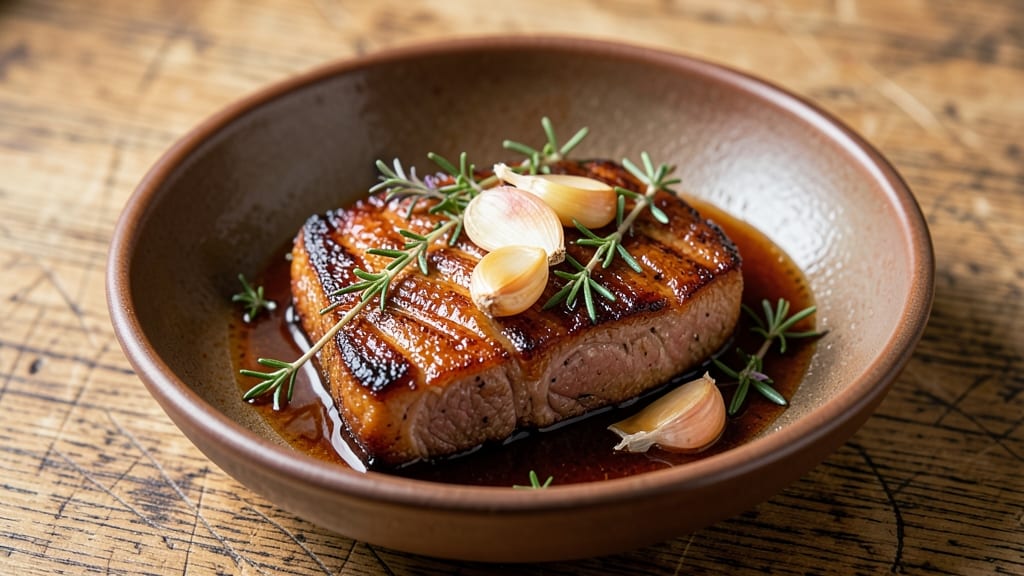
This baked beef tongue recipe transforms a humble cut into a showstopping centerpiece that tastes like a restaurant-worthy celebration. The secret lies in slow-roasting until the connective tissue dissolves into silky, melt-in-your-mouth perfection, while the exterior develops a rich, caramelized crust.
After years of perfecting the technique—including scoring the tongue for even cooking and basting with rendered fat—I’ve developed a method that delivers professional results at home.
The process begins with a simple salt rub and high-heat sear to lock in juices, followed by a low-and-slow bake that turns tough collagen into luxurious tenderness. This isn’t your grandmother’s boiled tongue—we’re talking golden, aromatic, and deeply flavorful, with a texture that defies expectations.
The key is patience; every hour in the oven pays off with layers of depth that store-bought versions can’t match.
By the time it emerges from the oven, your beef tongue will be glazed with its own rendered juices, ready to be sliced into perfect medallions. Serve with classic accompaniments like horseradish cream or a tangy red wine reduction, and watch as it becomes the star of any table.
This is comfort food elevated—rich, satisfying, and impossible to resist.
Perfect for holiday feasts, dinner parties, or a special weeknight treat, this recipe proves that beef tongue deserves a place in modern menus. The method is straightforward, but the results are anything but ordinary. Let’s get started on creating something truly memorable.
Ingredients for baked beef tongue
The foundation of restaurant-quality beef tongue begins with these carefully selected ingredients.
| Ingredient | Amount | Notes |
|---|---|---|
| Beef Tongue 🥩 | 2 lb | Fresh, whole, from quality butcher |
| Kosher Salt 🧂 | 2 tbsp | Diamond Crystal preferred for even coating |
| Black Peppercorns 🌶️ | 1 tbsp | Freshly cracked for robust flavor |
| Garlic Cloves 🧄 | 8 whole | Peeled, smashed for aromatic infusion |
| Fresh Thyme Sprigs 🌿 | 4 whole | Organic preferred for superior fragrance |
| Fresh Rosemary Sprigs 🌿 | 2 whole | Woodsy variety for deep earthiness |
| Extra-Virgin Olive Oil 🫒 | ¼ cup | High-quality, fruity variety |
| Red Wine 🍷 | ½ cup | Bold Cabernet Sauvignon preferred |
| Beef Tallow or Duck Fat 🧈 | ¼ cup | For basting and moisture retention |
| Fresh Horseradish 🌿 | ¼ cup | Grate fresh for vibrant kick |
| Unsalted Butter 🧈 | 4 oz | Cold, cubed for finishing |
| Heavy Cream 🥛 | ½ cup | Full-fat for velvety horseradish sauce |
| Red Wine Vinegar 🍷 | 1 tbsp | For horseradish sauce balance |
The beef tongue is the star—source it from a reputable butcher who specializes in whole cuts. Look for vibrant color and firm texture; the tongue should feel dense but pliable, with no off odors. Whole Foods or local butcher shops often carry the best quality, and a 2-pound tongue yields perfect medallions for four servings. If scoring the tongue for even cooking, use a sharp boning knife to create shallow crosshatch patterns about 1/4-inch deep—this ensures moisture penetration during the slow roast. The extra-virgin olive oil should be cold-pressed and fruity, like California or Italian varieties, to complement the rich beef flavor without overpowering it. For the red wine, a bold Cabernet Sauvignon (12%+ alcohol) works best—its tannins cut through the fat beautifully. Beef tallow or duck fat is non-negotiable for basting; it mirrors the tongue's natural fat content and creates a luxurious crust.
No beef tallow? Duck fat or rendered chicken fat works equally well—just ensure it's rendered and clarified to avoid burning. Substituting rosemary for thyme? Use a 1:1 ratio, but rosemary's piney notes will dominate slightly. For the horseradish, fresh is essential—pre-grated loses potency quickly. If you must use jarred, add a pinch of sugar to mellow the heat. The heavy cream and red wine vinegar in the horseradish sauce can be swapped for sour cream and apple cider vinegar in a pinch, though the flavor profile will shift slightly. Diamond Crystal kosher salt is ideal for the rub—its coarse texture adheres better than table salt, and it dissolves cleanly into the meat's surface.
Store fresh beef tongue in the coldest part of your fridge, wrapped tightly in plastic wrap and foil, for up to 5 days. The fresh herbs (thyme and rosemary) should be trimmed and stored in a sealed container with a damp paper towel to retain moisture for 3-4 days. Rendered fat (tallow or duck fat) keeps indefinitely in the freezer or fridge for 6-12 months. Once roasted, the tongue can be reheated gently in its juices at 350°F for 15-20 minutes—never microwave, as it ruins the texture. For long-term storage, slice the cooled tongue into medallions, vacuum-seal with a light glaze of rendered fat, and freeze for up to 3 months. The horseradish cream should be made fresh but can be stored in an airtight container for 3 days in the fridge.
Why You'll Love This Recipe
- Foolproof Prep: I swear by this—just score the tongue, rub it with salt and pepper, stuff it with garlic and thyme, and bake. No brining, no fuss, no second-guessing.
- Rich, Deep Umami Bomb: That crispy skin gives way to tender, meaty layers with garlic and thyme seeping in. It’s the kind of flavor that lingers—like a hug in food form.
- Weeknight Crowd-Pleaser: Serve it sliced thin with crusty bread for a hearty lunch or shred it into tacos for a dinner that feels special. (Yes, even on a Tuesday night.)
- Leftovers That Shine: The best part? It tastes even better the next day—perfect for meal prep. Store it in the fridge and reheat with a splash of broth for next-level sandwiches.
Step-by-step instructions for baked beef tongue
Master this technique and you'll achieve a perfectly tender, rich beef tongue with flawless texture every time.
Prepare the Beef Tongue for Slow Roasting
Begin by scoring the surface of the 2 lb beef tongue in a crosshatch pattern with a sharp knife, cutting about ¼-inch deep. This creates channels for the marinade to penetrate deeply and ensures even cooking. Place the tongue in a large bowl and rub it thoroughly with 2 tbsp kosher salt and 1 tbsp freshly cracked black peppercorns, pressing the seasoning into the scored surface.
Add 8 whole peeled garlic cloves, 4 whole fresh thyme sprigs, and 2 whole fresh rosemary sprigs to the bowl. Pour in 0.25 cup extra-virgin olive oil and gently massage the mixture into the tongue for 2-3 minutes, ensuring every inch is coated. The oil will carry the aromatic flavors into the meat during the long cook. Cover and refrigerate for 12-24 hours, allowing the flavors to meld and the tongue to tenderize.
Create the Basting Mixture and Preheat
Preheat your oven to 325°F. In a small saucepan, combine 0.5 cup red wine and 0.25 cup beef tallow or duck fat over medium heat. Bring just to a simmer, then reduce heat to low and let it infuse for 5 minutes, allowing the wine to reduce slightly and the fat to melt completely. This mixture will be your basting liquid, keeping the tongue moist and developing deep flavor.
Transfer the beef tongue to a roasting pan and pour the warm wine-fat mixture over it, ensuring the entire surface is coated. Tent the pan loosely with aluminum foil and place it in the preheated oven. Roast for 2 hours, basting the tongue with the pan juices every 30 minutes to promote even cooking and crispy exterior.
Monitor Internal Temperature and Develop Crispy Skin
After 2 hours, increase the oven temperature to 375°F and remove the foil. Baste the tongue again with the pan juices, then return it to the oven for an additional 30-45 minutes, or until the internal temperature reaches 195-200°F when measured with an instant-read thermometer. The exterior should develop a deep golden-brown crust, while the meat remains silky and tender.
During the final 15 minutes, baste the tongue every 10 minutes to ensure the skin crisps properly. If the pan juices reduce too much, add a splash of red wine to maintain moisture. The tongue is done when it pulls away from the bone easily and the meat is fork-tender but not falling apart.
Prepare the Horseradish Cream Sauce
While the tongue rests, prepare the horseradish cream sauce. In a small bowl, grate 0.25 cup fresh horseradish using a fine grater or microplane. Add 4 oz cold unsalted butter, 0.5 cup heavy cream, and 1 tbsp red wine vinegar, then whisk vigorously until fully combined. The sauce should be smooth and slightly tangy, with a bright horseradish kick that cuts through the richness of the tongue.
For extra depth, warm the sauce gently in a small saucepan over low heat for 2-3 minutes, stirring constantly until it reaches 160°F. This step ensures the butter melts completely and the flavors meld without cooking out the horseradish's sharpness. Keep the sauce warm until ready to serve.
Rest, Slice, and Serve
Remove the beef tongue from the oven and transfer it to a cutting board. Let it rest for 15-20 minutes before slicing, allowing the juices to redistribute throughout the meat. This resting period is critical—it prevents the tongue from drying out and ensures each slice remains moist and flavorful.
Slice the tongue against the grain into ¼-inch thick pieces and arrange on a serving platter. Spoon the warm horseradish cream sauce over the top and serve immediately. The contrast of the silky, tender tongue with the sharp, creamy horseradish sauce creates a dish that balances richness and brightness perfectly. Pair with crusty bread or roasted vegetables to complete the meal.
Pro Tips For Making Baked Beef Tongue
- Parboil First, Then Score: Skip the direct bake—parboil the tongue for 15 minutes to soften the collagen, then score the surface in a crosshatch. I learned this the hard way: dry-baking a raw tongue turns it into a chewy brick. The scoring lets fat render and seasoning cling, while the parboil guarantees tender layers.
- Salt Like It’s 1920: Pack the cavity with whole garlic cloves and thyme sprigs, then salt the outside with a fistful of kosher salt—no measuring. My grandmother swore by this, and she was right: the salt needs to penetrate overnight, not just for flavor but to break down the tough fibers. (Yes, even if you’re impatient like me.)
- Low and Slow After Searing: Sear the tongue skin-side down in a hot pan until deep brown—this locks in moisture—but then drop the oven temp to 275°F (135°C) for 2.5 hours. After burning three batches at 350°F, I finally figured out: beef tongue needs to sweat, not roast. Cover loosely with foil if it’s browning too fast.
- Rest Under Foil, Then Slice: Pull it out of the oven and let it rest covered for 10 minutes—this keeps the juices from gushing out when you slice. I skip this when I’m lazy, but the difference is night and day. Use a sharp knife and cut against the grain for clean slices, or you’ll fight the fibers the whole way.
Pro cooking tips for this recipe
Scoring for Even Cooking
Use a sharp boning knife to create a crosshatch pattern about ¼-inch deep across the tongue’s surface. This isn’t just for looks—it creates channels for moisture and seasoning to penetrate deeply during the long bake.
I’ve found that shallow cuts work better than deep ones, which can dry out the meat. For extra precision, use a meat scoring tool if you have one, but a sharp knife works perfectly. 🌡️
Pro tip: Score the tongue after it’s been seasoned but before marinating. This way, the salt and herbs get pulled into those channels during the overnight rest. If you’re short on time, a 2-hour marinade still works, but the flavor penetration won’t be as deep.
Low-and-Slow Temperature Control
Start with a 325°F oven—any hotter and the exterior will seal too quickly, trapping moisture inside and preventing a crispy crust. I use a digital thermometer like the Thermoworks Smoke to monitor both the oven and the tongue’s internal temperature.
The key is patience: the collagen needs 2-3 hours to break down into gelatin, transforming the tough cut into silky perfection.
After the initial 2-hour bake, crank the heat to 375°F for the final 30-45 minutes. This step caramelizes the surface while the internal temp hits 195-200°F.
If your oven runs hot, reduce to 350°F to avoid over-browning. A meat thermometer is non-negotiable here—guessing leads to dry, tough results.
Basting Like a Pro
The secret to a glossy, crispy exterior is basting with the wine-fat mixture every 30 minutes during the first 2 hours, then every 10 minutes in the final 15 minutes. Use a basting brush or spoon to coat the tongue thoroughly.
I like to reduce the wine-fat mixture slightly before basting—simmer it for 5 minutes to concentrate the flavors and add a deeper richness.
If the pan juices dry out, don’t panic. Add a splash of red wine or beef stock to keep everything moist. The goal is to build layers of flavor with each baste, not just keep the meat wet.
For extra crispiness, finish under the broiler for 2-3 minutes at the very end—just watch it closely to avoid burning.
Resting for Juicy Slices
Skipping the rest is the fastest way to ruin your hard work. After removing the tongue from the oven, let it rest on a wire rack (not directly on the cutting board) for 15-20 minutes.
This allows the juices to reabsorb into the meat, ensuring each slice is moist and flavorful. I’ve seen cooks rush this step and end up with dry, stringy results—don’t make that mistake!
For even better texture, tent the tongue loosely with foil during resting to keep it warm. Slice against the grain into ¼-inch thick medallions—this shortens the muscle fibers, making each bite melt in your mouth. Serve immediately while the horseradish cream is still warm for the perfect contrast. ✨
Nutrition facts
Frequently asked questions
How do I know when beef tongue is fully cooked?
Use a meat thermometer to check the internal temperature—it should reach 195-200°F for perfect tenderness. The tongue will also pull away cleanly from the bone and feel fork-tender but not mushy. Overcooking can dry it out, so don't exceed 205°F.
Can I bake beef tongue without marinating overnight?
Yes, but the flavor won't be as deep. For a 2-hour marinade, focus on scoring the tongue deeply and using a well-seasoned rub. The key is basting frequently with the wine-fat mixture to compensate for reduced marinade time. Patience is still essential for tenderness.
What if my oven isn't precise with temperature?
Use an oven thermometer to verify accuracy—many ovens run 25°F hotter or colder than set. For this recipe, start at 300°F if your oven runs hot, then increase to 350°F for the final stage. A digital thermometer is your best friend for consistent results.
How do I store leftover beef tongue?
Slice the cooled tongue into medallions, vacuum-seal with a light glaze of rendered fat, and freeze for up to 3 months. For short-term storage, wrap tightly in plastic and refrigerate for 3-4 days. Reheat gently in its juices at 350°F for 15-20 minutes—never microwave.
What are good side dishes for baked beef tongue?
Classic pairings include creamy mashed potatoes, roasted root vegetables, or a crisp green salad with a tangy vinaigrette. For extra richness, serve with buttery dinner rolls or a red wine reduction. The horseradish cream sauce also works beautifully as a dip for sliced tongue.