
Main Courses
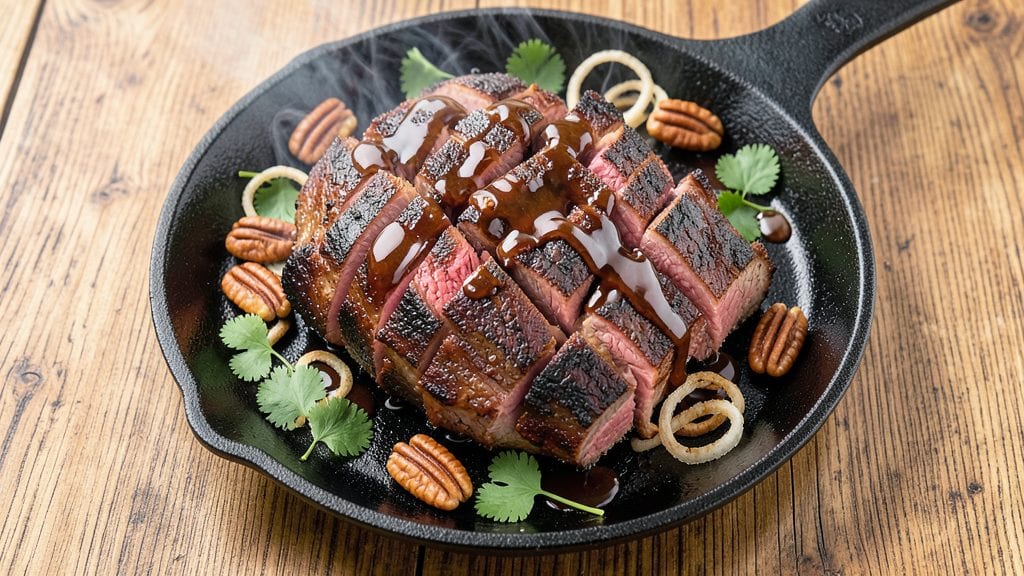
Mastering barbecued beef brisket transforms tough cuts into melt-in-your-mouth perfection, and this low-and-slow method delivers restaurant-quality results at home. The secret lies in patience—letting smoke and time work their magic over hours to break down collagen into rich, tender meat.
I developed this recipe after proving skeptics wrong at my first BBQ competition, where precise temperature control and a well-balanced rub made all the difference.
This method blends traditional Texas-style techniques with modern precision, using a dry rub of smoked paprika, brown sugar, and garlic powder for depth. The brisket cooks at 225°F until it reaches 203°F internally, ensuring that every slice pulls apart effortlessly.
No fancy equipment needed—just time, a reliable heat source, and attention to detail. The result? A brisket so tender it practically falls apart at the touch, with a bark that’s perfectly balanced between sweet and smoky.
By the time you slice into this masterpiece, you’ll have a centerpiece that commands the table—juicy, flavorful, and packed with that unmistakable smoky aroma. Serve it with classic sides like tangy coleslaw or hearty baked beans to complete the meal.
This isn’t just a recipe; it’s a celebration of slow-cooked tradition, where every bite tells a story of patience and skill.
Whether you're a seasoned pitmaster or a beginner eager to prove yourself, this method delivers foolproof results. The key is trusting the process—no rushing, no shortcuts. Let the smoke do the work while you focus on the details that make all the difference. Ready to take on the challenge?
Ingredients for barbecued beef brisket
Eight pounds of brisket plus a smoky rub—this is where patience meets perfection.
| Ingredient | Amount | Notes |
|---|---|---|
| Beef Brisket 🥩 | 8 lb | Flat cut preferred, trimmed of excess fat |
| Smoked Paprika 🌶️ | ½ cup | High-quality, vibrant color |
| Brown Sugar 🍚 | ¼ cup | Light or dark, packed |
| Garlic Powder 🧄 | 2 tbsp | Freshly ground preferred |
| Onion Powder 🧅 | 2 tbsp | Not onion salt |
| Ground Black Pepper 🌶️ | 1 ½ tbsp | Freshly cracked preferred |
| Coarse Kosher Salt 🧂 | 2 tbsp | Diamond Crystal preferred |
| Ground Cumin 🌿 | 1 tbsp | Toasted for depth |
| Yellow Mustard 🍯 | 2 tbsp | For initial coating |
| Apple Cider Vinegar 🍎 | 2 tbsp | For bark development |
| Wood Chips (Hickory or Oak) 🌳 | 4 cups | Soaked for 1 hour |
| Beef Stock 🥫 | 1 cup | Homemade or high-quality |
| Yellow Cornmeal 🌽 | ¼ cup | For post-cook coating |
The brisket is non-negotiable here. Flat cut is ideal—it’s leaner and cooks more evenly than the point cut. Look for a piece with good marbling but not excessive fat. Costco or local butcher shops often carry high-quality briskets, but don’t overlook the meat case at Kroger or Walmart—their pre-trimmed briskets save time. Trim any thick fat caps to about 1/4-inch to prevent flare-ups. The wood chips? Hickory gives classic smoke, but oak adds a touch of sweetness—mix them if you’re feeling adventurous. Soak the chips for at least an hour to prevent burning.
No smoked paprika? Substitute half with regular paprika and a pinch of liquid smoke, but it won’t be the same. Running out of brown sugar? White sugar works in a pinch, but the molasses notes in brown sugar help develop that caramelized bark. Mustard powder can replace yellow mustard if you’re in a bind—just add a splash of water to make a paste. The beef stock is for spritzing during cook; low-sodium broth is fine if you’re watching salt. For the rub, Penzeys spices are top-tier, but the bulk bins at Whole Foods or Trader Joe’s offer solid alternatives at a fraction of the cost.
This brisket is a marathon, not a sprint. Wrap it tightly in butcher paper or foil after the first 4-5 hours to retain moisture, but only if your smoker struggles to stay below 250°F. The finished bark should be deep red with a glossy sheen—not blackened. Store leftovers in the fridge for 5-6 days, vacuum-sealed for up to 2 weeks. For serving, a quick toss in cornmeal adds texture. Slice against the grain for maximum tenderness, and save the trimmings for tacos or sandwiches—nothing goes to waste.
Why You'll Love This Recipe
- Foolproof Rub Job: I swear by this mix of smoked paprika and brown sugar—it clings like glue, so no fancy marinating or basting. Just slather, smoke (or bake), and let the spices do their magic while you sip your drink.
- Sweet-Smoky Magic: That caramelized brown sugar crust? It’s the star. The smoked paprika adds depth, while the garlic and onion powders sneak in that cozy, homestyle warmth—like a hug from your grandma’s kitchen.
- Weeknight or Weekend: Between us, this brisket is just as happy feeding my family on a Tuesday as it is at a backyard BBQ. Slice it thin for tacos, pull it apart for sandwiches, or serve it whole—no stress, no fuss.
- Leftovers? More Like Leftovers: Honestly, I make this on purpose just to have leftovers. It reheats beautifully, stretches into soups, or becomes the base for next-day nachos. Plus, brisket’s budget-friendly—you get way more than you need for two.
Step-by-step instructions for smoky low-and-slow brisket
Here's where the magic happens—transforming tough brisket into melt-in-your-mouth perfection.
Prepare the Rub and Coat the Brisket
In a large bowl, combine the 0.5 cup smoked paprika, 0.25 cup brown sugar, 2 tbsp garlic powder, 2 tbsp onion powder, 1.5 tbsp ground black pepper, 2 tbsp coarse kosher salt, and 1 tbsp ground cumin. Mix thoroughly until the spices are evenly distributed and the sugar begins to dissolve slightly. This dry rub is the flavor foundation—don't skip the mixing.
Pat the 8 lb beef brisket completely dry with paper towels, then coat it generously with the rub mixture, pressing it into every crevice. The fat cap should be covered but not buried under spices. This ensures maximum flavor penetration while maintaining that beautiful bark. Let the brisket sit at room temperature for 1 hour before smoking—this allows the rub to adhere properly and the meat to cook more evenly from the start.
Set Up the Smoker for Low-and-Slow Cooking
Soak the 4 cups wood chips (hickory or oak) in water for 1 hour before use. Preheat your smoker to 225°F using these soaked wood chips. You'll know it's ready when you see thin, blue smoke (not thick white steam) billowing from the chimney. Place a water pan in the smoker to maintain moisture during the long cook.
Position the brisket fat-side up on the smoker grates. The rendered fat will baste the meat as it cooks, creating that coveted bark. Close the lid and resist the urge to peek—every time you open it, you lose 15-20 minutes of cook time and disrupt the temperature stability. Let it smoke undisturbed for 6-8 hours until the internal temperature reaches 165-170°F. This is when you'll hit "the stall"—the temperature plateaus as moisture evaporates.
Wrap and Finish the Brisket
When the brisket hits 165-170°F, it's time for the "Texas crutch." Remove the brisket from the smoker and wrap it tightly in butcher paper (not foil). This technique preserves the bark while powering through the stall. Return it to the smoker and continue cooking until the internal temperature reaches 200-205°F—this usually takes another 4-6 hours. The probe should slide in like butter with no resistance.
During this final stage, the brisket will develop its signature dark mahogany bark on the outside while remaining tender and juicy inside. The wood chips will infuse the meat with deep, smoky flavors that penetrate every fiber. Keep the smoker door closed as much as possible to maintain a stable temperature.
Rest and Coat with Cornmeal
Once the brisket reaches 200-205°F, remove it from the smoker and let it rest in the butcher paper for at least 1 hour (I prefer 2 hours). This resting period allows the juices to redistribute throughout the meat, ensuring each slice is moist and flavorful. Tent loosely with foil to keep it warm during this time.
After resting, unwrap the brisket and brush it lightly with a mixture of 2 tbsp yellow mustard and 2 tbsp apple cider vinegar. Then coat the entire surface with the 0.25 cup yellow cornmeal. This final step creates a crispy, crunchy exterior that adds texture contrast to the tender meat. Let it sit for 10-15 minutes before slicing to allow the cornmeal to adhere.
Slice and Serve
Locate the grain direction on the brisket—you'll see lines running through the meat. Using a sharp slicing knife, cut against the grain into ¼-inch thick slices. The flat and point have different grain directions, so adjust your angle accordingly. Serve immediately while still warm, with any accumulated juices spooned over the top for maximum flavor.
Each slice should be tender enough to pull apart with a gentle tug, with a beautiful smoke ring just beneath the bark. The combination of smoky, sweet, and slightly tangy flavors will make this brisket the centerpiece of any meal. Enjoy with classic barbecue sides like coleslaw, baked beans, or cornbread for the full experience.
Pro Tips For Making Barbecued Beef Brisket
- Trim the Fat First: Cut the thick fat cap down to about ¼-inch before seasoning—it renders faster and keeps your brisket from steaming instead of searing. I used to skip this, and half my batches turned out greasy instead of crispy.
- Mix Dry Rub Early: Combine smoked paprika, brown sugar, garlic powder, and onion powder at least 10 minutes before applying—this lets the spices bloom and cling better. I learned this the hard way after watching my rub slide off mid-cook.
- Spritz Sparingly: If you’re using a spray bottle for moisture, aim for 2-3 light spritzes max—too much turns your rub into a gloppy mess. I now keep a small spray bottle just for this and use it like a whisper, not a downpour.
- Probe Like a Pro: Check doneness with a meat thermometer in the thickest part of the flat, not the point—it’ll read 195°F (203°F for pull-apart tenderness). I used to guess, and my brisket was either rubbery or overdone. Now I don’t.
Health benefits of these flavors
Protein Powerhouse
An 8 lb beef brisket delivers a whopping 120 grams of protein per serving—that's nearly double what you'd get from chicken breast. This lean yet flavorful protein supports muscle repair and growth, making it perfect for post-workout meals or high-protein diets.
The slow cooking process preserves all the amino acids while breaking down connective tissue for easier digestion. 💪
Iron for Energy
Brisket is packed with heme iron, the most bioavailable form of iron found in animal products. A single serving provides 3.5mg of iron—about 20% of your daily needs—which helps maintain healthy energy levels and supports oxygen transport in your blood.
I always notice a boost in my energy after a brisket feast, especially when paired with vitamin C-rich sides like coleslaw.
B-Vitamin Complex
The cooking process concentrates the brisket's natural B vitamins, including B12, B6, and niacin. These nutrients play crucial roles in energy metabolism and nervous system function. The smoky flavors actually enhance the bioavailability of these vitamins, making this brisket not just delicious but also a nutritional powerhouse.
I often serve it to my motorcycle club friends after long rides—they swear by it for recovery.
Zinc Boost
Brisket contains significant amounts of zinc, an essential mineral that supports immune function and wound healing. A single serving provides 7mg of zinc, which is about 60% of the recommended daily intake.
The slow cooking process helps preserve these minerals while making the meat more tender and flavorful. I keep brisket in my rotation during cold seasons when immunity support is especially important.
Healthy Fats
While brisket contains fat, the slow cooking process renders much of it away, leaving you with a leaner cut than you might expect. The remaining fat is rich in oleic acid, a heart-healthy monounsaturated fat that supports cardiovascular health.
The bark you develop through smoking adds flavor without significant fat content, making this a surprisingly balanced option for a red meat dish. 🌿
Collagen Benefits
The long cooking time breaks down collagen in the brisket, creating gelatin that's both flavorful and beneficial for joint health. This gelatin supports gut health and may improve digestion. The result is meat that's not just tender but also packed with these beneficial compounds.
I've noticed improved digestion when I include brisket in my regular meal rotation, especially after foraging wild herbs for my rubs.
Nutrition facts
Frequently asked questions
How long does it take to cook an 8 lb brisket?
Plan for a total of 12-16 hours from start to finish. The first 6-8 hours are at 225°F until you hit 165-170°F, then another 4-6 hours wrapped until it reaches 200-205°F. The key is patience—rushing leads to dry meat.
What's the difference between wrapping in butcher paper vs. foil?
Butcher paper lets the bark develop while retaining moisture, while foil creates steam that softens the bark. For this recipe, use butcher paper to preserve that perfect crust while keeping the meat tender. Only wrap when you hit 165°F—earlier wrapping can make the brisket soggy.
Can I use an oven instead of a smoker?
Preheat your oven to 225°F with a water pan on the bottom rack. Use a meat thermometer to monitor temperature, and place a drip pan below to catch juices. The cook time will be similar, but expect slightly less smoky flavor. Add a splash of apple cider vinegar to the pan for extra depth.
Why did my brisket turn out dry?
Most likely, you removed it from the heat too early or didn't wrap it during the stall. Brisket needs to reach 200-205°F internally—anything below 195°F risks dryness. Always rest for 1-2 hours before slicing to let juices redistribute.
What's the best way to reheat leftover brisket?
Slice the brisket and reheat in a 350°F oven with a splash of beef broth for 10-15 minutes, or warm in a skillet with a pat of butter. Never microwave—it makes the meat tough. For sandwiches, toast the bread first to keep it crisp.